Very excited for our last publication on @jitcancer. Share it and enjoy. “TCF1-positive and TCF1-negative TRM CD8 T cell subsets and cDC1s orchestrate melanoma protection and immunotherapy response” https://t.co/cxwW6GAaYX
🚨 Anthropic just showed a 27-minute workshop on how to actually do prompts for Claude.
Taught by the people who built it.
Free. No registration. No paywall.
I've seen $300 courses that don't cover what they teach in the first 8 minutes.
Watch it and bookmark it now.
🚨 Out today in Cell! @CellCellPress
Path2Space: #AI that predicts spatial transcriptomics (ST) from H&E pathology, enabling spatial biomarker discovery in #BreastCancer at scale.
📄 https://t.co/GtrmH9zIDs
🧵1/8
Online now: Organ injury in systemic autoimmunity is mediated by stem-like CD8+ T cells arising from tissue-draining lymph nodes https://t.co/RmobHiYQz3
Online now for #AACR26 by the @AACR Lung Cancer Task Force - A Roadmap to Transform Lung Cancer Outcomes: Priorities in Biology, Therapeutic Innovation, Early Detection, Prevention and Interception https://t.co/L8RWWm3fIk @CharlesSwanton@LabWinslow
Excited to share- Building on our work defining TRMacs heterogeneity, we show that distinct chemokine+ IM subsets and recruited TAM niches shape pro- and anti-tumor immunity within to the TME, while Ag+ moDCs trafficking to LNs dampen DC-based neoAg vac
https://t.co/iYpHv6O1S4
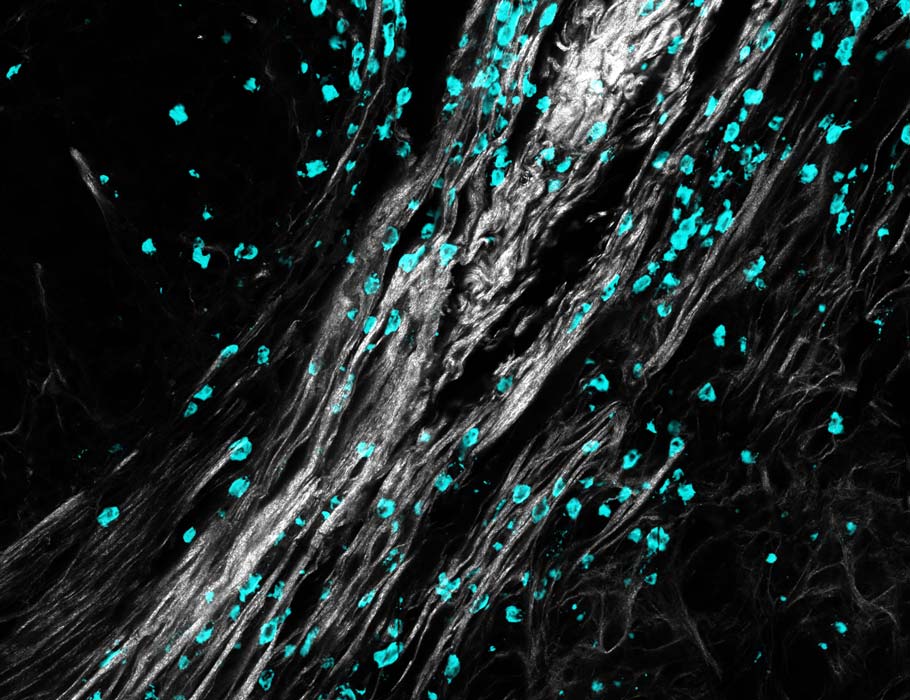
#Macrophages can restrict immune infiltration of #tumors by inhibiting the formation of collagen III-rich networks that permit T cell and neutrophil entry. @heleneDmoreau@LennonLab
Learn more in Science #Immunology: https://t.co/gHEPYlM3P7
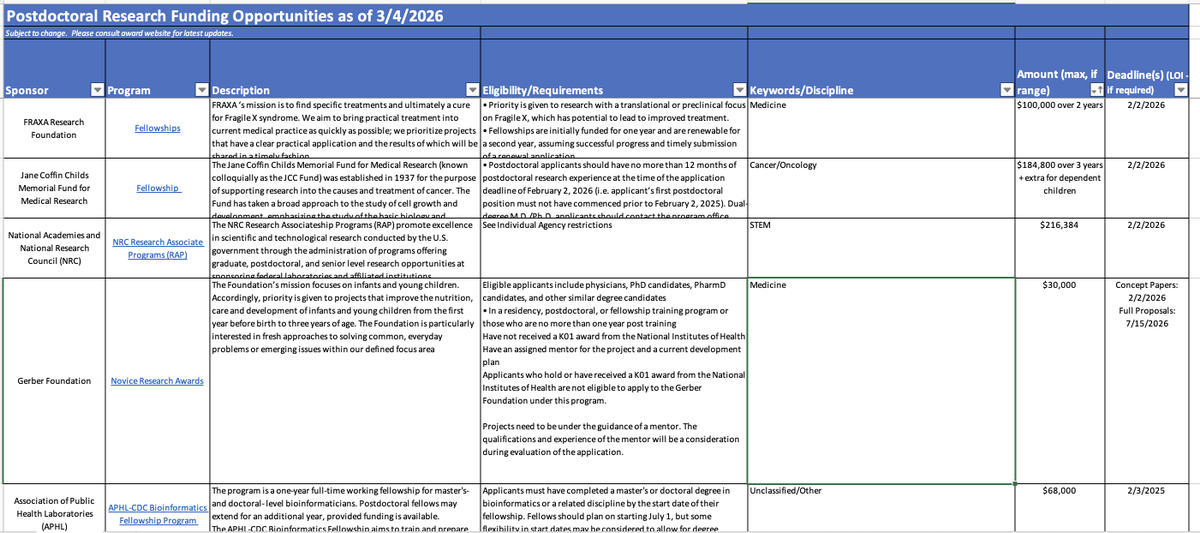
Download our extended database of postdoc fellowships.
276 funding opportunities. For each entry, we provide eligibility/requirements, amount, deadline, link, description, etc.
Download our database here: https://t.co/EbTahdzbkp
Myeloid cells infiltrate tumors from early transformation to advanced disease; however, their plasticity complicates therapeutic targeting. Nogales-Pons et al @Casanova_Acebes review emerging technologies that uncover unexpected cellular states & functions
https://t.co/Yul9TOMFb7
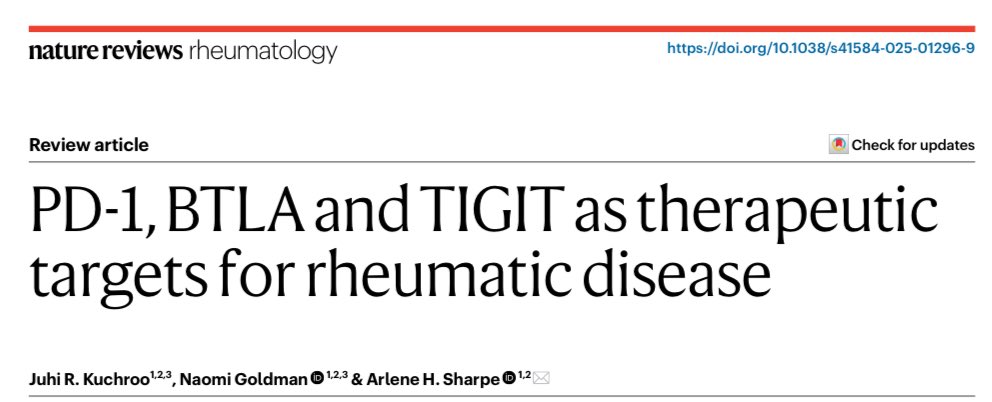
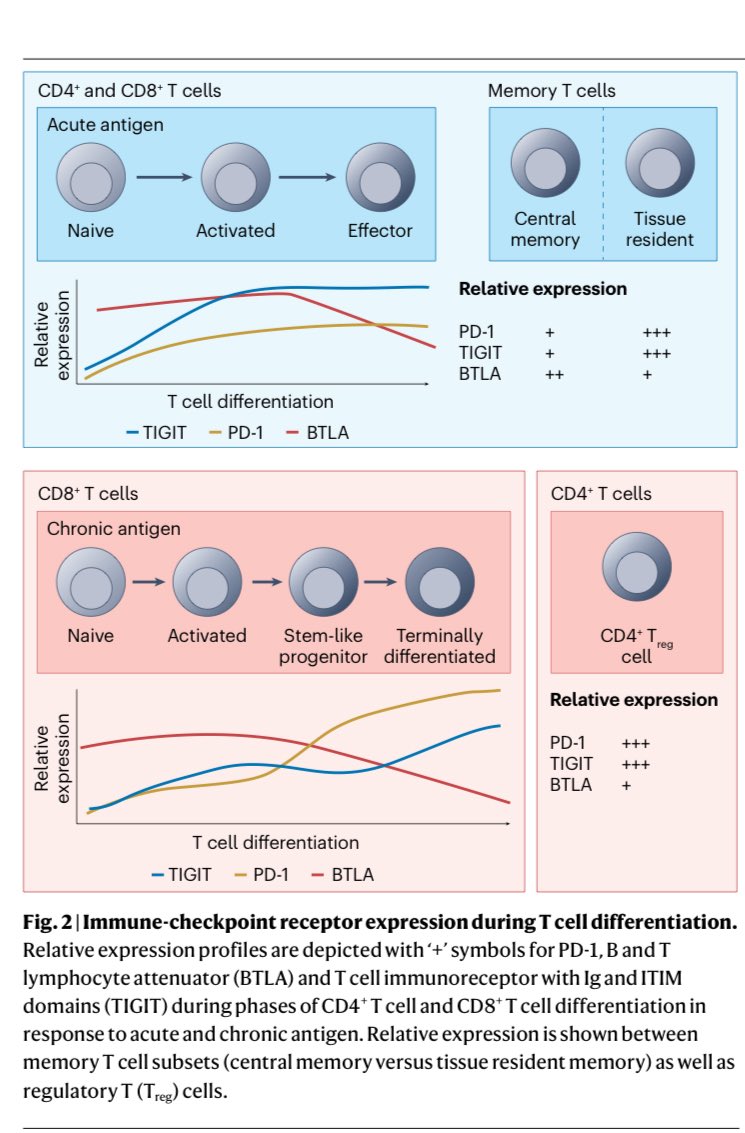
Always important to see what our rheumatology colleagues are doing:👇🏽
Here on inhibitory checkpoints in autoimmune disease.
TIGIT is particularly interesting, as it inhibits effector T-cell function while also promoting Treg activity.
Nice review in @NaturePortfolio on the field!
Un nuevo juguete para aprender machine learning! El laboratorio de ML, una ayuda para entender cómo funcionan estos algoritmos integrada en learningml:
https://t.co/79GpSY2W3Y
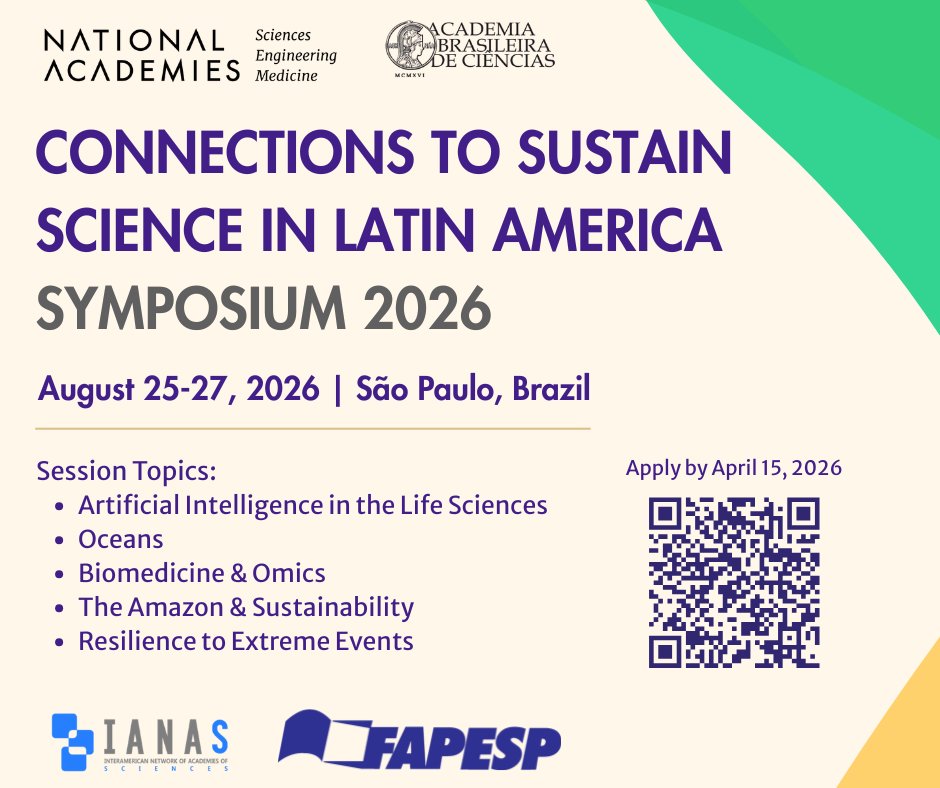
Apply now: Connections to Sustain Science in Latin America Symposium 2026 in São Paulo (Aug 25–27).
For early/mid-career researchers across the Americas. Travel fully funded.
Apply by Apr 15: https://t.co/uJofsnlcMW
#NASEMCapacity#LatinAmerica#LAConnections
Metastasis kills most cancer patients and grows from invisible seeds. How do these seeds escape from attack by immune cells? These seeds harness stress hormones!🤯
thanks to @nyscf @parkerici for their support. Today at @Nature https://t.co/rMKnHEqQwb
Amir Ferry, Ananda Goldrath et al. show that differentiation of tissue-resident memory T cells (TRM) is accompanied by the upregulation of the conventional DC1 chemoattractant, Xcl1. https://t.co/PDhjoy9pub
📘 In 2025: The Year in Experimental Medicine https://t.co/e3zcQVUAhy
Leveraging tissue-resident memory T cells for non-invasive immune monitoring via microneedle skin patches @natBME@Jalili_Sasan@jacksonlab
https://t.co/cAEGVMuJY4
#ScienceSaturday
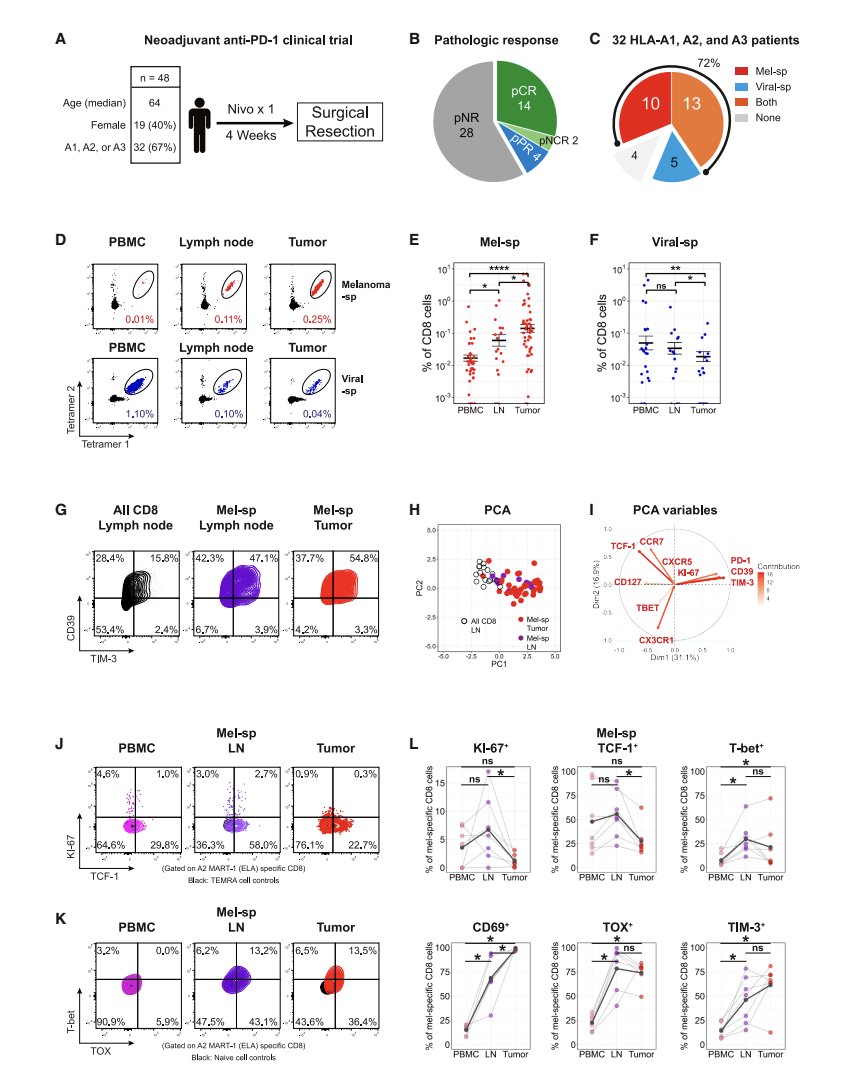
❓ Why does immunotherapy work incredibly well for some melanoma patients, but not for others?
➡️ A new study in Cancer Cell takes a closer look at the immune cells that matter most during immunotherapy. Researchers tracked melanoma-specific CD8+ T cells (the immune system’s cancer killers) in patients receiving anti-PD-1 treatment before surgery.
➡️ They found that not all T cells are created equal. Patients who responded best had a special group of T cells marked by a protein called T-bet. These cells weren’t “burned out,” but they weren’t fully fresh either, instead, they were in a powerful in-between state that allowed them to expand, stay active, and attack tumors when PD-1 therapy removed the brakes.
➡️ In contrast, patients who didn’t respond had more terminally exhausted T cells, immune cells that were too worn down to bounce back, even with immunotherapy.
➡️ The team also discovered that these fate decisions start early, in the lymph nodes, before T cells ever reach the tumor. And importantly, ongoing exposure to tumor antigens helped sustain effective immune responses, helping explain why neoadjuvant (pre-surgery) immunotherapy can be so effective.
➡️ Together, these findings show that which T cells are present, not just how many, can predict response to immunotherapy, and could guide better biomarkers and treatment strategies in the future.
🌟 Kudos to the researchers for uncovering how immune cell “identity” shapes success with cancer immunotherapy! @Cancer_Cell@lynn_schuchter@PennMedicine@AmaravadiRavi@PennCancer
🔗 Read more in Cancer Cell: https://t.co/DD21yYFD5P