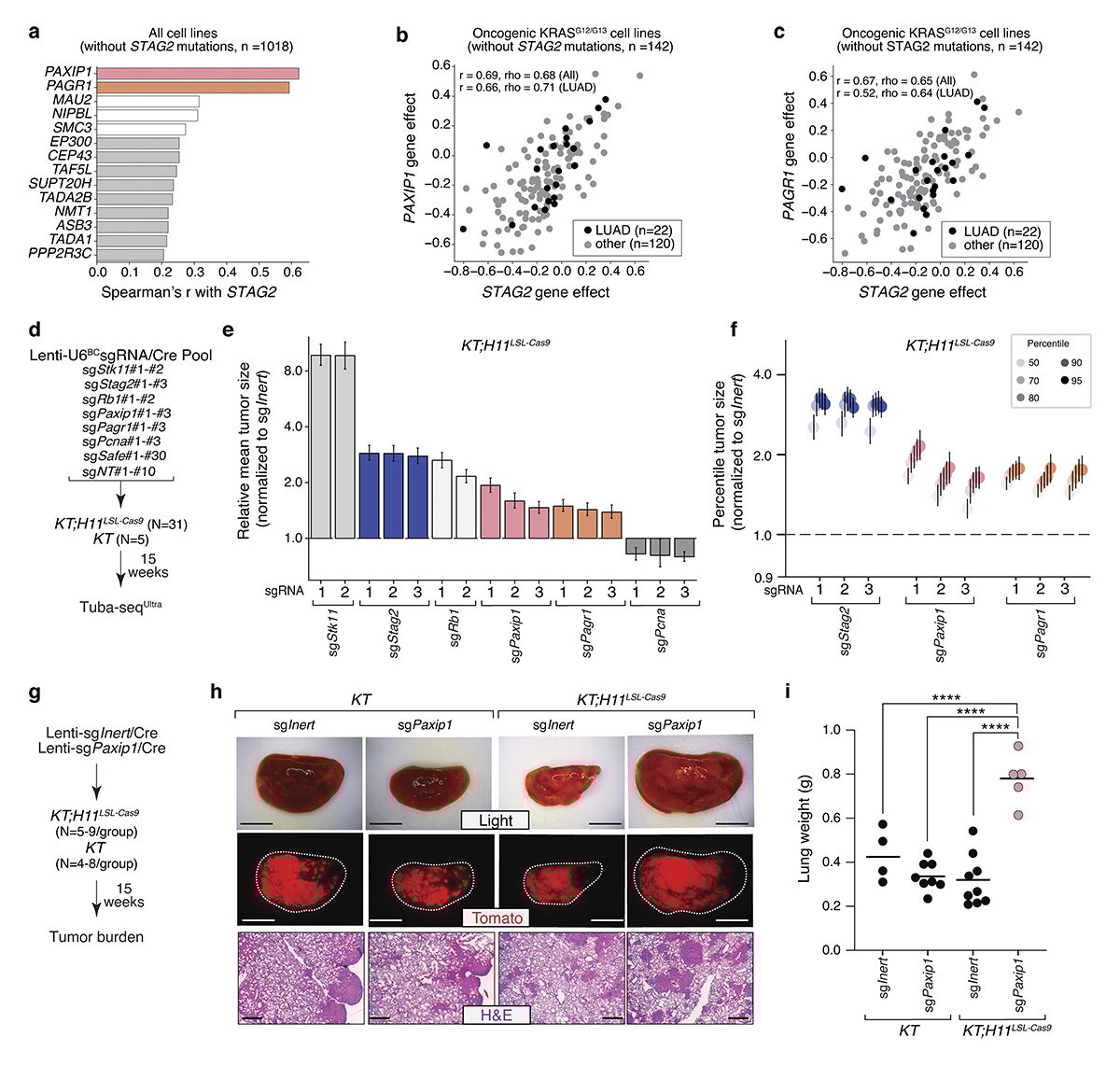
.@EmilyAshkin et al @LabWinslow underscore important roles of STAG2 in suppressing lung tumorigenesis & highlight a STAG2-PAXIP1/PAGR1 tumor-suppressive program that may transcend cancer type. https://t.co/blGqFiqDld
@HaiqingXu3@kinglhung@HowardYChang@Jesse_R_Dixon@ZXuSalk
Our latest preprint is online. Thanks to many in the lab for contributing to building these cell lines over the years including James’ and Alberto’s key contributions. https://t.co/uBD0OIQT2E
I'm thrilled to share our new study of the spatial evolution of Kras;p53-driven mouse lung adenocarcinoma! It's been fantastic leading this with @dianyang1117 & @sundakao, and enjoying a long-standing collaboration with @JswLab@YosefLab & @insitubiology. https://t.co/8WfzZPFWTo
🚨🚨Now online @NatureCancer, my postdoc work in @SawyersLabMSKCC with @dana_peer 🚨🚨 we establish a powerful organoid transplantation model of prostate cancer neuroendocrine transformation. Open access for all! @HHMINEWS
https://t.co/FJc0WSBvDQ
A 🧵... /1
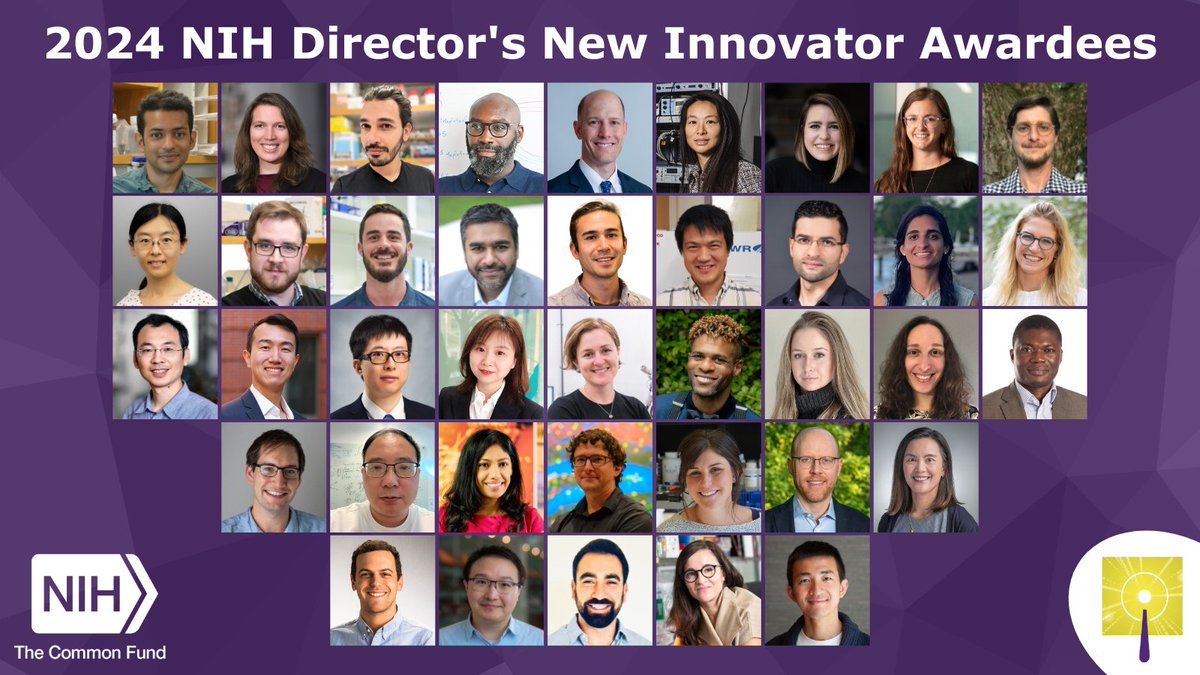
Early-stage investigators proposed #innovative high-impact research ideas for the @NIHDirector’s New Innovator Award. See the projects the awardees will pursue: https://t.co/ujuDoPOLUu #NIHHighRisk
Newest preprint from @EmilyAshkin in our lab! Critical roles of a STAG2 cohesin-PAXIP1/PAGR1 tumor-suppressive axis in lung cancer in vivo. Might transcend cancer type. Amazing collaboration with @ZXuSalk@Jesse_R_Dixon @HaiqingXu3@PetrovADmitri https://t.co/P0JPaYrwqQ
Excited to be part of this study by @TonyBoutelle@AttardiLaura on the key effectors of p53 in cancer. We love quantifying gene effects in tumors in vivo. p53->Zmat3 is an important axis during lung tumor initiation @HaiqingXu3@PetrovADmitri https://t.co/2ElqHw9uPu
Looking for help with grad school applications? Apply to the Stanford Cancer Biology PhD Preview Program for 1-1 mentoring and student-led workshops!!!
More details at https://t.co/7En5nfx1pi
Apply: https://t.co/cWw51cVjJa
Amazing collaboration between @EmilyShuldiner and @Alberto_DiazJ using somatic genome editing to model 60 different genotypes of EML4-ALK lung cancer. Genetics say that Variant 1 and Variant 3 should be considered distinct oncogenes @SotilloLab
https://t.co/8HjqwwdcPG
Epigenetic dysregulation is widespread in cancer. Using a new in vivo method, we generated a phenotypic roadmap of 250 epigenetic regulators in lung tumorigenesis in vivo. Most critical epigenetic tumor suppressors including one I hadn’t heard of before. https://t.co/J3BzfUvJhe
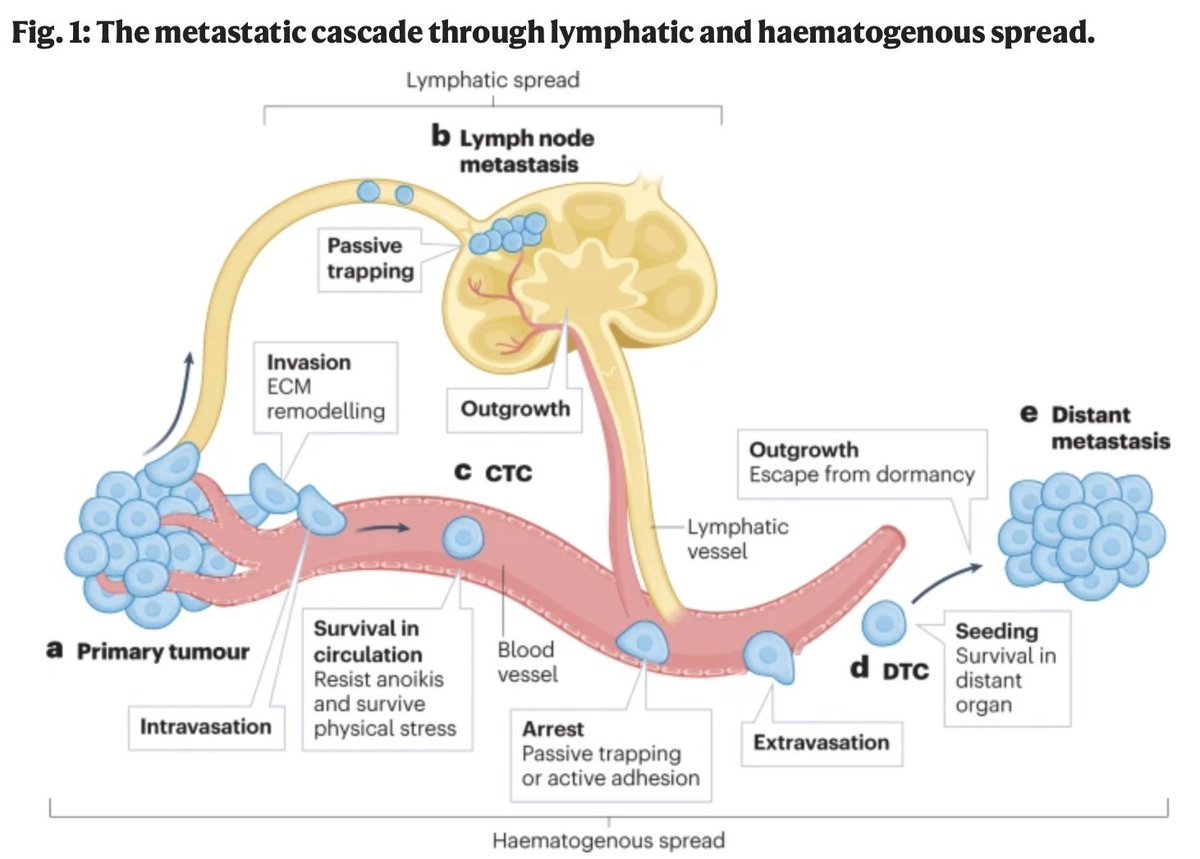
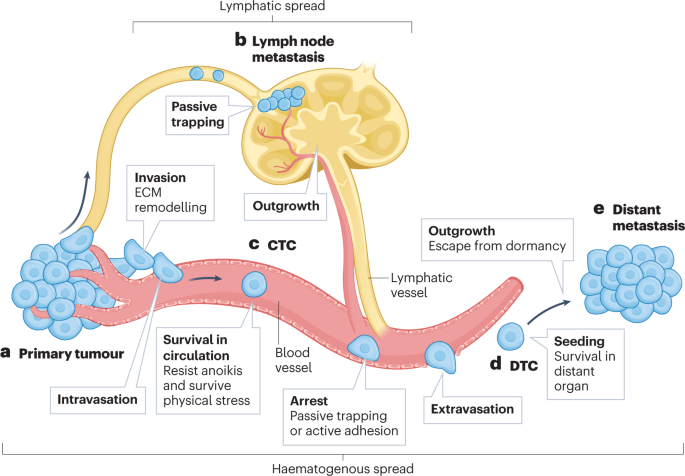
SCI member @LabWinslow explores key variables in designing assays for studying #metastasis, preclinical models, and potential anti-metastatic therapies. https://t.co/5fTyONT9oF
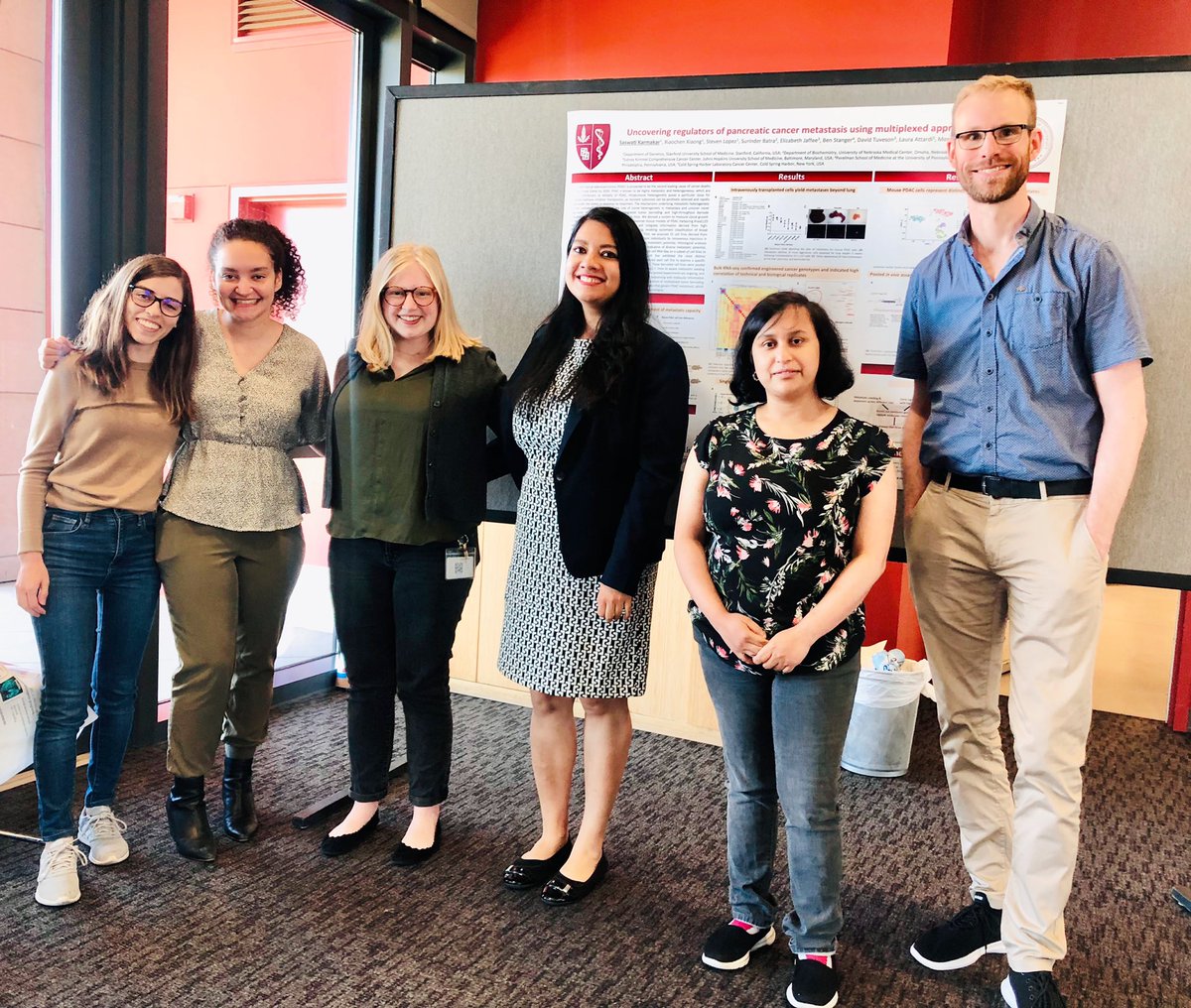
Had a fantastic time learning about ongoing research in #pancreaticcancer at the Pancreas Cancer Research Symposium at @Stanford. Was amazing to catch up with Sohinee from @MaraShermanLab and @hanson_kathrynj from the Attardi lab!!
Fantastic meeting at #cshlcancer22 ! Great to spend time with the very first Winslow lab grad student @drmcaswell and the most recent @EmilyAshkin ! Many generations of science!!
Oncogene-negative lung adenocarcinomas afflict as many patients as those driven by either oncogenic KRAS or EGFR. Our paper in @CR_AACR uncovers biochemical drivers and therapeutic liabilities of these cancers. Great collaboration with @PetrovADmitri lab!
https://t.co/eK0buJ9jo8
Congratulation to our amazing postdoc Rui Tang (@Ruitang16) for receiving an NCI K99/R00 grant to dissect the reciprocal interactions between cancer cells and endothelial cells during metastasis!