Very happy to share our latest publication in @hrs_journal 🔥
Balloon perforation of a balloon-in-basket pulsed field ablation catheter during pulmonary vein isolation
Not that happy about the complication though...
@szczasny#EPeeps
American Heart Association now promoting a diagnostic misadventure that took an active, well man who could haul a kid + sled up a hill repeatedly in the cold with no symptoms and sending him to surgery and causing him months of pain and recovery
What is going on?!?
🚨Latest #OpenAccess Article in
@JICE_EP
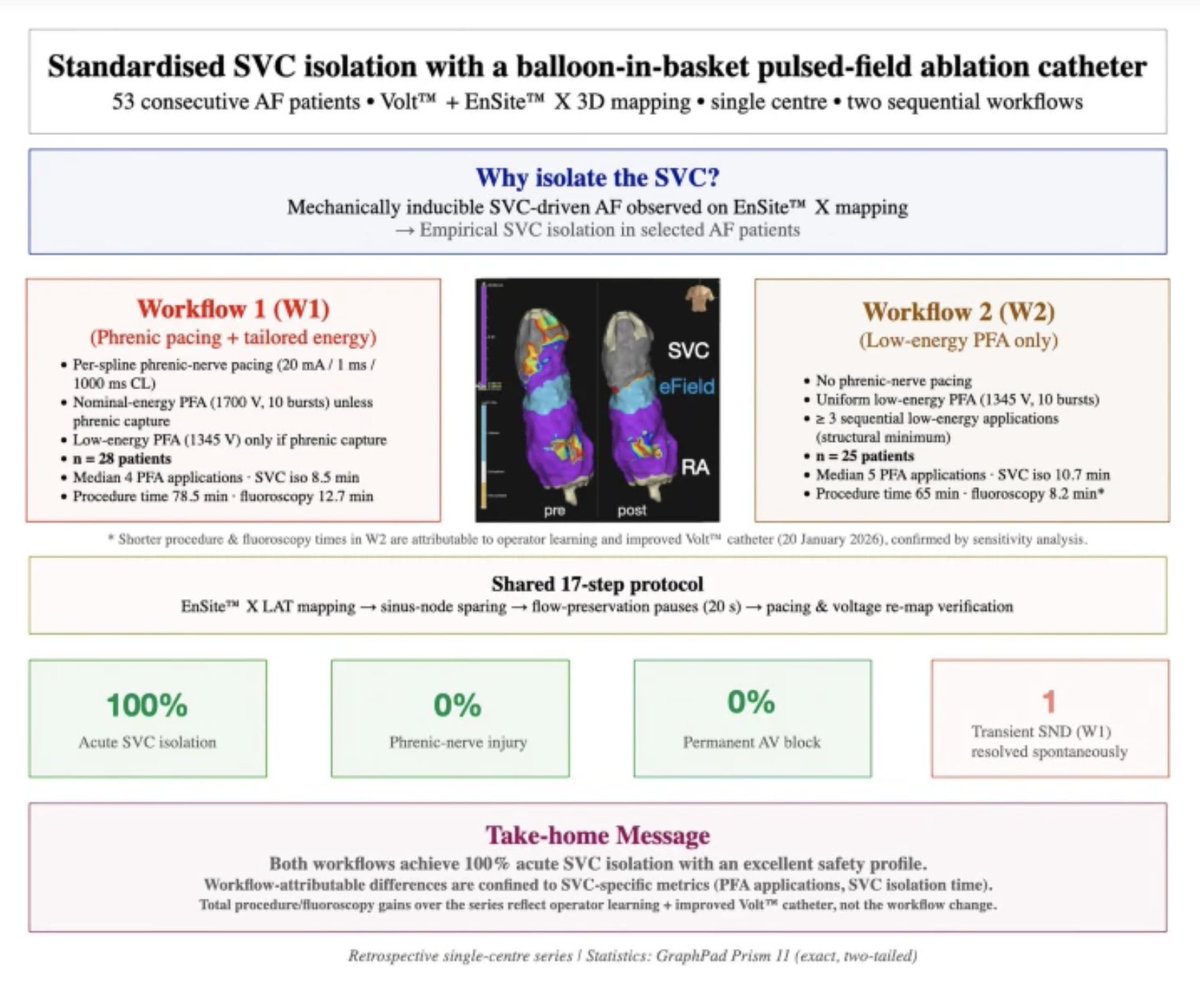
Standardized SVC Isolation with a Balloon-in-Basket Pulsed-Field Ablation Catheter: Feasibility & Acute Safety of Two Procedural Workflows in 53 Consecutive Patients
🧐📖https://t.co/aW2CAVJyV8
by Maciej Wójcik, Paweł Błaszkiewicz & @Andy_Glowniak
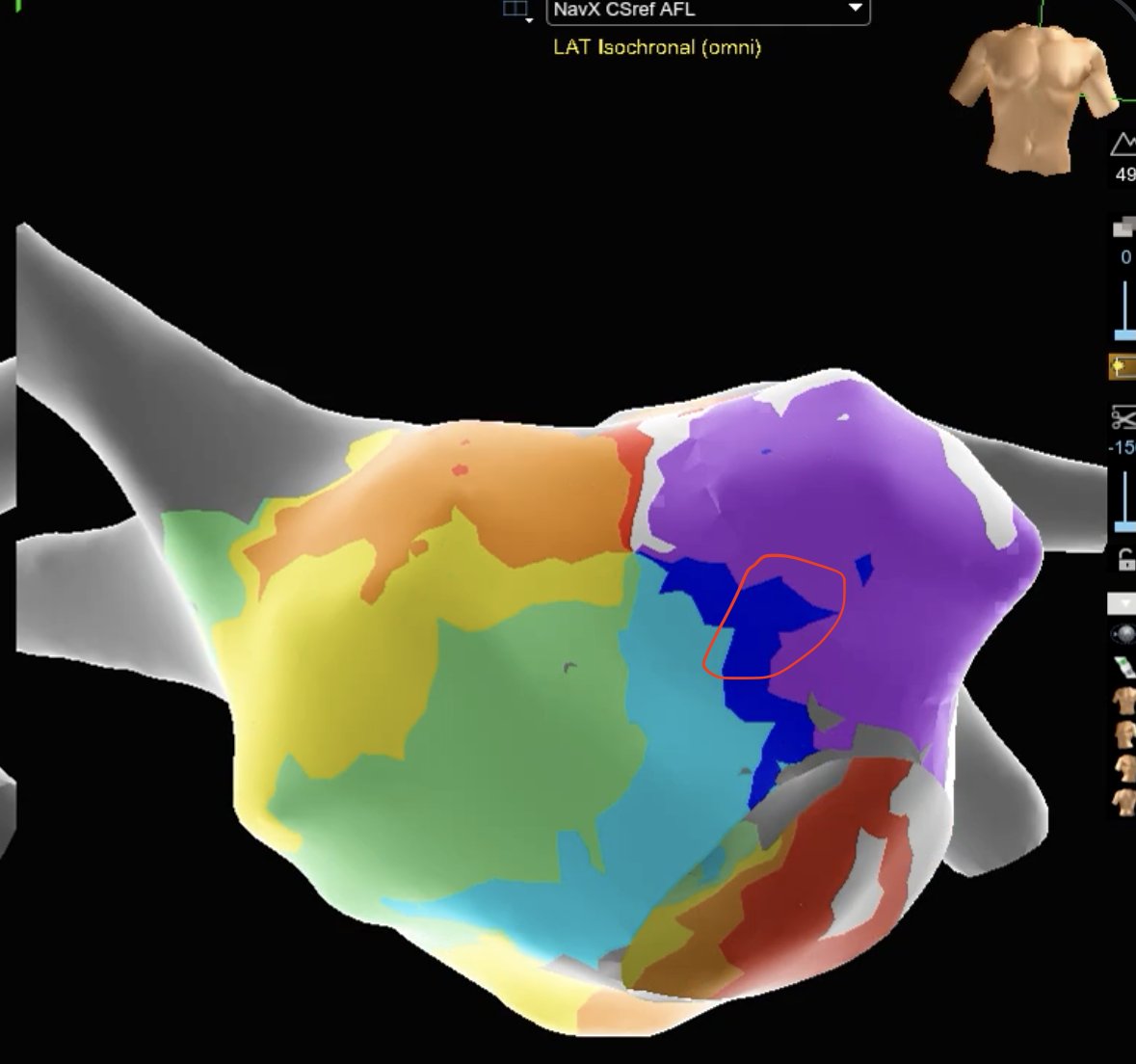
Ripple mapping demonstrates putative signals identifying the right inferior nodal extension to the lower nodal bundle during AVNRT #OpenAccess@balrik
https://t.co/GjSzHTo67i
W Lublinie w 2024 otwarto nową kardiochirurgię
w Lubelskim są tylko 2, a NFZ w 2024 wydało 35mln na leczenie pacjentów poza województwem
Ale kolejny rok NFZ nie daje jej kontraktu (brak kasy)
UE dało właśnie 280mln na jej rozbudowę xD
Wyśmienicie
https://t.co/m3oGOiG2h9
🚨Latest #FreeRead Article in
@JICE_EP
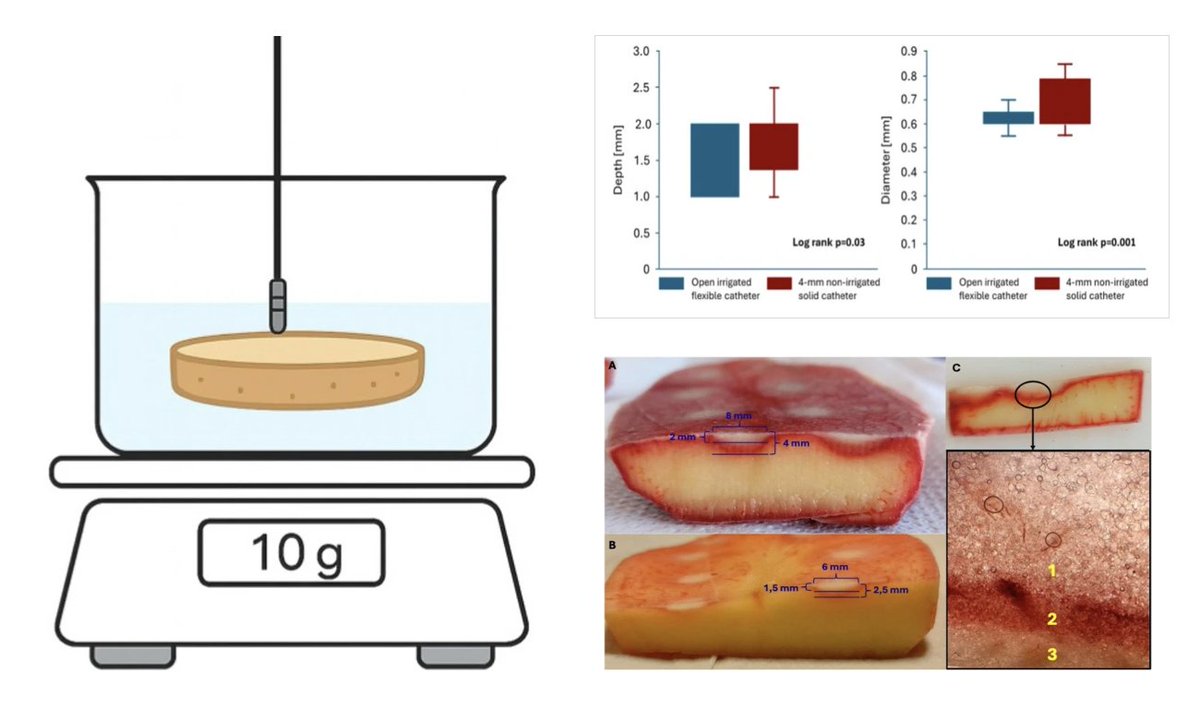
Impact of Catheter Design on Lesion Dimensions during Focal-Bipolar Pulsed Field Ablation: an in Vitro Potato Model Study
🧐📖https://t.co/Xiu9DE0nj8
by Łukasz Zarębski, Agata Wawrzyniak & @ftrae#EPeeps
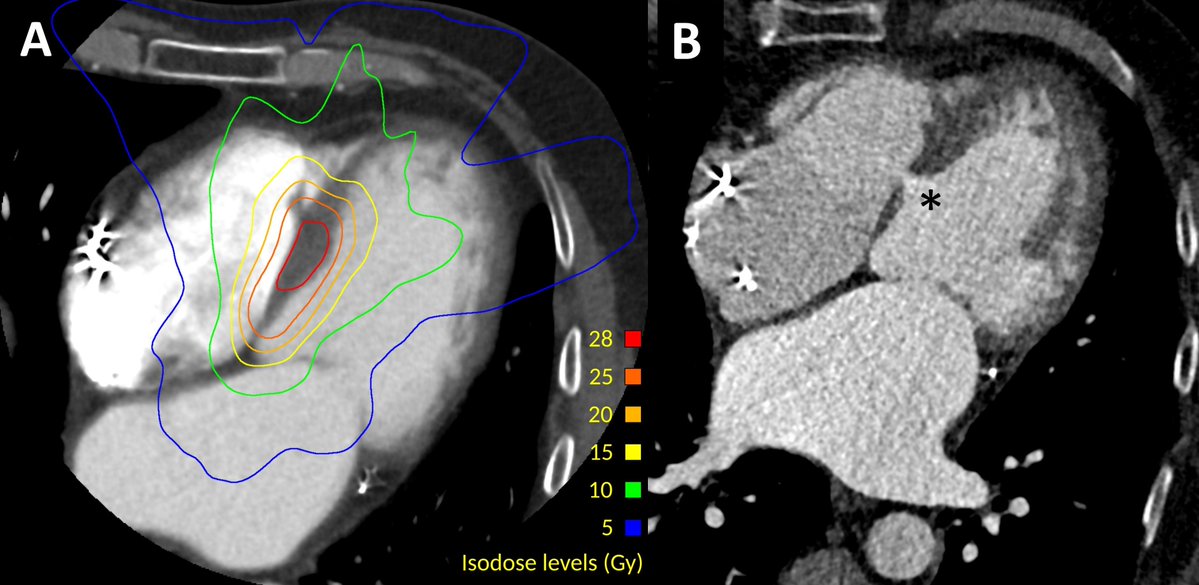
☢️STAR may silence VT, but long-term safety is still being defined. We report the first delayed ventricular septal defect occurring 2 years after STAR for VT, with dosimetric concordance at the VSD site
⚡️Long-term follow-up data are needed
@JACCJournals
https://t.co/yEGr1aNzhy
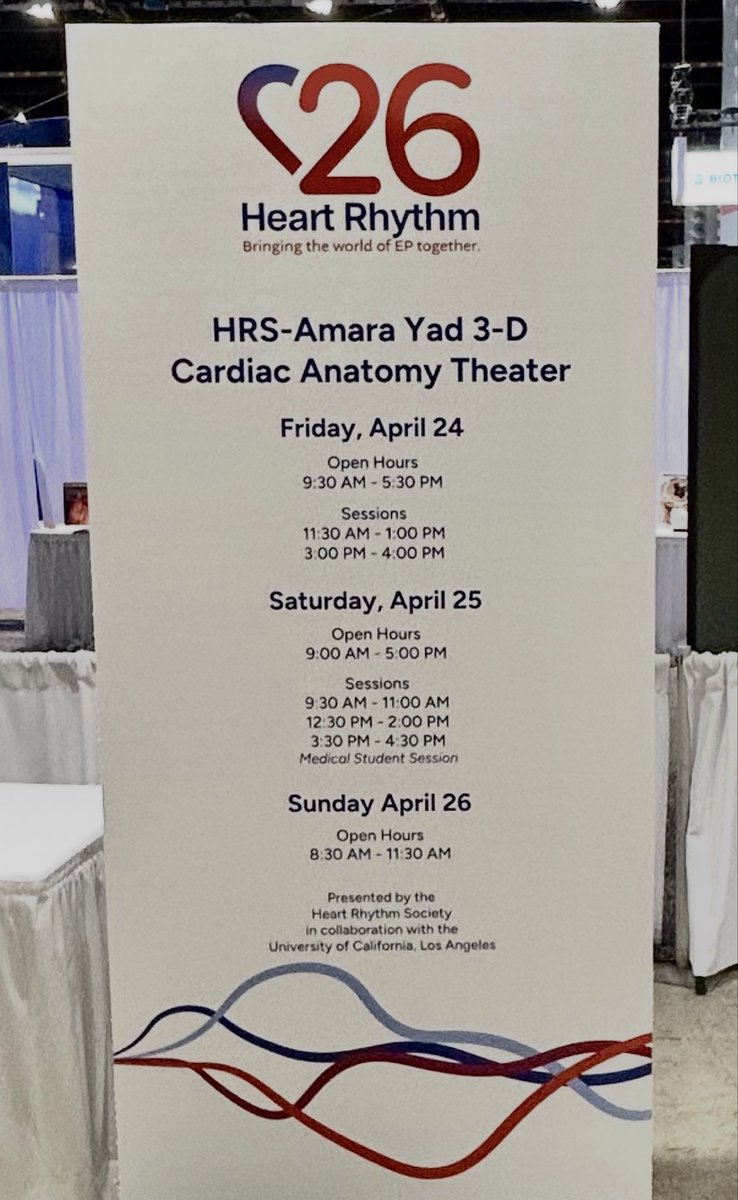
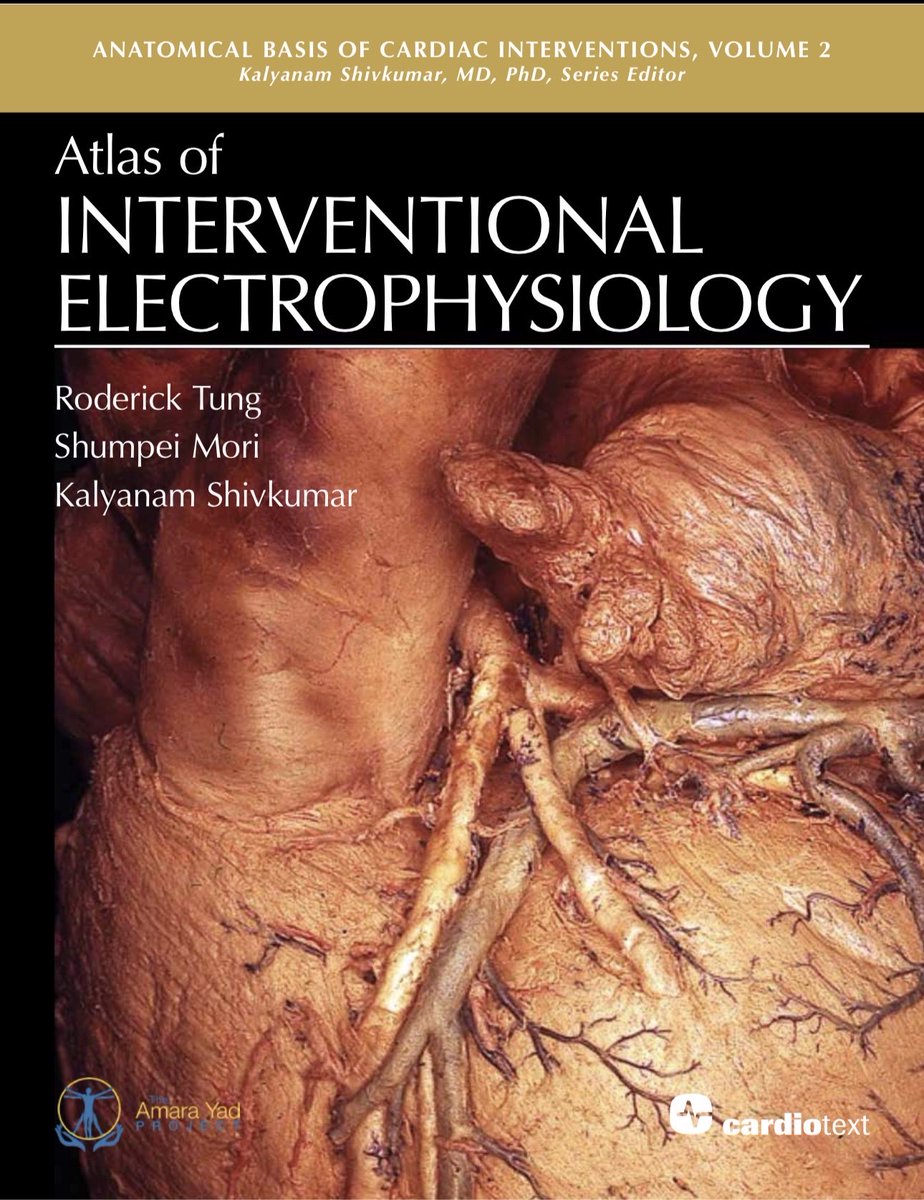
Open access books can be downloaded using this QR code. Content also appears weekly in @JACCJournals Thank you to @HRSonline for making this a special annual component of HRS for all EP’s.
Presented at #HRS2026:
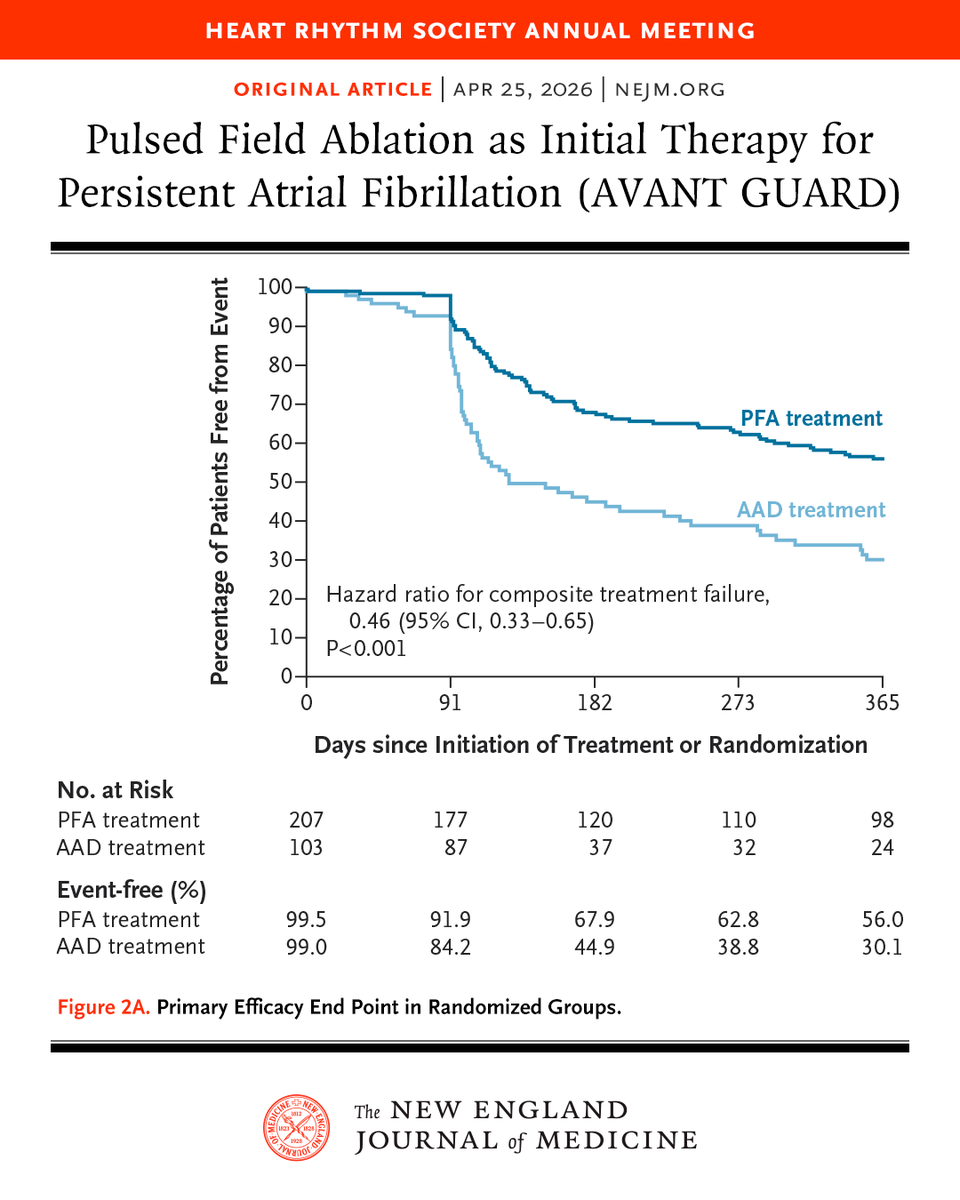
In patients with persistent atrial fibrillation, first-line treatment with pulsed field ablation reduced the recurrence of atrial arrhythmias at 12 months as compared with antiarrhythmic drugs. Full AVANT GUARD trial results: https://t.co/milHy26ojJ
@HRSonline
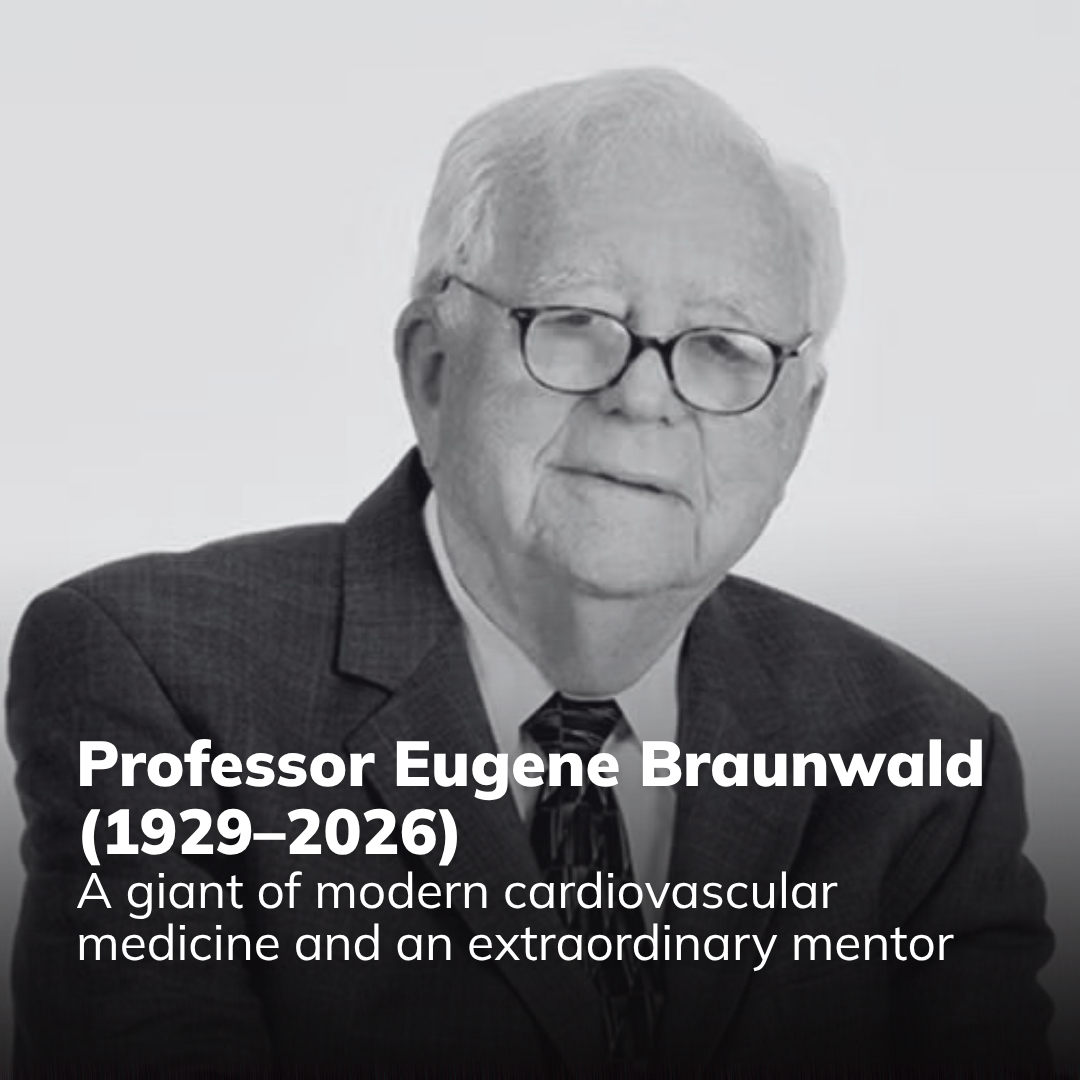
The European Society of Cardiology is deeply saddened by the passing of Professor Eugene Braunwald, one of the most influential figures in the history of cardiovascular medicine, who died on 22 April 2026, aged 96.
“Professor Braunwald was the leading cardiologist of his time. His vision and innovation changed the trajectory of cardiovascular medicine. He had a rare ability to see what the field needed next, and then to build the science and rigorous evidence leading to better care. He set a standard for intellectual honesty and mentorship, giving generations of clinicians and researchers the confidence to aim higher.” Professor Thomas F. Lüscher, @ESC_President
Professor Braunwald’s work helped define how cardiovascular disease is understood and treated. His legacy endures in the patients whose lives have been saved by evidence-based cardiovascular care, and in the people he inspired to pursue medicine with integrity and purpose https://t.co/IUtVSlbzph
@syamkumarmd V and A capture during pacing from prox His catheter resulting in paradoxical shortening of VA and change in act. sequence with loss of His capture