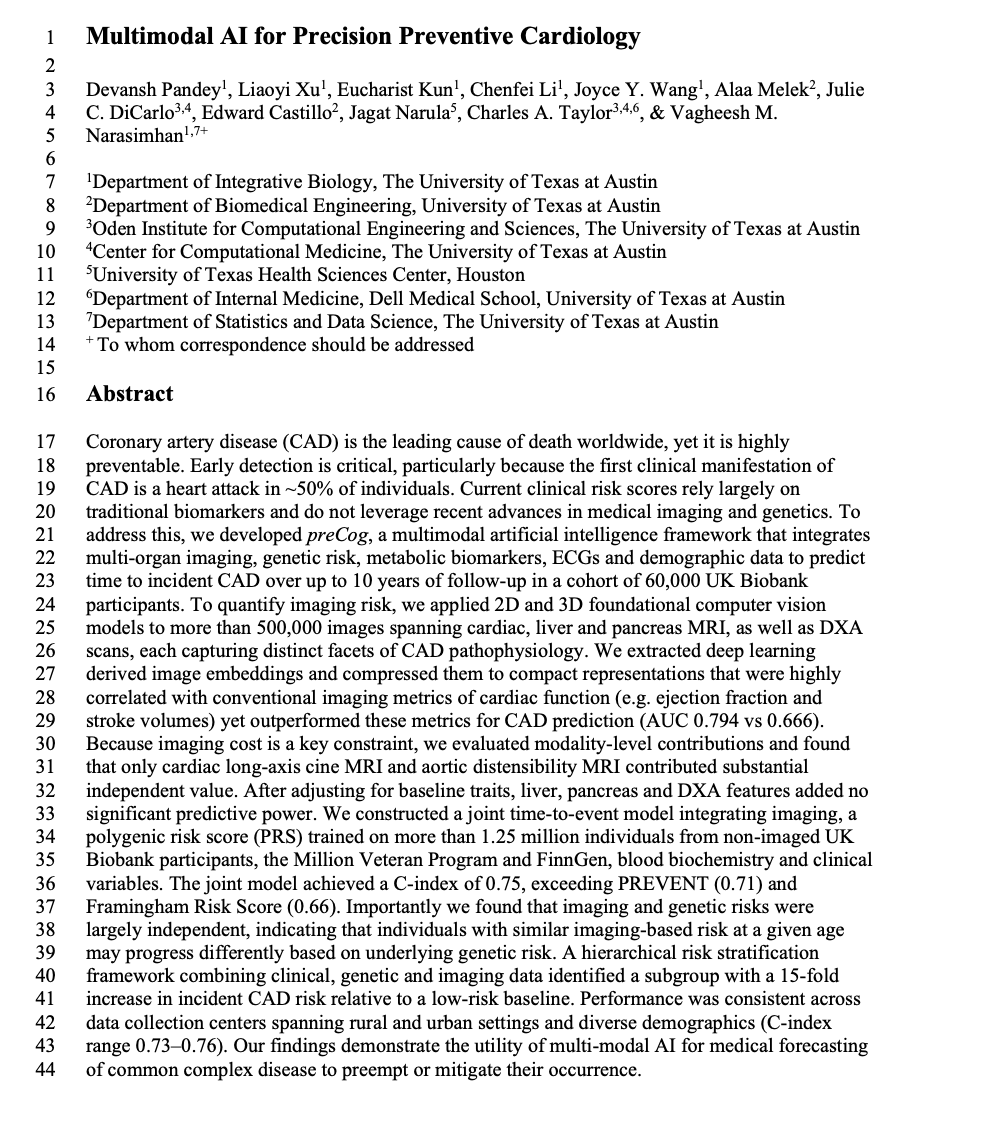
Half of people with heart disease first find out after a heart attack. What if we could see risk years earlier using MRI, genetics, and blood tests? We introduce preCog, a multimodal AI for preventive cardiology trained on >500k images and genetic data from 1.25M individuals.
@vinita_gowda@NatureComms@NatureInd This is a major inequity in science. Indian researchers can produce world-class work and pass the same rigorous peer review, yet still be blocked by $6,000+ publication fees that many labs cannot afford. Scientific visibility should depend on quality, not institutional wealth.
“the obstetrical dilemma is between accommodating a large fetal head & maintaining pelvic floor stability, rather than obstetrics and bipedal efficiency”. Paper in @PNASNews looking at the Neanderthal pelvis adding support to our work in Xu et al. Science
https://t.co/URt2ozs0c4
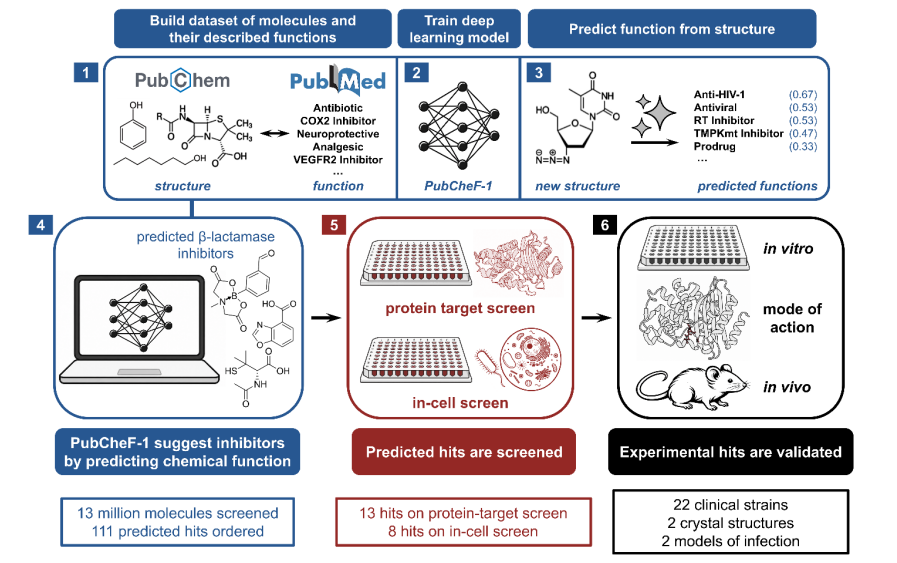
Can we use human language to predict novel bioactive molecules that work in vivo?
In our new paper, we trained a deep learning model on a dataset derived from PubMed text and used it to discover novel antibiotic co-inhibitors that reduced infection burden, even in mouse models!
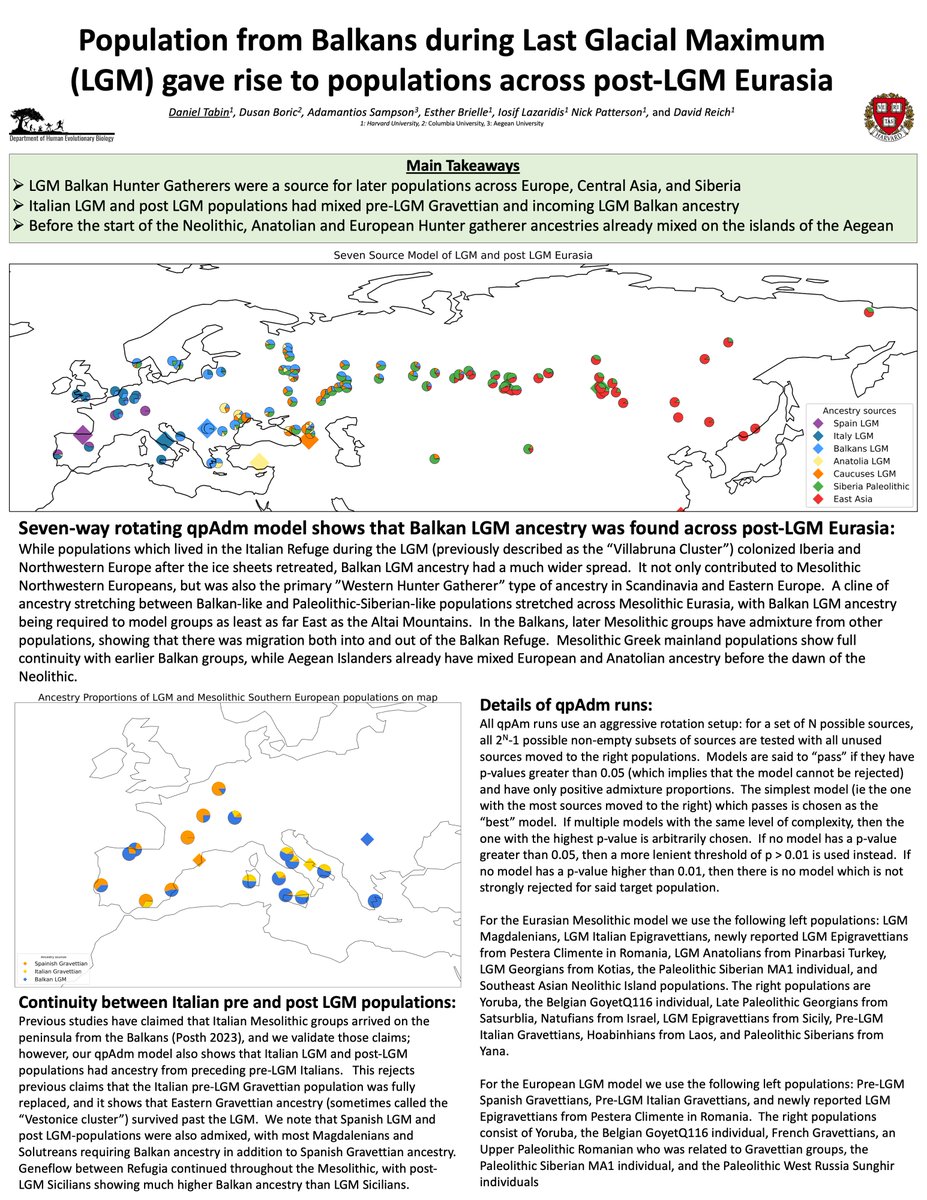
Very excited to present a preprint of the first chapter of my thesis, which focuses the end of the LGM (Ice age / Last Glacial maximum) in Europe, and specifically the post-LGM Balkans.
Thrilled to post thread re: new single-cell lineage of mouse embryo reconstructed w/ DNA Typewriter. One animal, zygote to late organogenesis (E13.5). Tree has 1,340,794 transcriptionally profiled, annotated tips (cells), 1,142,588 dated internal nodes, rooted at zygote
1/n
We're hiring! Looking for 2 outstanding postdocs to join my lab. Our group combines large-scale genomics, multi-modal imaging and AI to study human history, aging & disease.
🧠 AI, medical imaging & human genetics https://t.co/XDimxXAGjf
🧬 Ancient DNA https://t.co/pRJq47vN2y
Pakistan Genomic Resource (PGR), founded by Danish Saleheen, is the world's largest genetic database of human knockouts. It has been quietly building since 2017, from 10,000 individuals (Saleheen et al. Nature 2017) to nearly 200,000 today.
A new paper in Nature by Koch et al. reports a new analysis of 173,303 Pakistanis from PGR, offering genetic insights from natural inbreeding experiments in humans.
Koch et al. Nature 2026
https://t.co/Uk9YaeN1Ev
In biology, to understand what a gene does, you delete it, a standard experiment. Knock out the gene in a mouse and see what breaks: organ fails, behaviour changes, animal dies. Thirty years of biology built this way. It works, until it doesn't. Because, you know, mice are not humans.
To know the function of a gene in humans, you need a similar experiment. But that's unethical, you cannot deliberately delete a gene in a human. Except you don't have to, because nature has already been doing that experiment.
Occasionally, a person inherits a broken copy of a gene from both parents and is born with no working version at all--a human knockout. The problem is finding them. In most of the world's populations, where mating is largely random, these events are nearly invisible. For a gene-inactivating variant at 0.1% frequency, you'd expect one homozygous individual in every million people.
That math collapses in populations like Pakistan, where consanguineous marriage has been practised for centuries. In first-cousin marriages, the odds of observing a human knockout for the same 0.1% variant rise to roughly 1 in 16,000, a 63-fold enrichment. And the rarer the variant, the larger the advantage: ~630-fold for a 0.01% variant, ~6,300-fold for a 0.001% variant. The variants too rare to ever be seen in European biobanks become findable here.
Sequencing more than 170,000 individuals from highly consanguineous communities, the authors report a mind blowing statistic: at least one living human knockout was observed for 6,476 genes, which is nearly 1/3rd of the entire protein-coding genome!
What do we find when we finally have the human knockouts?
Studying the phenotypes in the human knockouts helps us confirm or refute our understanding of the gene's function based on animal studies. A few examples I highlight below.
PRDM9
PRDM9 might be one of the most popular genes among animal biologists. It encodes a protein that controls where chromosomes break and recombine during sperm and egg formation. Deleting the gene has caused infertility in every animal. PRDM9 was classified as the first hybrid sterility gene in vertebrates, so fundamental that crosses between mouse species with different PRDM9 alleles can't produce a fertile offspring. PGR now has 4 human PRDM9 knockouts : three women, one man. All fertile, with 2 to 7 children each. A 14-year biological fact, overturned by four families in Pakistan.
LRRK2
LRRK2 is a well-established Parkinson's disease risk gene. Activating mutations in LRRK2 are among the most common risk factors for Parkinson's. LRRK2 is a therapeutic target with many companies exploring ways to switch off this gene in the brain to treat Parkinson's. Large-scale sequencing studies have found individuals with partial loss of LRRK2, who did not show any concerning health issues, predicting adverse effects of LRRK2 inhibition in humans. Animal knockouts though warned of kidney damage. Now PGR has two LRRK2 knockouts, both with kidney disease, confirming animal studies.
RXFP1
RXFP1 encodes the receptor for a pregnancy hormone called relaxin, which has long been studied in rodents. Animal studies suggested it played a critical role in cardiovascular adaptation and connective tissue remodelling, fuelling relaxin-targeted drug development, which failed in late-stage trials. PGR found 16 RXFP1 knockouts, expanded to 26 via recall-by-genotype, all tested with cardiac imaging. None had consistent cardiovascular or reproductive deficits, retrospectively explaining the failure of relaxin-targeted drug programmes that might have spent millions of dollars. Mouse physiology failed to inform humans in the case of relaxin.
Gene constraint insights
Existing large-scale biobanks are predominantly European-based outbred populations, which shaped our understanding of gene constraints largely based on intolerance to partial loss of function. Now PGR, a South Asian-based cohort enriched for consanguineous communities, is beginning to offer insights into gene constraints based on intolerance to complete loss of function.
PGR showed that nearly 1/3rd of human genes tolerate complete loss of function. As much as the genes for which knockouts were found, the genes for which knockouts weren't found can offer biological insights.
The authors find genes depleted for knockouts in PGR are enriched for genes essential for cell survival, known Mendelian disease genes (both dominant and recessive) and genes broadly expressed across human tissues.
A fascinating insight is significant enrichment for knockouts in tissue-specific genes (OR=2.39). Human knockouts confirm what drug developers have always thought: tissue-specific genes are much safer therapeutic targets than broadly expressed genes.
The above insight should be read with caveats. The sample size of PGR is small, hence not saturated for human knockouts. It's likely the number of genes will increase as the sample size grows. There is a survivorship bias, like any other volunteer-based cohort. Absence of a gene knockout here doesn't mean biological impossibility. It means incompatibility with being a 'healthy' adult volunteer. If you build a cohort based on a hospital-based pediatric rare disease South Asian cohort, you'd expect to see knockouts that never appeared in PGR.
South Asian populations represent nearly a quarter of humanity, yet they have been largely absent from the genomic revolution. PGR shows what absence has been costing the field: overturned biological assumptions, failed trials, missed targets. The biology was always there. We just weren't looking in the right place.
New paper from undergrad in my lab on image-based genetic association of scoliosis (i.e. spine curvature) is now out in Npj Digital Medicine. Showing again the power of precision phenotyping with imaging to identify gene targets not possible in the EHR. https://t.co/otJr3jtSOH
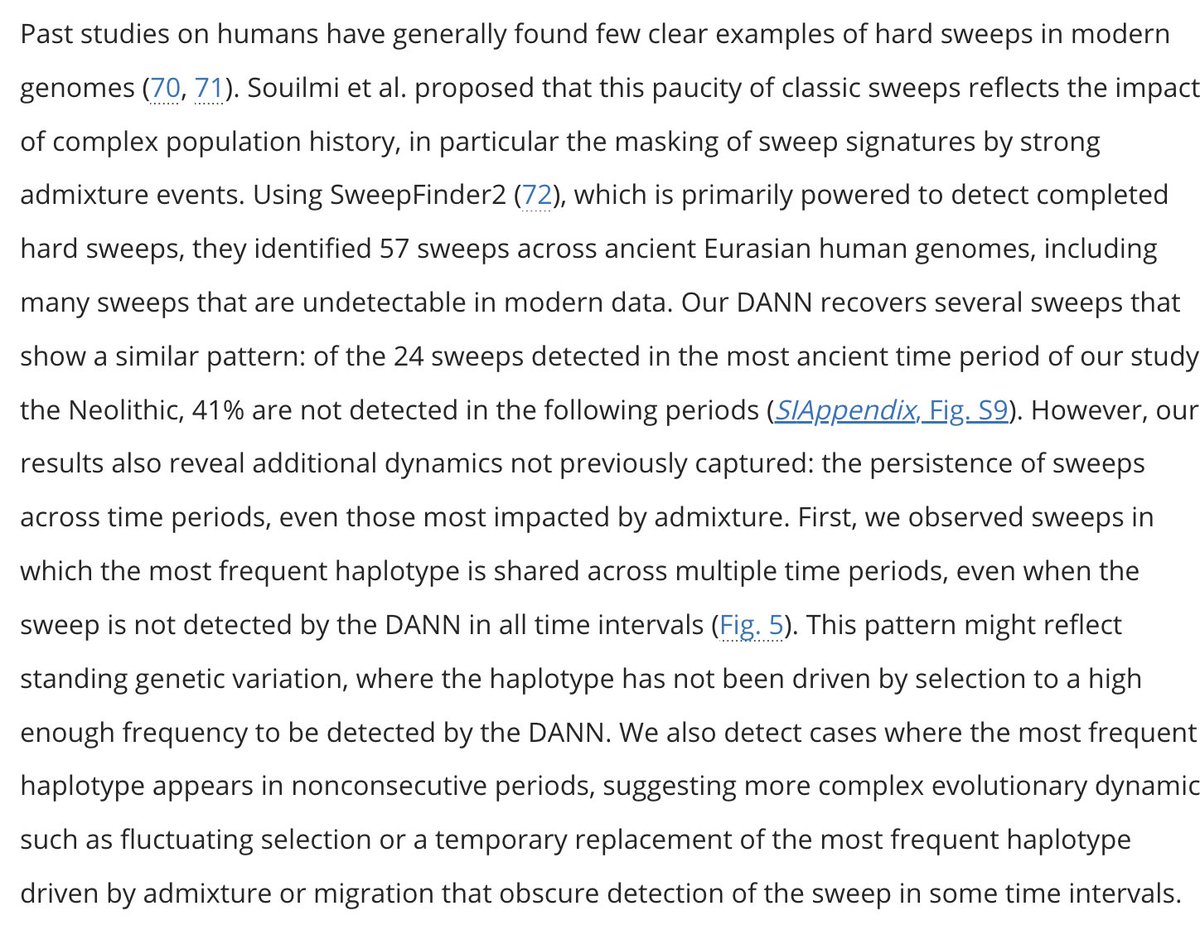
Now published (was previously a preprint) work from @MarianaHarr looks at selection using a domain-adaptive neural network and uses time series data to investigate the affect of admixture on the detection of selective sweeps.
Read it here: https://t.co/EJQgNy7pDL
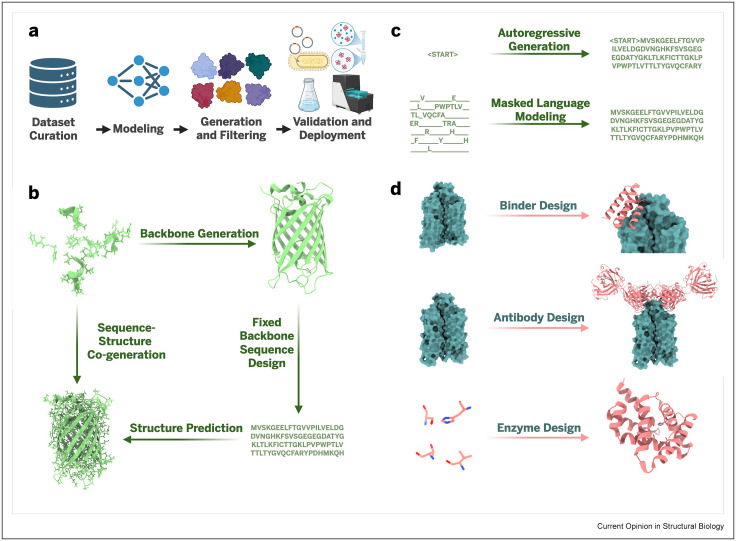
Have you wondered what the wet lab success rates are for current AI-driven protein design models? Look no further!
In our new open access review, @KevinKaichuang, @avapamini, @SarahAlamdari, and I report wet lab success rates for *over 200* different protein design tasks 🧬💻
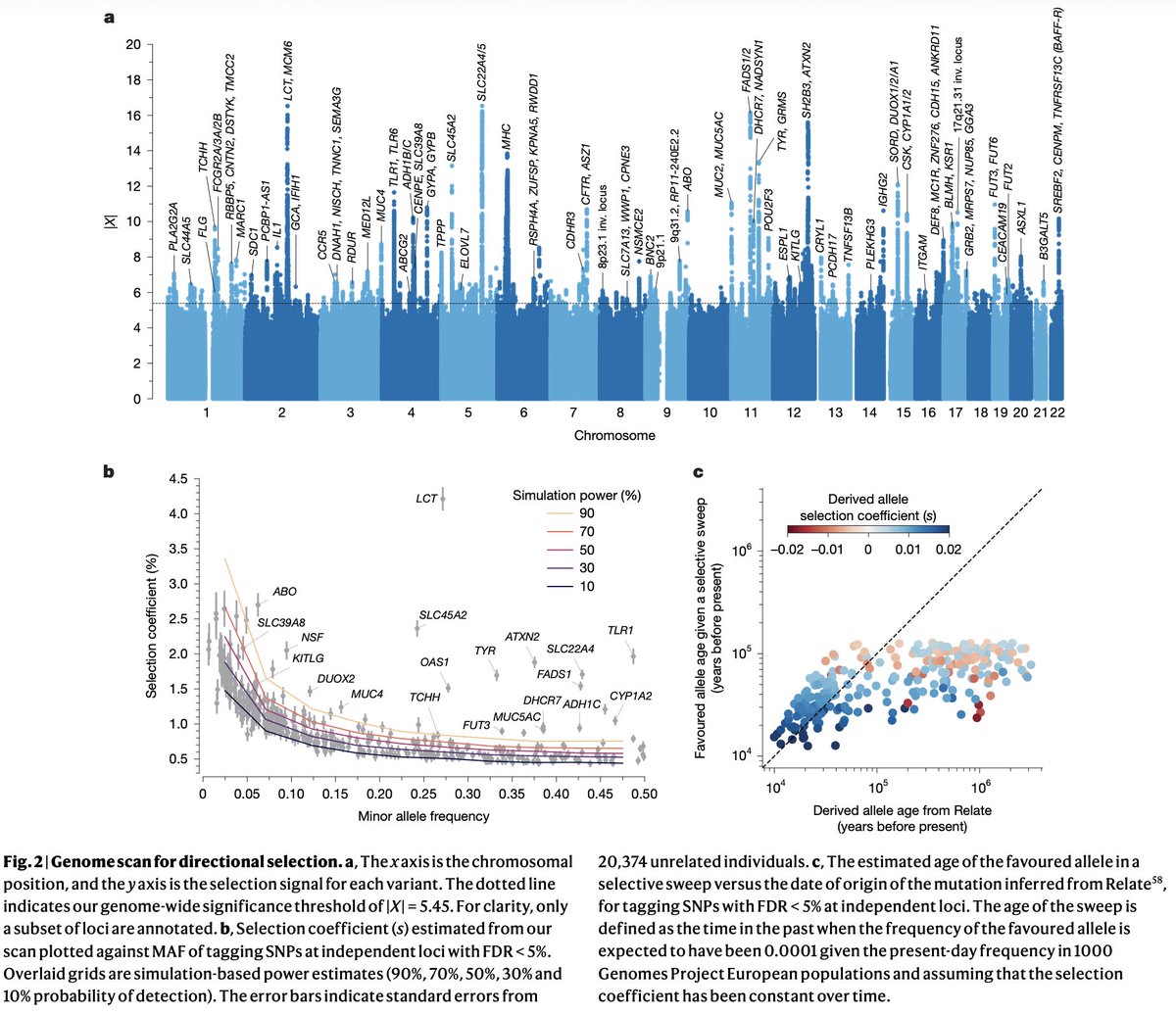
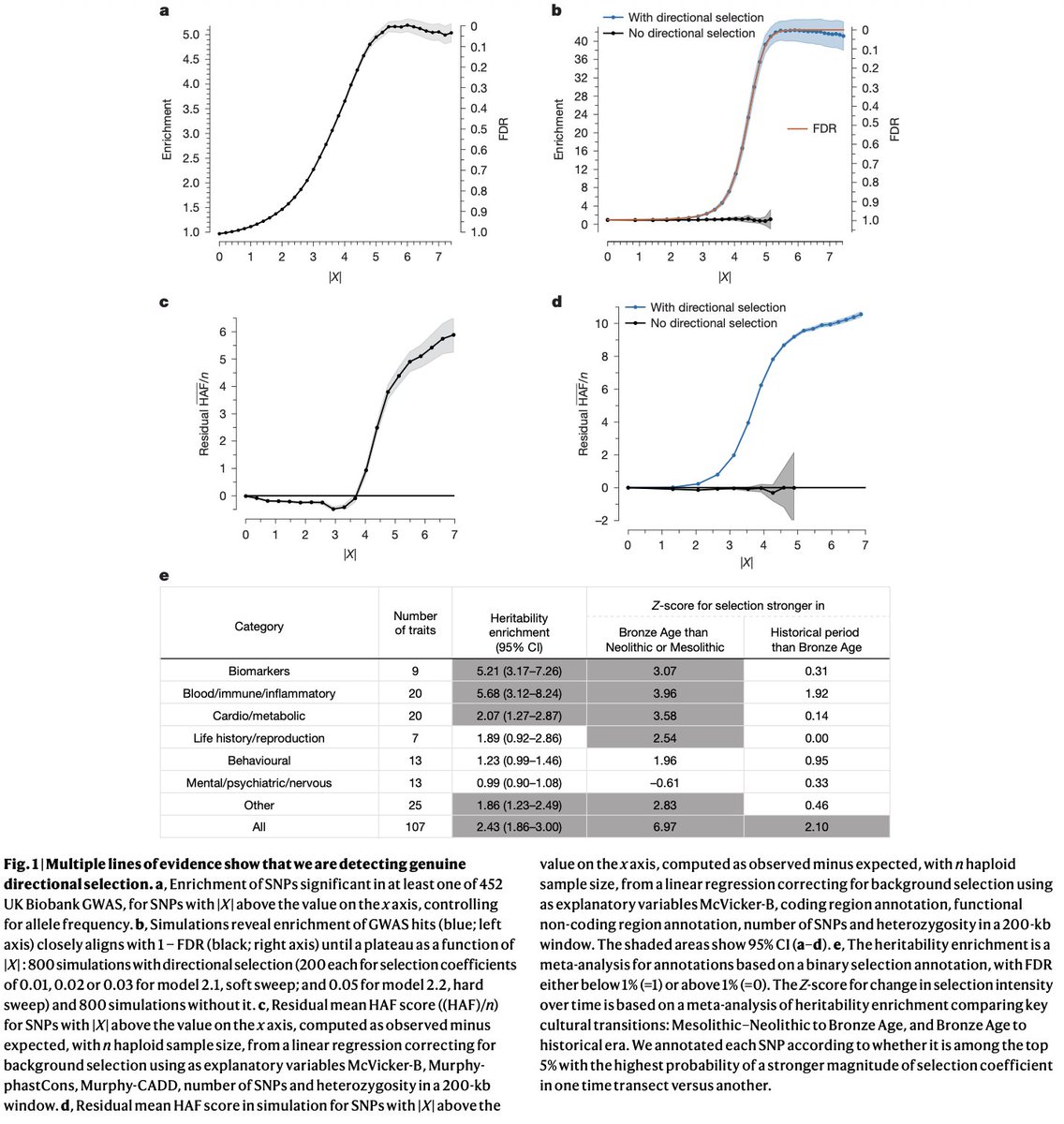
Its finally out! Over 8 years of work by @aliakbari23 shows that selection was pervasive in the last 10,000 years, including for quantitative traits. This was directional selection. Simulations show background selection, etc can not produce the observed patterns.
🧵Super excited to share our new paper in @NatureGenet ⭐️
We apply a new multiple traits and ancestry approach to improve genetic discovery and polygenic prediction in lung diseases and traits 🫁
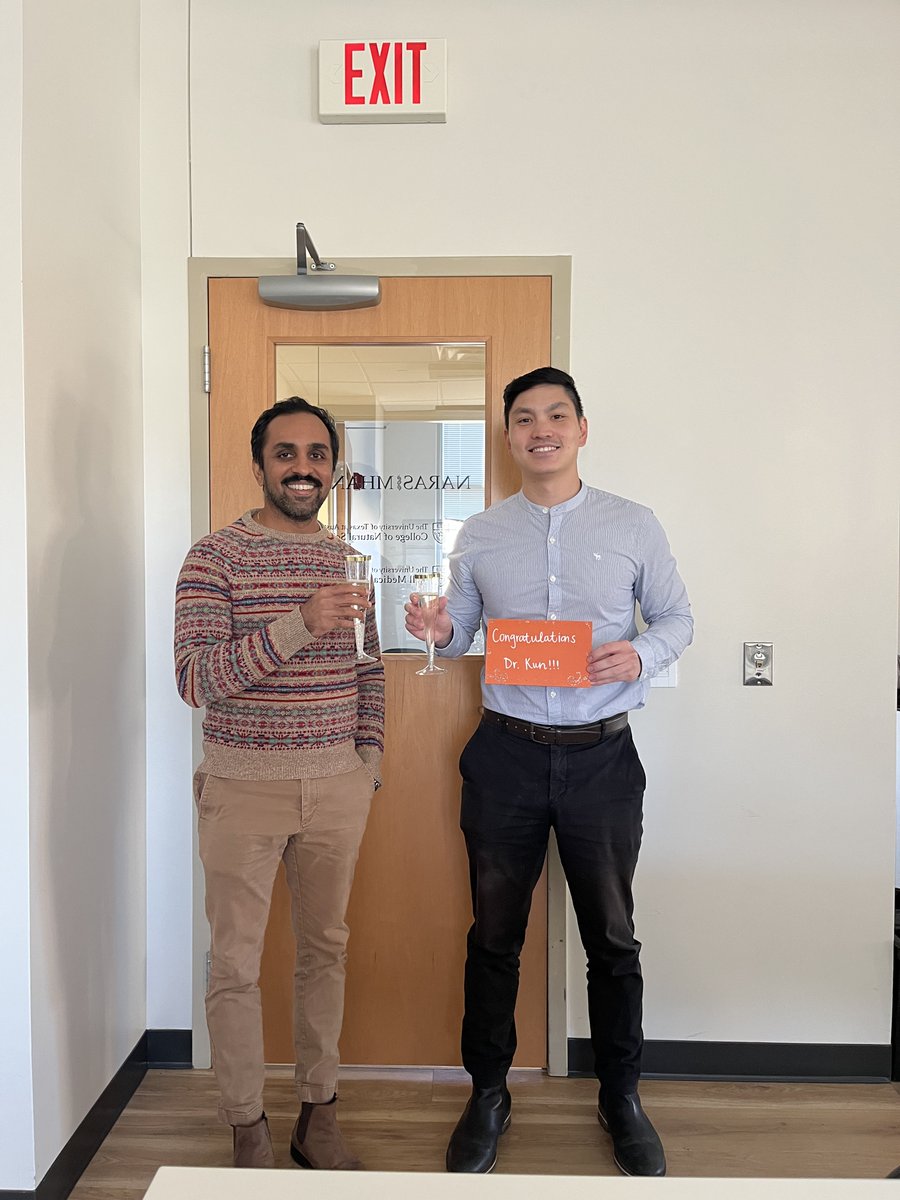
Congratulations to @EucharistKun for successfully defending his PhD thesis on applying deep learning methods to >1.2M images from 60k people and connecting this to genetic data to understand aging and development. He's on the postdoc job market: https://t.co/kE6D9pIhfW.
I will be presenting a poster about the LGM in Europe and the Mesolithic across Eurasia from 2:30 to 4:30 this Friday at ASHG (poster # 6027). It is unpublished and thus subject to change! If you're interested in chatting, please find me there, reach out here, or email me!
Half of people with heart disease first find out after a heart attack. What if we could see risk years earlier using MRI, genetics, and blood tests? We introduce preCog, a multimodal AI for preventive cardiology trained on >500k images and genetic data from 1.25M individuals.
I will be presenting this work at #ASHG25 in:
🧬 Session 77 — Beyond Sequencing: Genetic Architecture of Complex Traits
📅 Friday, Oct 17 | 1:30–2:30 PM ET
and also as a poster presentation:
📍 Poster Board: 9080F
🗓 Friday, Oct 17 | 2:30–4:30 PM ET