Yale Üniversitesi siyaset felsefesi üzerine giriş kursu yayınladı. Sokrates, Platon, Aristoteles, Machiavelli, Hobbes, Locke, Rousseau ve Tocqueville'in temel görüşlerini ele alıyor. Otomatik çevir seçeneği ile hedef dilde altyazılı izlenebilir.
https://t.co/sjYWK7uwhG
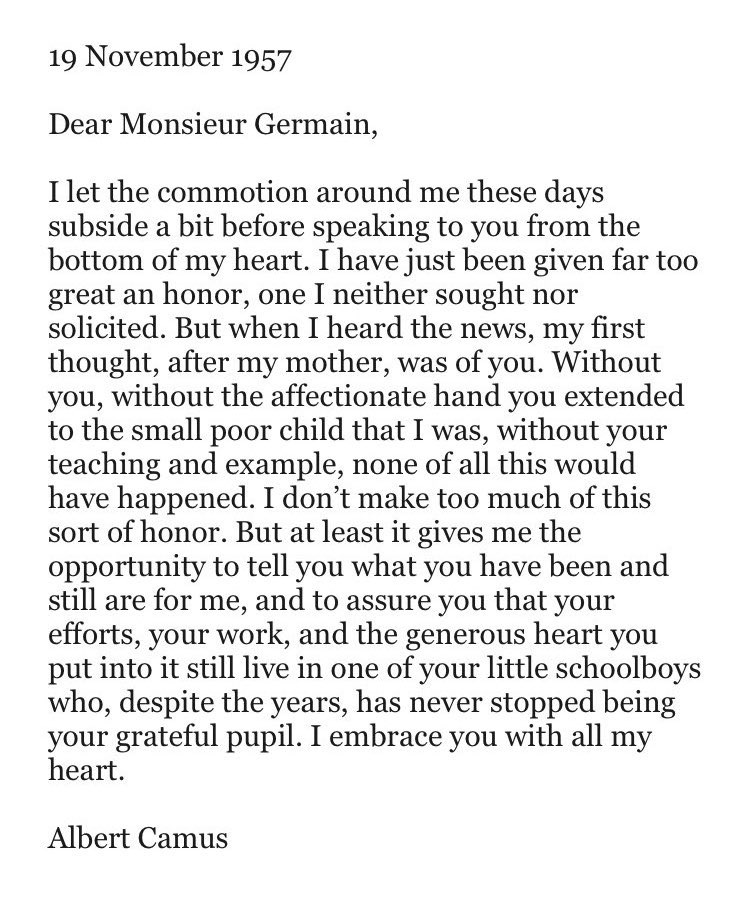
After he won the Nobel Prize in Literature in 1957, Albert Camus wrote a letter of thanks to his favorite childhood teacher, whom he'd never forgotten. It's beautiful.
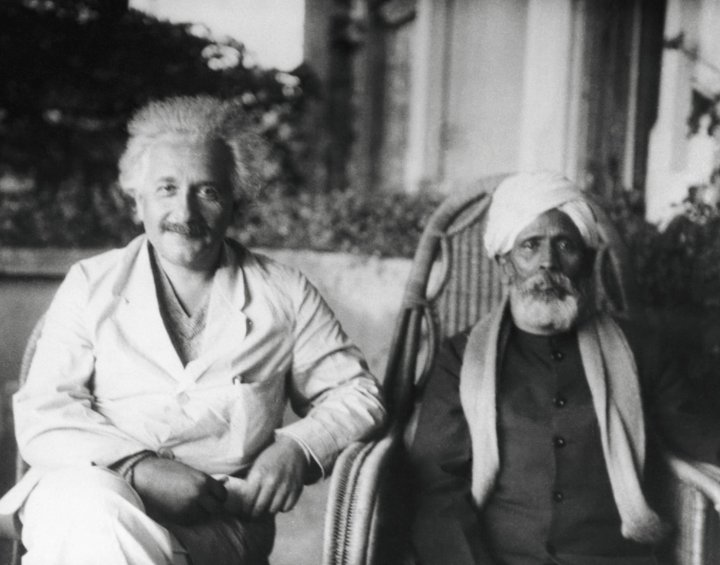
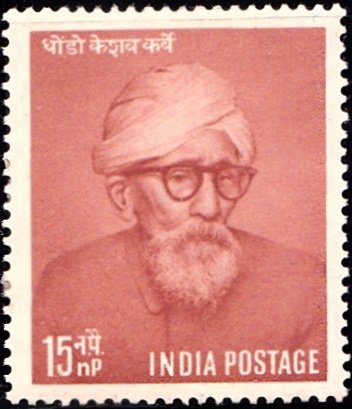
This is a photograph of Albert Einstein with an unassuming Indian man you probably haven’t heard enough about. He spent his life working on one idea: women should be able to live with dignity and make their own choices. Thread.
1/14
In the 1920s, a Stanford study quietly revealed something uncomfortable about success.
Most people still ignore it.
Later explained by Malcolm Gladwell, this wasn’t about intelligence it was about why potential gets wasted.
It began with Lewis Terman, who tracked genius-level kids (IQ 140+) for decades, expecting them to become world leaders.
They didn’t.
Some succeeded. Many stayed average. And a surprising number failed completely.
The difference wasn’t talent.
It was background.
Kids from wealthy families had opportunities. Others didn’t. Even genius couldn’t overcome that gap.
Then comes a powerful idea: “capitalization rate” how many capable people actually succeed.
And it’s shockingly low.
You see it in sports too. Many elite athletes are born early in the year. Not because they’re more talented but because they were slightly older, got picked early, and given better opportunities.
We think we’re spotting talent.
We’re often just amplifying advantage.
Same in school. Same in life.
Even in math, the real difference isn’t IQ it’s belief. Some think ability is fixed. Others believe effort creates it.
Over time, that belief wins.
That’s the truth most people miss:
Success isn’t just about talent.
It’s about opportunity, timing, and environment.
And how much potential never gets the chance to grow.
Did you know Persian is a gender-neutral language?
Possibly the only one still widely spoken this way today.
It’s the language we (Iranians) think in, which has shaped our way of thinking.
You've probably heard the story of the Three Wise Men who traveled to Bethlehem to honor the newborn Jesus (PBUH), but did you know that they established a church in Iran upon their return?
This is it: St. Mary Church in Urmia, Iran, built in the 1st century AD.
Instead of watching an hour of Netflix, watch this 2 hour hour Stanford lecture will teach you more about how LLMs like ChatGPT and Claude are built than most people working at top AI companies learn in their entire careers.
𝐓𝐫𝐞𝐚𝐬𝐨𝐧 𝟏𝟎𝟏 :
The ultimate grift: 𝐉𝐚𝐫𝐞𝐝 𝐊𝐮𝐬𝐡𝐧𝐞𝐫 brokers 'peace' in #Gaza with 𝐖𝐢𝐭𝐤𝐨𝐟𝐟 while pouring money into Israeli settlement firms.
Takes #Saudi billions to hype #Iran conflict, then joins the Iran peace talks. Meanwhile, he and #Ivanka cashed in on market manipulation via #Trump ,Daddy's tweets
US Patriots 😪😴💤
In his second administration, President Trump’s family, including his son-in-law Jared Kushner and sons Eric and Don Jr., are expanding their business ventures, earning hundreds of millions of dollars and prompting fresh concerns about influence peddling and conflicts of interest.
@ElizLanders reports.
In 2011, a psychology professor gave a legendary 1-hour masterclass on how to study effectively.
It has 20M+ views for a reason.
His frameworks:
• The 25-minute rule
• Why studying more can make you worse
• Recognition vs. recollection
12 lessons to learn faster:
🚨 Somewhere in the early 2000s, a quiet MIT lecture dropped…
No hype.
No “get rich quick.”
Just pure signal.
And almost nobody talks about it.
It’s from Jim Simons the man who didn’t just beat the market… he rewrote how it’s played.
But here’s the thing:
Most people won’t watch it.
And that’s exactly why it matters.
This isn’t a lecture about “predicting markets.”
It flips that idea completely.
Instead of asking “Where will the market go?”
He focuses on:
→ “What are the odds… and how do we exploit them repeatedly?”
Because real edge doesn’t come from being right once.
It comes from being slightly right… thousands of times.
Another uncomfortable truth he highlights:
Data is everywhere.
Edge is not.
Anyone can download datasets.
Very few can turn noise into something actionable.
The difference?
→ Structure
→ Models
→ Discipline
Not gut feeling. Not opinions.
And the biggest mindset shift?
Stop thinking like a trader.
Start thinking like a system.
The real winners aren’t glued to charts reacting every second…
They build processes that run, learn, and execute without emotion.
No flashy strategies.
No secret indicators.
Just one powerful idea:
Small advantages, compounded relentlessly, beat everything else.
If you care about markets, business, or even decision-making in general…
This is one of those rare pieces of content that recalibrates how you think.
Not instantly.
But permanently.
Save it.
Watch it when you can.
Some hours don’t feel productive while you’re in them…
This one will compound long after it’s over.
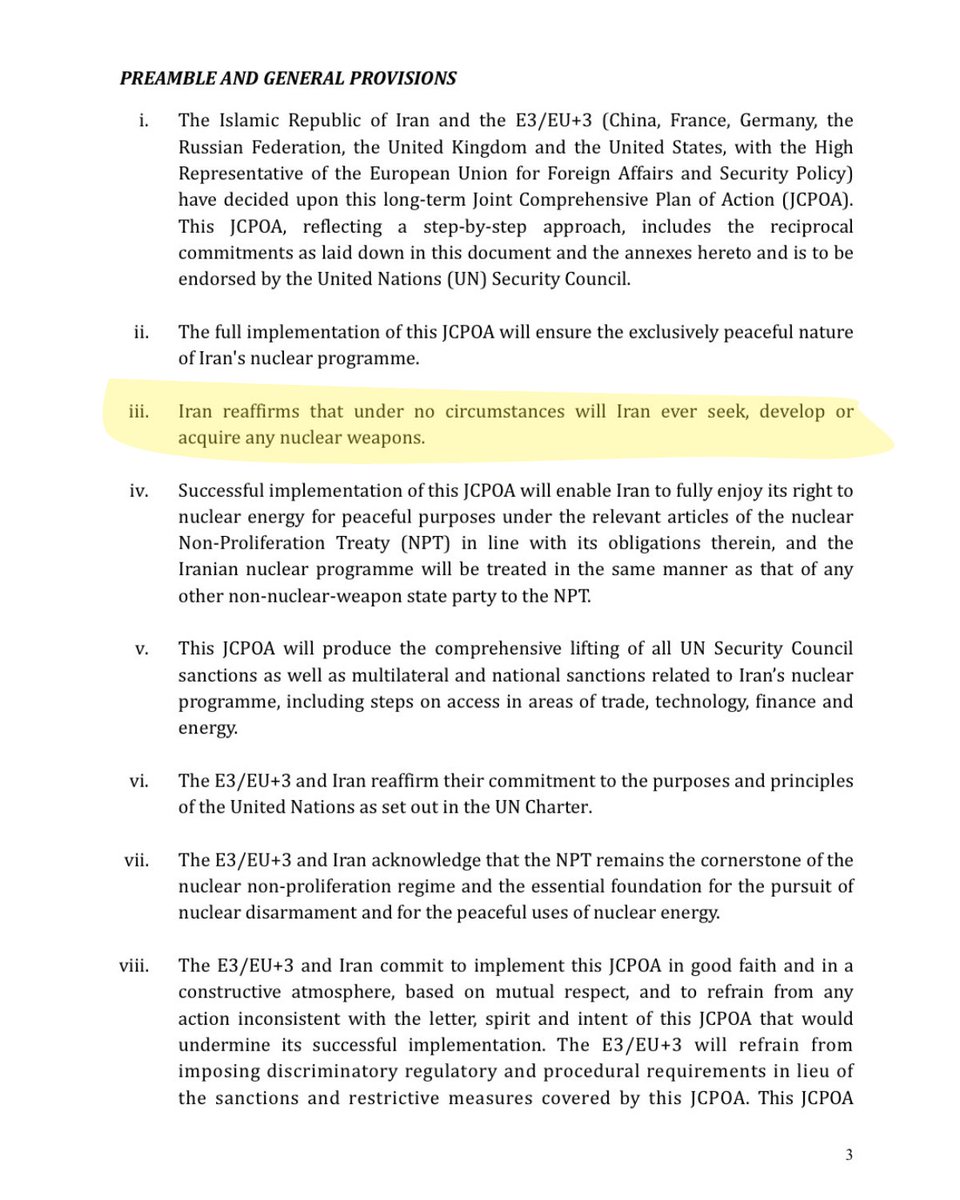
JD Vance says the goal is getting Iran to commit to not build a nuclear weapon.
It already made that commitment in 2015 under the JCPOA—a deal Trump tore up.
Now this admin has dragged the country into a pointless war to recover ground it gave away—and American families are paying the price.