Architect dedicated to the belief that beauty improves our lives. Author: Beauty, Neuroscience & Architecture, Producer: Built Beautiful, a documentary film.
"Beauty perishes in life, but is immortal in art."
- Leonardo da Vinci
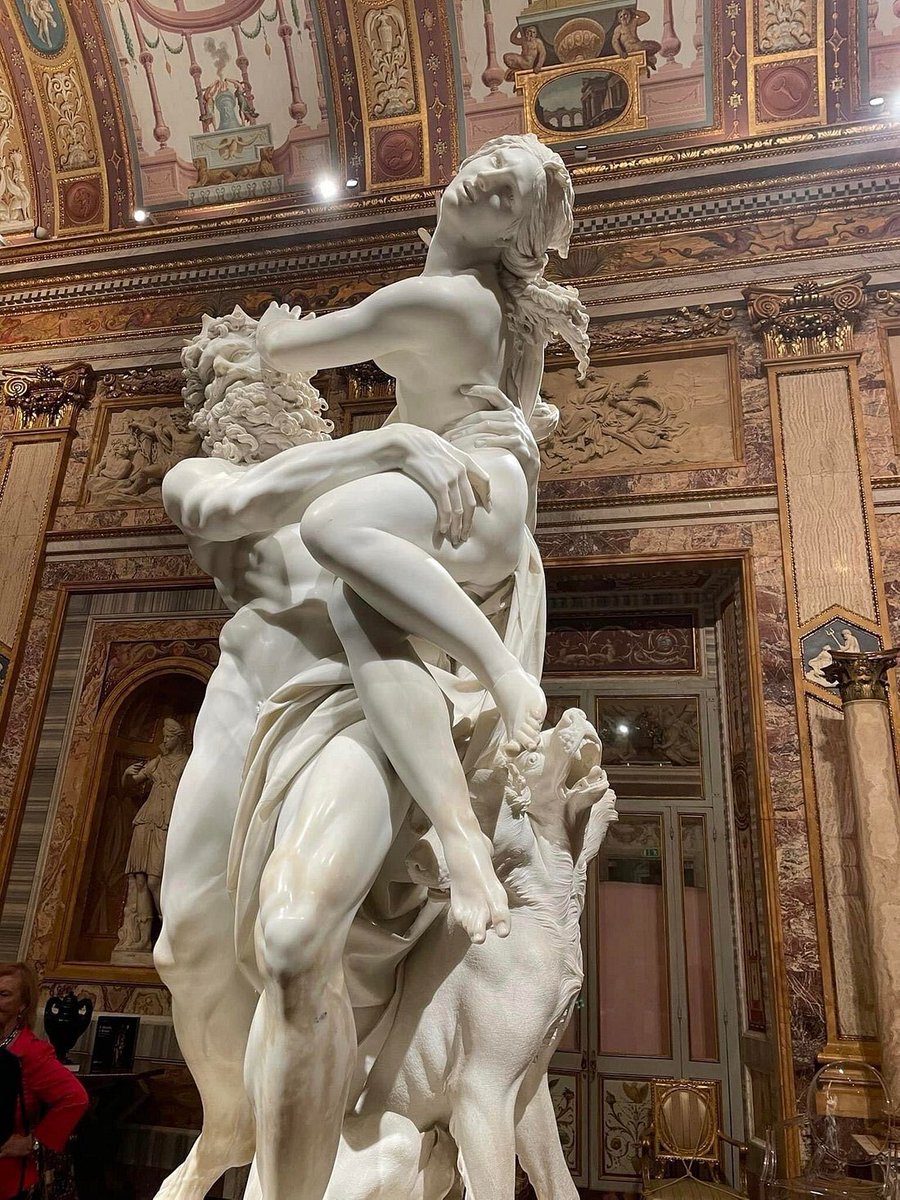
Be captivated by 24 breathtaking sculptures that redefine the meaning of beauty. 🧵
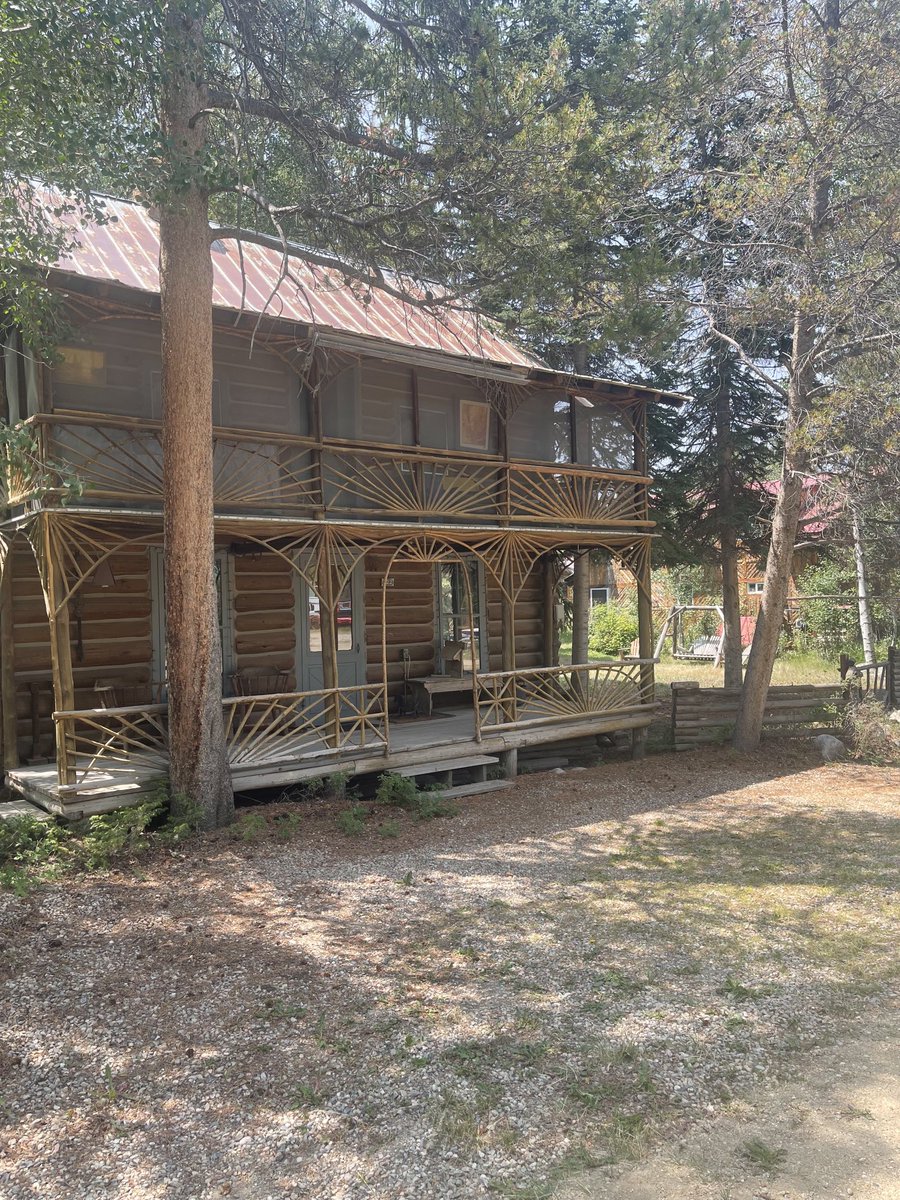
Vacationing in Colorado? Don’t miss Grand Lake. Authentic Rocky Mountain town transporting you back to the 19th century. Beauty around every turn. Fishing, hiking and boating. Something for everyone.
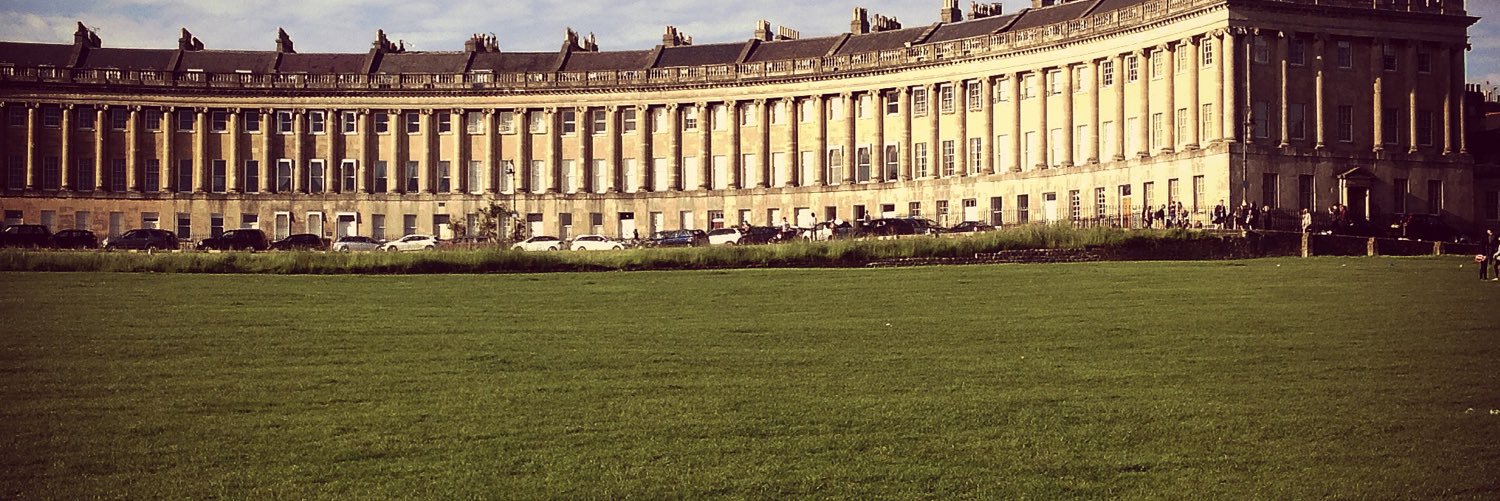
Based on our research and our work in hundreds of neighbourhoods up & down the country here are our nine top tips for individuals or community groups hoping to improve your neighbourhood.... 🥁🎺
https://t.co/lSMk9wsqZS
I'm pleased to report that I'll be giving a talk on ordinary people's preferences in architecture at a conference in Oslo, Norway in May. Other speakers include @michael_diamant, @Nir_Buras, James Stevens Curl, & Nikos Salingaros.
@bbosker Hi Bianca. Wonderful book. Congratulations! Here is something to consider: Beauty is good for your health. A beauty reaction is a parasympathetic nervous system response. Lower heart rate. Lower blood pressure. Reduced inflammation. Our nervous system seeks balance (homeostasis)
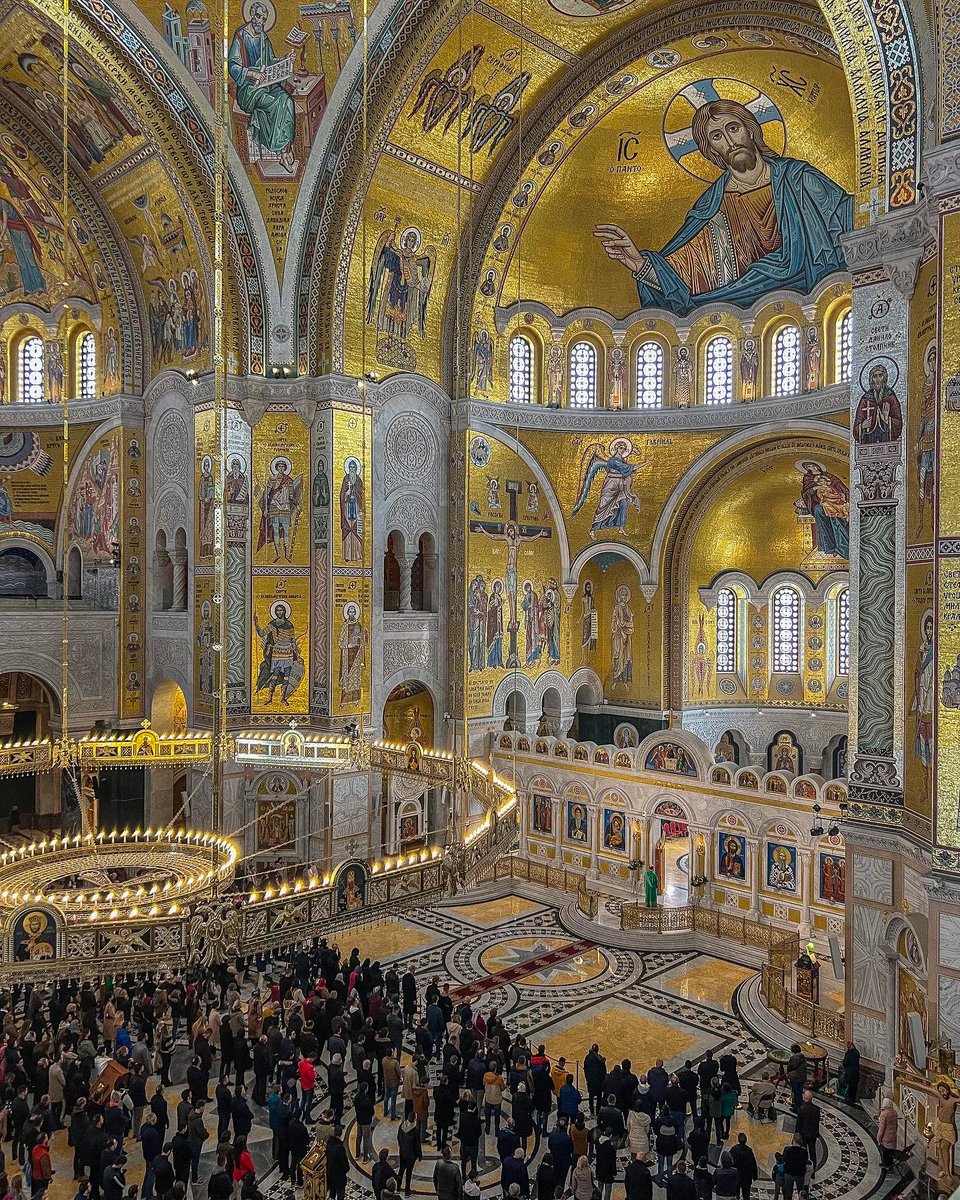
I often post wonders from the distant past. What about the churches we still build today?
These will surprise you (all built in the last 20 years)... 🧵
Our take on how #architects and designers might take account of human ##psychology and neuroscience. The Neuro-Architecture Triad: A Cheat Code for Designers | Psychology Today https://t.co/YGclVGPIQN
If you like paintings of the ocean then you'll love Ivan Aivazovsky — he was the most famous seascape artist of the 19th century.
What made him so good? Aivazovsky realised that the key to painting the sea wasn't the waves...
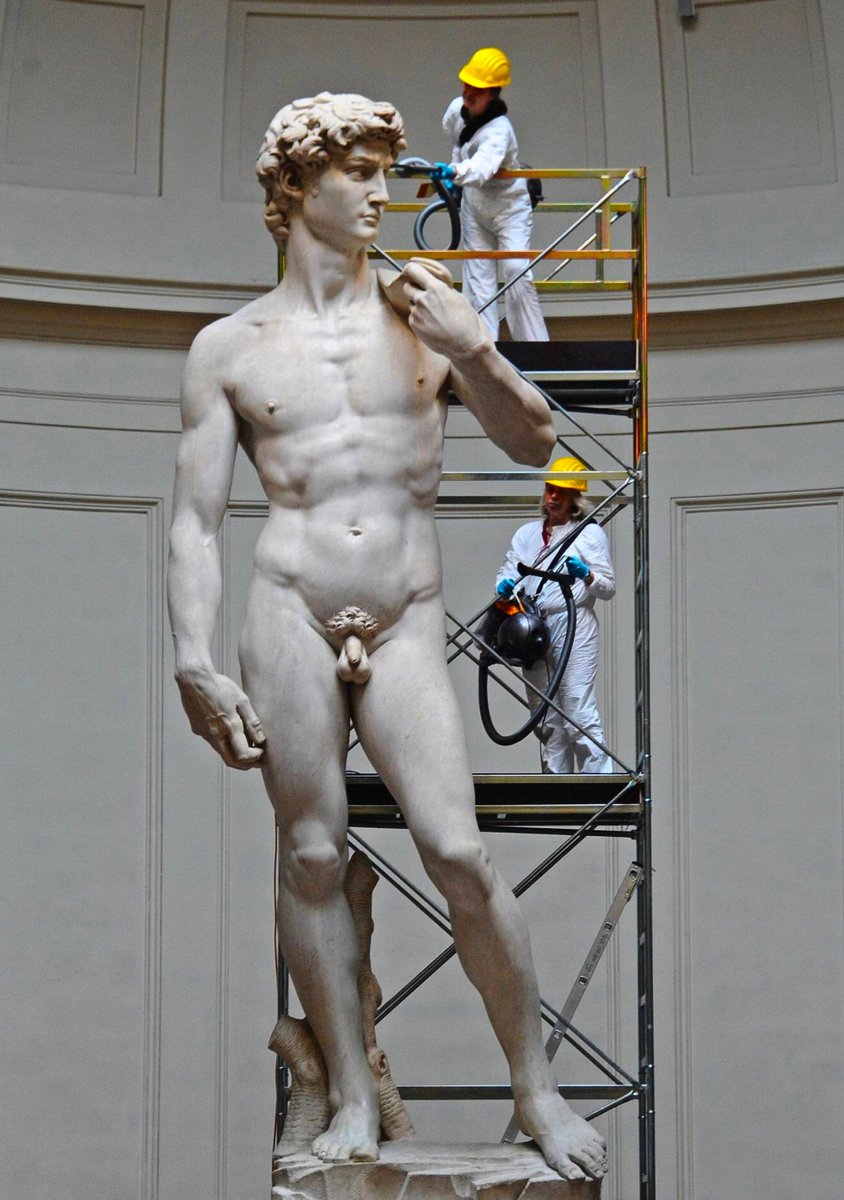
This might be the most perfect work of art ever created - yet it was carved from a rejected block of stone.
10 reasons why "David" is so astonishing:
1. The colossal figure is 17 feet tall, equivalent to a 2-story building. It was carved from one enormous block of Carrara marble.
2. The block it was hewn from was damaged. Two sculptors were tasked with the commission before Michelangelo took over, but neither could successfully work the low-quality stone provided.
3. David's form accounted for the limitations of the stone. He is slim in figure and his head is pointed to the side - because the block was too narrow for him to face forward. His contrapposto poise accounted for a hole that already existed in the marble between the legs.
4. Michelangelo was only 26 when he started it and 28 when he finished. He was already one of the finest sculptors alive at that point, having completed the "Pietà" to the total disbelief of Rome when he was 24.
5. It was originally meant to sit atop the Florence Cathedral roofline. When it was complete, it was simply too beautiful, and large, to be hoisted up there, and was instead displayed at the Palazzo della Signoria.
6. Modern studies have found it to be anatomically perfect, except for one tiny muscle missing in the back. Michelangelo, who studied anatomy scrupulously, was aware of this - he later wrote that he was limited by a defect in the marble.
7. The jugular vein in David's neck is bulging, appropriate for someone in a state of fear or excitement (as the young shepherd would have been). Michelangelo evidently knew this was a feature of the circulatory system, but medical science didn't document this discovery for another 124 years.
8. It was stylistically groundbreaking. Earlier interpretations of David, such as by Donatello and Verrocchio, depicted him victorious over the already slain Goliath. Here, he's at the precipice of battle, his intense stare and furrowed brow depicting a contemplative moment.
9. David represents the idealized male form and proportion, a common theme of Classical Greek sculpture. But Michelangelo's work is much more naturalistic, rooted in an anatomical understanding which far surpassed the Greeks. David is both a beautiful representation of the ideal, yet astonishingly lifelike - a defining achievement of the Italian Renaissance.
10. Today, around 1.5 million people visit David every year. It has lived in the Accademia Gallery in Florence now for 150 years, since it was moved inside in 1873 to protect it from the elements.
Unsurprisingly, David earned the admiration of the great Renaissance artist and historian Giorgio Vasari:
"When all was finished, it cannot be denied that this work has carried off the palm from all other statues, modern or ancient, Greek or Latin; no other artwork is equal to it in any respect, with such just proportion, beauty and excellence did Michelangelo finish it."
Such a thrill to receive this award from @Global_GWI at the @Global_GWS and even more- to be linked (however tangentially) to the extraordinary Ms. Simone Biles. https://t.co/5cPwGsx7lY