6 agent patterns for AI engineers:
(explained with usage)
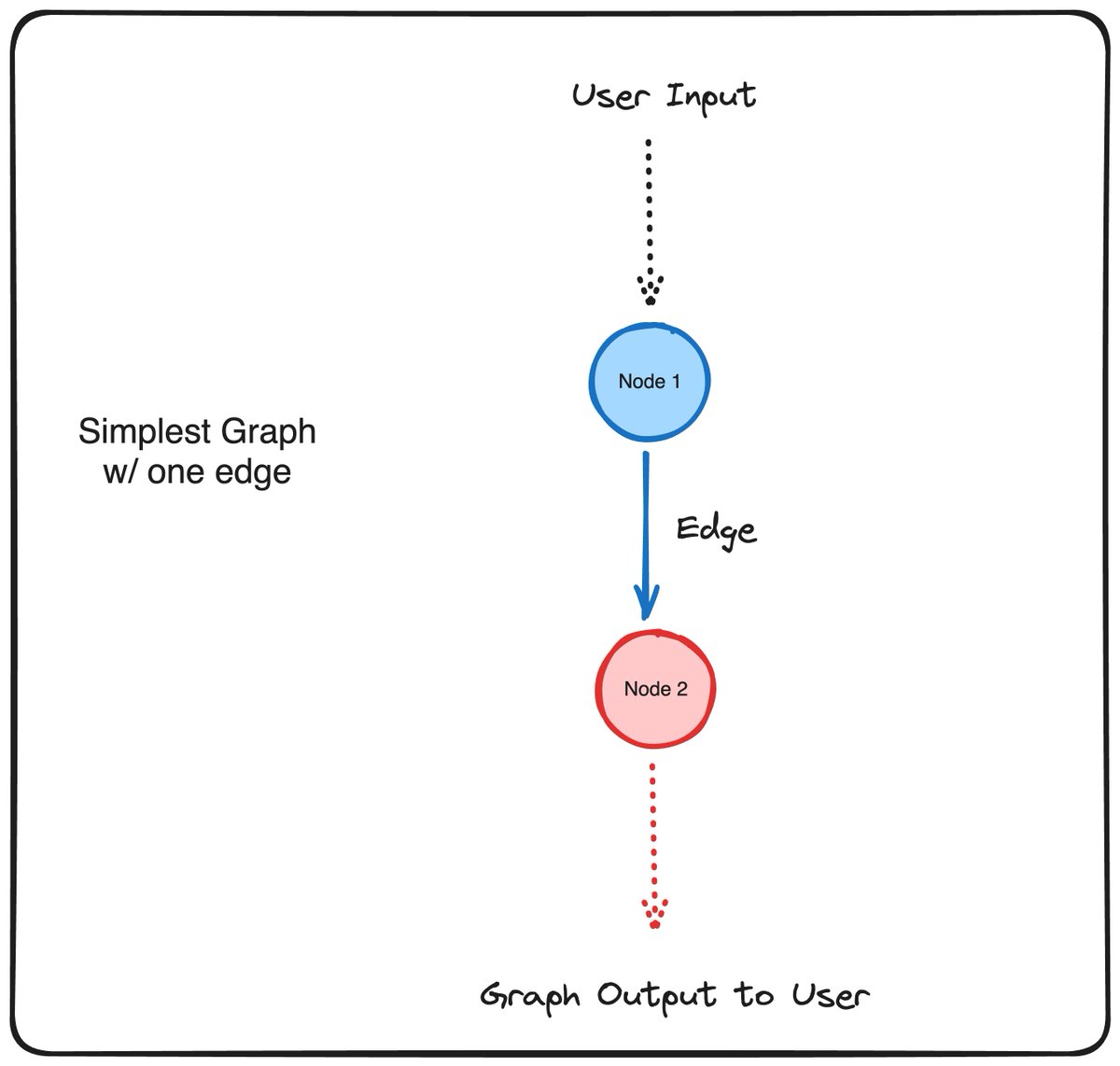
1) prompt chaining
→ split the task into fixed steps, each one checking the last.
→ use when the task decomposes cleanly and accuracy matters more than latency.
2) routing
→ classify the input first, then send it to the model or tool built for it.
→ use when inputs fall into distinct classes that need different handling.
3) parallelization
→ run several calls at once and merge them, either by splitting the work or voting on the same question.
→ use when subtasks are independent, or when one answer deserves several opinions.
4) orchestrator-workers
→ a lead model decides what the subtasks are at runtime, then delegates them.
→ use when you cannot list the steps in advance.
5) evaluator-optimizer
→ one model writes, another grades, the loop repeats until it passes.
→ use when you have clear criteria and iteration measurably helps.
6) autonomous agent
→ no fixed path. it plans, acts, reads feedback from the environment, and decides when it is done.
→ use when the steps are unknowable and you can afford the cost and the blast radius.
the first five are workflows: you wrote the path. only the last one writes its own.
most production systems people call agents are pattern 1, 2, or 5 with good error handling.
this taxonomy is from Anthropic's own writeup on building effective agents.
full breakdown in the article below.
[Vector Database] by Hand ✍️ Make Your Own 👉 https://t.co/2X1d3tFcTj
Previously I shared a Google Sheet to make custom AI by Hand ✍️ exercises for the Transformer. Thousands of people made copies of the spreadsheet. Thank you! 🙏
Encouraged, I am following up with a similar tool for Vector Database. I am trying my best to match the layout of the matrices in the original exercise I shared earlier.
To make your own custom version, simply follow the link above to create a copy of the spreadsheet. Try changing some weights, biases, words, and even the word embeddings. See how the calculation changes accordingly.
If you are teaching a course, you can hide the answers and print a copy to challenge your students! I promise this will make you really popular! 😉
Learn to optimize RAG for cost and performance in our new short course, Prompt Compression and Query Optimization, created with @MongoDB and taught by @richmondalake.
This course teaches you to combine traditional database capabilities with vector search using MongoDB for RAG. You'll learn these techniques:
- Vector search: For semantic matching of user queries
- Filtering using metadata: Pre- and post-filtering to narrow search results
- Projections: Selecting only necessary fields to minimize data returned
- Boosting: Reranking results to improve relevance
- Prompt compression: Using a small LLM to compress context, significantly reducing token count and processing costs
These methods address scaling, performance, and security challenges in large-scale RAG applications.
You can sign up here: https://t.co/Z7KwOXlx7i
🚀 Exciting News! 🚀
✨TransAgents, the cutting-edge virtual multi-agent translation company powered by advanced LLMs, is now live! 🌍
Experience our demo system at https://t.co/7h7YwNK609 and kickstart your own AI venture with LLMs today. For a limited time, we're offering free credits for trial!
also for clarity: the new voice mode hasn't shipped yet (though the text mode of GPT-4o has). what you can currently use in the app is the old version.
the new one is very much worth the wait!
Sam Altman reveals in an interview with Bill Gates (2 days ago) what's coming up in GPT-4.5 (or GPT-5):
On multimodality:
Sam predicts that the ability to incorporate speech, images, and video will be an important milestone in the next two years. He mentions that OpenAI has already launched image and audio capabilities for their current models, but he believes they can push those capabilities much further in the near future. This aligns with people's desire for AI systems that can engage with more elements of the real world beyond just text.
On reasoning:
Sam notes that GPT-4 currently has very limited reasoning abilities. So improving logical reasoning and inferencing is another key priority for the next two years. The aim will be for models to become better at analyzing prompts, synthesizing information, and drawing insightful conclusions rather than just generating speculative or untrustworthy responses. Reliability stems from better reasoning.
On reliability: The models still face some inconsistency, producing high-quality responses for some prompts but mediocre or meaningless responses for others. Sam wants to improve reliability so the system generates the best possible response across many repeated questions rather than a probability distribution of responses of varying quality.
So in essence - potential integration with other modes of information beyond text, better logic and analysis capabilities, and consistency in performance are highlighted as priorities for AI progress in Sam's view over the next two years.
https://t.co/JNdEIv5jef
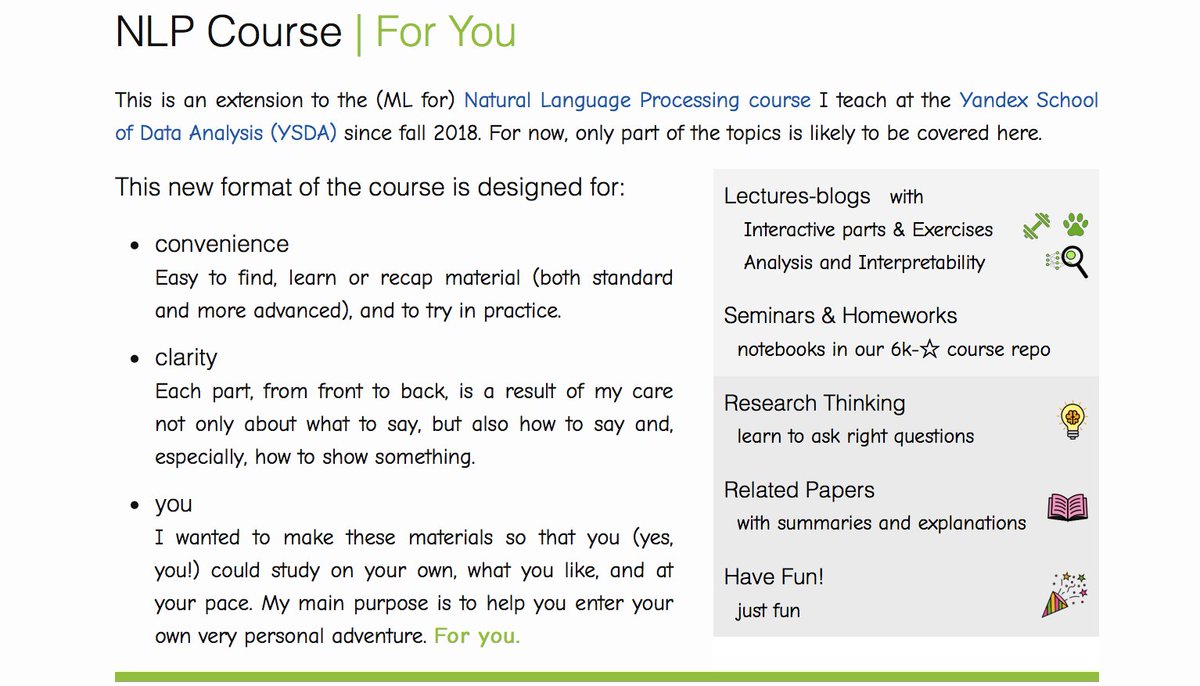
NLP Course | For You - interactive lectures-blogs, research thinking exercises and related papers with summaries. And fun!
These are not just course materials - this is something developed specially for you (yes, you!) out there.
https://t.co/HU7Txe2HMa
#NLProc#NLPCourseForYou
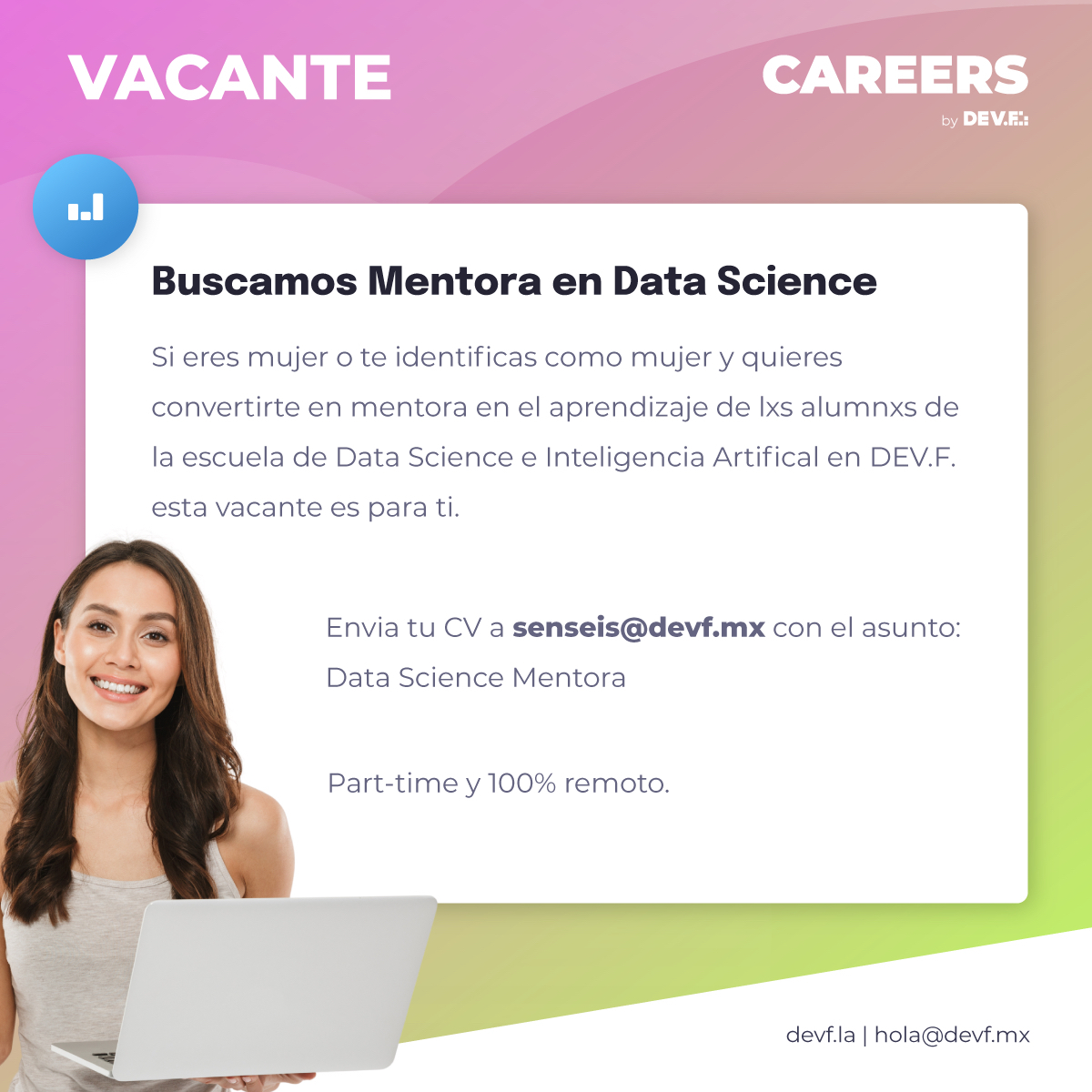
¡Hola! En @devflatam estamos buscando mentoras en ciencia de datos e inteligencia artificial. Si te apasiona compartir conocimiento, ponte en contacto con nosotros 🤓
También nos apoyarías mucho con un RT 😄🙏
#DataScience#mentoring