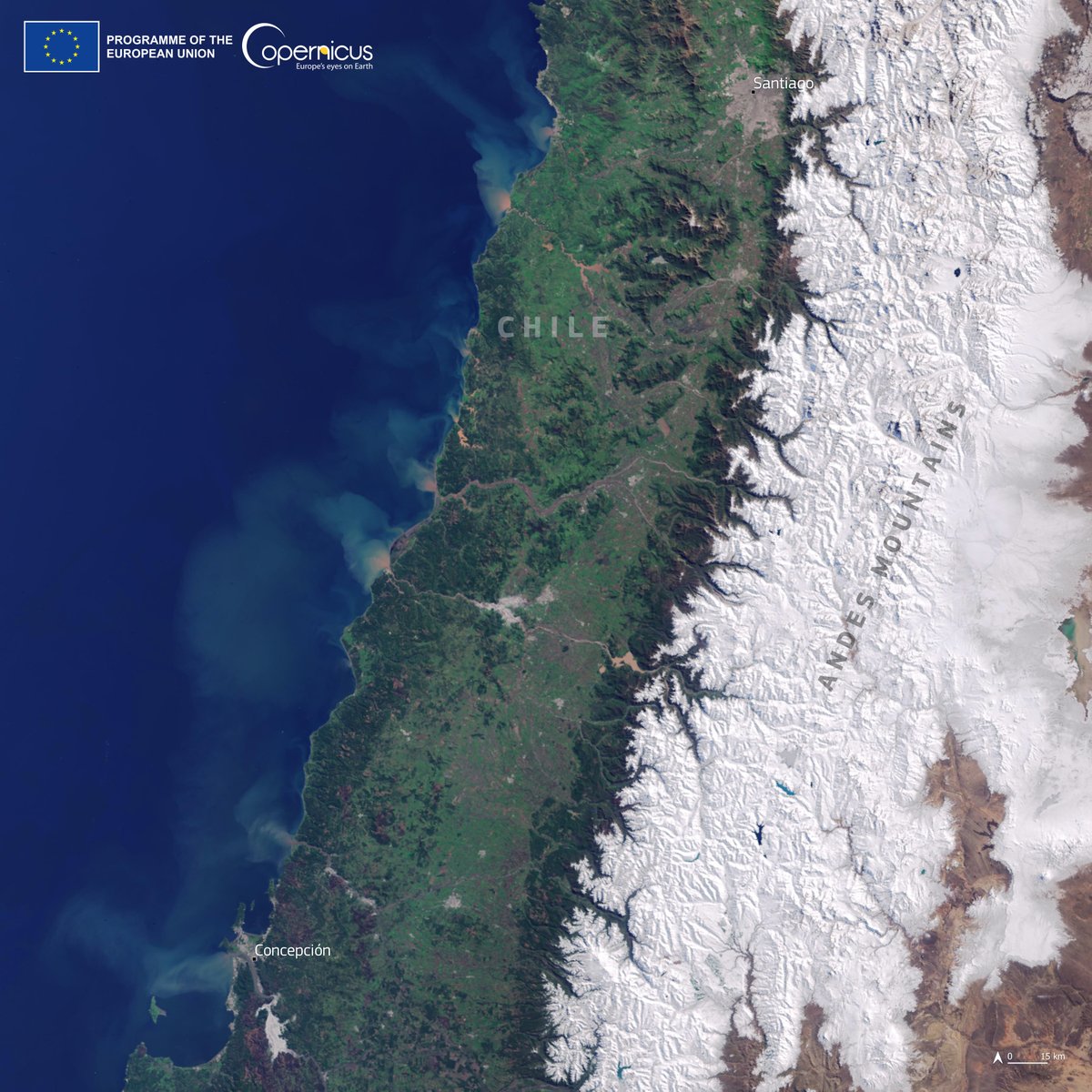
#Copernicus for #snow and #ice monitoring ❄️
Snow has been falling over the #Andes Mountains 🌨️
Fresh snow near Santiago and Concepción, #Chile 🇨🇱, as seen by #Sentinel3 🇪🇺🛰️ on 27 August ⬇️
We mark the passing of the legendary Pelé, known to many as the king of the "beautiful game." This image of a spiral galaxy in the constellation Sculptor shows the colors of Brazil.
Qualidade do ar melhorou em Santa Catarina durante a quarentena, mostra Instituto https://t.co/8EwyM6w0dr via @ND_mais_ #noticiascartograficas https://t.co/96eSe6NDa8
3D 🌋eruption plumes of Nevados de Chillán,
#Chile 🇨🇱 2020-04-10
Parallax🛰️Sentinel-2 bands offset B02 to B12
Transformed and expanding 🌍Earth's energy,
and rising to the skies 🌟... since it's Easter!
At @CopernicusEU@sentinel_hub@CopernicusLand#volcanoes#geology
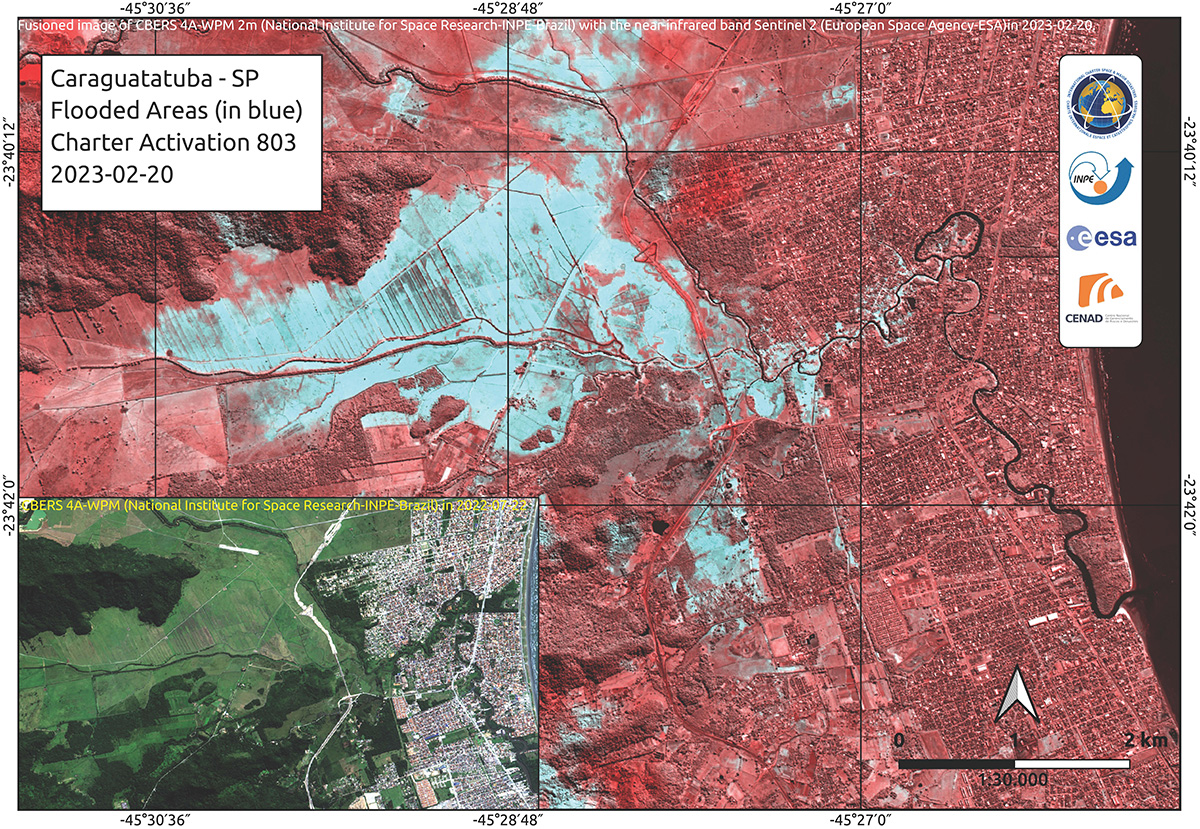
@raphaeldeque@esa@CopernicusEU@googleearth@g1 Obrigado. A ideia é fazer a população pensar sobre isso, apesar da difícil realidade que vivemos. Estimular o monitoramento e a informação também é o objetivo.
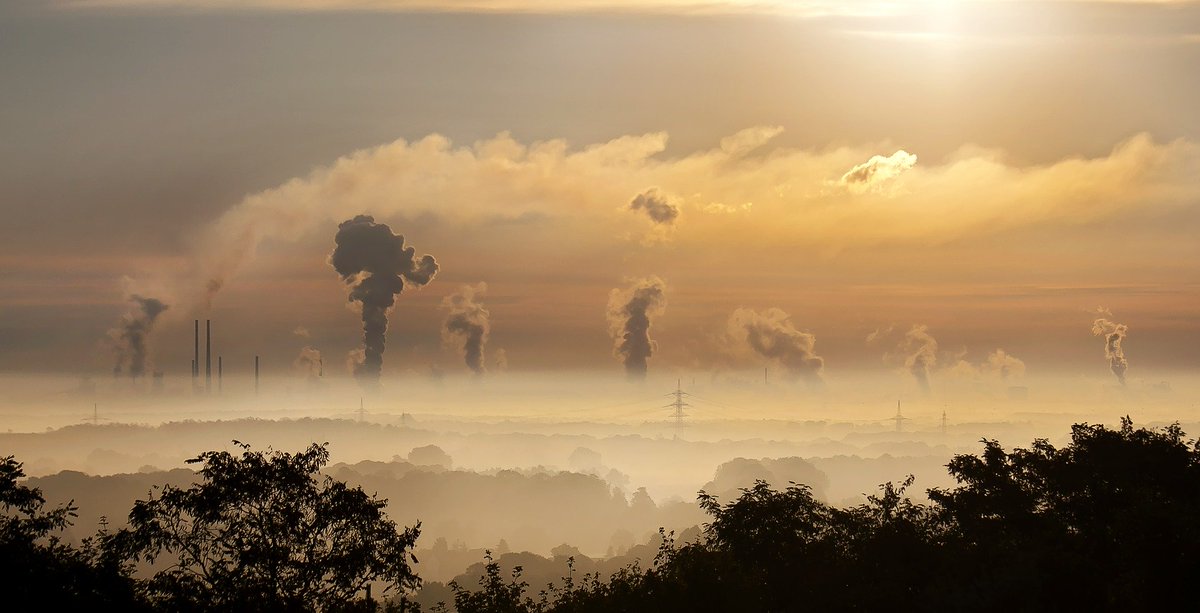
.@RUS_Copernicus webinar: Pollution Monitoring with @CopernicusEU Sentinel-5P🇪🇺🛰️.
This webinar will focus on multi-temporal evaluation of #NO2 over a study area, with #Python (xarray).
🗓️Application deadline: 15th April 20
🗓️Webinar date: 16th April 20
https://t.co/EYZdzVwjPi
The #reanalysis of atmospheric composition produced by @CopernicusECMWF Atmosphere Monitoring Service https://t.co/3z2JQM9ov5 allows us to study past events. Here we see transport of CO at 850 hPa from the Indonesian #wildfires in Sept 2015. @m_parrington@CopernicusEU
A plume of #Sahara desert dust is shown crossing the Atlantic as far as the #Caribbean over the coming days in the latest #Copernicus Atmosphere Monitoring Service (https://t.co/rhjAFYX4YJ) forecast visualized by @windyforecast. @CopernicusECMWF@ECMWF@CopernicusEU@WMO
We are preparing six new Sentinel missions for decision by our @esa member States at the Space19+ Ministerial in November. A thermal infrared mission is one among them - see some of the benefits it will bring @ESA_EO https://t.co/9lNKhsB4H7
The @Space_Station is the perfect place to view a sunset. In fact, the station orbits the Earth every 90 minutes — meaning this sunset you see is actually one of 16 the station residents see in a day. Take in the view and see where the station is flying: https://t.co/bTLMd9po4h
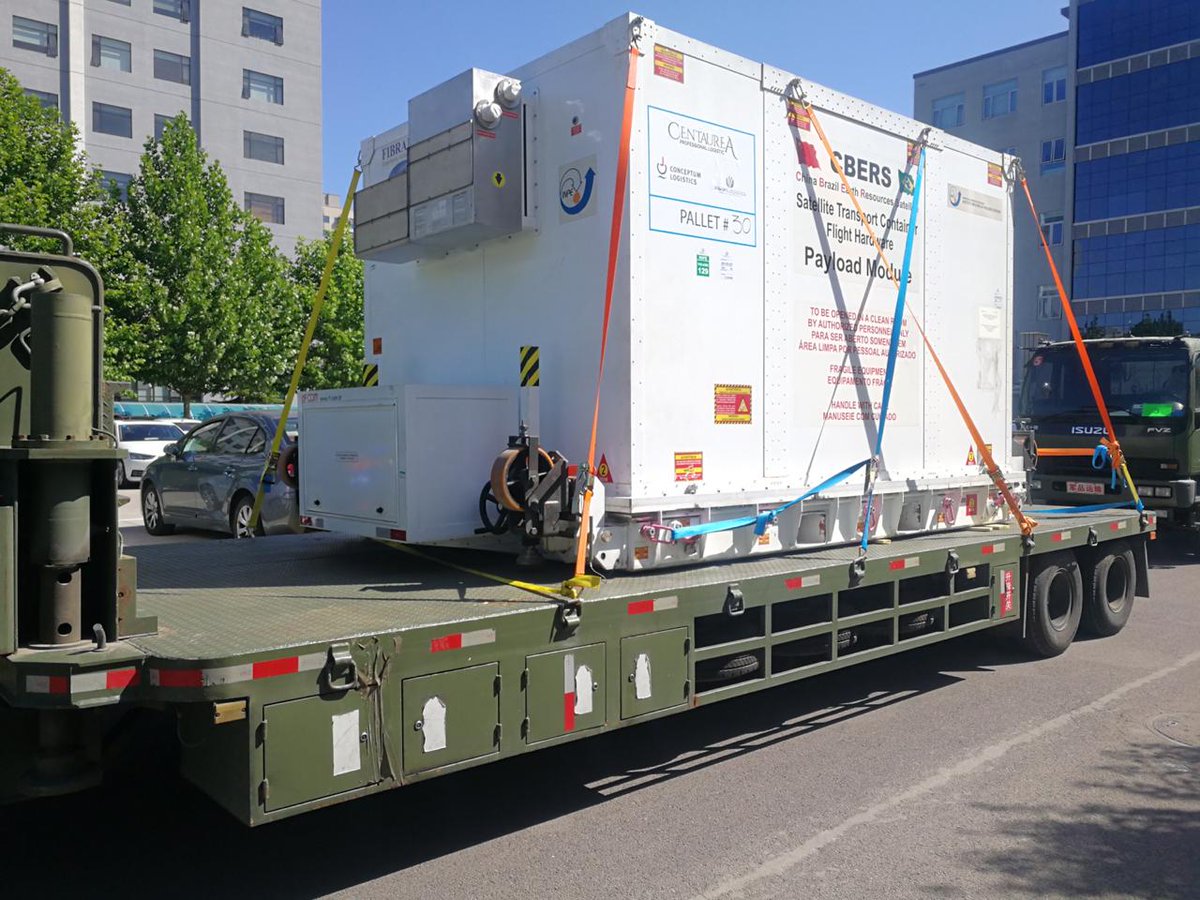
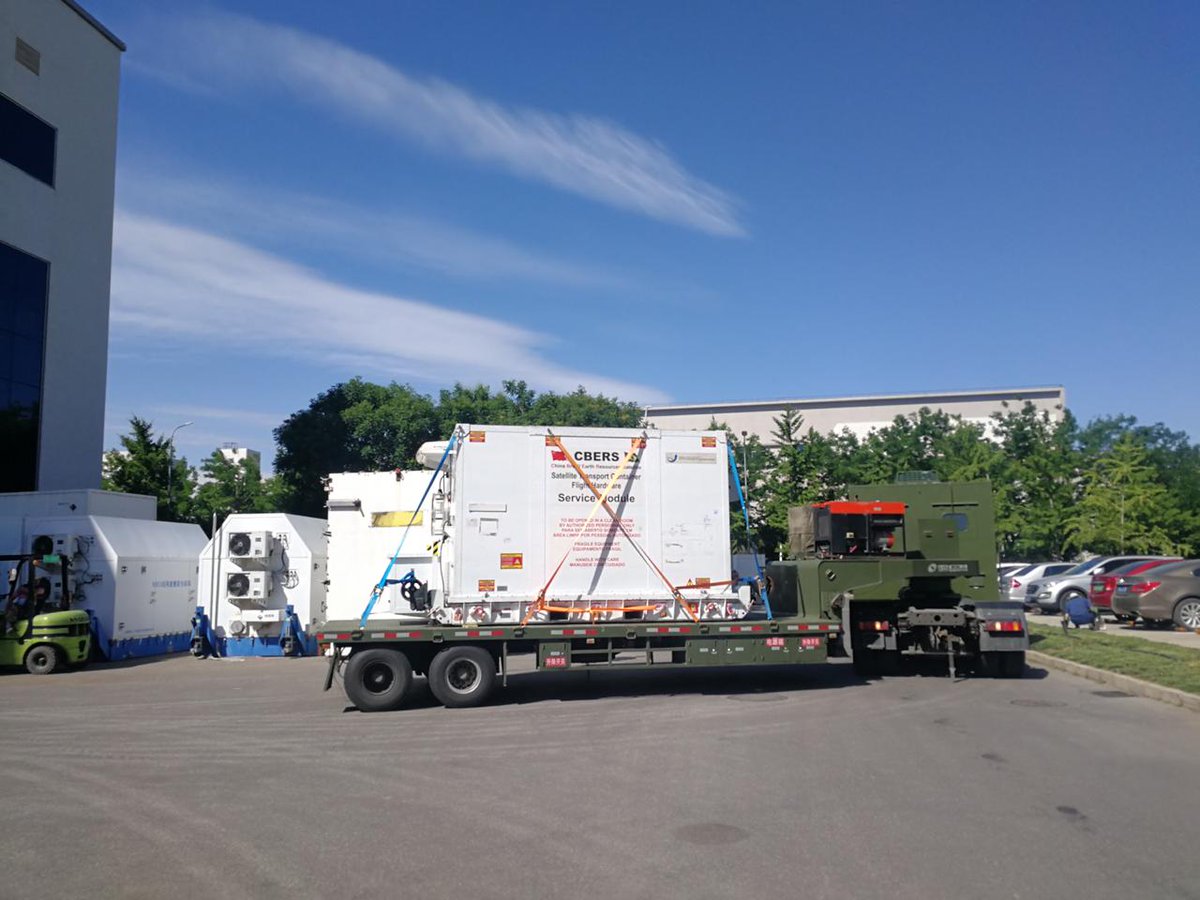
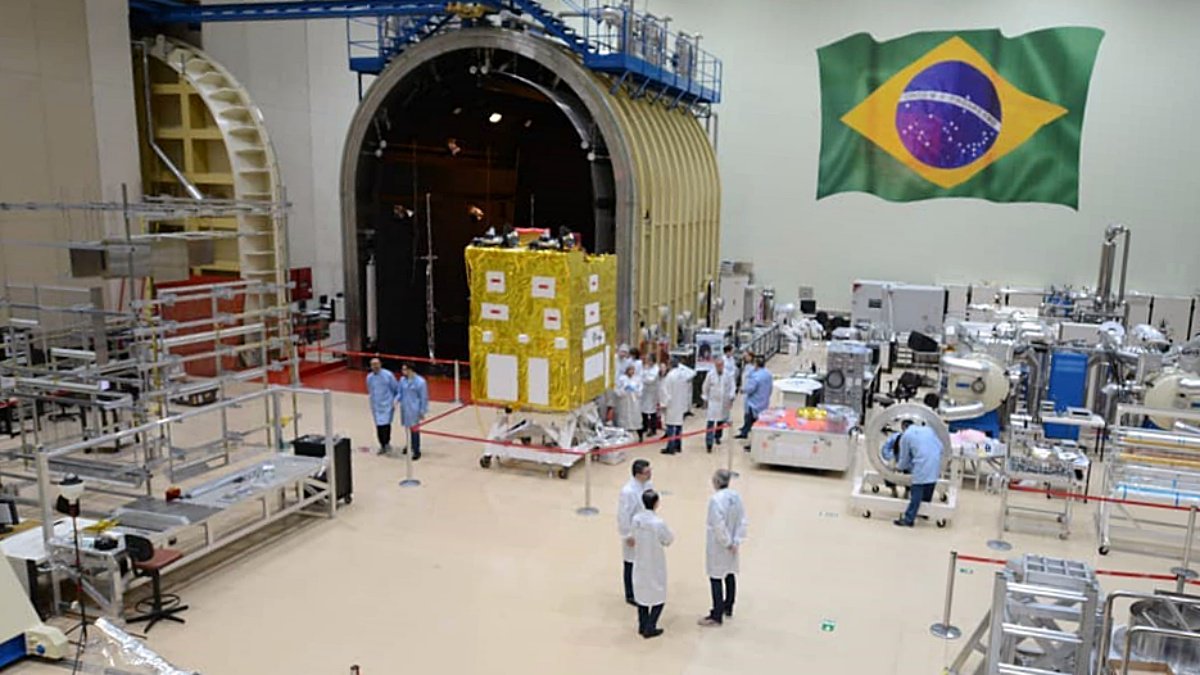
O satélite sino-brasileiro CBERS-4A já está na Academia Chinesa de Tecnologia Espacial (CAST), que é responsável por 50% do desenvolvimento do Programa CBERS, assim como o INPE.
O Programa CBERS nasceu de uma parceria inédita no setor técnico-científico espacial firmada em 1988.