From @sangerinstitute and the CEU!
Translating genetic changes into future health impact
New resource helps bridge the gap between identifying genetic changes linked to health conditions & understanding how these changes impact biological processes
🔗https://t.co/6HP1N0lA8R
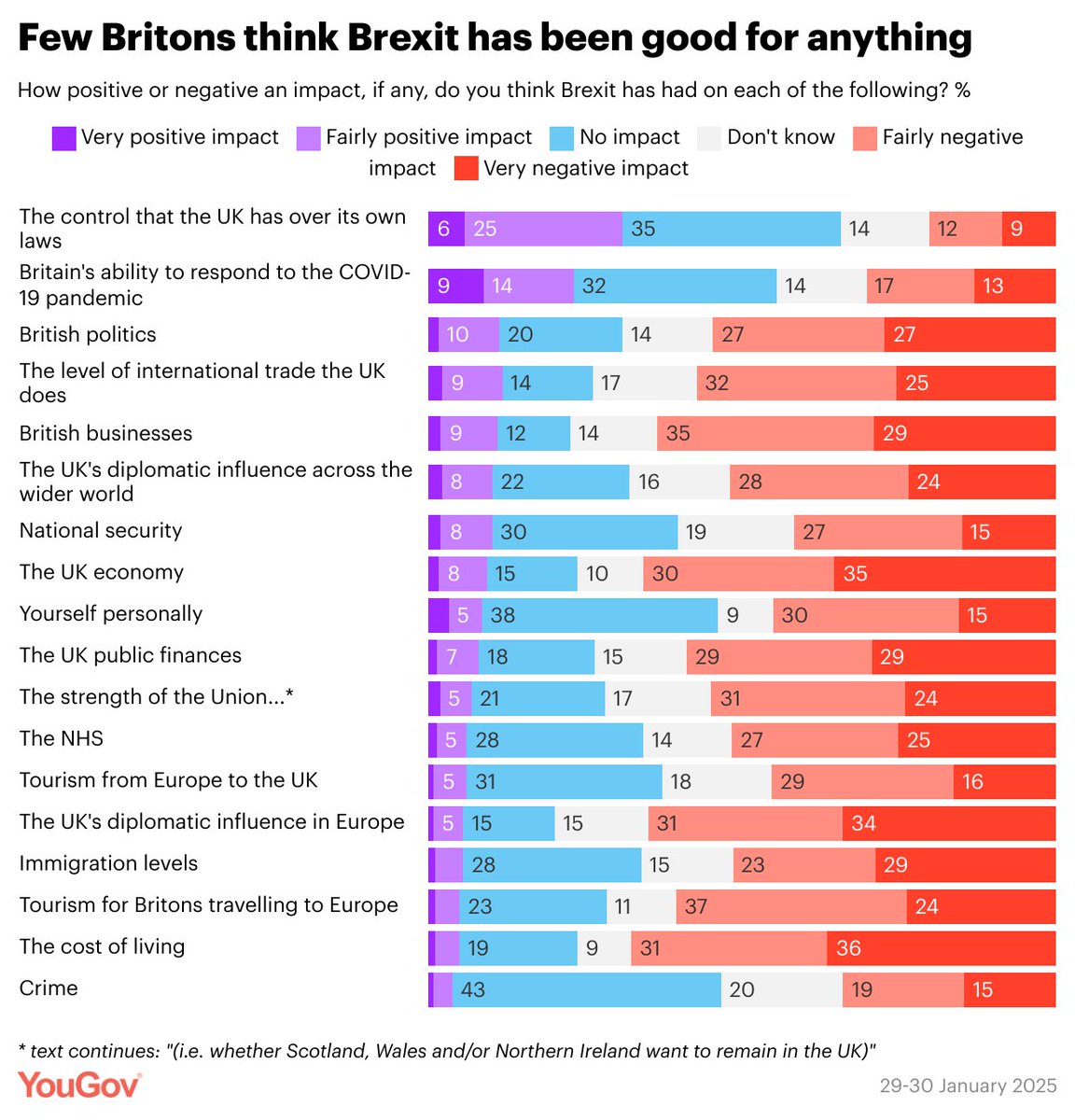
Five years on, few Britons think Brexit has been good for anything
% saying Brexit has had a positive impact on...
Control the UK has over its laws: 31%
UK's ability to respond to COVID-19: 23%
British politics: 12%
UK's level of international trade: 11%
British businesses: 11%
UK diplomatic influence in the wider world: 10%
National security: 10%
The economy: 10%
Yourself personally: 8%
Public finances: 8%
Strength of the Union: 7%
NHS: 6%
Tourism from Europe > UK: 6%
UK diplomatic influence in Europe: 6%
Immigration levels: 6%
Tourism for Britons > Europe: 5%
Cost of living: 5%
Crime: 4%
https://t.co/G8tgUQYw1u
📣Excited to share our paper in @NatureGenet!
https://t.co/jUbE3DtK60
Do plasma proteins mediate obesity’s effect on CAD risk?
→Using two-step proteome-wide MR, domain-aware MR, epigenomics & scRNA-seq, we prioritized endotrophin as a mediator & potential therapeutic target
A 🧵
Today we’re launching the world’s most comprehensive study of proteins circulating in our bodies, which will transform research into new medical tests, drugs and treatments.
Discover more: https://t.co/o8t2yuknLv
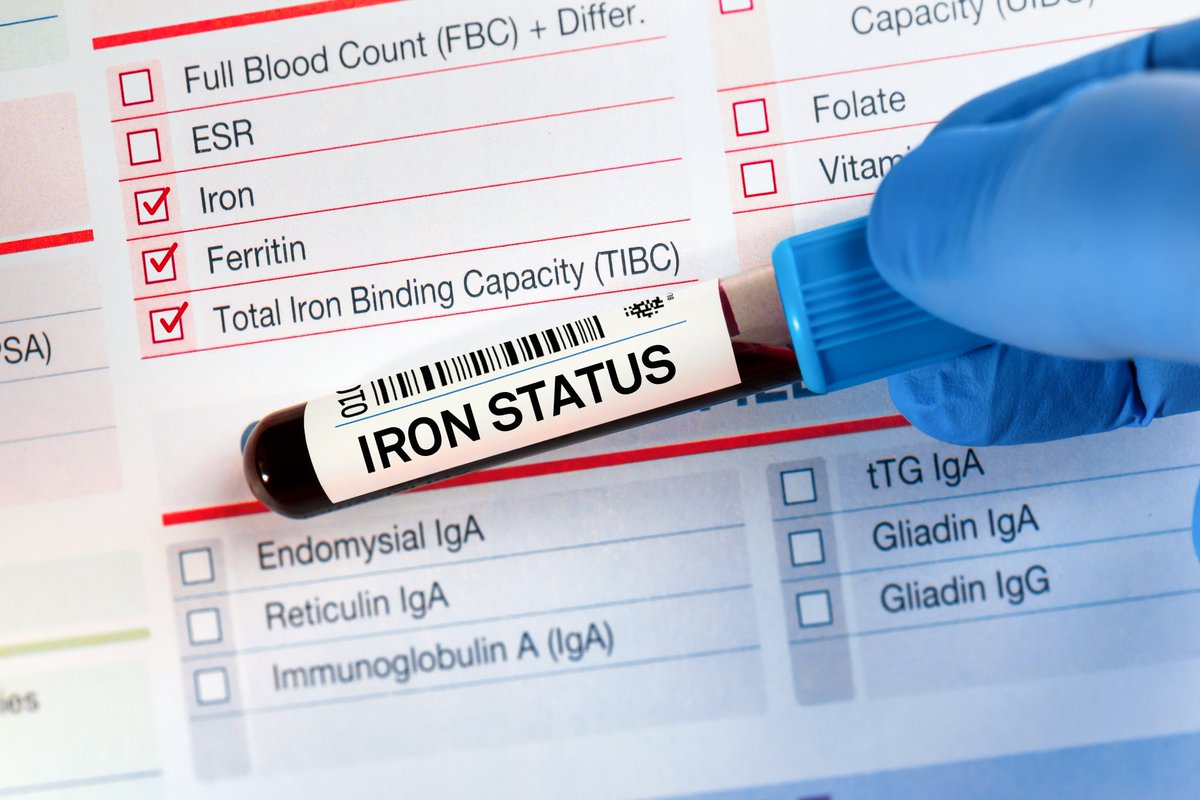
Can genetics affect our iron levels and what impact can this have on our health?
@eliasallara and colleagues explored how the body controls iron and highlight how having too much or too little can negatively impact health
Read more here 👉 https://t.co/BtKzB2wi5M
Dr. @dirk_paul's study on cell type-specific roles in cardiovascular disease highlights the critical insights made possible by us.
Find out about more researcher stories and our involvement: https://t.co/Y5qmWZTxBg
Million Veteran Program & FinnGen teams are pleased to release v1 meta-analysis of MVP, FinnGen and UKBB GWAS data. This first version includes ~300 binary disease definitions across >1.5 M individuals. Browse scans at:
https://t.co/uXf5QBFrCs
Last autumn FinnGen hit its target of sampling close to 10% of the Finnish population with more than 500,000 participants. We are happy to announce that the results based on the full cohort are now publicly available for the whole research community:
https://t.co/c6lTge4h4t
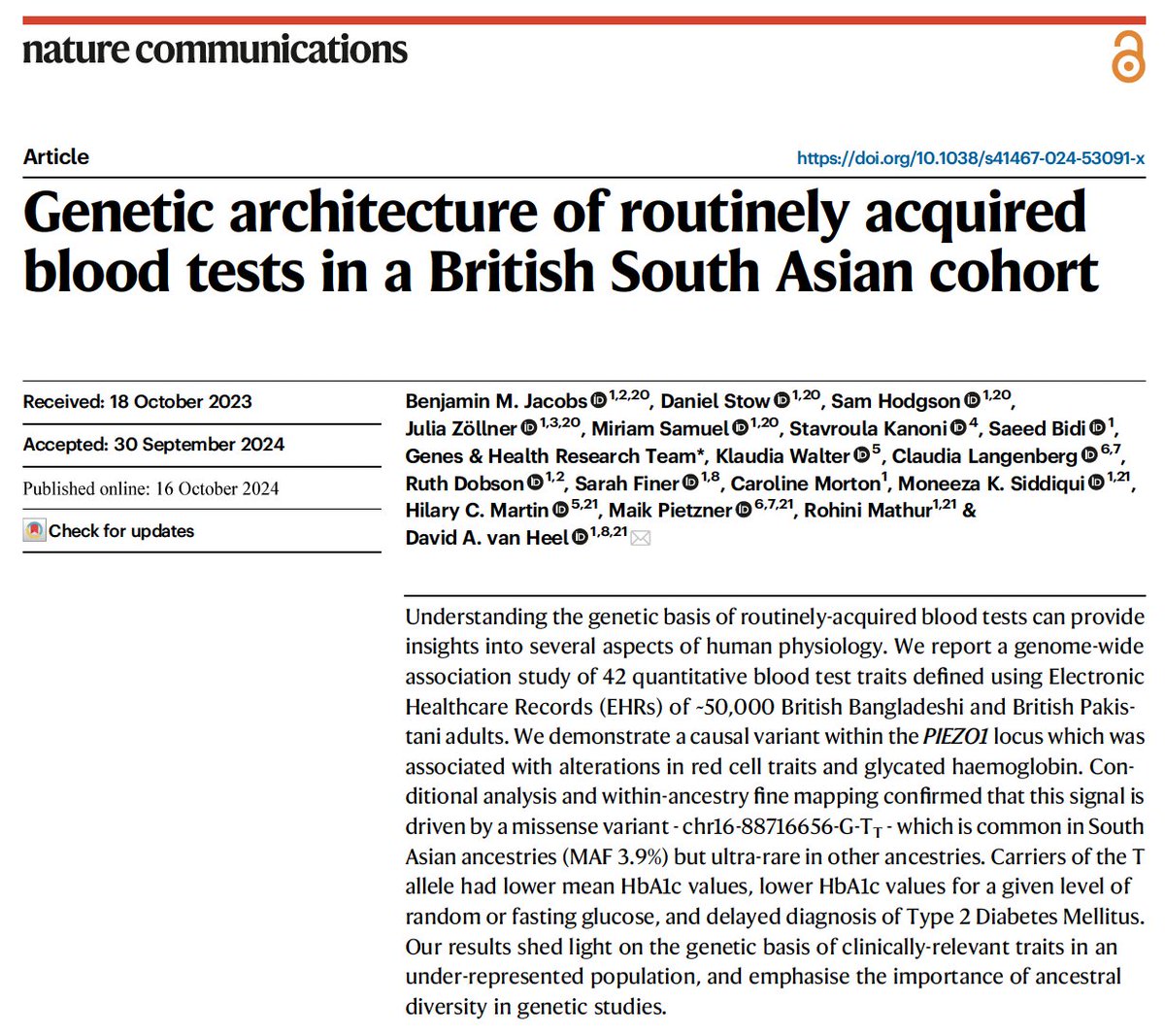
Among British S Asians (individuals ancestrally from Bangladesh & Pakistan living in East London), a missense variant in PIEZO1 (MAF 3.9%, but very rare in non-SAS) leads to lower HgA1c & thus delayed T2D diagnosis https://t.co/uKseMFcwLG @NatureComms
Want to use a cardiovascular disease🫀risk score for primary prevention, but unsure which is the best for your population?🧐
Our work compares CVD risk scores & provides a framework for selecting the most appropriate score.
Just out in @LancetGH!👀⬇️
https://t.co/cJB1IE9JYi
Out today in @NatureGenet!
Important new updates to the Polygenic Score (PGS) Catalog, & a new software tool that simplifies the calculation of polygenic scores in the context of genetic ancestry
👉 https://t.co/0OR1Lw7m0Z
@iamslambert @minouye271 @sritchie73@Florent_Yvon
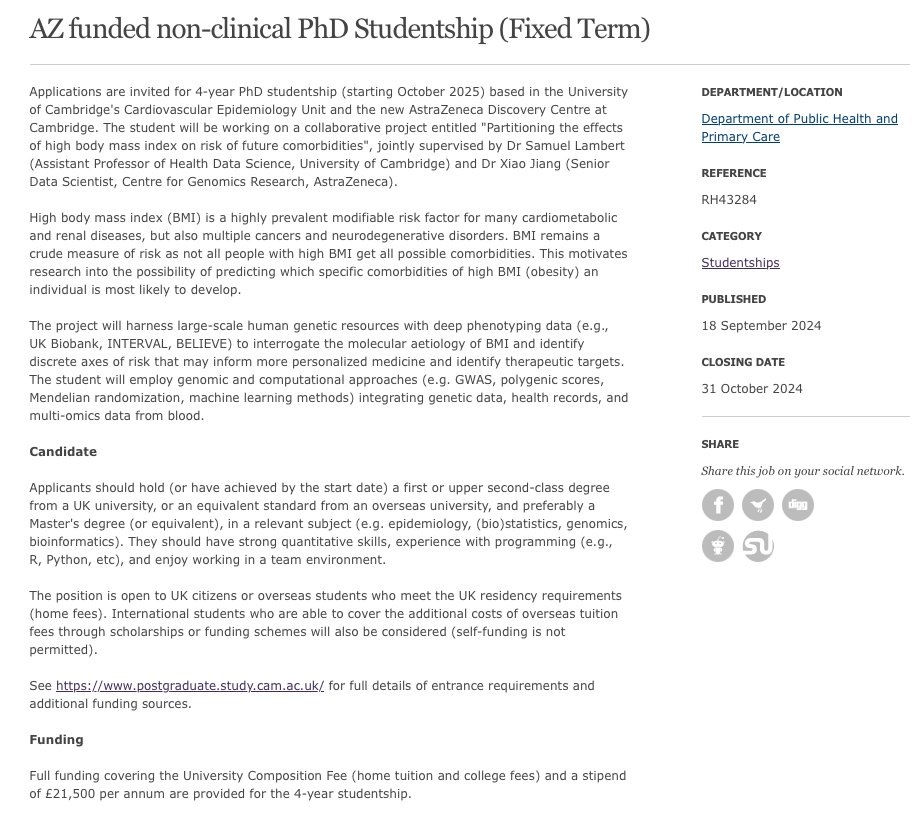
There is a huge need to understand how BMI affects long term multiple long terms diseases. This PhD is jointly with the University of Cambridge and AstraZeneca.
New research in Nature Genetics introduces MILTON, a cutting-edge machine-learning research tool that accelerates drug targets and biomarkers discovery, with potential to redefine the landscape of preventative health care: https://t.co/u98LTpRVso
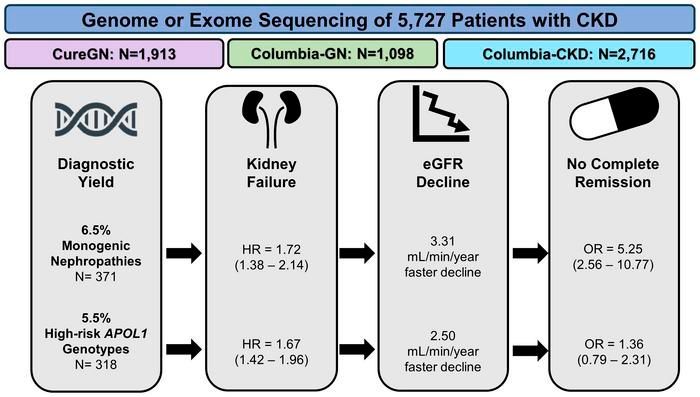
ASCI members Krzysztof Kiryluk @kirylukk and Ali G. Gharavi @Columbia evaluate 3 cohorts and find monogenic kidney disorders are associated with an increased risk of kidney failure, higher eGFR decline rate, and lower rates of complete remission: https://t.co/gnOb6W23mp