Success is largely the failures you avoid.
Health is the injuries you don't sustain.
Wealth is the purchases you don't make.
Happiness is the objects you don't desire.
Peace of mind is the arguments you don't engage.
Avoid the bad to protect the good.
Every cycle end the Fed policy progresses in the same fashion:
1. We are overheating: hike!
2. Stocks aren’t the economy, stay the course.
3. Stocks Are the economy. We’re watching the market closely.
4. Numbers are mixed: pause and resume.
5. Just one cut.
6. Low for longer.
China’s Companies Have Unseen Foreign Debt That's Maturing Fast “On top of $2 trillion in liabilities to foreigners...mainland Chinese firms have around another $650 billion in debts built up by subsidiaries overseas...$63 billion due in H1 2020 alone” WOW https://t.co/FguK1tFNST
1) I've gone through the daily data of the relevant UST spread (10Year minus 3Month).
Research papers on this subject state that fleeting inversions (lasting a few days) are irrelevant + not a valid signal.
So, I've only counted inversions which persisted for an entire month.
liquidity is about to get so low, the Fed may need to launch QE in Q4 according to BofA. In 2008 the catalyst was Lehman and a market crash. Now it's currency war (and a market crash?)
https://t.co/nhJ5tDCrWc
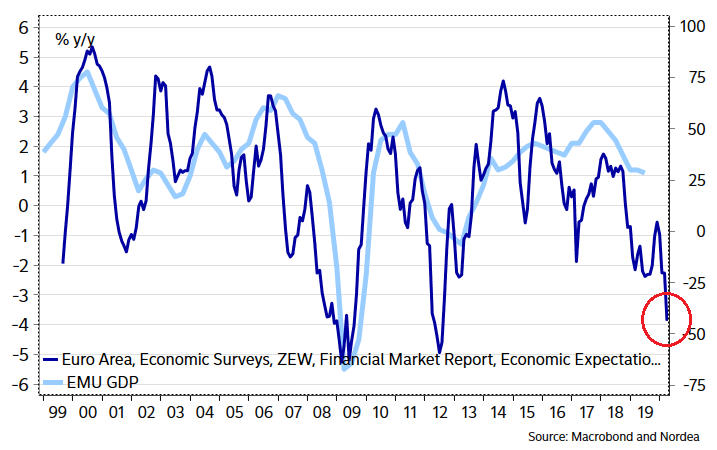
It's not like Singapore's condition is in isolation. It is consistent with data spread across the rest of the world. Like European industrial production.
Globally synchronized, just not growth.
https://t.co/6Z5xiPsOSu
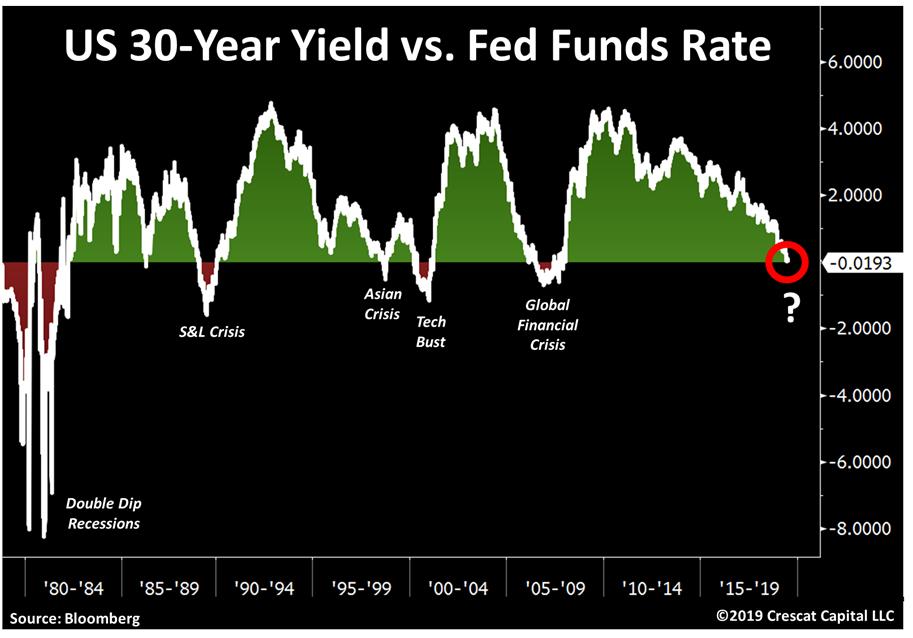
It’s official. US 30-year yield just inverted vs. the Fed funds rate!
Same warning ahead of the GFC, tech bust, Asian crisis, S&L crisis, and 1980’s double dip recessions.
The only false signal, 1986.
We now have the entire US Treasury curve below the Fed overnight rate.
Only one positive reason to hold equities say @bcaresearch. And the rate cut could also be negative, as some would argue (as per last two recessions).
So basically zero reasons to buy equities. Has the recession started already? If so, someone needs to tell the market.
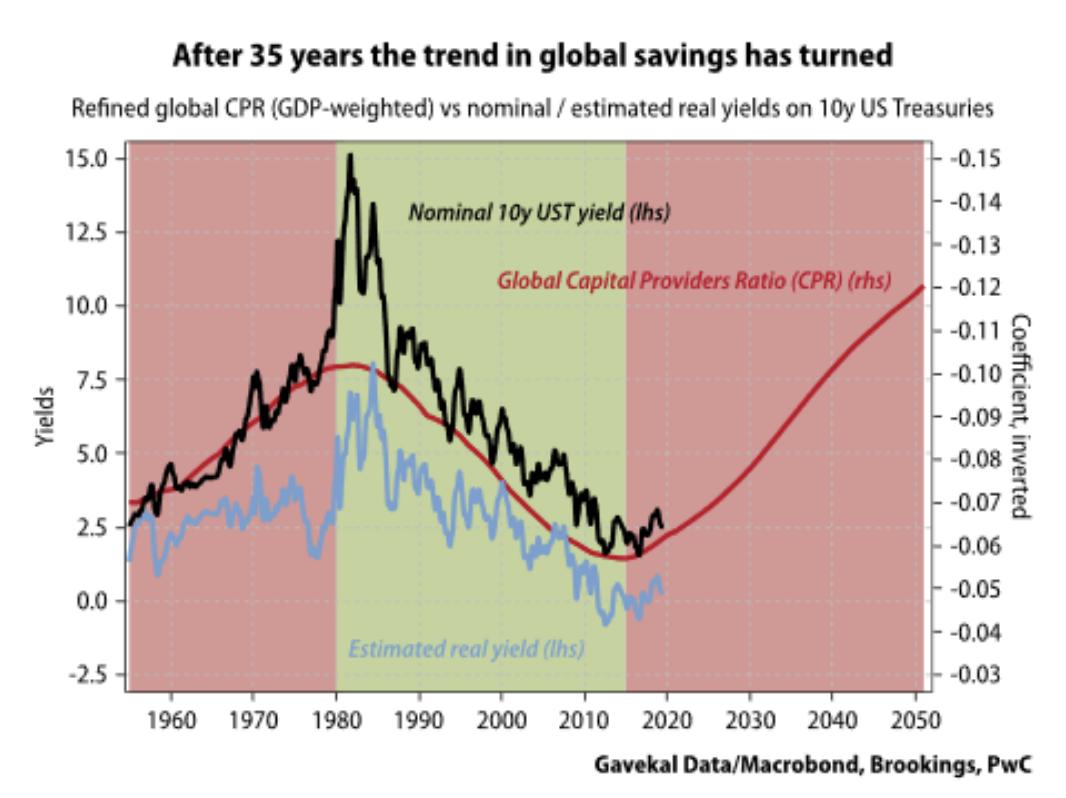
'The world is now entering a new “dis-saving” phase, as the baby boomers start to live off their past contributions into 401(k), pension plans and the like. History suggests this phase is likely to be inflationary.' https://t.co/i3ux3pqgLv by @louis_gave