It’s been a long time coming.
In the coming months, I'll be stepping down from my role in PocketMine-MP, and moving on from Minecraft.
Read more here: https://t.co/Vt9ZexnkUP
NASA HAS RELEASED OVER 12,000 IMAGES OF THE ARTEMIS II MISSION.
Unbelievable perspectives captured by the Crew! The aurora on the eclipse is incredible.
@MarcusHouse I can't believe they showed the flight 1 pad destruction like that. I couldn't stop laughing at the audacity, I know it's kinda on-brand for them but this just blew my mind
@Erdayastronaut Sorry, I should've been more clear. The remaining dV for HLS after it reaches LLO says 500, but by my math it should be 900. Timestamp 1:17
@yingzhangphoto The cast parts have the layer lines more visible, imprint left by less precise printing of wax forms to cast the part in. This one one of em. The actual additive parts have much more imperceptible layer lines
Please keep these photos coming these are spectacular
Only one chance in this lifetime…
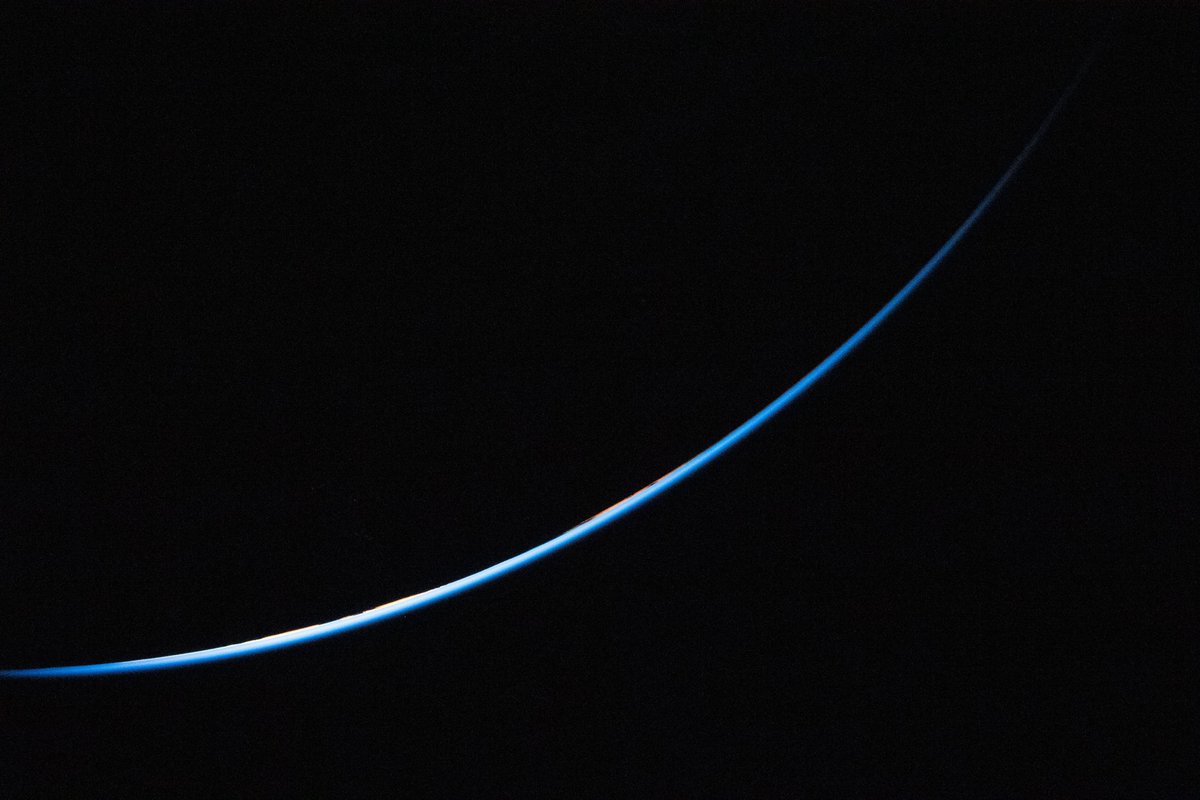
Like watching sunset at the beach from the most foreign seat in the cosmos, I couldn’t resist a cell phone video of Earthset. You can hear the shutter on the Nikon as @Astro_Christina is hammering away on 3-shot brackets and capturing those exceptional Earthset photos through the 400mm lens. @AstroVicGlover was in window 3 watching with @Astro_Jeremy next to him.
I could barely see the Moon through the docking hatch window but the iPhone was the perfect size to catch the view…this is uncropped, uncut with 8x zoom which is quite comparable to the view of the human eye. Enjoy.
Sky full of stars.
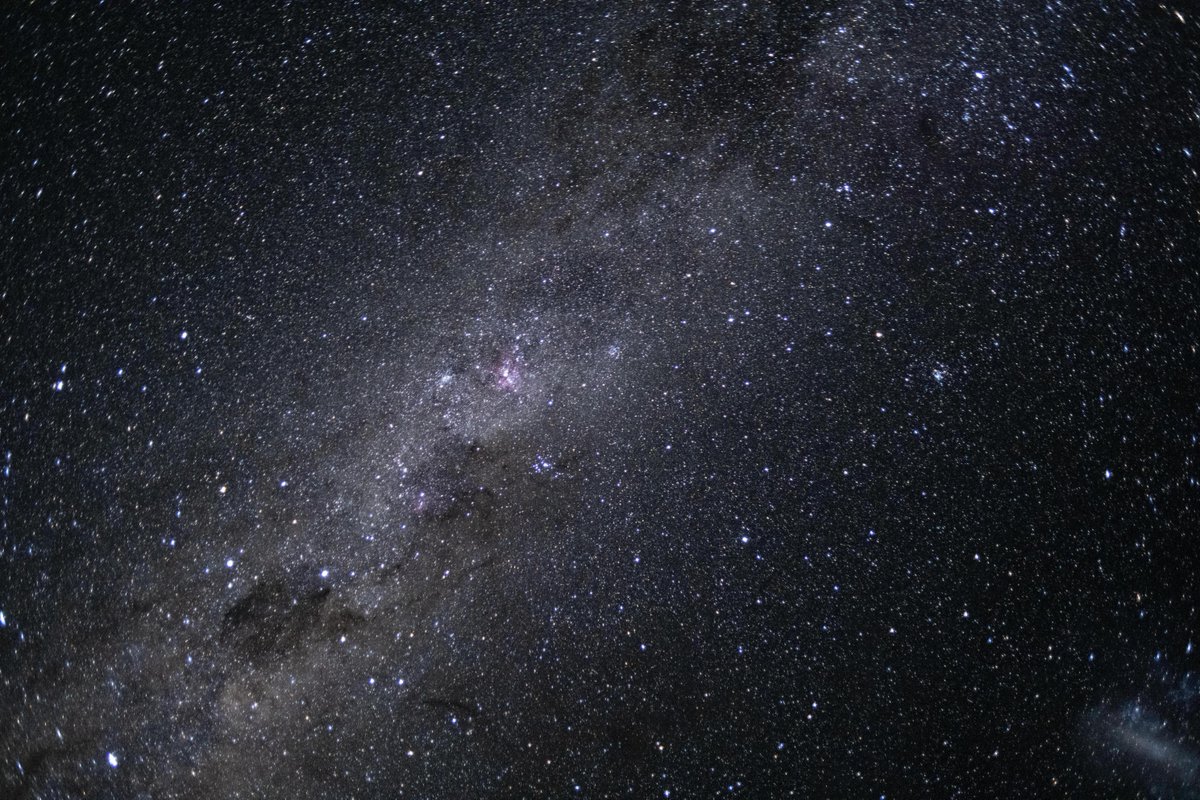
Following a successful lunar flyby, the Artemis II astronauts captured this breathtaking photo of our galaxy, the Milky Way, on April 7, 2026.
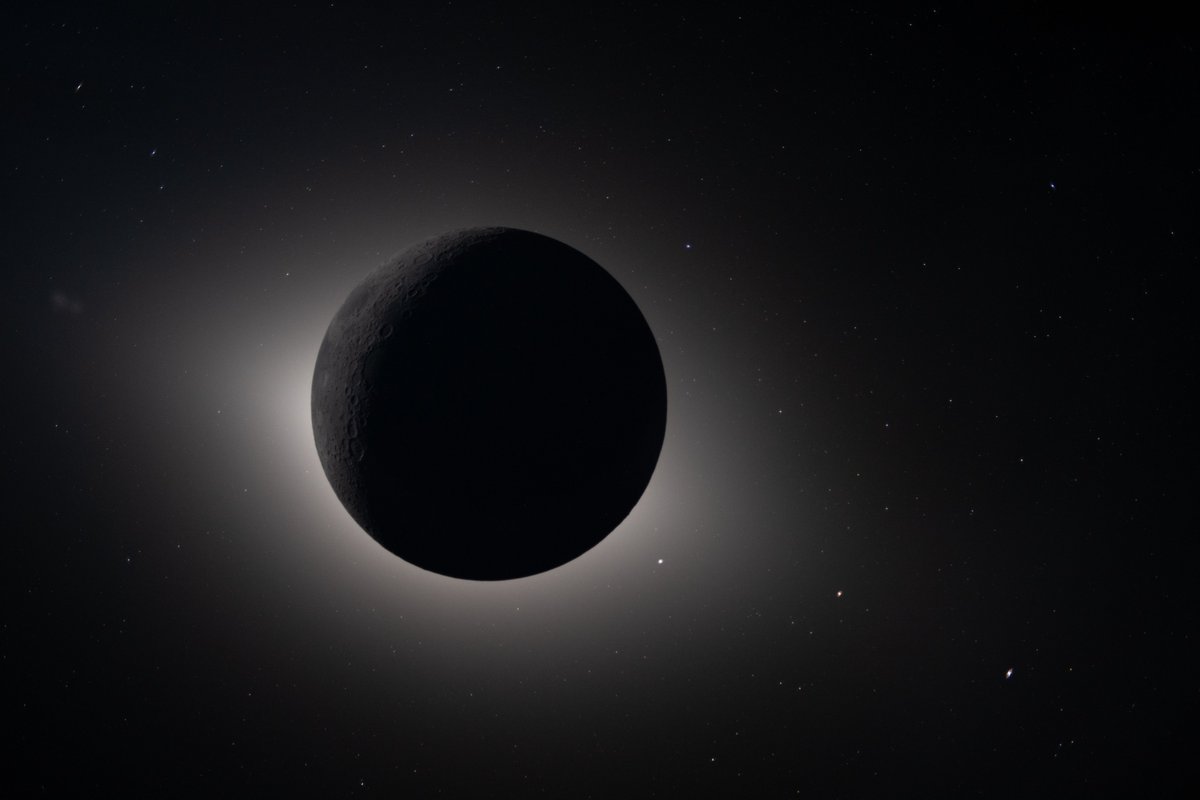
Ok last one: the rarest solar eclipse of all time. Only 4 people have seen this with their naked eyes. The sun is fully behind the moon. The only faint light hitting the near side is reflecting off of earth, 250,000 miles away. And the stars and galaxies in the background, sheesh
Nikon Z9
f/2.0
2 second exposure
ISO 1600
@NASA: https://t.co/twBqbUEDs2