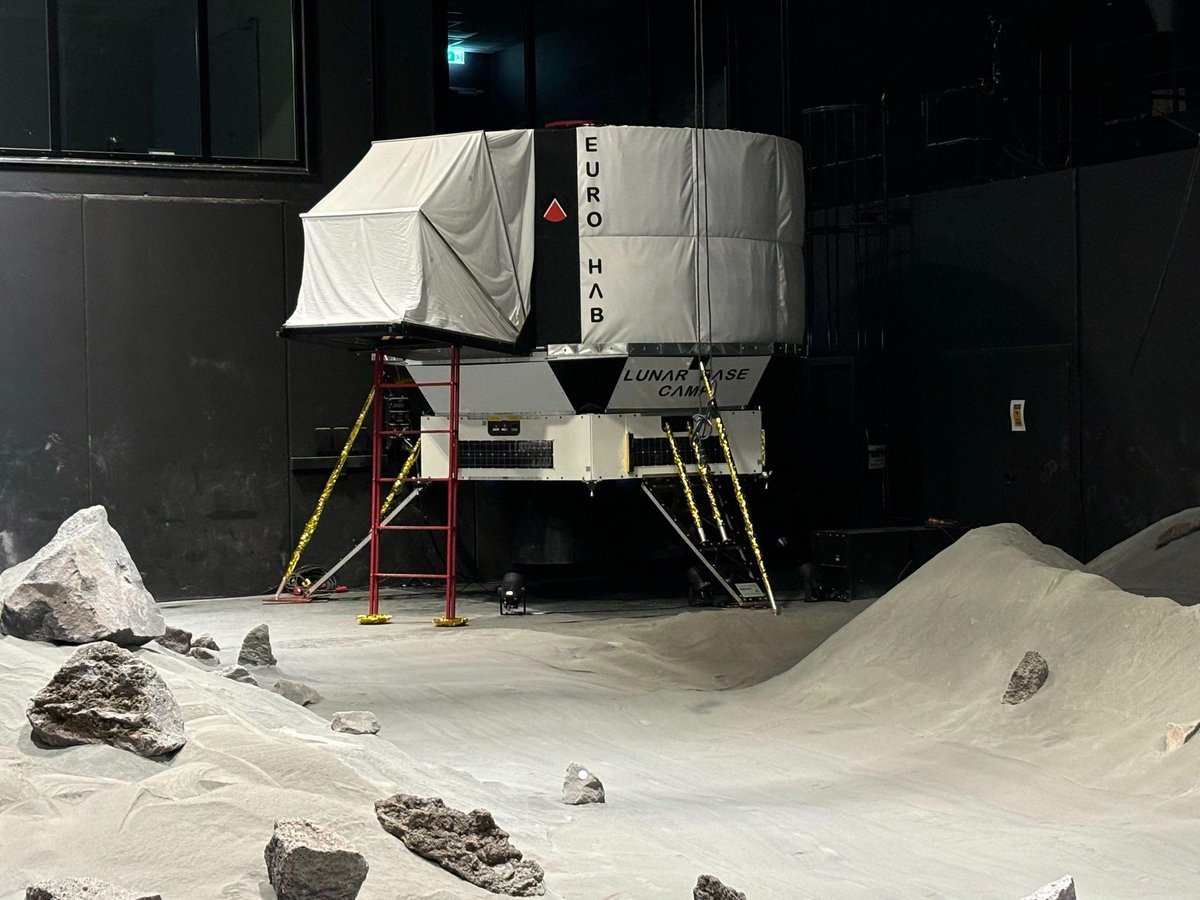
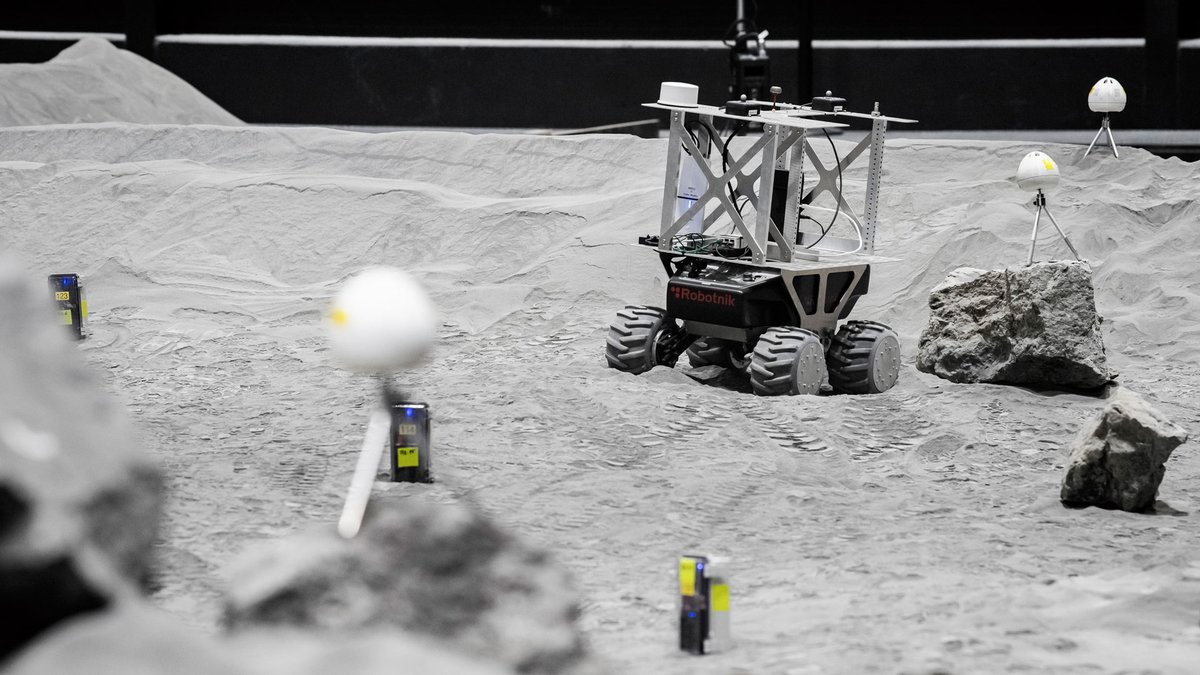
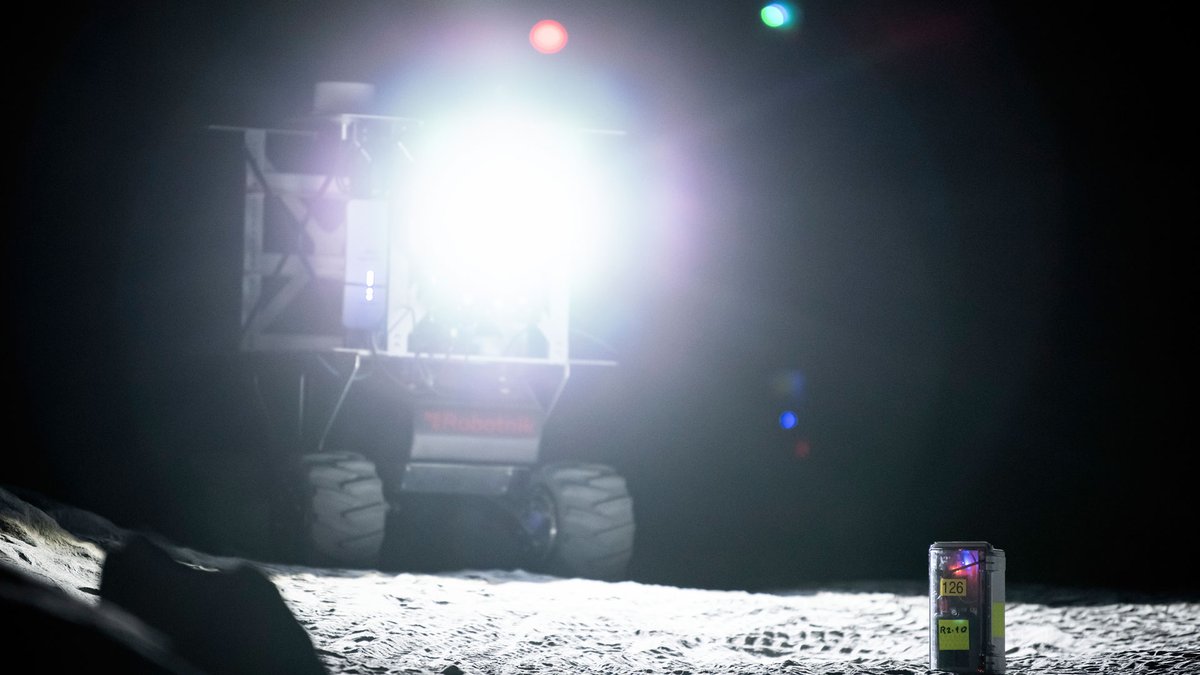
Santa’s workshop on the Moon? 🎁 Not quite! These golden packages are payload boxes in a swarm navigation system, successfully tested in the #LUNA hall. 🌔 They were connected to robots, sensors & astronauts to enable decentralised navigation & communication in uncharted terrain.
For MMX to land safely on Phobos, we need information on the moon’s gravity and surface topology. These are calculated to create image maps showing slope, altitude and gravitational acceleration, which are then used to help us select landing sites! 🔗: https://t.co/9HukseS7bb
👋 Meet the team behind the @esa_earthcare Data, Innovation & Science Cluster (DISC).
This international group of experts is working to ensure the best quality for all the different EarthCARE data products:
https://t.co/cpkwGfmH7U
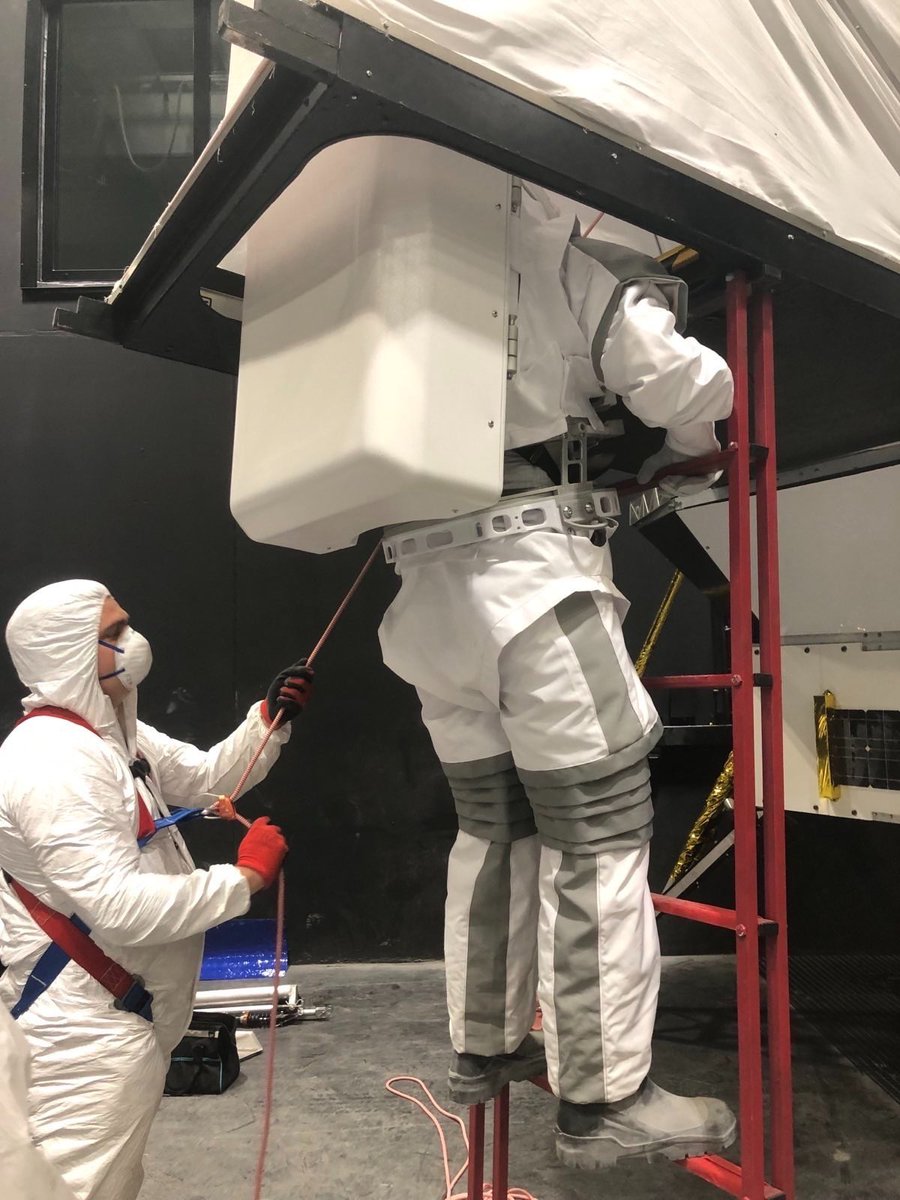
Spartan Space in cooperation with the @esa conducted ergonomic trials to support the development of an airlock for a lunar surface habitat.
The tests were carried out at the ESA- @DLR_en "LUNA" Facility, a unique environment designed to simulate lunar surface conditions.
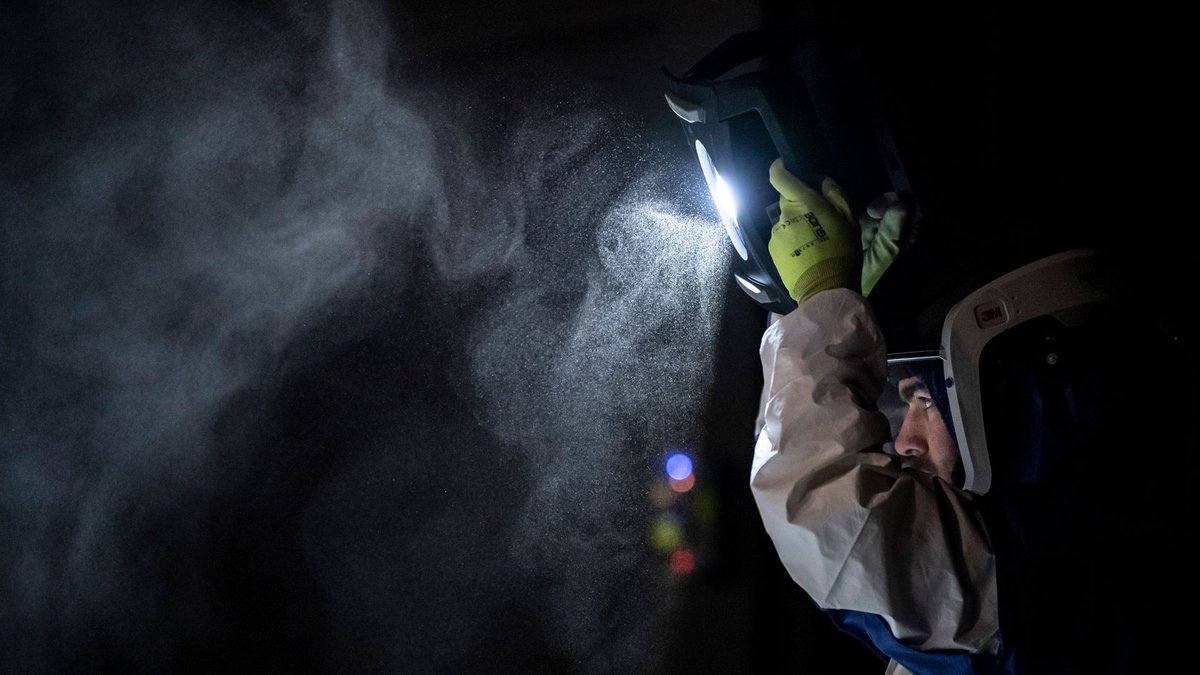
👃Sniff Sniff…can you smell methane?
Humans can’t, but the helicopter-towed HELiPOD probe can 🚁 After the Nord Stream leaks in 2022, we performed urgent measurements to understand the damage. New papers in @Nature and @NatureComms share the results: https://t.co/a18Sdgr7rF
"On the lunar surface, astronauts and robots work hand in hand…" 🤖👨🚀 Together with @astro_matthias and @Thom_astro, our robotics team put on a show at LUNA, @esa and @DLR_en's simulated lunar environment, showing us a glimpse of our future on the Moon 🌑https://t.co/OxGeeQRgYc
Why is Earth’s closest neighbour, Venus, so different compared to our planet? 🤔
The @ESA_Envision mission aims to answer this question by providing us with a holistic view of the planet, from its history to its activity & climate.
Discover more 👉 https://t.co/xqHOMrHfoZ
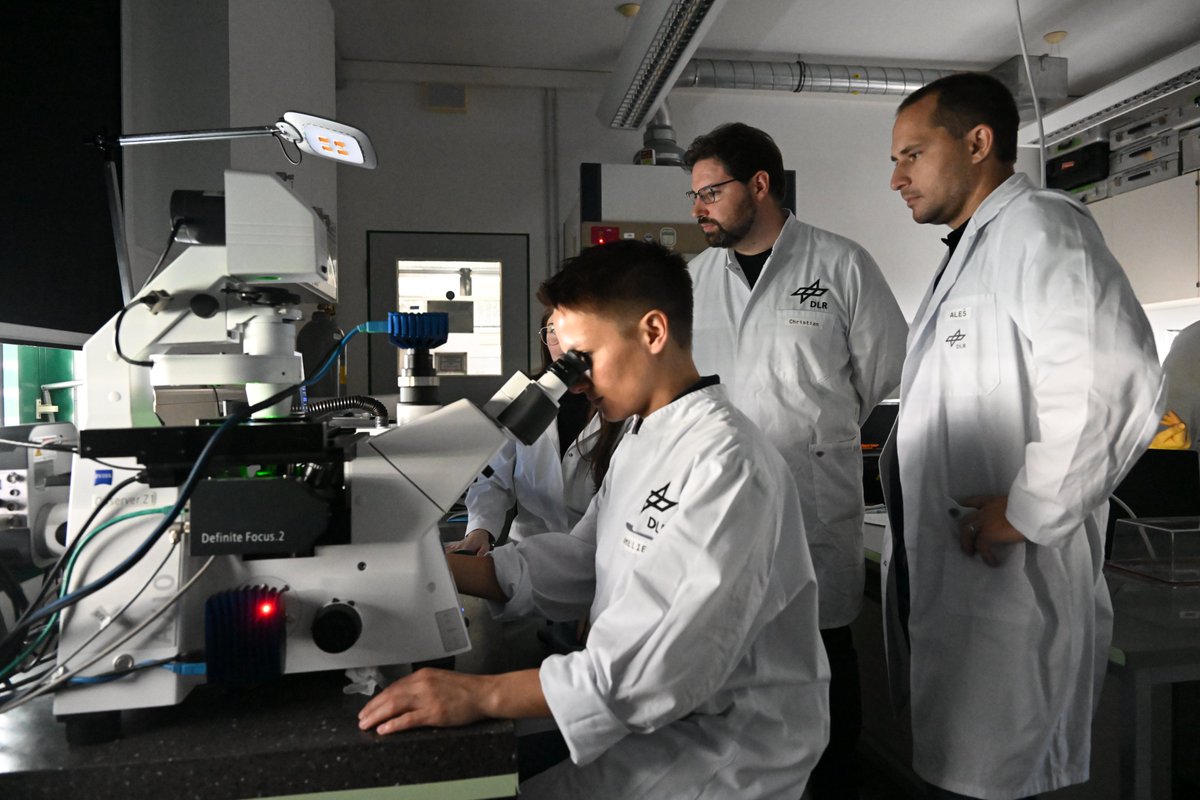
Members of @esa's Astronaut Reserve—@Astro_SaraG 🇪🇸, Andrea Patassa 🇮🇹, @Arno_astro 🇫🇷, @ESAastro_amelie 🇩🇪, and @astro_ales 🇨🇿—have completed their first training phase!
Here’s what they’ve been up to:
✔️ Spacecraft systems and operations 🛰️
✔️ Biology & lab skills for experiments 🧪
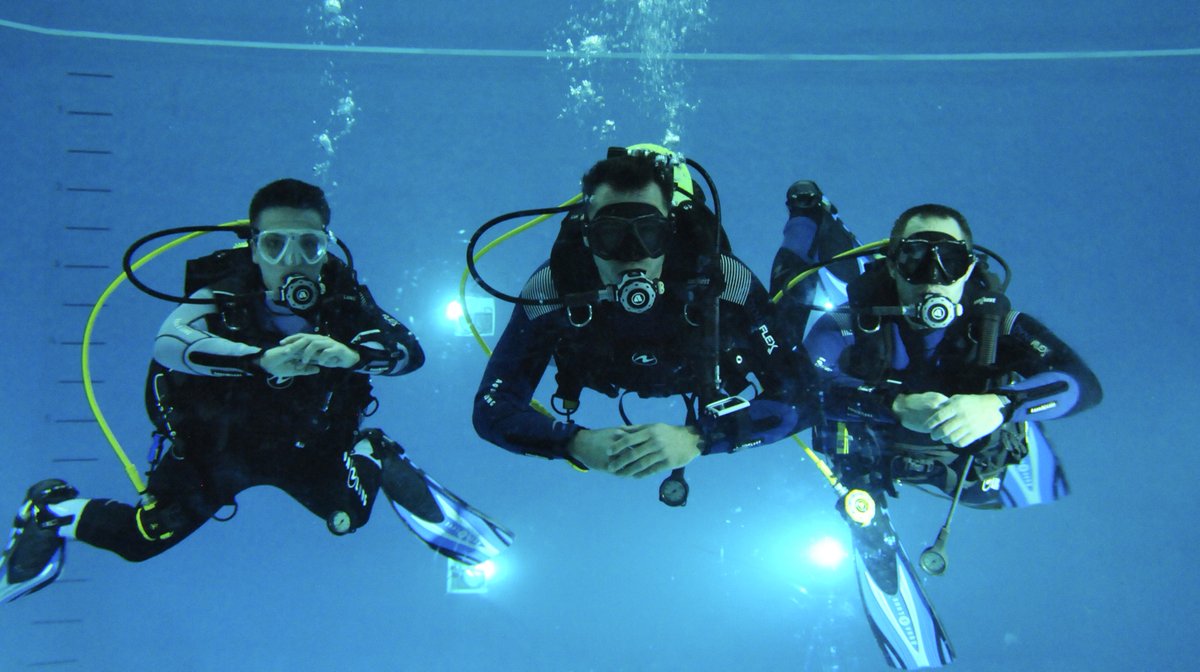
✔️ Scuba-diving for spacewalk familiarisation 🤿
✔️ Surviving winter extremes ❄️
👉 Read all about it here: https://t.co/IpR2VJ8uoY
Santa’s workshop on the Moon? 🎁 Not quite! These golden packages are payload boxes in a swarm navigation system, successfully tested in the #LUNA hall. 🌔 They were connected to robots, sensors & astronauts to enable decentralised navigation & communication in uncharted terrain.
A Martian winter wonderland! ❄️ These images, captured by our #HRSC onboard @esa’s #MarsExpress, show the polar region Australe Scopuli with its fan-shaped sand deposits and icy layers. ⌛🧊 Christmas 2024 marks 21 years since the mission arrived to the Red Planet. 🛰️🔴
This special exhibit will also take a look at our next sample return mission… the Martian Moons eXploration (#MMX) mission! MMX is scheduled to return to Earth in FY 2031, bringing a sample from the Martian moon, Phobos, to add to this incredible resource.
It's time for the @ESAJuiceBar! What has been going on with Juice?
🥵 We are on our way to the hottest point of the mission on 1 January 2025, when #ESAJuice reaches the closest distance to the Sun, at just 0.64 AU. The spacecraft is getting warmer, but everything is still well within limits.
The mission stays close to Sun until March next year. Then it will move a bit further from the Sun, until it dips back inside the inner Solar System for the Venus flyby in August next year.
🌪️ Windy Wednesday 🌪️
A big paper from @DLR_en@Leonardo_live@AirbusSpace & @esa
"Performance of the UV laser transmitter during ESA’s Doppler wind lidar mission Aeolus"
A groundbreaking achievement in Earth observation and space laser technology 🚨
https://t.co/9yfmmDYHfA
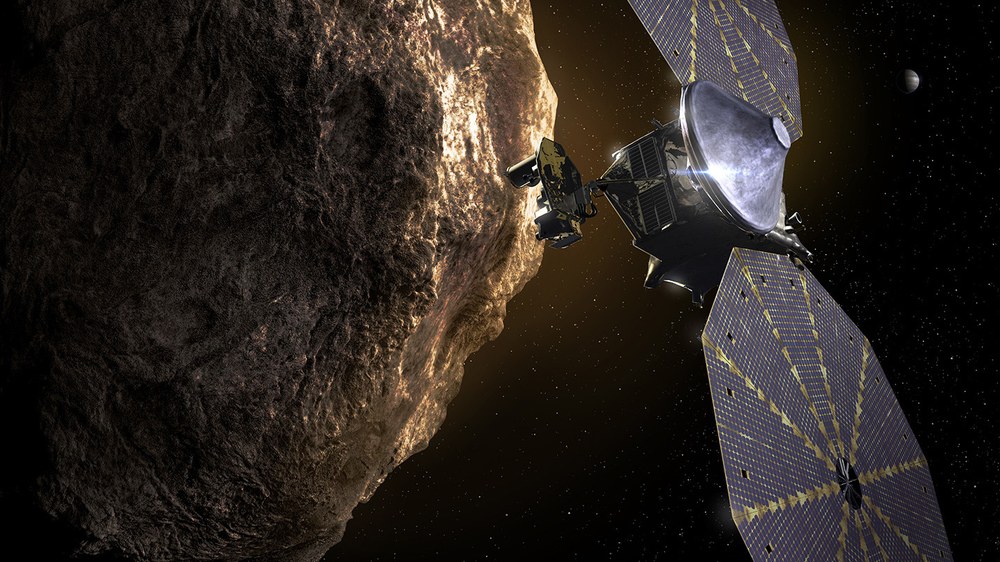
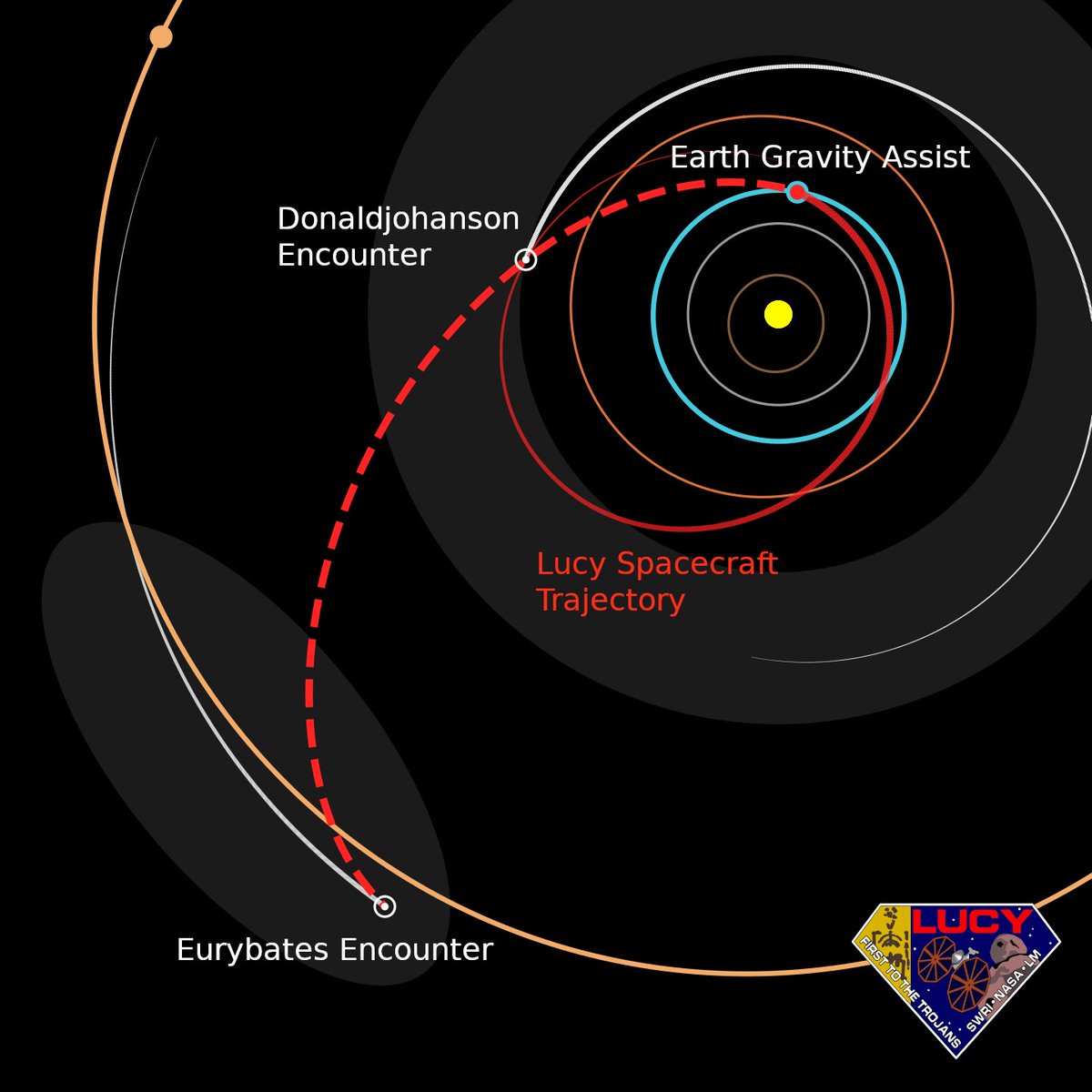
Getting close now! During the gravity assist, the Lucy spacecraft will approach from the direction of the Sun, which means observers on Earth will not be able to see Lucy approaching, as it will be lost in the Sun’s glare. But observers in certain locations may be able to spot it just before or just after closest approach: https://t.co/RZLwbxKznr
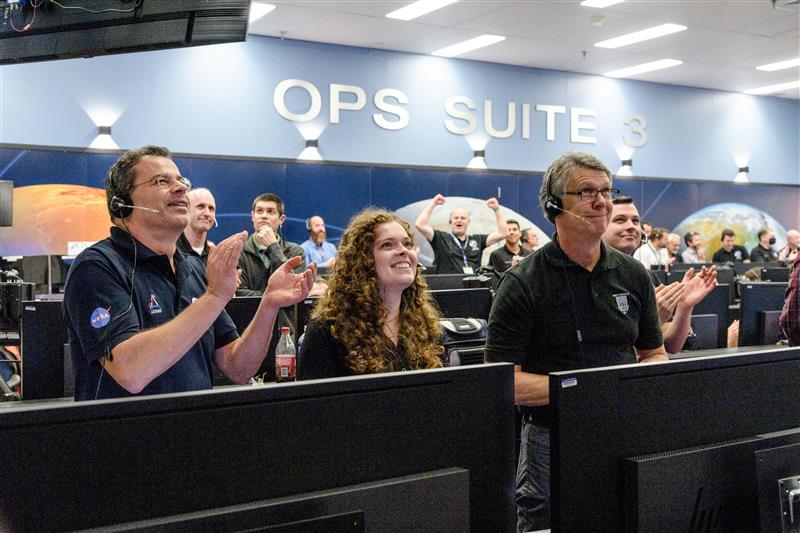
Hello again, Lucy! 🛰️👋 Today at 5:15 CET, @NASA’s #LucyMission completed a gravity assist at Earth. 🌍 This manoeuvre, the second since launch, has set the spacecraft on the way to the Jupiter Trojan asteroids. 🌠 DLR is involved in the mission's scientific activities.
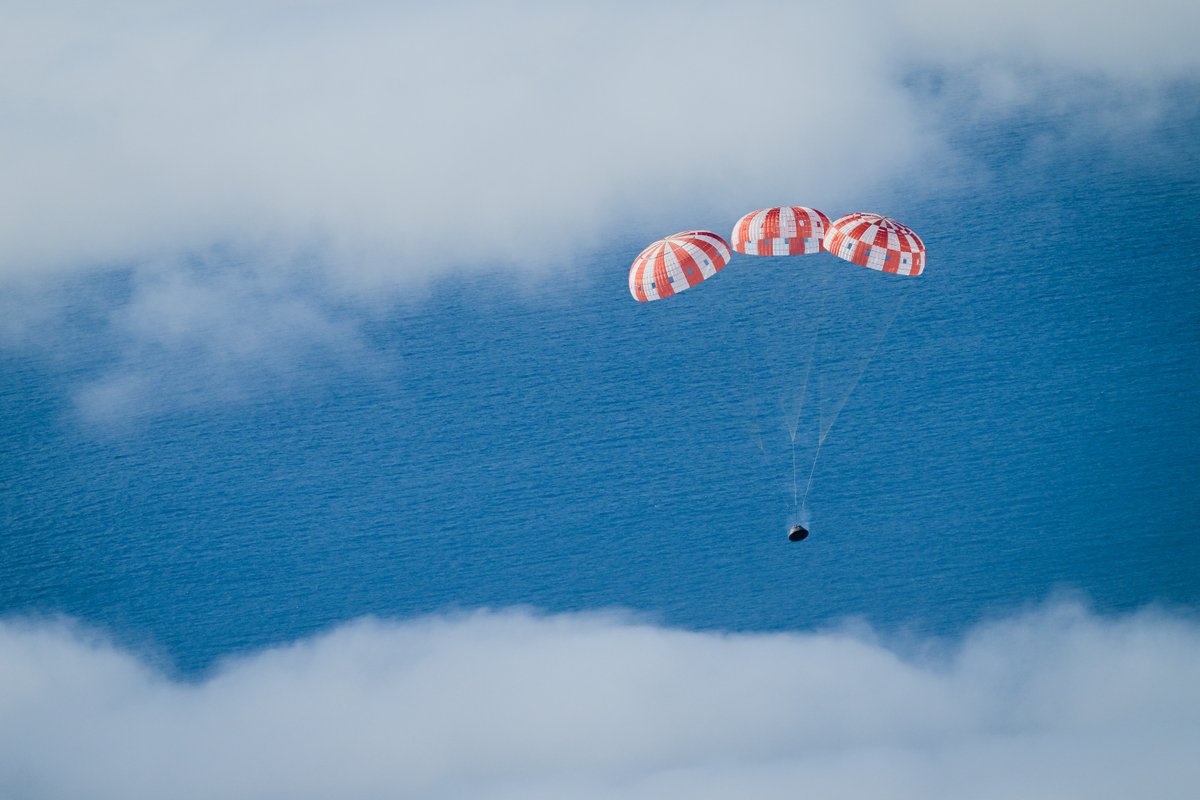
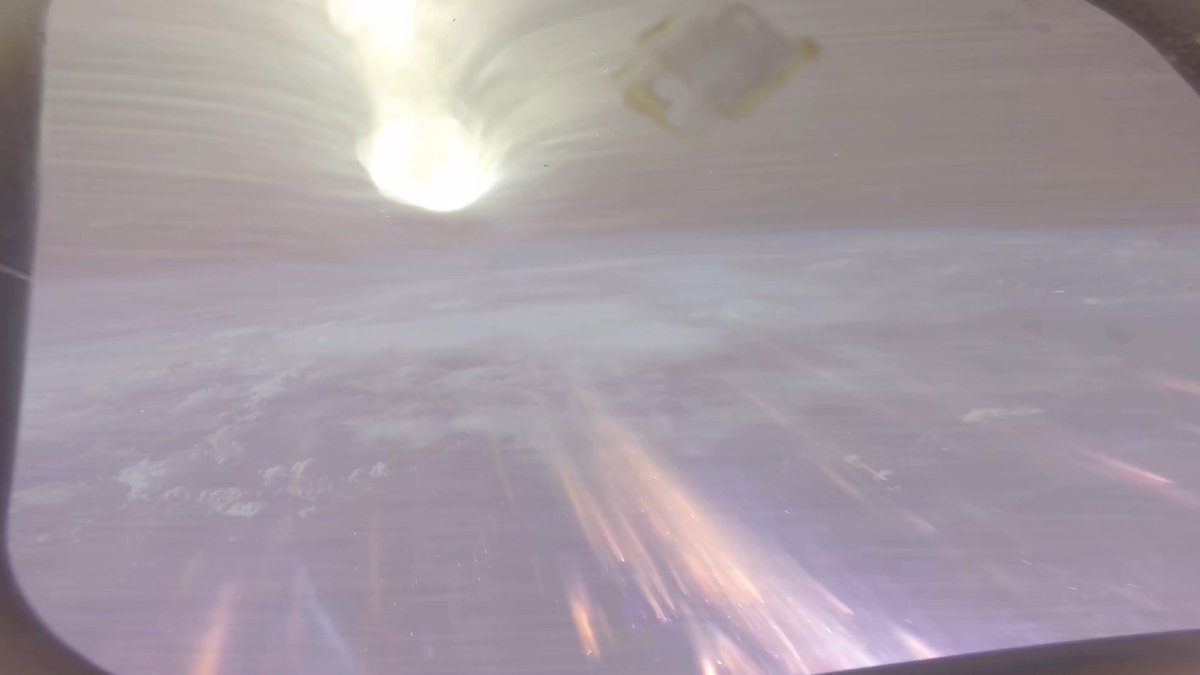
Orion splashed down in the Pacific Ocean on this day in 2022, at the end of its 25.5-day mission around the Moon on #Artemis I, totaling 1.4M mi (2.6M km).
After investigating how the heat shield fared, we are preparing for Artemis II, launching 2026. More: https://t.co/qtMKrCdJPT
The first images from the @CopernicusEU#Sentinel1 C satellite are here!
📸 Svalbard
📸 Amsterdam and the region of Flevoland
📸 Brussels
Fun fact: Brussels was the subject of the first radar image captured by Sentinel-1A in April 2014.
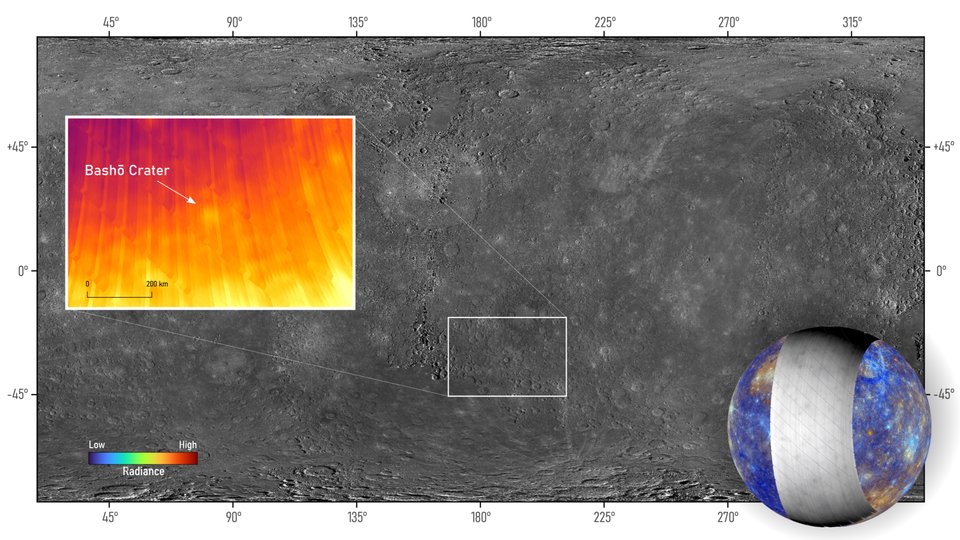
Mercury in a new light! ✨ The DLR-built @MERTISonBepi captured Mercury in mid-infrared wavelengths for the first time during @BepiColombo’s fifth flyby. 🛰️ The observations provide information on the planet’s surface composition. ℹ️: https://t.co/j9ztVuZHKA