#TDF2026 / #Sécurité ⚠
Une nouvelle technologie débarque sur le Tour de France : le capteur de commotion cérébrale
Pour la première fois, certains coureurs du Tour utilisent un capteur d'impact cérébral intégré au casque. Les équipes 🇨🇭 NSN Cycling Team et 🇳🇴 Uno-X Mobility testent cette technologie pour mieux détecter les chutes dangereuses et améliorer la prise en charge des traumatismes crâniens.
⚙️ Comment fonctionne le capteur ?
Le dispositif ProMD, développé par Meditech, est installé dans la mousse du casque, entre la structure de maintien et la molette arrière.
Il analyse en temps réel :
💥 les impacts linéaires (chocs directs)
🔄 les impacts rotationnels (mouvements de rotation du cerveau)
⏱️ la durée et la direction du choc
Grâce à des capteurs de mouvement et des algorithmes, il différencie un véritable accident des simples vibrations liées au roulage.
En cas de choc important, il peut :
✅ envoyer une alerte aux équipes médicales
✅ enregistrer les données de l’impact
✅ aider à décider si le coureur peut reprendre la course
🧠 Pourquoi cette innovation est importante ?
Les commotions cérébrales restent un sujet sensible dans le cyclisme professionnel. Après une chute, les coureurs sont souvent poussés à repartir rapidement pour ne pas abandonner leur équipe : "Les capteurs de commotion pourraient fournir une mesure objective de l’impact subi par un coureur."
📊 Le cas Torstein Træen : un exemple concret
Après sa chute alors qu'il portait le maillot jaune du Tour 2026, Torstein Træen a été retiré de la course par son équipe Uno-X Mobility. Les données enregistrées par son casque ont participé à cette décision.
🔬 Un outil médical, mais pas un diagnostic
Le fabricant précise que le ProMD n'est pas un dispositif médical capable de diagnostiquer une commotion. Il sert plutôt à fournir des informations supplémentaires aux médecins.
📎 Pour en savoir plus : https://t.co/YdmY9hK4i4
📷 UXM/NSN 🎙 Cycling Weekly
🆕"Adductor injuries were characterized by a combination of hip extension, abduction & external rotation ⚽️"
➡️Involvement of ECC action, featuring rapid muscle activation with rapid muscle lengthening
👉A. Jokela @FDellaVilla et al, 2025 🇫🇮
📂Open Access: https://t.co/O0244BrRn6
Have you heard of the UW men's club hockey team?
The Huskies rely largely on player dues for travel, equipment, ice time, etc. The players organize their own road trips, manage their own finances, etc.
The Pac-8 champs are winning in more ways than one: https://t.co/zHlEADUm4P
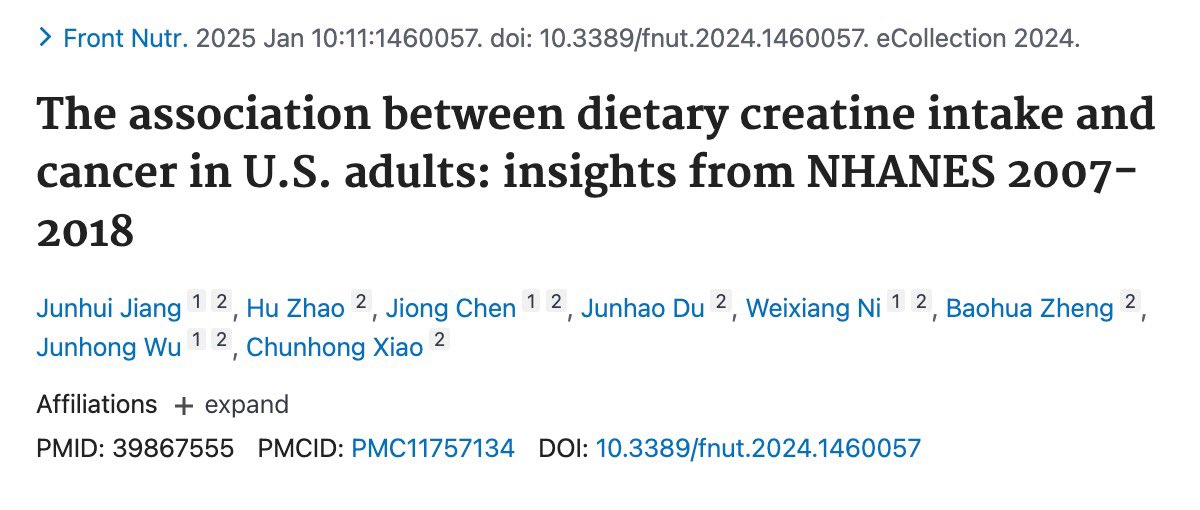
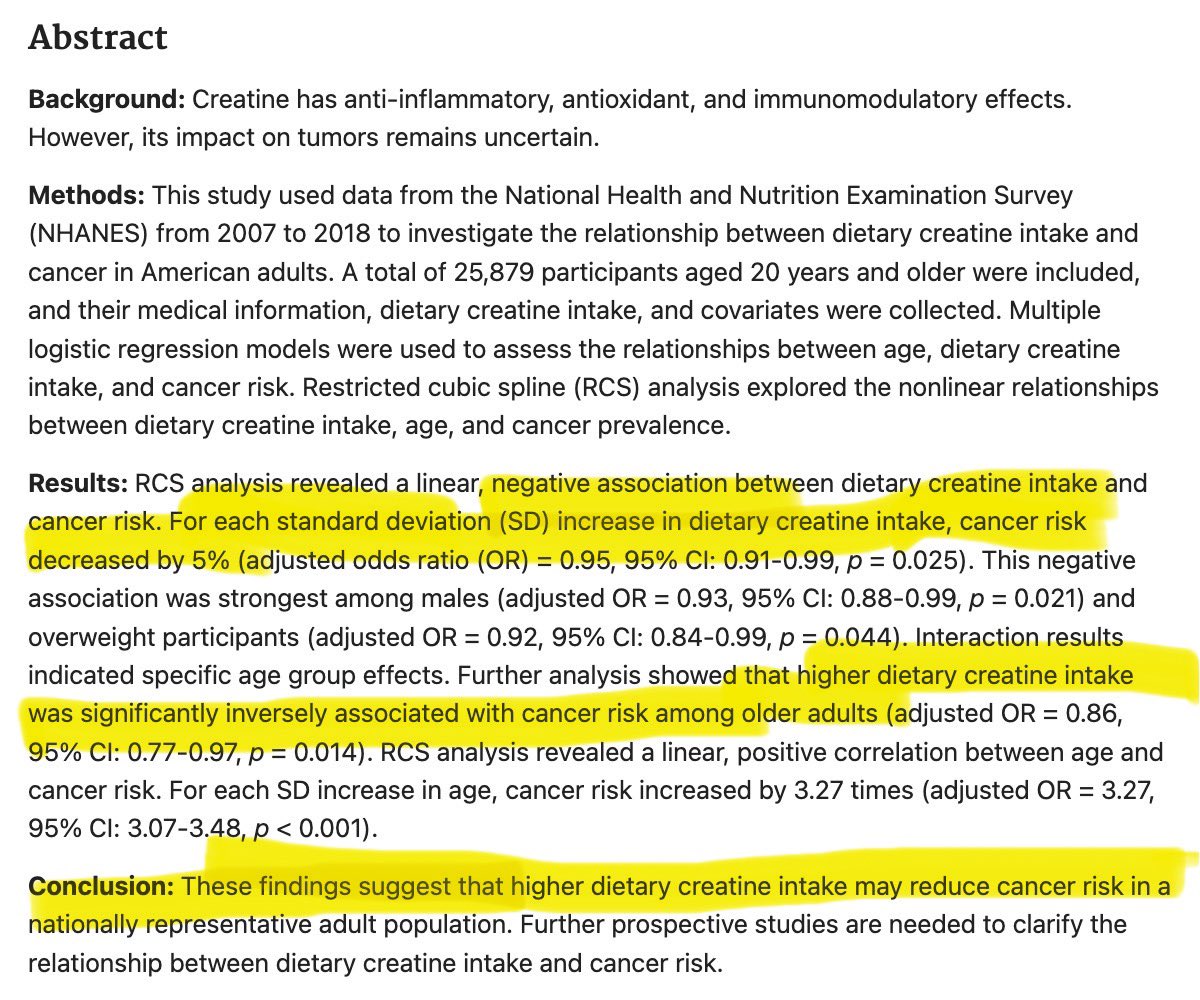
Higher dietary creatine intake is linked with decreased cancer risk
Each standard deviation increase in creatine intake is linked to
~8% decrease in cancer risk in overweight individuals
~7% decrease in cancer risk in men
~5% decrease in overall risk
Dietary creatine is ONLY found in animal foods/meat
Eating more meat can decrease your risk for cancer
⚽🤕 Injuries affect team performance negatively in professional football: an 11-year follow-up of the UEFA Champions League injury study
https://t.co/P023Kn5WHw
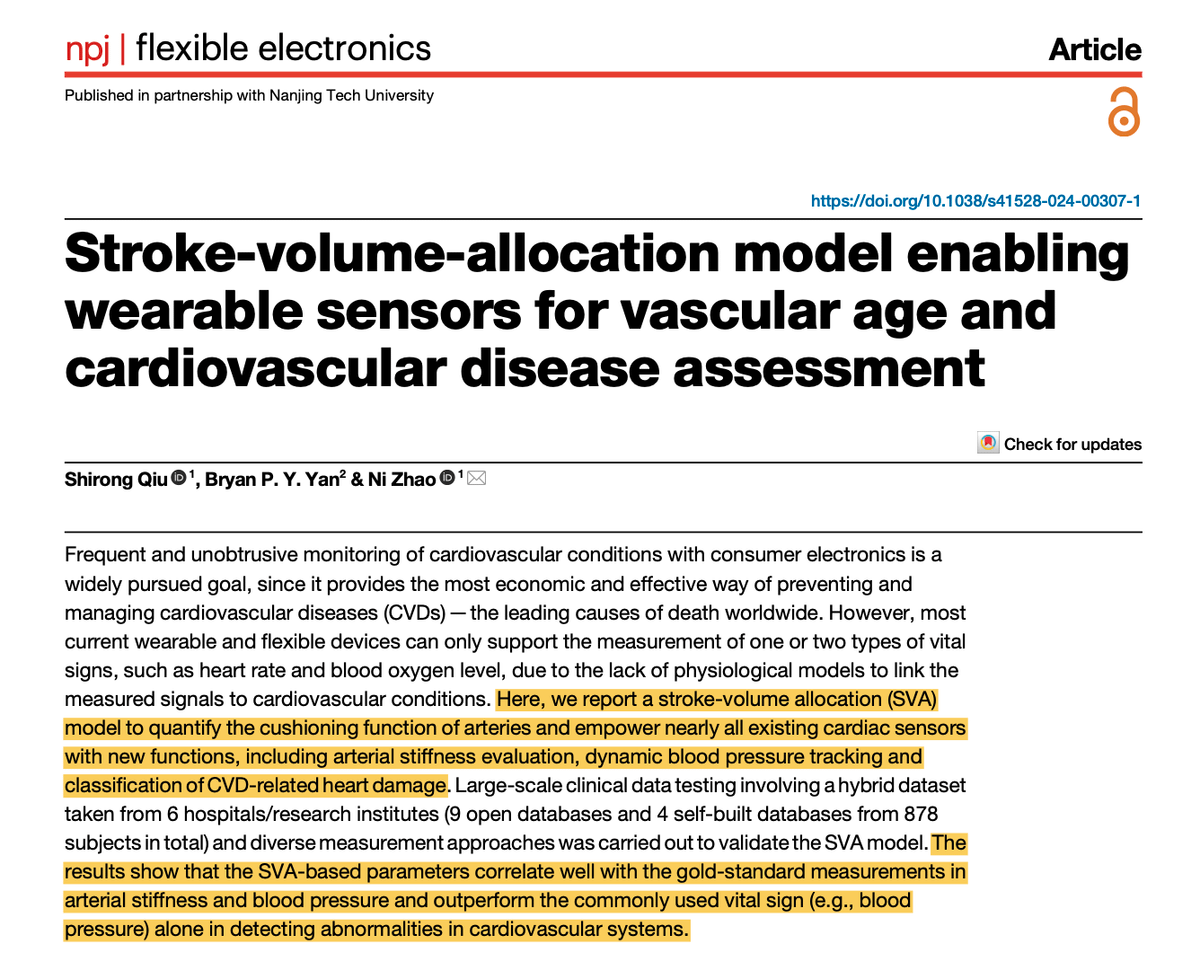
Potential new use of wearables.... real-time assessment of vascular age & cardiovascular health!
Using commercially available devices (e.g., ECG measurements from Apple Watch, PPG measurements from a smart ring), this study used a stroke-volume-allocation model to estimate cardiovascular dynamics.
"We found that SVA outperforms the commonly used cardiovascular parameters (e.g., BP, heart rate and LVET) in distinguishing CHD"
Manage acute pain with modality and manual
Restore ROM - usually limited in hip flex and knee ex
Isometrics ➡️ Concentric ➡️ Eccentric all planes hip
HS capacity: Nordics, Tantrums, Rapid Hip Ex
Light jog symptom free➡️Tempo➡️% sprint
Depending on tear severity 4-8 wks recov
Baseball player pulls a hamstring stretching to first base
What are your suggestions on optimal recovery strategies?
Reply and or tag your goto PT or ATC
👇🏼👇🏼👇🏼
Music delays perception of fatigue 🎶
This new study compared:
1️⃣ Music during entire exercise
2️⃣ Music at onset of fatigue
3️⃣ No music
…on time to exhaustion (TTE) and time to perception of fatigue (TFP) during isometric strength tasks.
Listening to music during the entire exercise resulted in a delay in the onset of fatigue perception 👈
If you listen to music, consider listening throughout your workout to maximise performance benefits 🎧
What’s worth celebrating if you’re a man:
Conference Championships
National Championships
Gym/Fitness PRs
Birth of a child
Free double meat at Chipotle
Very low on the list:
Birthdays
Please understand
Gains do not happen during training
Gains happen during your RECOVERY from training
No recovery, no gains
Don't fool yourself into thinking the job is done after a 1 hour workout
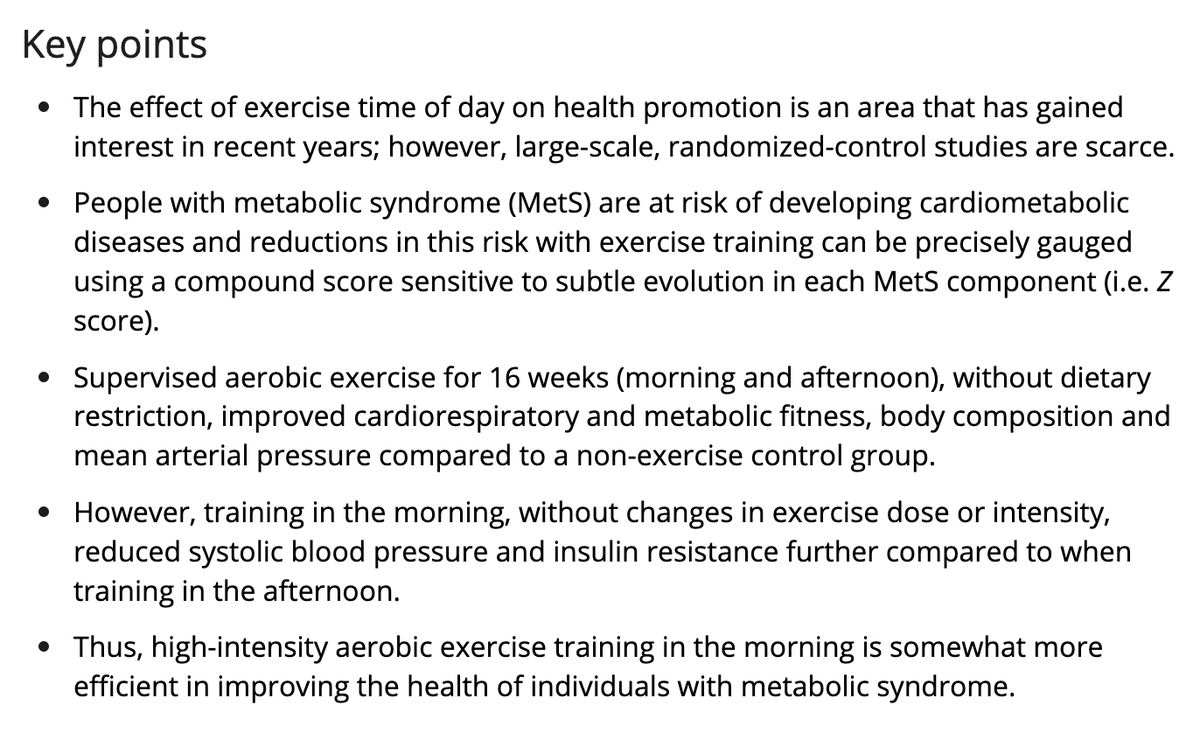
MORNING VS AFTERNOON AEROBIC EXERCISE
What's best for those with metabolic syndrome?
After 16 weeks of HIIT, both groups showed improvements in (compared to control group):
-Body composition
-Waist circumference
-Blood pressure
-Cardiorespiratory fitness
The morning group showed greater reductions in:
-Systolic BP
-Fasting insulin
-Insulin resistance
-Metabolic syndrome Z score
Morning exercise might be the best option for improving health in those with metabolic syndrome
PMID: 38015017
We looked at a ton of data from last year’s fall marathons to see what Boston Qualifier (BQ) runners did differently in training and racing. https://t.co/9lN58fRc2S
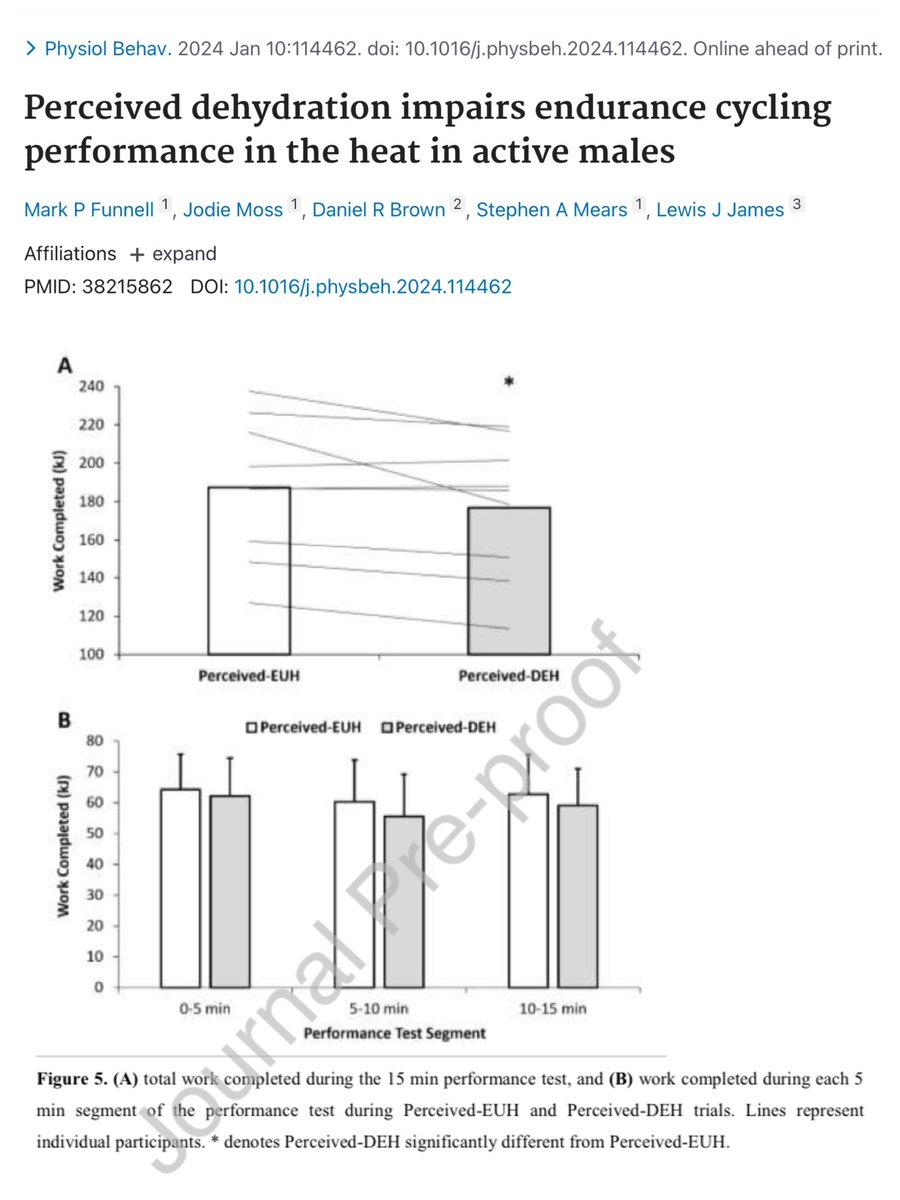
Perceived dehydration ⬇️ endurance performance🚴
This study delivered💧into participants stomachs using feeding tubes to blind their hydration status.
1.6% dehydration was induced in both trials but only when told they were dehydrated, performance ⬇️ by 6%
Perception matters.
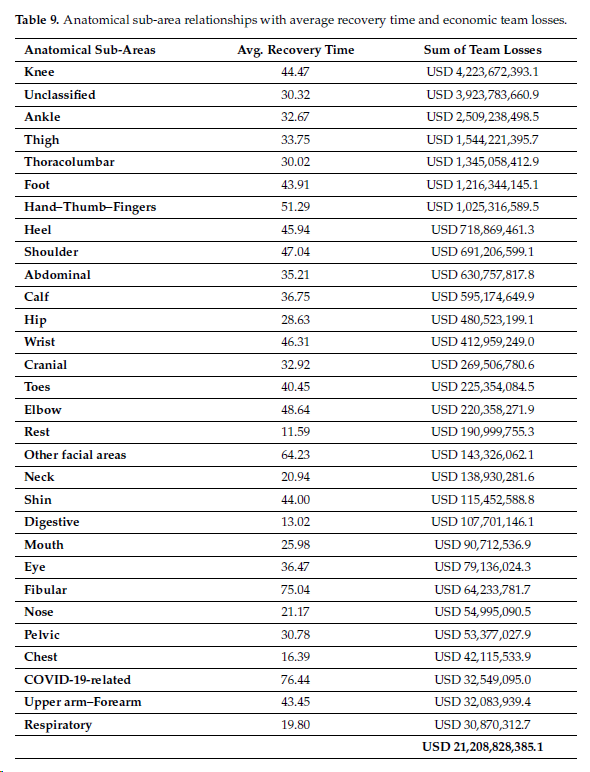
The case for why Sport Science & Medicine practitioners should be paid more?
This is how much money NBA teams lost due to different injury types between 2000 & 2023 👇
Are the number of calf raises relevant before returning to run? 🏃 🦵
Interesting discussion from @Seth0Neill
Below is some of our data on number of calf raises in injured & uninjured runners along with % asymmetry. 👇🏻
Every athlete needs to learn
1️⃣ Jump- 2 feet take off 2 feet land
2️⃣ Hop- 1 foot take off 1 foot land
3️⃣ Bound- 1 foot take off opposite foot land
Apply in all directions
⬆️ Vertical
➡️ Horizontal
🔄 Rotational
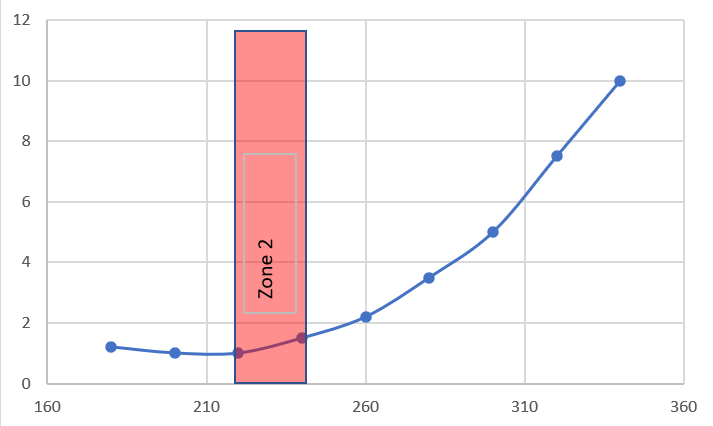
Since zone conversations can quickly go off the rails due to differences in definitions, here's what I mean when I say "Zone 2":
The zone immediately above the first inflection in the lactate curve.
How wide is it?
Wide enough to be a practical zone
~10-15bpm
~20-30W
~30s/k
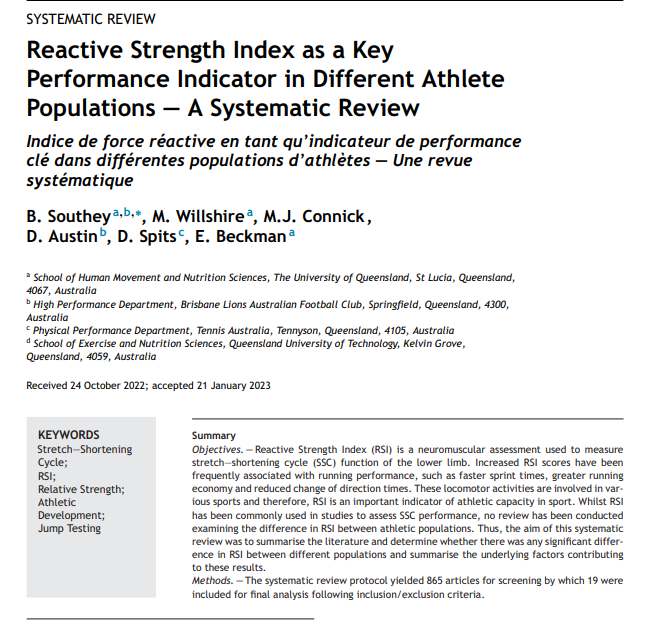
Reactive Strength as a Key Performance Indicator
Comprehensive systematic review from Ben Southey
Can RSI differentiate between different athlete populations or athlete groups?
Key takeaways:
✅ Sprint & power athletes have ↑ RSI
✅ Males have ↑ RSI vs females
✅ Elite performers have ↑ RSI vs sub-elite
✅ High body mass positions have ↓ RSI
✅ Higher rel. strength of populations = ↑ RSI levels
They reviewed ≈40 research papers including only those which met high research standard (19) in their analysis (Downs & Black research checklist).
Details:
🔸 Males consistently exhibit higher RSI vs females w/ moderate-large effect size differences. Female athletes typically achieved RSI values of 25-30% less than male counterparts
🔸 Within sports, elite athletes demonstrate higher RSI levels than sub-elite populations. Observed in 9 out of 14 relevant studies with moderate - v. large effect sizes
🔸 Sprint & power athletes have sig. higher RSIs compared to other sports (tennis, field hockey, soccer, rugby). Moderate-high differences observed. Studies included national ↔️ international level athletes w/ significant training history
🔸 RSI levels can differentiate between playing positions within sports such as btw backs/forwards in rugby & btw positions in basketball
🔸 In studies which evaluated their athletes based on speed ability (n = 3) faster athletes displayed higher RSI
🔸Across studies, playing positions that require high body mass had inferior RSI compared to other positions.
Some notes & cavaets from the authors:
Greater RSI scores in speed/power athletes may be equally (or partially) attributed to naturally stronger and faster athletes (fiber typing). Therefore impact of training should not be overstated.
Differences btw males and females may be due to underlying differences in relative strength levels.
The findings indicate that relative strength is an influencing factor that differentiates RSI performance between populations. This should be an area, which practitioners aim to develop if wanting to improve reactive strength.