A Scottish laird threw his sheep onto a beach in 1832 and left them to starve. They are still down there, still eating, and they have since evolved so far into the job that a green field would now poison them.
North Ronaldsay is the last island in Orkney before there is nothing. Three miles long, flat as a table, and windier than is strictly reasonable. The laird wanted the middle of it for cattle and crops, so out went the natives to the shore, which is a decision that reads perfectly well in an estate office and looks somewhat different when you are standing on shingle in February.
To keep them there, the islanders built a drystone dyke round the entire circumference of the island. Thirteen miles, six feet high, laid by hand, no mortar, still standing. It is a Grade A listed structure, so a wall put up to inconvenience sheep now enjoys the same legal protection as Edinburgh Castle.
Nobody expected the flock to make old bones.
They took up kelp.
There are two land mammals on this planet that live on seaweed. One is the marine iguana of the Galápagos, which has never been more than about nine feet from a film crew. The other is a small brown sheep in Orkney that nobody has heard of, working a beach in the dark.
And they did not just get by. They reorganised their entire lives around the tide. They sleep through high water and rise for the ebb, which is two hundred years of tide table written into an animal with no clock and no reason to care. Winter storms tear the kelp off the seabed and dump it up the shore, so while every other flock in Britain is going backwards on hay, the beach sheep are gaining condition in January on a crop nobody planted, watered, ploughed, sprayed or paid a penny for.
Seaweed carries almost no copper. So they evolved to hoover up every atom of it going, and that machinery has no off switch. Put one on ordinary pasture and it keeps taking copper on board at beach rates until the liver packs in. They are the most copper-sensitive mammals known to science, and a field of good Orkney grass is, to a North Ronaldsay, a slow poisoning with a lovely view.
Which leaves the arrangement completely inside out.
The wall was built to keep the sheep off the good ground.
The wall is the only thing keeping them alive.
About 2,500 of them, owned communally by a dozen or so islanders, descended from animals that were on that shore before the Vikings arrived and formed opinions about it. Every winter knocks a few more sections of dyke down. Every summer a handful of people put a few back up. Only one of those lines is heading the right way.
The kelp industry the wall was built to replace collapsed and is gone. The laird is gone. The crops are gone. Most of the islanders are gone.
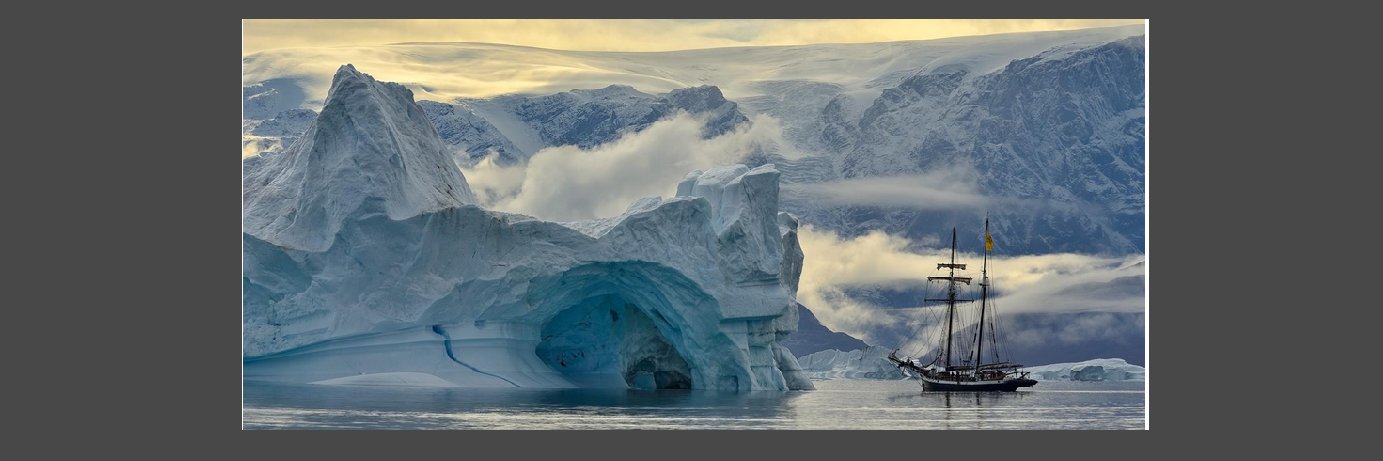
The sheep he sentenced to death are out there tonight, waiting on the tide, farming the only ground in Britain that gets delivered twice a day by the sea.
This is why they toppled the government in Kiev in 2014, despite knowing it would likely trigger war and knowing that only a small minority of Ukrainians wanted NATO membership. This is why they have sabotaged every peace deal for 12 years. This is why NATO chants that weapons are the path to peace, and basic diplomacy has been boycotted since 2022. This is why they pump billions into a corrupt system that keeps an extremely unpopular Zelensky in power and hunt for Ukrainian conscripts. This is why they pretend Ukraine is winning even as all evidence indicates otherwise. This is why we are not allowed to debate the overwhelming evidence of NATO's role without smears, intimidation, and censorship. The goal was never peace; it was to set up Ukrainians as cannon fodder to weaken a strategic rival of NATO.
THE U.S. CAUSED THE COVID PANDEMIC, not China, the U.S. government revealed today.
“It's time the American people learn the real story," spy chief Tulsi Gabbard in a sensation-causing video released on X and a statement on the internet.
And what a story it is.
.
TRUTH AT LAST
The US spent millions to finance a lab in China’s Wuhan to experiment on killer viruses.
The research was on a technique called “gain of function” which some people see as weaponization of the viruses.
That research is “now widely viewed as the source of the unintentional lab leak that sparked the pandemic,” said Gabbard, Director of National Intelligence.
“This dangerous research caused immeasurable harm and countless lost lives,” she added.
.
PREFERRED NARRATIVE
After the pandemic broke out, Washington then worked to tell the world it could not have been a lab leak.
The preferred story circulating at the time was to say that animal-to-human transmission evolved in China due to the circumstances there.
But the evidence tells a different tale, the US spy chief said, releasing a new batch of top secret documents today, her last day in office. "It's time you know the truth," she said.
.
120 BIOLABS
The story begins with the US quietly setting up 120 biological laboratories across more than 30 countries. Some of these laboratories were involved in research on hazardous pathogens, she said.
Dr Anthony Fauci, while serving as head of the National Institute of Allergy and Infectious Diseases, sent millions of dollars of US taxpayer cash to be spent on bat coronaviruses at the Wuhan Institute of Virology, she said.
In 2019, the Covid-19 virus apparently emerged in several locations around the world—but was first formally detected by scientists in Wuhan, China, at the end of 2019.
It was soon found all over the world. The “pandemic caused tremendous hardship and pain for millions,” Gabbard said.
.
PREFERRED NARRATIVE
For the US, the preferred story was that it was NOT a lab leak—because the world would realize that the Pentagon was financing biolabs around the world, and at home.
People raising the alarm about the biolabs were accused of “pushing Russian and Chinese disinformation”.
When the existence of the labs could not be denied, the BBC and other media reported that they were “peaceful labs” which were financed for entirely positive reasons—a line that Pentagon-watchers found hard to swallow.
.
LIED ABOUT INTELLIGENCE CONNECTION
Fauci worked with senior intelligence agents in the early days of the pandemic to shape the narrative but lied about it, Gabbard said.
In his testimony before the House Select Subcommittee on the Coronavirus Pandemic in 2024, he was asked under oath whether he had communicated with intelligence agencies concerning viral research before, during or after the pandemic.
Fauci replied: "Not to my knowledge, about COVID."
In January 2025, many people were puzzled when Former President Joe Biden issued “a pre-emptive pardon” to Fauci. Pardons, by definition, are given to people who have broken the law—but this had not happened at that time.
.
TREMENDOUS HARDSHIP
Gabbard is retiring to spend more time with her husband, who has cancer.
But she wanted to get the truth about this subject out there before she disappeared. She says the evidence indicates US-funded research was the root of the problem.
"The COVID-19 pandemic caused tremendous hardship and pain for millions of our fellow Americans and for countless people around the world,” she said.
Links to her statement and the documents are provided below.
𝗧𝗵𝗲 𝗜𝗻𝘀𝘂𝗿𝗮𝗻𝗰𝗲 𝗪𝗲𝗮𝗽𝗼𝗻
𝗧𝗟𝗗𝗥:
• 𝘐𝘯𝘴𝘶𝘳𝘢𝘯𝘤𝘦 𝘤𝘭𝘰𝘴𝘦𝘥 𝘵𝘩𝘦 𝘚𝘵𝘳𝘢𝘪𝘵 𝘰𝘧 𝘏𝘰𝘳𝘮𝘶𝘻 𝘣𝘦𝘧𝘰𝘳𝘦 𝘵𝘩𝘦 𝘐𝘙𝘎𝘊 𝘯𝘢𝘷𝘺 𝘥𝘪𝘥. 𝘞𝘪𝘵𝘩𝘪𝘯 𝟦𝟪 𝘩𝘰𝘶𝘳𝘴 𝘰𝘧 𝘵𝘩𝘦 𝘍𝘦𝘣𝘳𝘶𝘢𝘳𝘺 𝟤𝟪 𝘴𝘵𝘳𝘪𝘬𝘦𝘴, 𝘸𝘢𝘳 𝘳𝘪𝘴𝘬 𝘱𝘳𝘦𝘮𝘪𝘶𝘮𝘴 𝘴𝘶𝘳𝘨𝘦𝘥 𝘧𝘪𝘷𝘦𝘧𝘰𝘭𝘥, 𝘗&𝘐 𝘤𝘭𝘶𝘣𝘴 𝘪𝘴𝘴𝘶𝘦𝘥 𝟩𝟤-𝘩𝘰𝘶𝘳 𝘤𝘢𝘯𝘤𝘦𝘭𝘭𝘢𝘵𝘪𝘰𝘯 𝘯𝘰𝘵𝘪𝘤𝘦𝘴, 𝘢𝘯𝘥 𝘓𝘭𝘰𝘺𝘥'𝘴 𝘑𝘰𝘪𝘯𝘵 𝘞𝘢𝘳 𝘊𝘰𝘮𝘮𝘪𝘵𝘵𝘦𝘦 𝘳𝘦𝘥𝘦𝘴𝘪𝘨𝘯𝘢𝘵𝘦𝘥 𝘵𝘩𝘦 𝘦𝘯𝘵𝘪𝘳𝘦 𝘗𝘦𝘳𝘴𝘪𝘢𝘯 𝘎𝘶𝘭𝘧 𝘢𝘴 𝘢 𝘤𝘰𝘯𝘧𝘭𝘪𝘤𝘵 𝘻𝘰𝘯𝘦 𝘷𝘪𝘢 𝘑𝘞𝘓𝘈-𝟢𝟥𝟥 𝘱𝘦𝘳 𝘵𝘩𝘦 𝘌𝘤𝘰𝘯𝘰𝘮𝘪𝘤 𝘢𝘯𝘥 𝘓𝘦𝘨𝘢𝘭 𝘞𝘢𝘳𝘧𝘢𝘳𝘦 𝘗𝘳𝘰𝘫𝘦𝘤𝘵. 𝘙𝘦𝘱𝘭𝘢𝘤𝘦𝘮𝘦𝘯𝘵 𝘤𝘰𝘷𝘦𝘳𝘢𝘨𝘦 𝘸𝘢𝘴 𝘰𝘧𝘧𝘦𝘳𝘦𝘥 𝘢𝘵 𝘳𝘰𝘶𝘨𝘩𝘭𝘺 𝘴𝘪𝘹𝘵𝘺 𝘵𝘪𝘮𝘦𝘴 𝘱𝘳𝘦-𝘤𝘳𝘪𝘴𝘪𝘴 𝘳𝘢𝘵𝘦𝘴. 𝘛𝘢𝘯𝘬𝘦𝘳 𝘵𝘳𝘢𝘧𝘧𝘪𝘤 𝘤𝘰𝘭𝘭𝘢𝘱𝘴𝘦𝘥 𝟫𝟧% 𝘱𝘦𝘳 𝘵𝘩𝘦 𝘞𝘰𝘳𝘭𝘥 𝘌𝘤𝘰𝘯𝘰𝘮𝘪𝘤 𝘍𝘰𝘳𝘶𝘮. 𝘗𝘦𝘳 𝘵𝘩𝘦 𝘒𝘩𝘢𝘭𝘦𝘦𝘫 𝘛𝘪𝘮𝘦𝘴: 𝘪𝘯𝘥𝘶𝘴𝘵𝘳𝘺 𝘦𝘴𝘵𝘪𝘮𝘢𝘵𝘦𝘴 𝘴𝘶𝘨𝘨𝘦𝘴𝘵 𝘱𝘳𝘦𝘮𝘪𝘶𝘮𝘴 𝘢𝘷𝘦𝘳𝘢𝘨𝘦𝘥 𝟢.𝟤𝟧% 𝘰𝘧 𝘷𝘦𝘴𝘴𝘦𝘭 𝘷𝘢𝘭𝘶𝘦 𝘱𝘳𝘦-𝘸𝘢𝘳 𝘢𝘯𝘥 𝘯𝘰𝘸 𝘳𝘶𝘯 𝟥-𝟪%, 𝘵𝘳𝘢𝘯𝘴𝘭𝘢𝘵𝘪𝘯𝘨 𝘵𝘰 𝘪𝘯𝘴𝘶𝘳𝘢𝘯𝘤𝘦 𝘣𝘪𝘭𝘭𝘴 𝘰𝘧 $𝟥 𝘮𝘪𝘭𝘭𝘪𝘰𝘯 𝘵𝘰 $𝟪 𝘮𝘪𝘭𝘭𝘪𝘰𝘯 𝘧𝘰𝘳 𝘢 𝘴𝘪𝘯𝘨𝘭𝘦 𝘭𝘢𝘳𝘨𝘦 𝘵𝘢𝘯𝘬𝘦𝘳 𝘵𝘳𝘢𝘯𝘴𝘪𝘵.
• 𝘗𝘦𝘳 𝘓𝘭𝘰𝘺𝘥'𝘴 𝘓𝘪𝘴𝘵 𝘰𝘯 𝘔𝘢𝘳𝘤𝘩 𝟣𝟣: 𝘢 𝘩𝘺𝘱𝘰𝘵𝘩𝘦𝘵𝘪𝘤𝘢𝘭 𝘧𝘪𝘷𝘦-𝘺𝘦𝘢𝘳-𝘰𝘭𝘥 𝘝𝘓𝘊𝘊 𝘰𝘯 𝘤𝘩𝘢𝘳𝘵𝘦𝘳 𝘵𝘰 𝘜𝘚 𝘪𝘯𝘵𝘦𝘳𝘦𝘴𝘵𝘴 𝘸𝘰𝘳𝘵𝘩 𝘢𝘳𝘰𝘶𝘯𝘥 $𝟣𝟥𝟪 𝘮𝘪𝘭𝘭𝘪𝘰𝘯 𝘤𝘶𝘳𝘳𝘦𝘯𝘵𝘭𝘺 𝘴𝘦𝘦𝘴 𝘪𝘯𝘴𝘶𝘳𝘦𝘳𝘴 𝘴𝘦𝘦𝘬𝘪𝘯𝘨 $𝟣𝟢 𝘮𝘪𝘭𝘭𝘪𝘰𝘯 𝘵𝘰 $𝟣𝟦 𝘮𝘪𝘭𝘭𝘪𝘰𝘯 𝘧𝘰𝘳 𝘢 𝘴𝘪𝘯𝘨𝘭𝘦 𝘏𝘰𝘳𝘮𝘶𝘻 𝘵𝘳𝘢𝘯𝘴𝘪𝘵. 𝘜𝘚-𝘯𝘦𝘹𝘶𝘴 𝘵𝘢𝘯𝘬𝘦𝘳𝘴 𝘩𝘢𝘷𝘦 𝘣𝘦𝘦𝘯 𝘯𝘪𝘤𝘬𝘯𝘢𝘮𝘦𝘥 "𝘮𝘪𝘴𝘴𝘪𝘭𝘦 𝘮𝘢𝘨𝘯𝘦𝘵𝘴" 𝘪𝘯 𝘵𝘩𝘦 𝘶𝘯𝘥𝘦𝘳𝘸𝘳𝘪𝘵𝘪𝘯𝘨 𝘮𝘢𝘳𝘬𝘦𝘵. 𝘛𝘩𝘦 𝘓𝘰𝘯𝘥𝘰𝘯 𝘮𝘢𝘳𝘬𝘦𝘵 𝘱𝘦𝘢𝘬𝘦𝘥 𝘢𝘵 "𝘨𝘰-𝘢𝘸𝘢𝘺 𝘱𝘳𝘪𝘤𝘪𝘯𝘨" 𝘰𝘧 𝟩.𝟧-𝟣𝟢% 𝘰𝘧 𝘩𝘶𝘭𝘭 𝘷𝘢𝘭𝘶𝘦 𝘧𝘰𝘳 𝘩𝘪𝘨𝘩-𝘳𝘪𝘴𝘬 𝘱𝘳𝘰𝘱𝘰𝘴𝘪𝘵𝘪𝘰𝘯𝘴 𝘪𝘯 𝘮𝘪𝘥-𝘔𝘢𝘳𝘤𝘩 𝘣𝘦𝘧𝘰𝘳𝘦 𝘦𝘢𝘴𝘪𝘯𝘨 𝘵𝘰𝘸𝘢𝘳𝘥 𝟣% 𝘣𝘺 𝘭𝘢𝘵𝘦 𝘔𝘢𝘳𝘤𝘩 𝘰𝘯 𝘯𝘰-𝘤𝘭𝘢𝘪𝘮𝘴 𝘣𝘰𝘯𝘶𝘴𝘦𝘴. 𝘛𝘩𝘦 𝘛𝘳𝘶𝘮𝘱 𝘢𝘥𝘮𝘪𝘯𝘪𝘴𝘵𝘳𝘢𝘵𝘪𝘰𝘯 𝘥𝘪𝘳𝘦𝘤𝘵𝘦𝘥 𝘵𝘩𝘦 𝘜𝘚 𝘐𝘯𝘵𝘦𝘳𝘯𝘢𝘵𝘪𝘰𝘯𝘢𝘭 𝘋𝘦𝘷𝘦𝘭𝘰𝘱𝘮𝘦𝘯𝘵 𝘍𝘪𝘯𝘢𝘯𝘤𝘦 𝘊𝘰𝘳𝘱𝘰𝘳𝘢𝘵𝘪𝘰𝘯 𝘵𝘰 𝘦𝘴𝘵𝘢𝘣𝘭𝘪𝘴𝘩 𝘢 $𝟦𝟢 𝘣𝘪𝘭𝘭𝘪𝘰𝘯 𝘳𝘦𝘷𝘰𝘭𝘷𝘪𝘯𝘨 𝘱𝘰𝘭𝘪𝘵𝘪𝘤𝘢𝘭 𝘳𝘪𝘴𝘬 𝘳𝘦𝘪𝘯𝘴𝘶𝘳𝘢𝘯𝘤𝘦 𝘧𝘢𝘤𝘪𝘭𝘪𝘵𝘺 𝘸𝘪𝘵𝘩 𝘊𝘩𝘶𝘣𝘣 𝘢𝘴 𝘭𝘦𝘢𝘥 𝘶𝘯𝘥𝘦𝘳𝘸𝘳𝘪𝘵𝘦𝘳, 𝘫𝘰𝘪𝘯𝘦𝘥 𝘣𝘺 𝘛𝘳𝘢𝘷𝘦𝘭𝘦𝘳𝘴, 𝘓𝘪𝘣𝘦𝘳𝘵𝘺 𝘔𝘶𝘵𝘶𝘢𝘭, 𝘉𝘦𝘳𝘬𝘴𝘩𝘪𝘳𝘦 𝘏𝘢𝘵𝘩𝘢𝘸𝘢𝘺, 𝘈𝘐𝘎 𝘚𝘵𝘢𝘳, 𝘢𝘯𝘥 𝘊𝘕𝘈.
• 𝘛𝘩𝘦 𝘴𝘵𝘳𝘶𝘤𝘵𝘶𝘳𝘢𝘭 𝘳𝘦𝘢𝘥 𝘧𝘰𝘳 𝘵𝘩𝘦 𝘮𝘢𝘤𝘳𝘰 𝘴𝘦𝘵𝘶𝘱 𝘪𝘴 𝘵𝘩𝘢𝘵 𝘦𝘷𝘦𝘯 𝘸𝘪𝘵𝘩 𝘢 𝘛𝘳𝘶𝘮𝘱-𝘟𝘪 𝘫𝘰𝘪𝘯𝘵 𝘴𝘵𝘢𝘵𝘦𝘮𝘦𝘯𝘵 𝘴𝘢𝘺𝘪𝘯𝘨 𝘏𝘰𝘳𝘮𝘶𝘻 "𝘮𝘶𝘴𝘵 𝘳𝘦𝘮𝘢𝘪𝘯 𝘰𝘱𝘦𝘯," 𝘪𝘯𝘴𝘶𝘳𝘢𝘯𝘤𝘦 𝘥𝘰𝘦𝘴 𝘯𝘰𝘵 𝘳𝘦𝘴𝘦𝘵 𝘰𝘯 𝘱𝘰𝘭𝘪𝘵𝘪𝘤𝘢𝘭 𝘢𝘯𝘯𝘰𝘶𝘯𝘤𝘦𝘮𝘦𝘯𝘵𝘴. 𝘗𝘦𝘳 𝘉𝘐𝘔𝘊𝘖'𝘴 𝘑𝘢𝘬𝘰𝘣 𝘓𝘢𝘳𝘴𝘦𝘯: 𝘮𝘪𝘯𝘦 𝘤𝘭𝘦𝘢𝘳𝘢𝘯𝘤𝘦 𝘢𝘭𝘰𝘯𝘦 𝘤𝘰𝘶𝘭𝘥 𝘵𝘢𝘬𝘦 𝘴𝘪𝘹 𝘮𝘰𝘯𝘵𝘩𝘴. 𝘗𝘦𝘳 𝘓𝘭𝘰𝘺𝘥'𝘴 𝘊𝘌𝘖 𝘗𝘢𝘵𝘳𝘪𝘤𝘬 𝘛𝘪𝘦𝘳𝘯𝘢𝘯: "𝘐𝘯 𝘮𝘢𝘳𝘪𝘵𝘪𝘮𝘦 𝘸𝘢𝘳 𝘳𝘪𝘴𝘬, 𝘵𝘩𝘦𝘳𝘦'𝘴 𝘮𝘰𝘳𝘦 𝘳𝘦𝘢𝘭-𝘵𝘪𝘮𝘦, 𝘥𝘺𝘯𝘢𝘮𝘪𝘤 𝘱𝘳𝘪𝘤𝘪𝘯𝘨." 𝘛𝘩𝘦 𝘐𝘌𝘈'𝘴 𝘖𝘤𝘵𝘰𝘣𝘦𝘳 𝘶𝘯𝘥𝘦𝘳𝘴𝘶𝘱𝘱𝘭𝘺 𝘧𝘭𝘰𝘰𝘳 𝘤𝘰𝘮𝘱𝘰𝘶𝘯𝘥𝘴 𝘸𝘪𝘵𝘩 𝘵𝘩𝘦 𝘪𝘯𝘴𝘶𝘳𝘢𝘯𝘤𝘦 𝘳𝘦𝘴𝘦𝘵 𝘵𝘪𝘮𝘦𝘭𝘪𝘯𝘦. 𝘙𝘦𝘰𝘱𝘦𝘯𝘪𝘯𝘨 𝘵𝘩𝘦 𝘴𝘵𝘳𝘢𝘪𝘵 𝘥𝘪𝘱𝘭𝘰𝘮𝘢𝘵𝘪𝘤𝘢𝘭𝘭𝘺 𝘥𝘰𝘦𝘴 𝘯𝘰𝘵 𝘳𝘦𝘰𝘱𝘦𝘯 𝘵𝘩𝘦 𝘪𝘯𝘴𝘶𝘳𝘢𝘯𝘤𝘦 𝘮𝘢𝘳𝘬𝘦𝘵 𝘤𝘰𝘮𝘮𝘦𝘳𝘤𝘪𝘢𝘭𝘭𝘺. 𝘛𝘩𝘢𝘵 𝘨𝘢𝘱 𝘪𝘴 𝘵𝘩𝘦 𝘴𝘵𝘳𝘶𝘤𝘵𝘶𝘳𝘢𝘭 𝘴𝘦𝘵𝘶𝘱 𝘯𝘰𝘣𝘰𝘥𝘺 𝘪𝘴 𝘱𝘳𝘪𝘤𝘪𝘯𝘨.
The most underreported structural mechanism of the entire Iran war is hiding inside the marine insurance market. Diplomatic accounts focus on the Trump-Xi summit deliverables. Energy accounts track Brent and inventory levels. Almost nobody is pricing the actual chokepoint mechanism, which sits in a Lloyd's underwriting desk in London. Insurance is the commercial expression of risk. When insurance reprices Hormuz, Hormuz closes. When insurance normalizes, Hormuz reopens. The strait is downstream of the underwriter's pen, not upstream.
𝗧𝗵𝗲 𝟰𝟴-𝗛𝗼𝘂𝗿 𝗖𝗹𝗼𝘀𝘂𝗿𝗲
Per the Economic and Legal Warfare Project, published March 24: within 48 hours of the coordinated US and Israeli strikes on Iran on February 28, war risk premiums surged fivefold. Major marine insurers terminated existing coverage and offered replacements at roughly sixty times pre-crisis rates. Lloyd's Joint War Committee redesignated the entire Arabian Gulf as a conflict zone via the JWLA-033 amendment. Tanker traffic collapsed by more than 80%. By the time mines were laid and IRGC drones began striking tankers, the strait had already been effectively shut by the commercial repricing.
Per Caixin Global on March 7, the International Group of P&I Clubs announced that existing war risk coverage would become void at midnight on March 5, requiring new special coverage for ships to enter the zone. Per the Economic and Legal Warfare Project: Gard, Skuld, NorthStandard, the London P&I Club, and the American Club all issued 72-hour notices effective March 5. As Lloyd's List subsequently clarified, cover was not withdrawn outright. It was replaced at rates so extreme, approximately $30,000 per week for coverage that previously cost $25,000 per year, that the practical effect was identical. Per the World Economic Forum, tanker traffic through Hormuz reduced by approximately 95% from the pre-war average of 178 ships per day.
The commercial mechanism is the structural read. The IRGC Navy did not close the Strait. Lloyds of London did. The mines and drones that followed compounded a closure that the underwriters had already executed via a repricing notice. This matters because the reopening sequence works the same way in reverse. The strait does not reopen when the bombs stop. It reopens when underwriters price the risk back down. Those are two completely different timelines.
𝗧𝗵𝗲 𝗣𝗿𝗶𝗰𝗶𝗻𝗴 𝗣𝗮𝘁𝗵
Per multiple sources verified across the past 76 days. Pre-war Hormuz transit additional war risk premium ran 0.10% to 0.25% of vessel hull value, per the Strauss Center historical data and IBTimes April 14. By March 11, per Lloyd's List, the spectrum had widened to 0.8% to 1.5% for safer non-US vessels, 2.5% for standard Hormuz transits, and 5% for US, UK, and Israeli nexus ships. By mid-March, per S&P Global reporting, the peak reached 2.5% of hull value per seven-day period, with some "go-away pricing" of 7.5% to 10% for the highest-risk propositions. Stranded tankers paid up to 10% of hull value. Approximately 40 Long Range tankers were stuck in the Gulf as of early March, per shipping broker estimates.
Per S&P Global on March 30: premiums eased to around 1% by the week of March 27, with some successful transits paying around 0.8% after a no-claims bonus. The peak had passed, but the level remained up to eight times higher than the pre-war range. Per the Khaleej Times on May 12, industry estimates suggest current premiums run 3% to 8% of vessel value, translating to insurance bills of $3 million to $8 million for a single large tanker transit. The recent escalation in attacks reset the easing trajectory.
The dollar math is what makes this structurally consequential for the oil price. A hypothetical five-year-old VLCC on US charter is worth around $138 million per Lloyd's List. At the current 3-8% range, the insurance cost per single Hormuz voyage is $4 million to $11 million. For US-nexus vessels facing peak pricing, the cost has reached $10-14 million per voyage. Daily charter rates for VLCCs quadrupled to nearly $800,000 in March per Caixin. Per the Strauss Center, the insurance cost can be amortized across cargo value at less than a couple of dollars per barrel, which is why traffic continues at any premium when oil prices are high. But the threshold cost is real, the operational complexity is binding, and the secondary effects on cargo insurance, P&I liability, and crew willingness to sail compound beyond the headline premium.
𝗧𝗵𝗲 𝗚𝗼𝘃𝗲𝗿𝗻𝗺𝗲𝗻𝘁 𝗕𝗮𝗰𝗸𝘀𝘁𝗼𝗽
Per the World Economic Forum, in response to skyrocketing premiums and cancelled policies, the Trump administration directed the US International Development Finance Corporation to provide political risk insurance to support continued shipping activity through the Strait of Hormuz. The DFC announced it would partner with leading US insurers to establish a reinsurance facility providing up to $40 billion in coverage on a revolving basis, spanning hull, cargo, and liability risks. Per Insurance Business UK reporting four days ago: Chubb is named as lead underwriter, with Travelers, Liberty Mutual, Berkshire Hathaway, AIG Star, and CNA added to the facility.
The DFC was established in 2019 to catalyze private capital in emerging markets, with a mandate that includes political risk insurance focused historically on nature conservation and developing economies. Its deployment as a backstop for a critical maritime chokepoint represents a structural expansion of the government-as-insurer-of-last-resort framework. Per WEF, when losses become difficult to model or contain, private insurance capacity tightens. Across climate, cyber, and now geopolitical risk, governments are increasingly willing to step in directly. The $40 billion facility is not just a maritime intervention. It is the template for how chokepoint risk gets financed in the next decade.
The market consequence is direct. Even with a US federal backstop, private market premiums for non-US-nexus Hormuz transits remain at 3-8% of hull value per Khaleej Times. The DFC facility does not reset commercial market pricing. It provides political risk coverage for vessels with a US nexus that the private market deems too risky. Per Steve Ogullukian, deputy global underwriting director and reinsurance director at the American P&I Club, via Insurance Business UK: "The market is responding the way it is designed to respond. The way all these policies are written is meant to anticipate that there are going to be events like this, and additional premiums may need to be charged to reflect the heightened risk." The private market is functioning. It just is not pricing transit at levels compatible with normal commercial traffic.
𝗧𝗵𝗲 𝗥𝗲𝗼𝗽𝗲𝗻𝗶𝗻𝗴 𝗟𝗮𝗴
This is the analytical framework that defines positioning for the next 6 months. Per Jakob Larsen, head of maritime security at BIMCO, via Khaleej Times: mine clearance alone could take up to six months. Per Lloyd's CEO Patrick Tiernan, via Insurance Business UK: "In maritime war risk, there's more real-time, dynamic pricing. You may see spikes, and you may see prices drop off pretty quickly." Per Munro Anderson, director of marine strategy at Vessel Protect, a durable ceasefire and the absence of vessel seizures are essential conditions for underwriting capacity to return.
The compounding factor is that even an immediate political resolution does not reset insurance pricing for months. Per the Khaleej Times, insurers say reopening alone will not restore confidence unless it is followed by a sustained period without attacks, seizures, or new mining incidents. Underwriters typically require clear evidence that a single incident would not trigger renewed escalation before expanding coverage across high-risk corridors. That requires sustained operational stability that the current ceasefire has not produced. A ship was seized off Fujairah on Thursday. An Indian-flagged vessel was attacked off Oman the same day. The IRGC publicly declared the permit corridor for Chinese vessels only. None of this resets underwriter confidence.
The IEA's October undersupply warning compounds with this insurance reset timeline. Per yesterday's analysis, the IEA stated the oil market remains severely undersupplied through October even if the conflict ends next month. That timeline is the inventory restocking horizon. The insurance reopening timeline is structurally similar. Mine takes six months to clear. Premium normalization takes longer than ceasefire normalization. The IEA October floor is also the insurance October floor. They are the same date for the same structural reasons.
𝗧𝗵𝗲 𝗠𝗮𝗰𝗿𝗼 𝗧𝗿𝗮𝗻𝘀𝗹𝗮𝘁𝗶𝗼𝗻
The insurance market read does not contradict the equity market or bond market read. It explains them. Brent at $107 with the Strait politically described as "must remain open" makes sense once you understand that "must remain open" is a diplomatic phrase, and the commercial market prices it at 3-8% of hull value. The 30-year Treasury at 5% reflects bond markets' pricing of the structural inflation transmission that the insurance reset extends. The S&P 500 at 7,414 reflects equity markets that have not yet priced the multi-quarter insurance reset because equity volatility is being held down by AI capex flow concentration.
Per yesterday's Warsh Trap analysis: the FOMC walks into Monday without dovish allies. The insurance market gives Warsh structural cover for the rate hold path. Even if oil normalizes politically by Q3, insurance does not normalize until Q4 at the earliest. That keeps inflation transmission elevated into the December FOMC. CME FedWatch's 35-40% December hike probability is consistent with the insurance market's pricing of multi-quarter elevated premiums. The bond market and the insurance market are pricing the same thing through different mechanisms.
𝗧𝗿𝗮𝗱𝗲 𝗦𝗲𝘁𝘂𝗽
• Long Brent September $115 strike calls and October $100 put spread on the insurance-extended premium framework through October.
• Long Saudi Aramco (https://t.co/xM5OajCHTS) on East-West Pipeline bypass capacity that does not require Hormuz insurance.
• Long integrated majors ExxonMobil (XOM), Chevron (CVX), ConocoPhillips (COP), TotalEnergies (TTE) on product margin capture during elevated insurance pass-through.
• Long Frontline (FRO) and Tsakos Energy Navigation (TEN) on charter rate persistence at elevated levels. •Long Maersk (MAERSK-B) and Hapag-Lloyd (https://t.co/9KI25ztJSt) on the structural scarcity premium that extends beyond political resolution.
• Long Chubb (CB) and Travelers (TRV) as DFC reinsurance facility lead underwriters with government-backstopped revenue exposure.
• Long Berkshire Hathaway (BRK.B) on insurance underwriting plus structural cash position.
• Long ACWA Power (https://t.co/bm5CYCgq5s) and Veolia (https://t.co/BSQfIqDbmM) on Gulf desalination capex acceleration that bypasses Hormuz dependency.
• Long gold (GLD, IAU) at $4,527 on insurance-extended inflation transmission.
• Long iShares MSCI Pakistan ETF (PAK) on mediator dividend.
• Long Lockheed Martin (LMT), Northrop Grumman (NOC), and ITA on the rearmament cycle, compounded with maritime security extension.
• Long Cheniere (LNG), Venture Global (VG), Equinor (EQNR) on LNG spread compression delay.
• Long short-duration Treasuries (SHY, SGOV) and TIPS (TIP, SCHP).
• Short long-duration Treasuries (TLT) through Warsh's first FOMC June 16-17.
• Short Egyptian pound (EGP) on extended Suez Canal revenue depression compounded by the insurance reset timeline.
• Short S&P 500 consumer discretionary (XLY) and homebuilders (XHB) on the multi-quarter inflation transmission.
• Long UVXY and VXX on insurance-market-to-bond-to-equity volatility transmission.
• Long Polymarket on "Hormuz war risk premium below 1% of hull value before September 30."
𝗧𝗵𝗲 𝘀𝗶𝗻𝗴𝗹𝗲 𝗾𝘂𝗲𝘀𝘁𝗶𝗼𝗻 𝘁𝗵𝗮𝘁 𝗱𝗲𝗳𝗶𝗻𝗲𝘀 𝗠𝗮𝘆 𝟭𝟲 𝘁𝗼 𝗢𝗰𝘁𝗼𝗯𝗲𝗿 𝟭.
The IEA says the global oil market remains severely undersupplied through October even if the conflict ends next month. Lloyd's of London is pricing transit at 3-8% of hull value. Mine takes six months to clear. The US DFC committed $40 billion in revolving reinsurance, and private market premiums still demand $3-14 million per VLCC voyage. Does the insurance market normalize to below 1% of hull value before September 30, validating the IEA October floor as a true bottom and allowing Brent to compress toward Goldman's $90 Q4 base case alongside a Fed hold through the December FOMC? Or does the insurance reset extend through Q4 2026 alongside continued IRGC permit-corridor policy, locking the insurance-driven supply destruction into 2027 normalization per Aramco's Nasser warning, taking Brent volatility into a $95-$120 chop range through Q1 2027, and forcing Warsh into a December hike that the market is currently pricing at 35-40% probability? Reply with your base case for whether the Hormuz transit war risk premium closes above or below 2% of hull value on September 30.
𝘚𝘰𝘶𝘳𝘤𝘦𝘴. 𝘌𝘤𝘰𝘯𝘰𝘮𝘪𝘤 𝘢𝘯𝘥 𝘓𝘦𝘨𝘢𝘭 𝘞𝘢𝘳𝘧𝘢𝘳𝘦 𝘗𝘳𝘰𝘫𝘦𝘤𝘵 𝘔𝘢𝘳𝘤𝘩 𝟤𝟦 ("𝘐𝘯𝘴𝘶𝘳𝘢𝘯𝘤𝘦 𝘞𝘦𝘢𝘱𝘰𝘯" 𝘧𝘳𝘢𝘮𝘦𝘸𝘰𝘳𝘬, 𝟦𝟪-𝘩𝘰𝘶𝘳 𝘧𝘪𝘷𝘦𝘧𝘰𝘭𝘥 𝘱𝘳𝘦𝘮𝘪𝘶𝘮 𝘴𝘶𝘳𝘨𝘦 𝘷𝘦𝘳𝘣𝘢𝘵𝘪𝘮, 𝘴𝘪𝘹𝘵𝘺 𝘵𝘪𝘮𝘦𝘴 𝘱𝘳𝘦-𝘤𝘳𝘪𝘴𝘪𝘴 𝘳𝘢𝘵𝘦𝘴 𝘷𝘦𝘳𝘣𝘢𝘵𝘪𝘮, 𝘗&𝘐 𝘤𝘭𝘶𝘣𝘴 𝘔𝘢𝘳𝘤𝘩 𝟧 𝘤𝘢𝘯𝘤𝘦𝘭𝘭𝘢𝘵𝘪𝘰𝘯 𝘯𝘰𝘵𝘪𝘤𝘦𝘴, 𝘓𝘭𝘰𝘺𝘥'𝘴 𝘑𝘞𝘊 𝘑𝘞𝘓𝘈-𝟢𝟥𝟥 𝘳𝘦𝘥𝘦𝘴𝘪𝘨𝘯𝘢𝘵𝘪𝘰𝘯, $𝟥𝟢,𝟢𝟢𝟢/𝘸𝘦𝘦𝘬 𝘷𝘴 $𝟤𝟧,𝟢𝟢𝟢/𝘺𝘦𝘢𝘳 𝘳𝘦𝘱𝘭𝘢𝘤𝘦𝘮𝘦𝘯𝘵 𝘤𝘰𝘷𝘦𝘳𝘢𝘨𝘦, 𝘵𝘢𝘯𝘬𝘦𝘳 𝘵𝘳𝘢𝘧𝘧𝘪𝘤 -𝟪𝟢%+ 𝘤𝘰𝘭𝘭𝘢𝘱𝘴𝘦, 𝘎𝘢𝘳𝘥/𝘚𝘬𝘶𝘭𝘥/𝘕𝘰𝘳𝘵𝘩𝘚𝘵𝘢𝘯𝘥𝘢𝘳𝘥/𝘓𝘰𝘯𝘥𝘰𝘯 𝘗&𝘐/𝘈𝘮𝘦𝘳𝘪𝘤𝘢𝘯 𝘊𝘭𝘶𝘣 𝘤𝘢𝘯𝘤𝘦𝘭𝘭𝘢𝘵𝘪𝘰𝘯 𝘯𝘰𝘵𝘪𝘤𝘦𝘴); 𝘓𝘭𝘰𝘺𝘥'𝘴 𝘓𝘪𝘴𝘵 𝘔𝘢𝘳𝘤𝘩 𝟣𝟣 (𝟣𝟢-𝟣𝟦𝘔 𝘝𝘓𝘊𝘊 𝘜𝘚-𝘯𝘦𝘹𝘶𝘴 𝘤𝘩𝘢𝘳𝘵𝘦𝘳 $𝟣𝟥𝟪𝘔 𝘩𝘶𝘭𝘭, "𝘮𝘪𝘴𝘴𝘪𝘭𝘦 𝘮𝘢𝘨𝘯𝘦𝘵𝘴" 𝘜𝘚-𝘯𝘦𝘹𝘶𝘴 𝘵𝘢𝘯𝘬𝘦𝘳 𝘯𝘪𝘤𝘬𝘯𝘢𝘮𝘦 𝘷𝘦𝘳𝘣𝘢𝘵𝘪𝘮, 𝟤.𝟧% 𝘴𝘵𝘢𝘯𝘥𝘢𝘳𝘥 𝘏𝘰𝘳𝘮𝘶𝘻 𝘵𝘳𝘢𝘯𝘴𝘪𝘵 + 𝟧% 𝘜𝘚/𝘜𝘒/𝘐𝘴𝘳𝘢𝘦𝘭𝘪 𝘯𝘦𝘹𝘶𝘴 + 𝟩.𝟧-𝟣𝟢% 𝘩𝘪𝘨𝘩-𝘳𝘪𝘴𝘬 𝘱𝘳𝘪𝘤𝘪𝘯𝘨, 𝟢.𝟪-𝟣.𝟧% 𝘴𝘢𝘧𝘦𝘳 𝘯𝘰𝘯-𝘜𝘚 𝘷𝘦𝘴𝘴𝘦𝘭𝘴, "𝘤𝘰𝘯𝘴𝘪𝘥𝘦𝘳𝘢𝘣𝘭𝘦 𝘱𝘰𝘭𝘢𝘳𝘪𝘵𝘺 𝘪𝘯 𝘳𝘢𝘵𝘪𝘯𝘨𝘴" 𝘋𝘺𝘭𝘢𝘯 𝘔𝘰𝘳𝘵𝘪𝘮𝘦𝘳 𝘔𝘢𝘳𝘴𝘩 𝘲𝘶𝘰𝘵𝘦 𝘷𝘦𝘳𝘣𝘢𝘵𝘪𝘮); 𝘒𝘩𝘢𝘭𝘦𝘦𝘫 𝘛𝘪𝘮𝘦𝘴 𝘔𝘢𝘺 𝟣𝟤 (𝟢.𝟤𝟧% 𝘱𝘳𝘦-𝘸𝘢𝘳 𝘷𝘴 𝟥-𝟪% 𝘤𝘶𝘳𝘳𝘦𝘯𝘵 𝘱𝘳𝘦𝘮𝘪𝘶𝘮𝘴, $𝟥-𝟪𝘔 𝘪𝘯𝘴𝘶𝘳𝘢𝘯𝘤𝘦 𝘣𝘪𝘭𝘭𝘴 𝘱𝘦𝘳 𝘵𝘳𝘢𝘯𝘴𝘪𝘵, 𝟨-𝘮𝘰𝘯𝘵𝘩 𝘮𝘪𝘯𝘦 𝘤𝘭𝘦𝘢𝘳𝘢𝘯𝘤𝘦 𝘉𝘐𝘔𝘊𝘖 𝘑𝘢𝘬𝘰𝘣 𝘓𝘢𝘳𝘴𝘦𝘯, "𝘦𝘯𝘦𝘳𝘨𝘺 𝘴𝘦𝘤𝘶𝘳𝘪𝘵𝘺 𝘳𝘦𝘴𝘩𝘢𝘱𝘪𝘯𝘨 𝘵𝘳𝘢𝘥𝘦 𝘳𝘰𝘶𝘵𝘦𝘴" 𝘍𝘢𝘵𝘪𝘩 𝘉𝘪𝘳𝘰𝘭 𝘐𝘌𝘈 𝘷𝘦𝘳𝘣𝘢𝘵𝘪𝘮, 𝘔𝘶𝘯𝘳𝘰 𝘈𝘯𝘥𝘦𝘳𝘴𝘰𝘯 𝘝𝘦𝘴𝘴𝘦𝘭 𝘗𝘳𝘰𝘵𝘦𝘤𝘵 𝘲𝘶𝘰𝘵𝘦, 𝘏𝘢𝘣𝘴𝘩𝘢𝘯-𝘍𝘶𝘫𝘢𝘪𝘳𝘢𝘩 𝘱𝘪𝘱𝘦𝘭𝘪𝘯𝘦 𝘣𝘺𝘱𝘢𝘴𝘴, 𝘚&𝘗 𝘎𝘭𝘰𝘣𝘢𝘭 𝘊𝘰𝘮𝘮𝘰𝘥𝘪𝘵𝘺 𝘐𝘯𝘴𝘪𝘨𝘩𝘵𝘴 𝘢𝘭𝘵𝘦𝘳𝘯𝘢𝘵𝘪𝘷𝘦 𝘳𝘰𝘶𝘵𝘪𝘯𝘨 𝘢𝘯𝘢𝘭𝘺𝘴𝘪𝘴); 𝘓𝘭𝘰𝘺𝘥'𝘴 𝘔𝘢𝘳𝘬𝘦𝘵 𝘈𝘴𝘴𝘰𝘤𝘪𝘢𝘵𝘪𝘰𝘯 𝘔𝘢𝘳𝘤𝘩 𝟤𝟥 (𝘓𝘔𝘈 𝘴𝘶𝘳𝘷𝘦𝘺 𝟪𝟪% 𝘳𝘦𝘵𝘢𝘪𝘯 𝘩𝘶𝘭𝘭 𝘸𝘢𝘳 𝘳𝘪𝘴𝘬 𝘢𝘱𝘱𝘦𝘵𝘪𝘵𝘦, 𝟫𝟢%+ 𝘤𝘢𝘳𝘨𝘰 𝘢𝘱𝘱𝘦𝘵𝘪𝘵𝘦, 𝟣𝟣𝟣 𝘵𝘳𝘢𝘯𝘴𝘪𝘵𝘴 𝘵𝘰𝘵𝘢𝘭 𝘓𝘭𝘰𝘺𝘥'𝘴 𝘓𝘪𝘴𝘵 𝘐𝘯𝘵𝘦𝘭𝘭𝘪𝘨𝘦𝘯𝘤𝘦, 𝟤𝟨% 𝘐𝘳𝘢𝘯/𝟣𝟩% 𝘎𝘳𝘦𝘦𝘤𝘦/𝟫% 𝘊𝘩𝘪𝘯𝘢 𝘧𝘭𝘢𝘨 𝘣𝘳𝘦𝘢𝘬𝘥𝘰𝘸𝘯, 𝟨𝟢% 𝘐𝘳𝘢𝘯 𝘯𝘦𝘹𝘶𝘴, "𝘮𝘢𝘳𝘬𝘦𝘵 𝘪𝘴 𝘳𝘦𝘴𝘱𝘰𝘯𝘥𝘪𝘯𝘨 𝘵𝘩𝘦 𝘸𝘢𝘺 𝘪𝘵 𝘪𝘴 𝘥𝘦𝘴𝘪𝘨𝘯𝘦𝘥 𝘵𝘰 𝘳𝘦𝘴𝘱𝘰𝘯𝘥" 𝘚𝘵𝘦𝘷𝘦 𝘖𝘨𝘶𝘭𝘭𝘶𝘬𝘪𝘢𝘯 𝘈𝘮𝘦𝘳𝘪𝘤𝘢𝘯 𝘗&𝘐 𝘊𝘭𝘶𝘣 𝘷𝘦𝘳𝘣𝘢𝘵𝘪𝘮); 𝘊𝘢𝘪𝘹𝘪𝘯 𝘎𝘭𝘰𝘣𝘢𝘭 𝘔𝘢𝘳𝘤𝘩 𝟩 (𝘪𝘯𝘵𝘦𝘳𝘯𝘢𝘵𝘪𝘰𝘯𝘢𝘭 𝘪𝘯𝘴𝘶𝘳𝘦𝘳𝘴 𝟣% 𝘩𝘶𝘭𝘭 𝘷𝘢𝘭𝘶𝘦 𝘳𝘢𝘵𝘦 𝘴𝘦𝘷𝘦𝘯-𝘥𝘢𝘺 𝘳𝘦𝘯𝘦𝘸𝘢𝘣𝘭𝘦, 𝘥𝘢𝘪𝘭𝘺 𝘝𝘓𝘊𝘊 𝘤𝘩𝘢𝘳𝘵𝘦𝘳 $𝟪𝟢𝟢,𝟢𝟢𝟢 𝘲𝘶𝘢𝘥𝘳𝘶𝘱𝘭𝘦𝘥, 𝘑𝘞𝘓𝘈-𝟢𝟥𝟥 𝘢𝘮𝘦𝘯𝘥𝘮𝘦𝘯𝘵, 𝘈𝘥𝘢𝘮𝘢𝘯𝘵𝘪𝘰𝘴 𝘙𝘦𝘭𝘪𝘢𝘯𝘤𝘦 $𝟧𝟥𝟪,𝟢𝟢𝟢/𝘥𝘢𝘺, 𝘐𝘯𝘥𝘪𝘢𝘯 𝘱𝘦𝘵𝘳𝘰𝘤𝘩𝘦𝘮𝘪𝘤𝘢𝘭 $𝟩𝟩𝟢,𝟢𝟢𝟢/𝘥𝘢𝘺, 𝘎𝘚 𝘊𝘢𝘭𝘵𝘦𝘹 $𝟦𝟦𝟢,𝟢𝟢𝟢/𝘥𝘢𝘺 𝘠𝘢𝘯𝘣𝘶); 𝘐𝘯𝘴𝘶𝘳𝘢𝘯𝘤𝘦 𝘉𝘶𝘴𝘪𝘯𝘦𝘴𝘴 𝘜𝘒 𝘔𝘢𝘺 𝟣𝟤 (𝘋𝘍𝘊 $𝟦𝟢𝘉 𝘳𝘦𝘷𝘰𝘭𝘷𝘪𝘯𝘨 𝘧𝘢𝘤𝘪𝘭𝘪𝘵𝘺 𝘷𝘦𝘳𝘣𝘢𝘵𝘪𝘮, 𝘊𝘩𝘶𝘣𝘣 𝘭𝘦𝘢𝘥 + 𝘛𝘳𝘢𝘷𝘦𝘭𝘦𝘳𝘴 + 𝘓𝘪𝘣𝘦𝘳𝘵𝘺 𝘔𝘶𝘵𝘶𝘢𝘭 + 𝘉𝘦𝘳𝘬𝘴𝘩𝘪𝘳𝘦 + 𝘈𝘐𝘎 𝘚𝘵𝘢𝘳 + 𝘊𝘕𝘈 𝘷𝘦𝘳𝘣𝘢𝘵𝘪𝘮, 𝘏𝘰𝘸𝘥𝘦𝘯 𝘙𝘦 𝟢.𝟣𝟢-𝟢.𝟣𝟤𝟧% 𝘵𝘰 𝟤-𝟥% 𝘱𝘳𝘪𝘤𝘪𝘯𝘨 𝘷𝘦𝘳𝘣𝘢𝘵𝘪𝘮, 𝘞 𝘒 𝘞𝘦𝘣𝘴𝘵𝘦𝘳 𝟥% 𝘩𝘶𝘭𝘭 𝘷𝘢𝘭𝘶𝘦 $𝟥𝘔 𝘱𝘦𝘳 𝘷𝘰𝘺𝘢𝘨𝘦 𝘷𝘦𝘳𝘣𝘢𝘵𝘪𝘮, "𝘮𝘢𝘳𝘬𝘦𝘵 𝘪𝘴 𝘳𝘦𝘴𝘱𝘰𝘯𝘥𝘪𝘯𝘨 𝘵𝘩𝘦 𝘸𝘢𝘺 𝘪𝘵 𝘪𝘴 𝘥𝘦𝘴𝘪𝘨𝘯𝘦𝘥" 𝘧𝘳𝘢𝘮𝘦𝘸𝘰𝘳𝘬, 𝘓𝘔𝘈 𝟪𝟪% 𝘩𝘶𝘭𝘭/𝟫𝟢% 𝘤𝘢𝘳𝘨𝘰 𝘴𝘶𝘳𝘷𝘦𝘺 𝘷𝘦𝘳𝘣𝘢𝘵𝘪𝘮); 𝘞𝘰𝘳𝘭𝘥 𝘌𝘤𝘰𝘯𝘰𝘮𝘪𝘤 𝘍𝘰𝘳𝘶𝘮 𝘈𝘱𝘳𝘪𝘭 𝟫 (𝘵𝘢𝘯𝘬𝘦𝘳 𝘵𝘳𝘢𝘧𝘧𝘪𝘤 -𝟫𝟧% 𝘧𝘳𝘰𝘮 𝟣𝟩𝟪 𝘴𝘩𝘪𝘱𝘴/𝘥𝘢𝘺 𝘷𝘦𝘳𝘣𝘢𝘵𝘪𝘮, 𝘑𝘞𝘊 𝘗𝘦𝘳𝘴𝘪𝘢𝘯 𝘎𝘶𝘭𝘧 "𝘩𝘪𝘨𝘩-𝘳𝘪𝘴𝘬" 𝘥𝘦𝘴𝘪𝘨𝘯𝘢𝘵𝘪𝘰𝘯, 𝘋𝘍𝘊 $𝟦𝟢𝘉 𝘱𝘰𝘭𝘪𝘵𝘪𝘤𝘢𝘭 𝘳𝘪𝘴𝘬 𝘳𝘦𝘪𝘯𝘴𝘶𝘳𝘢𝘯𝘤𝘦 𝘧𝘢𝘤𝘪𝘭𝘪𝘵𝘺 𝘷𝘦𝘳𝘣𝘢𝘵𝘪𝘮, 𝘨𝘰𝘷𝘦𝘳𝘯𝘮𝘦𝘯𝘵𝘴-𝘢𝘴-𝘪𝘯𝘴𝘶𝘳𝘦𝘳𝘴-𝘰𝘧-𝘭𝘢𝘴𝘵-𝘳𝘦𝘴𝘰𝘳𝘵 𝘧𝘳𝘢𝘮𝘦𝘸𝘰𝘳𝘬, 𝟦𝟢% 𝘊𝘩𝘪𝘯𝘢 𝘤𝘳𝘶𝘥𝘦 𝘷𝘪𝘢 𝘏𝘰𝘳𝘮𝘶𝘻); 𝘚&𝘗 𝘎𝘭𝘰𝘣𝘢𝘭 𝘔𝘢𝘳𝘤𝘩 𝟥𝟢 𝘷𝘪𝘢 𝘈𝘭𝘣𝘢𝘯𝘺 𝘈𝘯𝘵𝘳𝘦𝘦 𝘔𝘢𝘺 𝟨 (𝘈𝘞𝘙𝘗 𝟤.𝟧% 𝘱𝘦𝘢𝘬 𝘦𝘢𝘴𝘦𝘥 𝘵𝘰 𝟣% 𝘸𝘦𝘦𝘬 𝘰𝘧 𝘔𝘢𝘳𝘤𝘩 𝟤𝟩, 𝟢.𝟪% 𝘴𝘶𝘤𝘤𝘦𝘴𝘴𝘧𝘶𝘭 𝘵𝘳𝘢𝘯𝘴𝘪𝘵𝘴 𝘯𝘰-𝘤𝘭𝘢𝘪𝘮𝘴 𝘣𝘰𝘯𝘶𝘴, 𝟪𝘹 𝘱𝘳𝘦-𝘸𝘢𝘳 𝘳𝘢𝘯𝘨𝘦, 𝟣𝟢% 𝘴𝘵𝘳𝘢𝘯𝘥𝘦𝘥 𝘵𝘢𝘯𝘬𝘦𝘳𝘴 𝘮𝘪𝘥-𝘔𝘢𝘳𝘤𝘩, 𝟦𝟢 𝘓𝘰𝘯𝘨 𝘙𝘢𝘯𝘨𝘦 𝘵𝘢𝘯𝘬𝘦𝘳𝘴 𝘴𝘵𝘶𝘤𝘬 𝘎𝘶𝘭𝘧 𝘧𝘳𝘢𝘮𝘦𝘸𝘰𝘳𝘬); 𝘐𝘯𝘴𝘶𝘳𝘢𝘯𝘤𝘦 𝘑𝘰𝘶𝘳𝘯𝘢𝘭 𝘔𝘢𝘳𝘤𝘩 𝟣𝟫 (𝘓𝘭𝘰𝘺𝘥'𝘴 𝘊𝘌𝘖 𝘗𝘢𝘵𝘳𝘪𝘤𝘬 𝘛𝘪𝘦𝘳𝘯𝘢𝘯 "𝘳𝘦𝘢𝘭-𝘵𝘪𝘮𝘦 𝘥𝘺𝘯𝘢𝘮𝘪𝘤 𝘱𝘳𝘪𝘤𝘪𝘯𝘨" 𝘷𝘦𝘳𝘣𝘢𝘵𝘪𝘮, 𝟧% 𝘩𝘶𝘭𝘭 𝘷𝘢𝘭𝘶𝘦 𝘤𝘰𝘴𝘵 𝟧𝘹 𝘦𝘢𝘳𝘭𝘪𝘦𝘴𝘵 𝘸𝘢𝘳 𝘥𝘢𝘺𝘴, 𝘜𝘒 𝘊𝘩𝘢𝘯𝘤𝘦𝘭𝘭𝘰𝘳 𝘙𝘦𝘦𝘷𝘦𝘴 𝘓𝘭𝘰𝘺𝘥'𝘴 𝘊𝘩𝘢𝘪𝘳 𝘙𝘰𝘹𝘣𝘶𝘳𝘨𝘩 𝘮𝘦𝘦𝘵𝘪𝘯𝘨, 𝘱𝘶𝘣𝘭𝘪𝘤/𝘱𝘳𝘪𝘷𝘢𝘵𝘦 𝘴𝘦𝘤𝘵𝘰𝘳 𝘤𝘰𝘰𝘱𝘦𝘳𝘢𝘵𝘪𝘰𝘯 𝘧𝘳𝘢𝘮𝘦𝘸𝘰𝘳𝘬); 𝘚𝘵𝘳𝘢𝘶𝘴𝘴 𝘊𝘦𝘯𝘵𝘦𝘳 (𝘏𝘰𝘳𝘮𝘶𝘻 𝘐𝘯𝘴𝘶𝘳𝘢𝘯𝘤𝘦 𝘔𝘢𝘳𝘬𝘦𝘵 𝘩𝘪𝘴𝘵𝘰𝘳𝘪𝘤𝘢𝘭 𝘧𝘳𝘢𝘮𝘦𝘸𝘰𝘳𝘬, 𝟣𝟫𝟪𝟢𝘴 𝘛𝘢𝘯𝘬𝘦𝘳 𝘞𝘢𝘳 𝟧% 𝘳𝘢𝘵𝘦 𝘱𝘳𝘦𝘤𝘦𝘥𝘦𝘯𝘵, 𝟤𝟢𝟢𝟥 𝘐𝘳𝘢𝘲 𝘪𝘯𝘷𝘢𝘴𝘪𝘰𝘯 𝟥.𝟧% 𝘱𝘦𝘢𝘬, 𝘗&𝘐 𝘊𝘭𝘶𝘣𝘴 𝟫𝟧% 𝘸𝘰𝘳𝘭𝘥 𝘵𝘢𝘯𝘬𝘦𝘳 𝘪𝘯𝘴𝘶𝘳𝘢𝘯𝘤𝘦 𝘧𝘳𝘢𝘮𝘦𝘸𝘰𝘳𝘬); 𝘈𝘎𝘊𝘚 𝘈𝘭𝘭𝘪𝘢𝘯𝘻 (𝘈𝘯𝘥𝘳𝘦𝘸 𝘒𝘪𝘯𝘴𝘦𝘺 𝘏𝘰𝘳𝘮𝘶𝘻 𝘴𝘵𝘳𝘢𝘵𝘦𝘨𝘪𝘤 𝘤𝘩𝘰𝘬𝘦𝘱𝘰𝘪𝘯𝘵 𝘧𝘳𝘢𝘮𝘦𝘸𝘰𝘳𝘬, 𝘝𝘓𝘊𝘊 $𝟪𝟧-𝟣𝟢𝟢𝘔 𝘩𝘶𝘭𝘭 𝘷𝘢𝘭𝘶𝘦, 𝘣𝘳𝘦𝘢𝘤𝘩 𝘱𝘳𝘦𝘮𝘪𝘶𝘮 𝘤𝘢𝘭𝘤𝘶𝘭𝘢𝘵𝘪𝘰𝘯 𝟢.𝟧%+ 𝘩𝘪𝘴𝘵𝘰𝘳𝘪𝘤𝘢𝘭 𝘜𝘒/𝘜𝘚 𝘧𝘭𝘢𝘨); 𝘐𝘉𝘛𝘪𝘮𝘦𝘴 𝘈𝘱𝘳𝘪𝘭 𝟣𝟦 (𝟧%+ 𝘱𝘦𝘢𝘬 𝘵𝘳𝘢𝘯𝘴𝘪𝘵 𝘱𝘳𝘦𝘮𝘪𝘶𝘮, 𝟢.𝟣𝟧-𝟢.𝟤𝟧% 𝘱𝘳𝘦-𝘵𝘦𝘯𝘴𝘪𝘰𝘯𝘴 𝘣𝘢𝘴𝘦𝘭𝘪𝘯𝘦, 𝟤.𝟧% 𝘵𝘰 𝟣% 𝘵𝘰 𝟢.𝟪% 𝘦𝘢𝘴𝘪𝘯𝘨 𝘵𝘳𝘢𝘫𝘦𝘤𝘵𝘰𝘳𝘺, 𝘊𝘢𝘱𝘦 𝘰𝘧 𝘎𝘰𝘰𝘥 𝘏𝘰𝘱𝘦 𝘳𝘦𝘳𝘰𝘶𝘵𝘪𝘯𝘨); 𝘑𝘔𝘐𝘊 𝘜𝘱𝘥𝘢𝘵𝘦 𝟢𝟦𝟣 𝘔𝘢𝘺 𝟧 (𝟣𝟥𝟪 𝘷𝘦𝘴𝘴𝘦𝘭𝘴/𝘥𝘢𝘺 𝘩𝘪𝘴𝘵𝘰𝘳𝘪𝘤𝘢𝘭 𝘢𝘷𝘨, 𝟨 𝘵𝘳𝘢𝘯𝘴𝘪𝘵𝘴 𝘔𝘢𝘺 𝟥, 𝟧 𝘵𝘳𝘢𝘯𝘴𝘪𝘵𝘴 𝘔𝘢𝘺 𝟦, 𝘊𝘙𝘐𝘛𝘐𝘊𝘈𝘓 𝘵𝘩𝘳𝘦𝘢𝘵 𝘭𝘦𝘷𝘦𝘭 𝘏𝘰𝘳𝘮𝘶𝘻, 𝘔𝘖𝘋𝘌𝘙𝘈𝘛𝘌 𝘉𝘢𝘣 𝘦𝘭-𝘔𝘢𝘯𝘥𝘦𝘣, 𝘚𝘌𝘝𝘌𝘙𝘌 𝘚𝘰𝘮𝘢𝘭𝘪 𝘱𝘪𝘳𝘢𝘤𝘺); 𝘙𝘦𝘶𝘵𝘦𝘳𝘴 𝘔𝘢𝘺 𝟧 (𝘊𝘚 𝘈𝘯𝘵𝘩𝘦𝘮 𝘴𝘦𝘤𝘰𝘯𝘥 𝘜𝘚-𝘧𝘭𝘢𝘨𝘨𝘦𝘥 𝘴𝘩𝘪𝘱 𝘦𝘹𝘪𝘵 𝘶𝘯𝘥𝘦𝘳 𝘜𝘚 𝘮𝘪𝘭𝘪𝘵𝘢𝘳𝘺 𝘱𝘳𝘰𝘵𝘦𝘤𝘵𝘪𝘰𝘯, 𝘈𝘭𝘭𝘪𝘢𝘯𝘤𝘦 𝘍𝘢𝘪𝘳𝘧𝘢𝘹 𝘧𝘪𝘳𝘴𝘵, 𝘵𝘩𝘳𝘦𝘦 𝘜𝘚-𝘧𝘭𝘢𝘨𝘨𝘦𝘥 𝘳𝘦𝘮𝘢𝘪𝘯𝘪𝘯𝘨); 𝘉𝘶𝘭𝘭𝘪𝘰𝘯𝘝𝘢𝘶𝘭𝘵 𝘔𝘢𝘺 𝟣𝟧 (𝟥𝟢-𝘺𝘳 𝟧%+ 𝘧𝘪𝘳𝘴𝘵 𝘴𝘪𝘯𝘤𝘦 𝟤𝟢𝟢𝟩, 𝘨𝘰𝘭𝘥 -$𝟤𝟣𝟦 𝘸𝘦𝘦𝘬𝘭𝘺 𝘵𝘰 $𝟦,𝟧𝟤𝟩); 𝘛𝘩𝘦 𝘕𝘢𝘵𝘪𝘰𝘯𝘢𝘭 𝘔𝘢𝘺 𝟣𝟧 (𝘉𝘳𝘦𝘯𝘵 $𝟣𝟢𝟩.𝟦 +𝟧% 𝘸𝘦𝘦𝘬, 𝘔𝘜𝘍𝘎 𝘚𝘰𝘰𝘫𝘪𝘯 𝘒𝘪𝘮 "𝘴𝘵𝘳𝘢𝘪𝘵 𝘦𝘧𝘧𝘦𝘤𝘵𝘪𝘷𝘦𝘭𝘺 𝘤𝘭𝘰𝘴𝘦𝘥" 𝘧𝘳𝘢𝘮𝘦𝘸𝘰𝘳𝘬); 𝘛𝘳𝘢𝘥𝘪𝘯𝘨 𝘌𝘤𝘰𝘯𝘰𝘮𝘪𝘤𝘴 𝘔𝘢𝘺 𝟣𝟦 (𝘐𝘌𝘈 -𝟦 𝘮𝘣𝘱𝘥 𝘔𝘢𝘳𝘤𝘩-𝘈𝘱𝘳𝘪𝘭 𝘳𝘦𝘤𝘰𝘳𝘥 𝘥𝘳𝘢𝘸, 𝘐𝘌𝘈 𝘖𝘤𝘵𝘰𝘣𝘦𝘳 𝘶𝘯𝘥𝘦𝘳𝘴𝘶𝘱𝘱𝘭𝘺 𝘷𝘦𝘳𝘣𝘢𝘵𝘪𝘮, 𝘚𝘢𝘶𝘥𝘪 𝘱𝘳𝘰𝘥𝘶𝘤𝘵𝘪𝘰𝘯 𝟣𝟫𝟫𝟢 𝘭𝘰𝘸𝘴, 𝘌𝘐𝘈 -𝟨 𝘮𝘣𝘱𝘥 𝘘𝟣 𝘏𝘰𝘳𝘮𝘶𝘻 𝘧𝘭𝘰𝘸); 𝘠𝘢𝘩𝘰𝘰 𝘍𝘪𝘯𝘢𝘯𝘤𝘦 𝘔𝘢𝘺 𝟣𝟧 (𝘉𝘛𝘊 $𝟪𝟢,𝟣𝟨𝟤, 𝘚&𝘗 𝟩,𝟦𝟣𝟦 𝘳𝘦𝘤𝘰𝘳𝘥, 𝘝𝘐𝘟 𝟣𝟪.𝟢𝟤); 𝘚𝘶𝘯𝘥𝘢𝘺 𝘎𝘶𝘢𝘳𝘥𝘪𝘢𝘯 𝘔𝘢𝘺 𝟣𝟧 (𝘋𝘰𝘸 -𝟥𝟪𝟢, 𝘨𝘰𝘭𝘥 $𝟦,𝟧𝟧𝟪 𝘧𝘰𝘶𝘳𝘵𝘩 𝘴𝘵𝘳𝘢𝘪𝘨𝘩𝘵 𝘥𝘦𝘤𝘭𝘪𝘯𝘦); 𝘉𝘭𝘰𝘰𝘮𝘣𝘦𝘳𝘨 + 𝘈𝘳𝘢𝘣𝘪𝘢𝘯 𝘉𝘶𝘴𝘪𝘯𝘦𝘴𝘴 𝘔𝘢𝘺 𝟣𝟢 (𝘈𝘳𝘢𝘮𝘤𝘰 𝘕𝘢𝘴𝘴𝘦𝘳 "𝘰𝘯𝘭𝘺 𝘪𝘯 𝟤𝟢𝟤𝟩" + 𝟣𝟢𝟢𝘔 𝘣𝘢𝘳𝘳𝘦𝘭𝘴/𝘸𝘦𝘦𝘬 𝘧𝘳𝘢𝘮𝘦𝘸𝘰𝘳𝘬); 𝘕𝘉𝘊 𝘕𝘦𝘸𝘴 𝘔𝘢𝘺 𝟣𝟥 (𝘠𝘶𝘢𝘯 𝘏𝘶𝘢 𝘏𝘶 𝘐𝘙𝘎𝘊 𝘱𝘦𝘳𝘮𝘪𝘵 𝘤𝘰𝘳𝘳𝘪𝘥𝘰𝘳, "𝘴𝘢𝘧𝘦 𝘢𝘯𝘥 𝘱𝘦𝘳𝘮𝘪𝘵-𝘣𝘢𝘴𝘦𝘥" 𝘷𝘦𝘳𝘣𝘢𝘵𝘪𝘮).
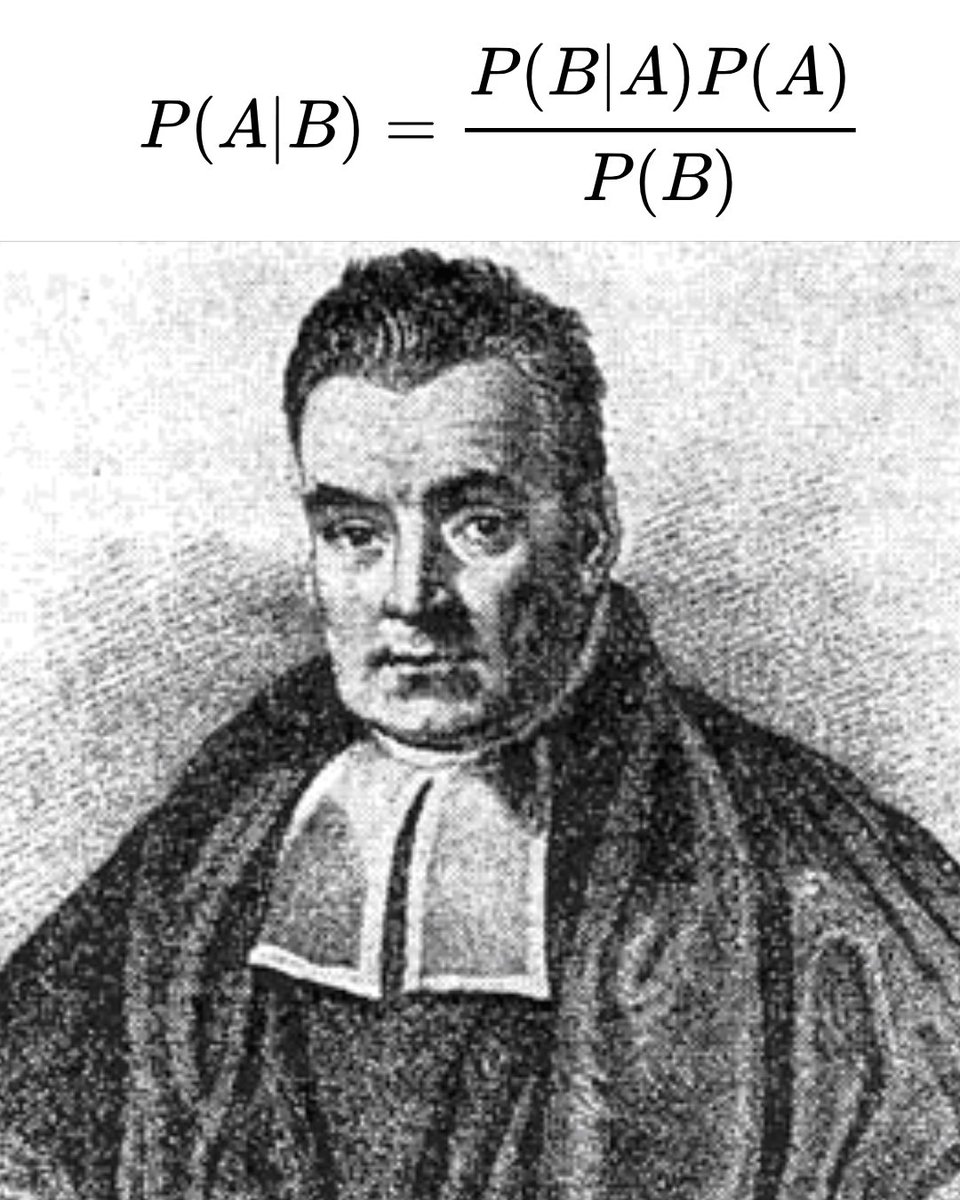
Bayes’ theorem is probably the single most important thing any rational person can learn.
So many of our debates and disagreements that we shout about are because we don’t understand Bayes’ theorem or how human rationality often works.
Bayes’ theorem is named after the 18th-century Thomas Bayes, and essentially it’s a formula that asks: when you are presented with all of the evidence for something, how much should you believe it?
Bayes’ theorem teaches us that our beliefs are not fixed; they are probabilities. Our beliefs change as we weigh new evidence against our assumptions, or our priors. In other words, we all carry certain ideas about how the world works, and new evidence can challenge them.
For example, somebody might believe that smoking is safe, that stress causes mouth ulcers, or that human activity is unrelated to climate change. These are their priors, their starting points. They can be formed by our culture, our biases, or even incomplete information.
Now imagine a new study comes along that challenges one of your priors. A single study might not carry enough weight to overturn your existing beliefs. But as studies accumulate, eventually the scales may tip. At some point, your prior will become less and less plausible.
Bayes’ theorem argues that being rational is not about black and white. It’s not even about true or false. It’s about what is most reasonable based on the best available evidence. But for this to work, we need to be presented with as much high-quality data as possible. Without evidence—without belief-forming data—we are left only with our priors and biases. And those aren’t all that rational.
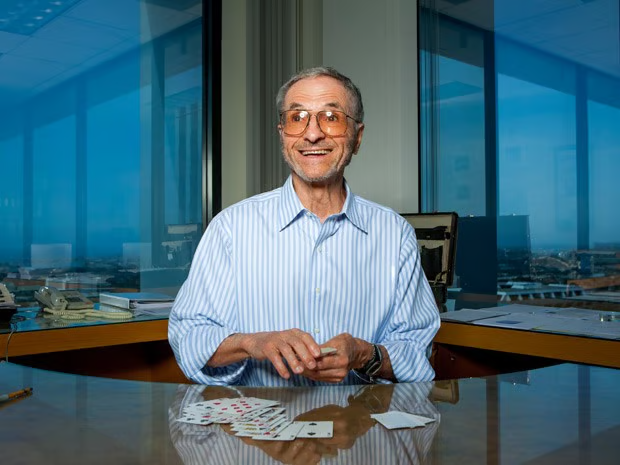
>be Edward Thorp
>born 1932 in Chicago
>Great Depression kid
>dad loses everything
>age 7, calculate the number of seconds in a year in your head
>teachers don't know what to do with you
1940s:
>obsessed with science experiments
>build radios, explosives, whatever you can find
>nearly blow yourself up multiple times
>parents too poor for books
>you just figure things out
1950s:
>UCLA for physics
>then PhD in mathematics
>graduate, become a professor
>MIT, then UC Irvine
>respectable academic career ahead
>but you're bored
>you want to beat something
1958:
>go to Las Vegas for the first time
>watch the blackjack tables
>everyone loses
>the house always wins
>you: "does it though?"
>start calculating
1959-1961:
>lock yourself in a room with probability theory
>realize blackjack can be beaten
>the deck has memory
>if you track the cards, you know when the odds shift
>when odds favor you: bet big
>when they don't: bet small
>card counting: invented
1962:
>publish "Beat the Dealer"
>first mathematically proven system to beat a casino game
>the book sells like crazy
>casinos panic
>they change the rules
>add more decks
>ban counters
>you don't care
>you already moved on
meanwhile:
>meet Claude Shannon at MIT
>the father of information theory
>one of the smartest humans alive
>you two become friends
>build the first wearable computer together
>size of a cigarette pack
>hides in your shoe
>predicts where roulette balls will land
>test it in Vegas
>it works
>you're literally decades ahead of everyone
1964:
>casinos have had enough
>you're banned everywhere
>wear disguises
>they still find you
>move on to a bigger casino
>Wall Street
1967:
>publish "Beat the Market" with Sheen Kassouf
>discover convertible bond arbitrage
>find mispricings between stocks, bonds, warrants, options
>the market is just another game
>with worse security than Vegas
1969:
>start Princeton Newport Partners
>one of the first quantitative hedge funds
>before quants were a thing
>before Black-Scholes
>before computers on every desk
>just you and math
the returns:
>20% annually
>for 20 years
>almost no losing months
>risk-adjusted: better than Buffett
>nobody knows who you are
>you like it that way
1980s:
>a broker keeps pitching you on a new fund
>guy named Bernie Madoff
>returns are too smooth
>too consistent
>you run the numbers
>the math doesn't work
>either he's front-running or fabricating
>you pass
>warn others
>nobody listens
>Madoff exposed 17 years later
>you saw it in 1991
1988:
>Princeton Newport gets raided
>feds investigating your partner for tax fraud
>you're clean
>but you shut it down anyway
>take your money, walk away
>start managing just your own capital
1990s-2000s:
>keep compounding quietly
>estimated net worth: $800 million+
>no Forbes profile
>no CNBC interviews
>just math and patience
still alive:
>93 years old
>still sharp
>wrote a memoir in 2017: "A Man for All Markets"
>still exercises
>still invests
>still thinks everyone else is doing it wrong
invented card counting.
invented wearable computers.
invented quant investing.
spotted Madoff before anyone.
the mathematician who treated the world as a casino.
and never stopped winning.
"You want to start your day with protein and fat."
Dr. Mark Hyman cites a "profound" Harvard study showing that carbohydrate-heavy breakfasts like oatmeal trigger far higher stress hormone activity and hunger than protein and fat-based meals such as omelettes.
"When you have starch or sugar in the morning—whether it's a muffin, a bagel, oatmeal, French toast, pancakes, whatever people are eating—it's the worst thing you could do."
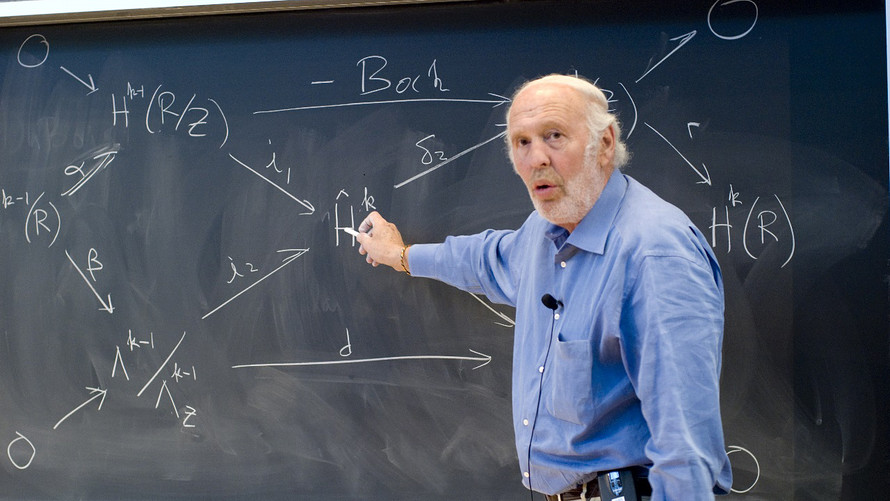
>be Jim Simons
>born 1938 in Brookline, Massachusetts
>shark eyes, warm smile, galaxy brain
>age 3, realize numbers double infinitely
>age 4, obsessed with Zeno's paradox
>parents: "what is wrong with this kid"
1950s:
>MIT at 17
>graduate in 3 years
>too easy
>Berkeley PhD in 2 years
>thesis is 20 pages
>advisor doesn't know if it's genius or insane
1964:
>join the NSA
>job: crack Soviet codes
>coldest war, hardest puzzles
>you're very good at this
1967:
>write a letter to the New York Times
>call Vietnam "a stupid war"
>NSA: "you can't do that"
>you: "just did"
>fired immediately
1968:
>become math professor at Stony Brook
>age 30, youngest department chair ever
>do actual math
>invent Chern-Simons theory
>physicists use it for decades
>you treat it like a footnote
1978:
>get bored of academia
>everyone says markets are random
>you: "what if that's bullshit"
>start trading with math
1982:
>found Renaissance Technologies
>strip mall office in Long Island
>no suits, no MBAs
>hire physicists, astronomers, codebreakers
>Wall Street experience? disqualifying
1988:
>launch Medallion Fund
>close it to outsiders almost immediately
>only employees can invest
>this matters
the method:
>find patterns humans can't see
>trade thousands of times a day
>tiny edge × massive volume × time = infinite money
>nobody knows exactly how
>employees sign insane NDAs
>secrets go to the grave
the returns:
>66% annually before fees
>39% after fees
>for 30+ years
>not a single losing year
>2008 financial crisis: +82.4%
>best track record in history
>better than Buffett, Soros, everyone
>not even close
the money:
>net worth hits $31 billion
>all from math
>no oil, no inheritance
>just patterns in the noise
tragedy:
>son Paul died in 1996 bicycle accident
>son Nicholas drowns in 2003
>two sons gone
>pour billions into autism research, math education, basic science
May 2024:
>die at 86
>never wrote a memoir
>never explained how Medallion works
>never needed credit
the codebreaker who cracked the market.
66% a year.
30 years.
the greatest investor who ever lived
and nobody knows how he did it.
Google will have the control over all mobile (ai) usage data … what essentially is an extreme long term advantage.
They have their hands now in all systems, and get the usage data … which will be used for new models.
No other competitor can withstand this long term.
Real Luxuries in Life
1. Living 10 minutes from work
2. Living 5 minutes from the gym
3. Having quiet neighbors
4. Having money left at the end of the month and investing it
5. Peace at home
6. Drinking coffee without rushing
7. Sleeping with a clear conscience
8. Laughing with people who truly get you
9. Traveling every year
10. Waking up naturally without an alarm
11. Enjoying a home-cooked meal with loved ones
12. Having time to read a book in one sitting
13. Finding joy in simple daily routines
14. Having a pet that greets you happily at the door
These are the things that actually feel rich.