#ACG New Guideline on UGIB 📛🔴
Glasgow Baltchford Score (GBS) as a tool to categorize patients in:
1. Very-low risk ❗
(Discharge from ER)
2. Not very-low risk❗
(Admit & Resuscitate)
@AmCollegeGastro@AmJGastro@drbughio@helpatologist@sksadiksk
https://t.co/zGkAagcXeY
Best abstract award (2 of 2) at #ESGEDays2026 goes to Mike de Jong for the FLUYT2 trial on post ERCP pancreatitis prevention after pancreatic duct cannulation. The study supports routine PD stenting, but ideally NOT with a straight plastic stent 👏🏆
Alcohol is a carcinogen. Patients with alcohol liver disease (ALD) have higher cancer risk.
A large meta-analysis shows >2x increased risk of de novo malignancies in ALD patients after liver transplantation.
👉 We need systematic, intensified cancer surveillance.
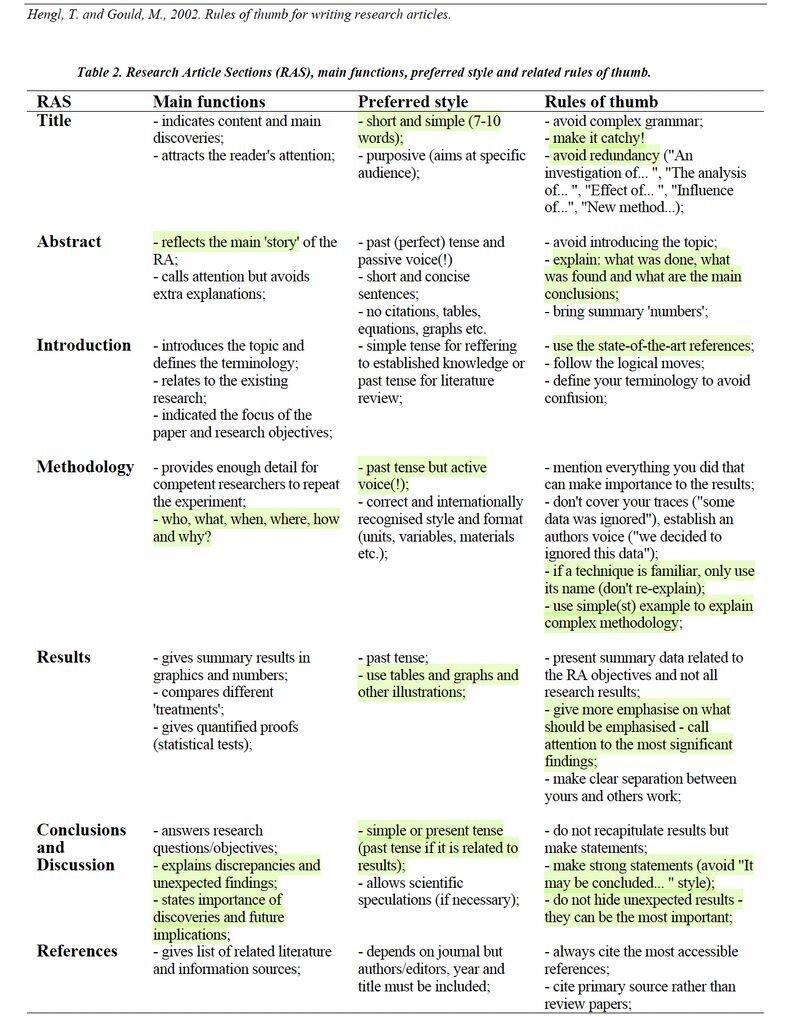
Golden rules for writing research that gets published
Save it for your next manuscript & Retweet to help your network!
— Pick concrete words over abstract ones
— Write for your readers, not yourself
— Use your natural voice, then polish
— Tell a focused story - stay on track
— Own your work and decisions
— Make confident statements
— Cut unnecessary words
— Keep examples simple
— Stay self-aware
𝗪𝗵𝗮𝘁'𝘀 𝘆𝗼𝘂𝗿 𝘁𝗼𝗽 𝘁𝗶𝗽 𝗳𝗼𝗿 𝗰𝗹𝗲𝗮𝗿 𝗿𝗲𝘀𝗲𝗮𝗿𝗰𝗵 𝘄𝗿𝗶𝘁𝗶𝗻𝗴?
----------------
𝗙𝗼𝘂𝗻𝗱 𝗶𝘁 𝘂𝘀𝗲𝗳𝘂𝗹?
🔄 Retweet (& like)
+ follow + 🔔
I test AI tools to simplify your #research & #analysis
(& 𝘤𝘰𝘯𝘥𝘶𝘤𝘵 𝘵𝘳𝘢𝘪𝘯𝘪𝘯𝘨𝘴 𝘰𝘯 𝘵𝘩𝘦𝘮)
1/9
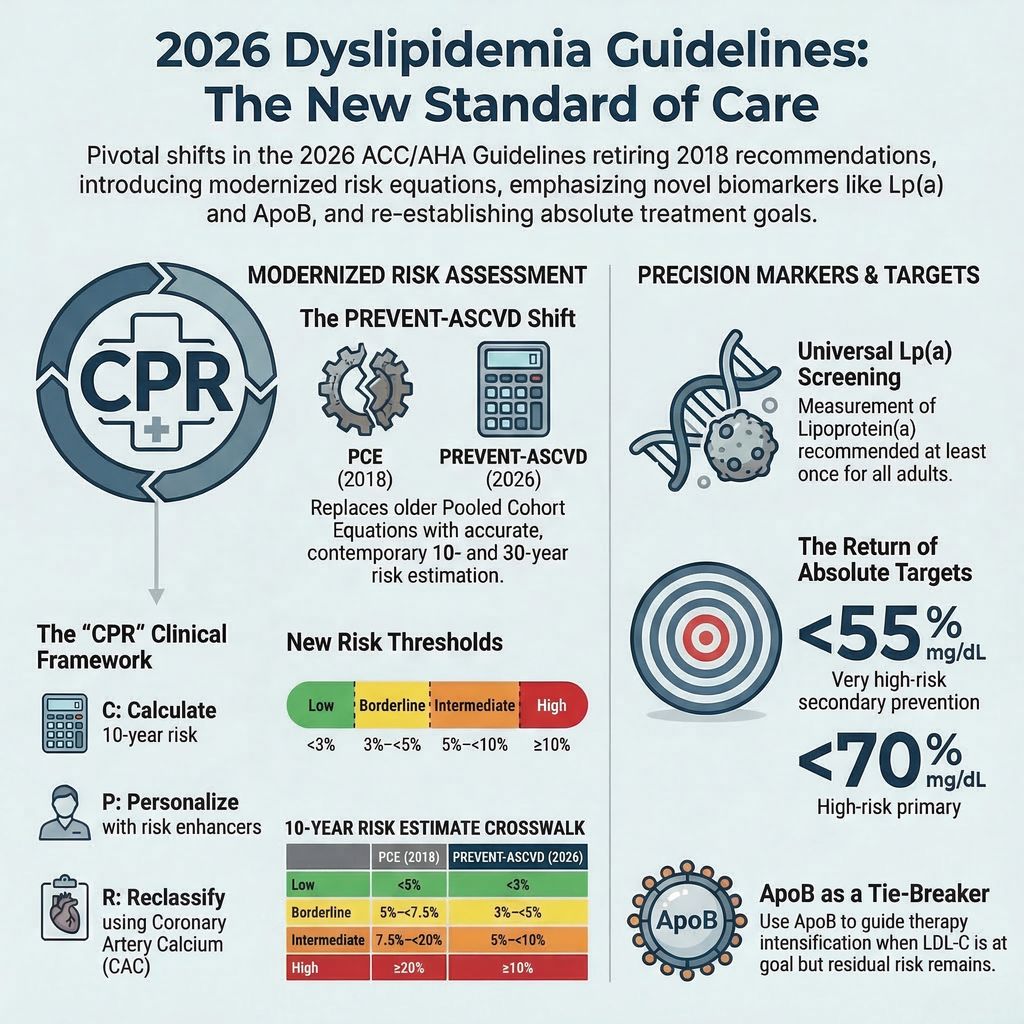
The 2026 ACC/AHA Dyslipidemia Guidelines are officially here!
Replacing the 2018 guidelines, these new updates bring major shifts in risk assessment, novel lipid markers, and cholesterol targets.
Here are the most salient features you need to know. 🧵👇
#Cardiology #MedTwitter
Spain’s PM Pedro Sanchez has condemned the US-Israel war on Iran as a breach of international law, emerging as one of the sole Western leaders to denounce the attacks.
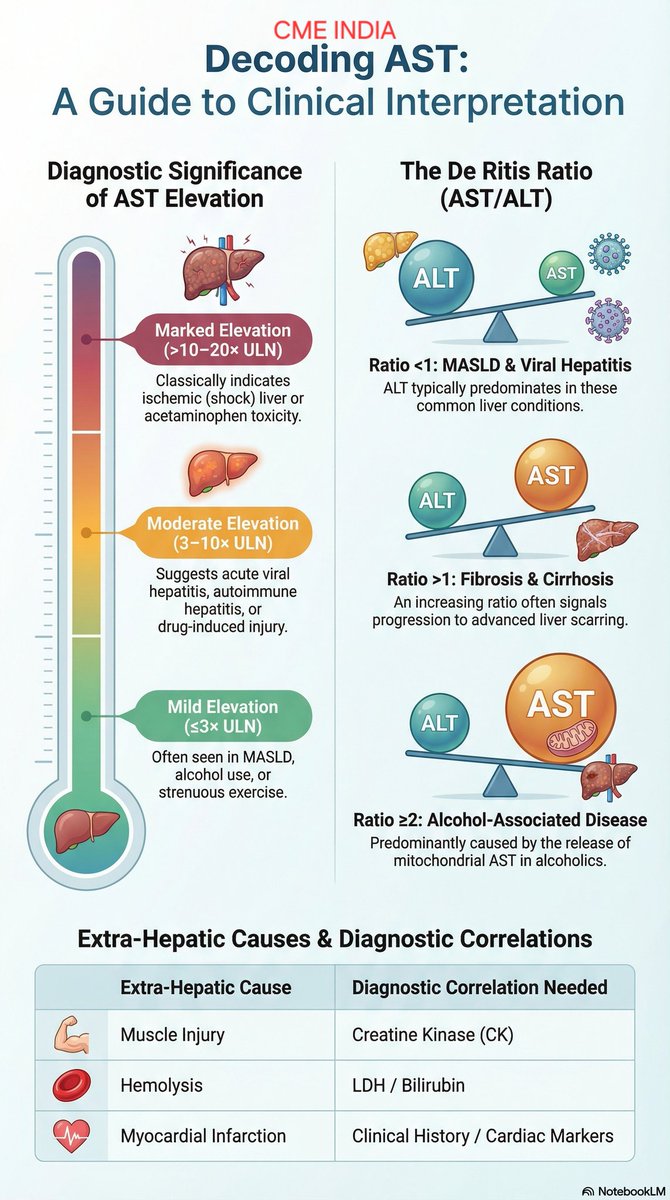
SGOT (AST) in Liver Function Tests: Clinical Significance
(CME INDIA)
Serum glutamic-oxaloacetic transaminase (SGOT), now termed aminotransferase (AST), is a transaminase enzyme present in both the cytosol and mitochondria of hepatocytes and in high concentrations in cardiac muscle, skeletal muscle, kidney, brain, and red blood cells. Hence, AST is a sensitive but relatively non-specific marker of hepatocellular injury.
AST elevation reflects cellular necrosis or membrane leakage but does not exclusively indicate hepatic origin.
Degree of Elevation – Diagnostic Implications
• Mild elevation (≤2–3 × ULN)
Seen in MASLD, alcohol use, chronic viral hepatitis, hypothyroidism, statin therapy, strenuous exercise, and muscle disorders.
• Moderate elevation (3–10 × ULN)
Suggests acute viral hepatitis, autoimmune hepatitis, evolving ischemic hepatitis, or significant drug-induced liver injury.
• Marked elevation (>10–20 × ULN)
Classically seen in ischemic (shock) liver, acetaminophen toxicity, acute viral hepatitis, severe autoimmune hepatitis, and massive hepatic necrosis.
AST vs ALT – De Ritis Ratio (AST/ALT)
This ratio provides crucial etiologic clues:
• AST/ALT <1 → MASLD, viral hepatitis (ALT predominant)
• AST/ALT >1 → Advanced fibrosis or cirrhosis
• AST/ALT ≥2 → Strongly suggestive of alcohol-associated liver disease (mitochondrial AST release)
• Very high AST with modest ALT → Ischemic injury, muscle breakdown, or hemolysis
Extra-Hepatic Causes of Raised AST (Key Pitfall)
Because AST is widely distributed:
• Myocardial infarction
• Myositis, rhabdomyolysis, strenuous exercise
• Hemolysis
• Hypothyroidism
• Macro-AST (benign persistent elevation)
Always correlate with:
ALT
CK / LDH
Clinical context
Important Clinical Pearls
• AST is less liver-specific than ALT and should never be interpreted in isolation.
• Mitochondrial AST predominance explains high AST in alcoholic liver disease.
• Rising AST with falling ALT may indicate progression to advanced fibrosis or cirrhosis.
• Normal AST does not exclude chronic liver disease.
• Disproportionately high AST with normal bilirubin may point to muscle or cardiac pathology rather than liver disease.
Interpretation in the Present LFT Context
Reported SGOT (AST): 51.6 U/L (mild elevation)
With:
Normal ALT (29.5 U/L)
Predominantly indirect hyperbilirubinaemia
Normal ALP
This pattern suggests: • Mild hepatocellular stress, or
• Non-hepatic AST source, or
• Early/resolving hepatic injury
Alcohol use, muscle injury, hemolysis, or Gilbert’s syndrome with intercurrent stress should be considered.
Take-Home Message
AST is a sensitive but non-specific marker of hepatocellular injury. Its greatest diagnostic value lies in interpretation alongside ALT and the AST/ALT ratio, which provides powerful clues to alcohol-related disease, fibrosis, and ischemic injury.
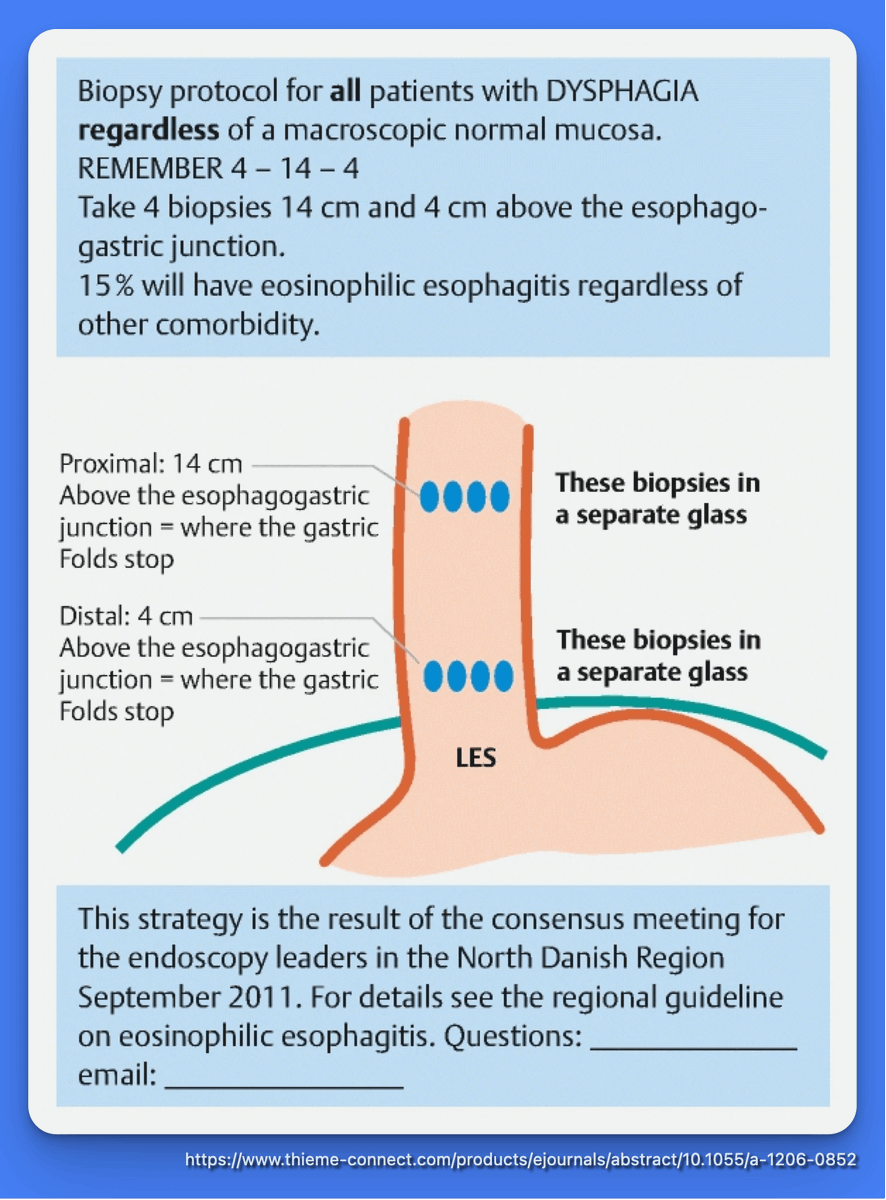
📊 1 in 7 patients with dysphagia and normal-looking mucosa have EoE.
That's why the 4-14-4 biopsy protocol isn't optional—it's essential:
The Protocol:
Proximal: 4 biopsies at 14 cm above GEJ
Distal: 4 biopsies at 4 cm above GEJ
Keep specimens separate
The Payoff:
Diagnostic yield of 15% in macroscopically normal esophagus
Your endoscopy report might say "normal," but the pathology could tell a different story.
New insights on assessing LIVER FIBROSIS with NON-INVASIVE TESTS, just released by @NEJM:
- Key techniques & thresholds.
- Practical algorithms & actionable steps.
https://t.co/KkPHLNaLh3
🧵 A detailed thread 👇
📌 Understanding ESR – Erythrocyte Sedimentation Rate
Tweet 1:
A simple blood test, yet a powerful clue in medicine. But what exactly does it measure? And how do we interpret it correctly? 🩸🔬
@IhabFathiSulima @DrAkhilX @CelestinoGutirr@RACC_UK@Drkhenaizan #MedTwitter #RheumatX
A 60-year-old man with hypertension, heart disease, and bowel issues was hospitalized for worsening anemia despite taking oral iron supplements.
https://t.co/JOCngeLRY4