If you're even half interested in energy, I bet you've seen this chart. I call it The Most Hopeful Chart in the World.
The point? We're embracing renewable power MUCH faster than expected.
Hurrah!
Only problem is, this chart has an evil twin. A chart we really need to discuss
🧵
When you reframe the energy transition as a technology transition, a kind of Industrial Revolution, these stats - and their implications - are enormous.
This week, in China:
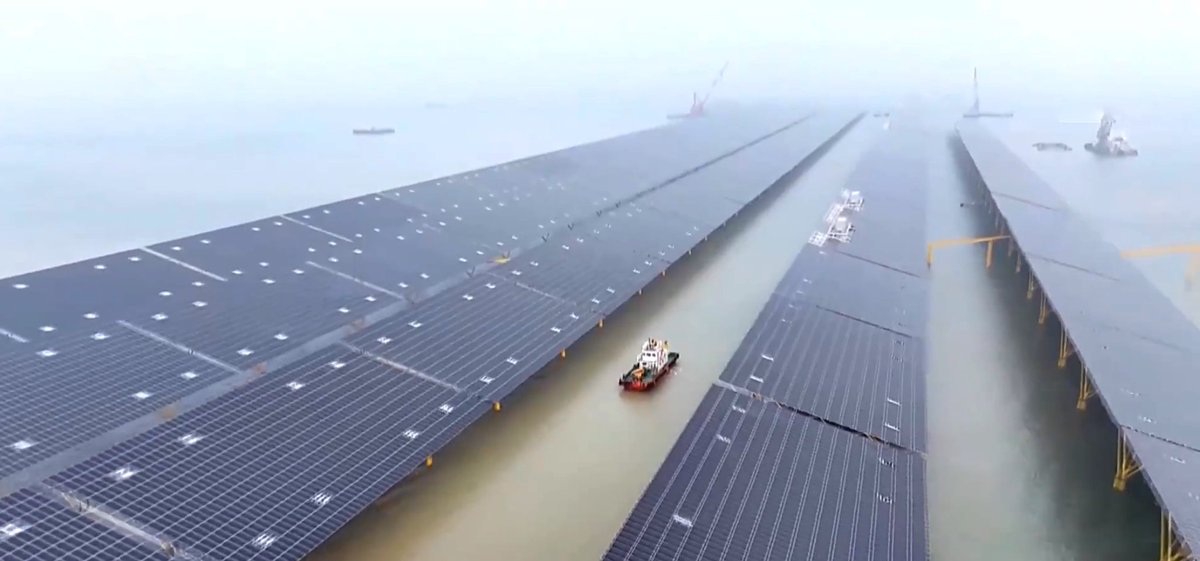
> World's largest offshore solar (yes, open-sea solar) project starts generating power
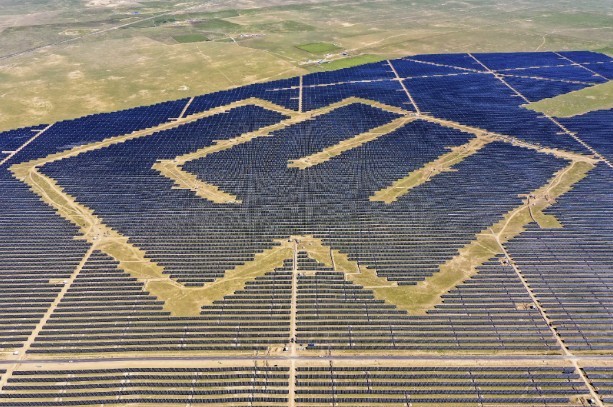
> World’s 2nd-largest solar plant (3GW) goes online after just 14 months of construction
Meanwhile, lots keeping talking about hydrogen and SMRs, slowing decarbonization
EU subsidized fossil fuels more generously than renewables ('22)
@davidfickling is back:✍️
"Need 1 piece of absurdity? US has more restrictions on importing Malaysian solar panels made with Chinese materials than it has on importing Indian diesel made from Russian crude oil."
We need to stop thinking of “green growth” as being the sum of investment in and jobs from renewables and grid - and more about the green dividend that can come from lower input prices across the economy and lower household bill
Solar PV.
68 years from the Bell Solar Battery (1954) to the first terawatt installed (2022).
2 years (2024) to install the second terawatt.
@GSolarCouncil
Already today with the current electricity mix in the UK heat pumps reduce fossil fuel consumption 4x compared to gas boilers.
Nice visual from @ember_energy.
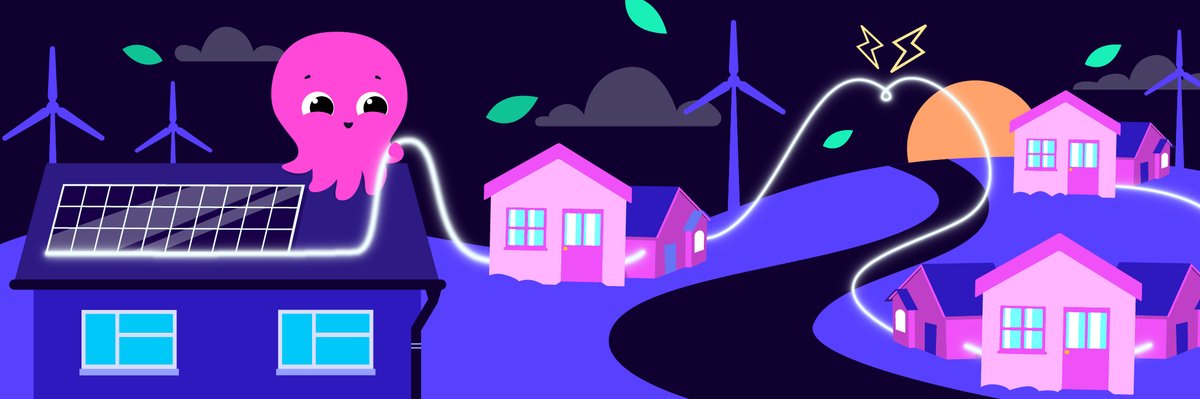
My personal motivation for our solar install was self-consumption. The excess export I see as a bonus so I'm happy to gift that to those that can benefit from it. We've therefore launched this https://t.co/sKXUAWKg6B
New: National Infrastructure Commission publish major report looking into the underlying causes of the UK's high infrastructure costs.
Here are some of the key insights. 🧵
Watch us build a wind turbine in under 8 hours ▶️
This new turbine (we’re calling him Fat Boy Spin) is the first one to ever go up in central Berlin. #EnergyTechSummit@WIRED
In particular love this line: “With technology improvements in generation, we're entering an era of energy abundance. We need to use one of our oldest technologies (price signals) to unlock the benefits of that new technology.” 🪄✨
8. Also, we can get a lot more out of our existing infrastructure by increasing off-peak demand.
Smart EV charging would allow us to electrify every car in the U.S. without increasing peak demand.
Smart electric water heaters can heat water when capacity is underutilized and store that water for later use.
Even smart pool heaters or driveway heaters. As long as they're not running during peaks, the cost to supply that electricity is tiny.
There are all kinds of new things that consumers can do without requiring any new grid infrastructure.
With technology improvements in generation, we're entering an era of energy abundance. We need to use one of our oldest technologies (price signals) to unlock the benefits of that new technology.
👇recommend this thread on some of the bonkers ways the current system works and what we can do to enable a more efficient, cheaper, greener elec system
1. I don't think people realize just how expensive electricity used to be.
Real electricity prices are HALF of what they were in 1960.
The "good old days" of "cheap coal" is just cheap propaganda.
Today is the day the UK becomes the first G7 country to completely phase out coal power
Since opening "Jumbo", the world's first coal power plant in 1882, the UK's coal plants have burned through a whopping 4.6bn tonnes of coal, emitting 10.4GtCO2 – which is more than most countries have ever released
Here's the story of how that all came to an end:
https://t.co/jOMqWjo4Vs