Most temporal lobe seizures are not localised by one symptom in OPD.
Not by déjà vu.
Not by lip smacking.
Not by one abnormal EEG line.
They are localised by watching the seizure movie in order.
Think of TLE as a subway map.
Station 1: Aura Gate
Ask: what happened first?
Rising epigastric sensation, fear, déjà vu, smell or taste aura
Think mesial temporal.
Auditory buzzing, ringing, vertigo, sound in one ear
Think lateral temporal.
Station 2: Consciousness Station
When did the patient stop responding?
Temporal seizures often build gradually and leave confusion behind.
Absence is brief.
Frontal can be abrupt and dramatic.
Tempo matters.
Station 3: Automatism Junction
The mouth says temporal.
The hands may tell the side.
Lip smacking, chewing, swallowing
Temporal network.
Manual automatisms
Often ipsilateral.
Dystonic stiff arm
Contralateral.
One OPD question can be gold:
Which hand was fumbling, and which arm became stiff?
Station 4: Lateralisation Signal Box
Dystonia, clonus, forced version
Opposite hemisphere.
Postictal nose wipe
Same side.
Aphasia or postictal dysphasia
Dominant hemisphere.
Ictal speech or vomiting
Often non-dominant, but interpret with caution.
Station 5: Temporal-Plus Trap Exit
Some seizures only look temporal.
Think insula, operculum, orbitofrontal or TPO network when there is:
throat tightness
painful aura
perioral sensory symptoms
early hypermotor behaviour
discordant MRI, EEG and semiology
failed temporal surgery
The temporal lobe may be the platform.
The train may have entered from another line.
OPD rule worth saving:
Localise TLE by the movie:
First symptom
tempo
automatisms
lateralising signs
postictal language
EEG/MRI concordance
Not one sign.
The whole seizure sequence. #Neurotwitter #Medtwitter #TLE
For more than 20 years, the entire Alzheimer's field chased one target: amyloid.
The next wave doesn't all chase amyloid. In 2026, the Alzheimer's pipeline has 11 readouts across 5 mechanism classes. The deepest year on record. Only three of the eight bets still target amyloid. The rest:
1. Remternetug (Lilly): next-gen anti-amyloid, self-injection. 100% plaque clearance in 3 months at top dose. Phase 3 data imminent.
2. Leqembi SC (Eisai/Biogen): at-home version of Leqembi. FDA decision May 24.
3. BIIB080 (Biogen/Ionis): first anti-tau drug to test efficacy in humans. ~60% CSF tau reduction. Q2/Q3 readout.
4. Sabirnetug (Acumen): targets soluble Aβ oligomers, not plaque. Zero ARIA in Phase 1.
5. ACI-24.060 (AC Immune/Takeda): anti-amyloid vaccine. 1-2 shots a year. Interim PET data 1H 2026.
6. AXS-05 (Axsome): oral, treats AD agitation without sedation. PDUFA late April.
7. Xanamem (Actinogen): first oral drug to lower brain cortisol. 60% slowing in high-pTau patients. November data.
8. AL101 (Alector/GSK): boosts progranulin, the brain's clean-up signal. Futility check 1H 2026.
One mechanism for two decades. Five in one year.
PNR: WJ9KVK (4 pax)Flight: SG 696, Mumbai to Ahmedabad, 18 May 2026 You changed the timing to 02:20 hrs. Want to reschedule or cancel the booking. Website shows “request could not be processed”and customer care keeps me on hold. Help urgently. Dr Shalin Shah @flyspicejet
We’ve trained a multimodal AI model to turn routine pathology slides into spatial proteomics, with the potential to reduce time and cost while expanding access to cancer care.
On Indigo flight 6E 2094 on 16 th February (Amritsar to Delhi), our prebooked meal changes weren’t reflected, and our family of 4 was given vegan food, which we had to return. Special thanks to lead flight attendant Jasleen for offering alternative options.
#Indigo6E
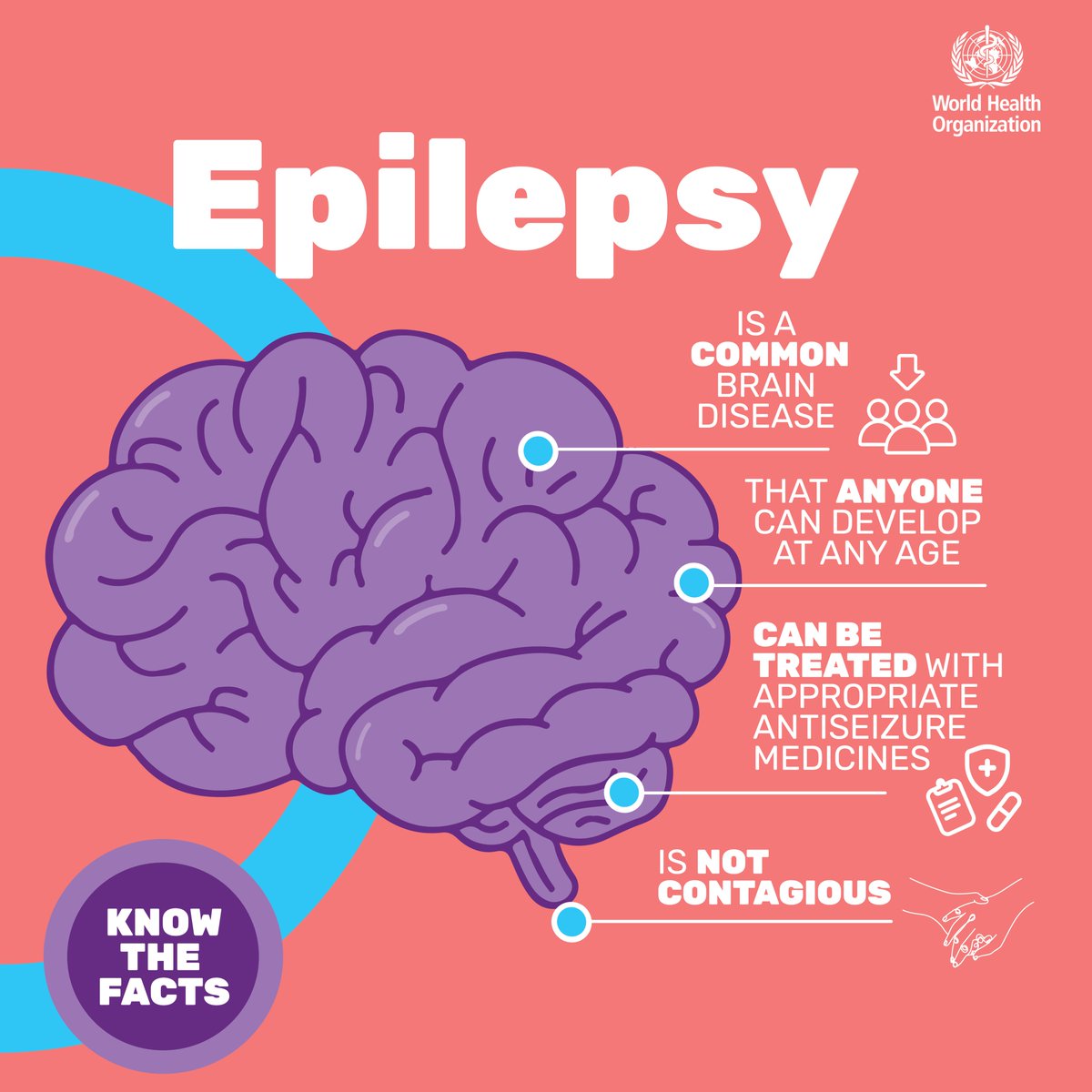
Today is World #EpilepsyDay#Epilepsy is one of the most common neurological disorders.
Anyone can develop it at any age.
It’s not contagious & it's treatable.
Know the facts so you can help tackle the myths & misconceptions that lead to stigma & discrimination https://t.co/4JOUWwnukl
Are you right when it’s bright?
Bright cortical signal on diffusion images is classically associated w/hypoxic-ischemic injury.
But there are many mimics!
Do you know how to recognize the different patterns of cortical restricted diffusion? Here’s a figure & some pearls to help!
Cortical restricted diffusion many seen in a variety of conditions—many with VERY different pathophysiology & prognosis.
There are 6 main patterns:
(1) Cortex & deep gray
(2) Diffuse Cortex
(3) Focal Cortex
(4) Limbic
(5) Deep gray
(6) White matter
Here are some steps to help differentiate:
(1) Is the presentation acute or chronic?
(2) If it’s acute, toxic-metabolic & hypoxic-ischemic events account for the majority of cases. Seizure & encephalitis are less frequent and typically more focal
(3) In the chronic setting, isolated cortical involvement is almost diagnostic of CJD
Hopefully, this will clear up any confusion about the diffusion!
11.7 Tesla Brain MRI 🧠 !
First scans from the world's most powerful MRI scanner! 🔥
It costs around 75 million euros for the 11.7 Tesla MRI machine! 😮 😲
#brain#Neurology#mri#HealthAwareness#radiology
🌟STEROID THERAPY - Tapering of dose
It is recommended not to taper glucocorticoids in patients on short-term steroid therapy of <3-4 weeks, irrespective of the dose.
In these cases, glucocorticoids can be stopped without testing due to low concern for HPA axis suppression.
Swinnen et al. explore the neural basis of anxiety in Parkinson’s disease by examining brain activity in patients with implanted DBS electrodes, and show that low frequency theta power in the basal ganglia is positively associated with trait anxiety. https://t.co/kLCtCYNimw
This study provides Class II evidence that for patients with early symptomatic Alzheimer disease, zagotenemab does not slow clinical disease progression: https://t.co/LbsVLvPyhK
#NeuroTwitter
A simple way to improve your mood is to curate your feed.
Evidence: People were randomly assigned to unfollow accounts that spewed hostility, hyperpartisan views, and low-quality information.
6 months later, they had significantly higher well-being and lower outgroup animosity.