Turkish neurosurgeon Mahmut Gazi Yasargil (1925-) developed a flexible self-retaining retractor in 1977 which he named Leyla, after his daughter, whose wooden articulating toy snake inspired the design. Originally cranial-mounted, it was later adapted to be table-mounted.
1-Son 1 haftadır covid 19 krizinden cikmak için yapılan test sayısının çok önemli olduğundan bahsetmiştim
Covid 19 salgını için yapılan testler ile ilgili bir araştırma yaptım. Test sayısını artırmak niye bu kadar zor açıklamaya çalışacağım
#Covid_19
We stand by Italy during these trying times. Share your Support for our Italian friends, They are our colleagues, friends and family. Cari amici, siamo con voi. #COVID19#WeStandWithItaly
We stand by Italy during these trying times. Share your Support for our Italian friends, They are our colleagues, friends and family. Cari amici, siamo con voi. #COVID19#WeStandWithItaly
Whole-genome sequencing data for 2,778 cancer samples is used in a study in Nature to reconstruct the evolutionary history of cancer, revealing that driver mutations can precede diagnosis by several years to decades. https://t.co/XHNzktl7Fp
In 2010, the eradication of measles was considered achievable by 2020. But that time is almost here, and the disease is not close to being eradicated. In fact, it is on the rise. https://t.co/ShXwmT55LH
This is where #AI machine vision during colonoscopy is headed: not just helping to pick up flat, sessile, missed lesions, but also to real-time classify regarding #cancer via @LPIXEL_Inc H/T @DrAmithaMD
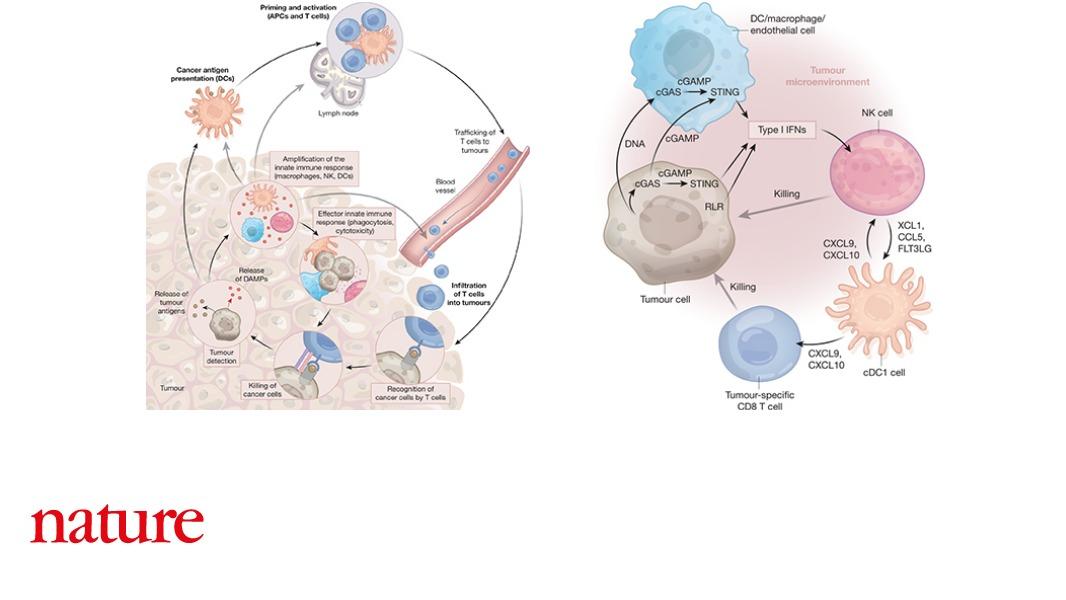
A Review in Nature discusses recent developments in our understanding of the antitumour effects of the innate immune system and how this system could be harnessed in the clinic. https://t.co/qjHaiLNskX
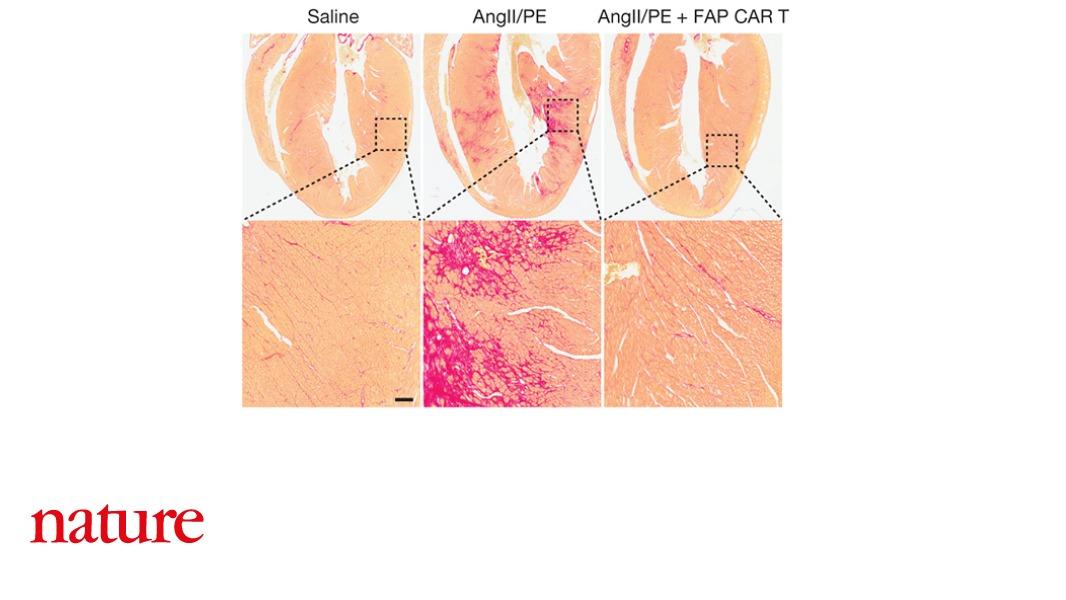
A form of cancer immunotherapy may have potential as a therapy for some heart injuries, according to a Nature paper. Targeted immune cells called CAR T cells are shown to restore heart function in a mouse model of heart injury. https://t.co/ymxXzCuMe6
A study in Nature challenges a long-standing idea that multi-celled animals evolved from a single-celled ancestor resembling a modern sponge cell. Instead, it was probably quite similar to a stem cell. Read the paper here: https://t.co/RhhDuVQFfw
News & Views: A Nature paper reports the creation of an advanced model of human embryo development that recapitulates many of the key events that happen around the time of implantation, which can help with understanding early pregnancy loss. https://t.co/8FHpDvvrLZ
A study in Nature reports a new “don’t eat me” signal emitted by cancer cells seem to use to evade detection and destruction by the immune system. The study is focused on breast and ovarian cancers. Read the paper: https://t.co/rLvz57jtG6