Kudos @drvidelock! @UCLA_CTSI KL2 Translational Award
🔹Parkinson’s disease may begin in GI tract
🎯Identify intestinal pathogenic mechanisms that may lead to identification of gut-biomarkers for early diagnosis & gut-directed therapies to halt progression in the premotor phase
Two incredible papers out on alpha-synuclein fibrils in Parkinson's disease: One showing incredible heterogeneity among alpha-synuclein stains https://t.co/CdgcdH9Yk8 and one on lack of transmissibility of alpha-synuclein between animals https://t.co/AnAy4iVuNG. @JoelWattsLab@xsakuraphie@LabMoehle
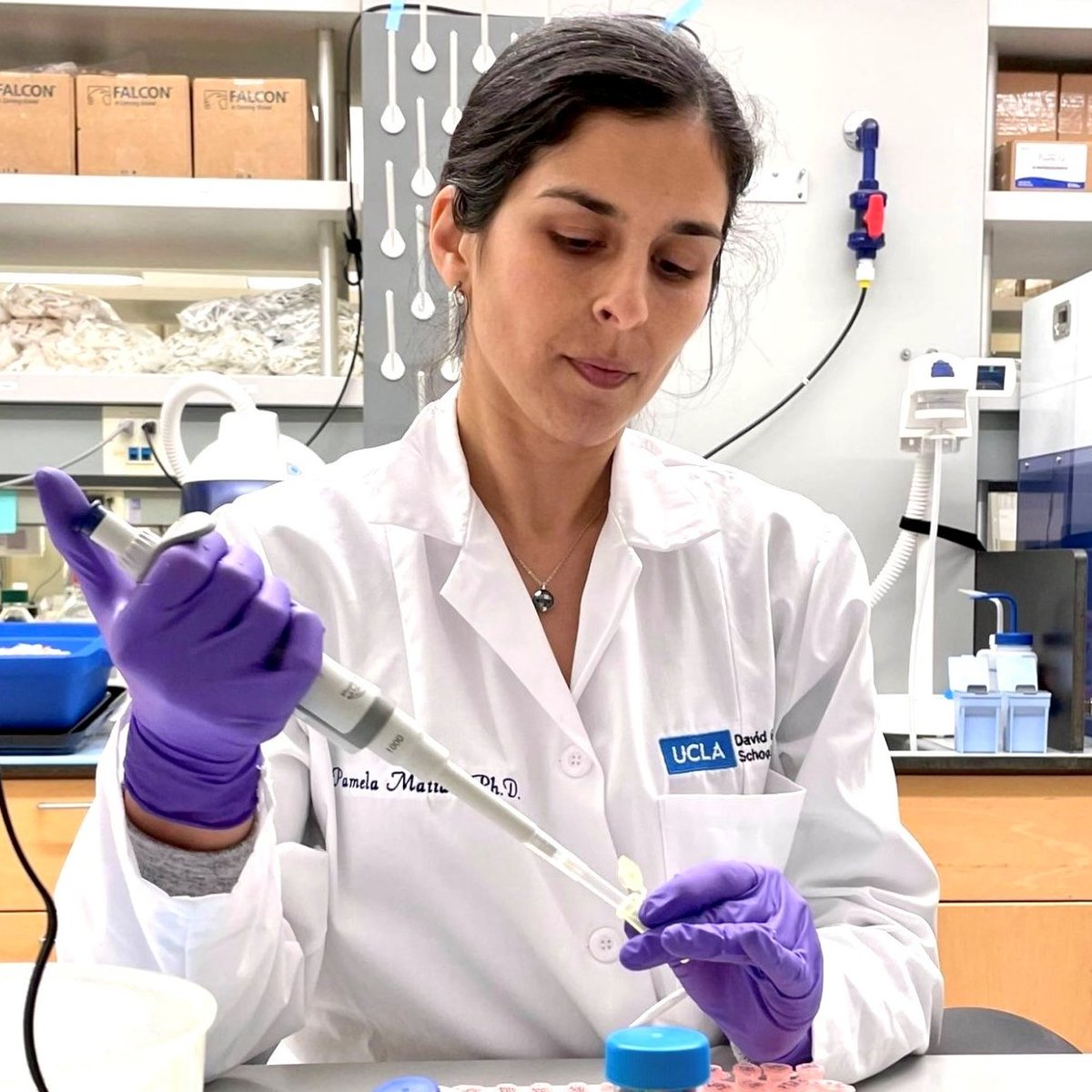
👏Pamela Mattar, PhD, #UCLAGI, awarded @NIH Research Scientist Development Award (K01). Her research focuses on uncovering how the central nervous system regulates lipid metabolism in peripheral organs, and how these mechanisms become disrupted in obesity and MASH. #LiverTwitter
Unapologetically clear, unapologetically me...how to handle unsolicited feedback
I’ve spent years learning how to communicate.
I speak the way I do because I listened.
I present the way I do because I watched.
I teach the way I do because I had to learn differently...and I never assume my audience has it all figured out either.
At #AAIC25, I attended an incredible networking event about supporting one another across the unique ways we show up in science...confident or cautious, buttoned-up or boldly balanced. It was meaningful. Uplifting.
Which is probably why I was caught off guard when, shortly after, an established professional approached me about a talk I gave the day before...one I had crushed...and offered this unsolicited gem:
“Perhaps next time, a bit more sophisticated though.”
I froze.
Not because I agreed, but because I was reminded how easily #ImposterSyndrome can creep in, even on our best days.
Here’s the truth:
My presentation style is intentional. I work relentlessly to understand complex science so I can make it accessible to everyone...from my family to frontline clinicians, early-career to established researchers, and curious minds everywhere.
Call it simple. Call it casual. Call it whatever you want.
But it’s effective, and it’s mine.
To those who feel the pressure to sound more “academic,” “technical,” or “sophisticated”... especially when your heart says otherwise:
There is power in clarity.
There is genius in simplicity.
And there is room for your voice in this field.
Long hair, big smile, clear words...devoted every day to preventing #Alzheimers and related dementias 💜
#UnapologeticallyUnsophisticated
#ScienceCommunication #DrNeuroChic #ScienceWithSoul #ClearOverComplicated
New study! Aging and nerve injury cause senescent neurons in the peripheral nervous system, driving increased pain; targeting these cells could offer a new pain treatment especially in older adults
@karagm2009
https://t.co/pm9GmNpYWp
Dr. Lenore Ackerman, UCLA urologist & @DGSOMUCLA professor, was awarded two research grants totaling more than $3mil. The grants from @DeptofDefense & @NIH will fund Dr. Ackerman's work on treatment options for chronic bladder & pelvic pain conditions. https://t.co/WIE0uzt0Qh
Have you ever wondered how hormones like estrogen interact with your gut?
A new study by Dr. David Meriwether & colleagues from the Goodman Luskin Microbiome Center @UCLA explores this gut-hormone relationship, focusing on how gut microbes may help recycle estrogens.
Five years into a seven-year study tracking brain health, @NIH funding supporting @UCDavis Dr. Charles DeCarli's lab’s project—with a goal of creating a tool for primary care doctors to detect early dementia risk—was terminated (story via @sacbee_news) https://t.co/Jw5PO6TjOF
🙌Congratulations! @AndreaShin_GI received a 2025 @AmCollegeGastro Established Investigator Bridge Funding Award to support her research on #microbiome endophenotypes over time in irritable bowel syndrome (#IBS).
👉 Full list at https://t.co/Llc90gK8QA
Thanks to Ariella Barron and Sarah Hebb for their exceptional admin work in the UCLA Division of Digestive Diseases. Ariella creates a supportive environment to foster her team’s success, while Sarah ensures smooth operations by managing division resources https://t.co/CvrEqILJOf
An important and thorough analysis of the indirect cost debate. The answer to the question in the title is "no". Is flat 15% fair? | Science https://t.co/HTsEYmTLTR
Are you an undergraduate student interested in pursuing #ExperimentalPathology#research? The ASIP Summer Research Opportunity Program in Pathology (SROPP) is a fantastic opportunity to explore! Learn more https://t.co/mB1TEao4nn
The U.S. National Institutes of Health’s recent decision to impose a 15% cap on facilities and administrative cost reimbursements is misguided and damaging, argue the authors of a new #SciencePolicyForum. https://t.co/iceIx4QzNc