Excited to share our updated HiDRO paper in @nature https://t.co/64LgHLkndq! We used HiDRO to screen for druggable regulators of 3D genome folding. We further characterized a novel noncanonical function of GSK3A in regulating cohesin. Brief summary highlighting what’s new: 1/
Our HiDRO paper is now published in @Nature https://t.co/pesGp8eLJv Since the preprint, we made a few key additions worth checking out. Thanks to reviewers for their helpful suggestions! Original tweetorial posted below:
🚨Thrilled to share our latest work, published online today @Nature in which we decipher mechanisms underlying the enigmatic VEXAS syndrome - a huge team effort @MSKCancerCenter led by superstars @VarunNarendraMD + @das_tandrila 🧵1/
https://t.co/0ubLHCbR9I
🚨New preprint from the lab🚨
🧬 What keeps certain chromatin domains anchored at the nuclear periphery? Our new genome-wide HiDRO screen uncovers a key role for RNA-binding protein hnRNPK.
https://t.co/KGTUAZqHyS
In a medical milestone, a customized base editor was developed, characterized in human and mouse cells, tested in mice, studied for safety in non-human primates, cleared by @US_FDA for clinical trial use, manufactured as a complex with an LNP, and dosed into a baby with a severe, rapidly progressing genetic disease... all in an astounding 7 months. Best of all, the infant patient shows apparent benefit. Congratulations to @kiranmusunuru, Rebecca Ahrens-Nicklas, and other team members for this heroic and inspiring effort, which has implications for the hundreds of millions of patients that suffer from thousands of genetic diseases.
https://t.co/wsgvvRYPVM
CHOP & @PennMedicine have delivered the first-ever personalized gene editing therapy for a patient with CPS1 deficiency, marking a major milestone in the application of CRISPR-based treatments.
Learn more about KJ & the future of personalized medicine: https://t.co/A9DTcNmxrR.
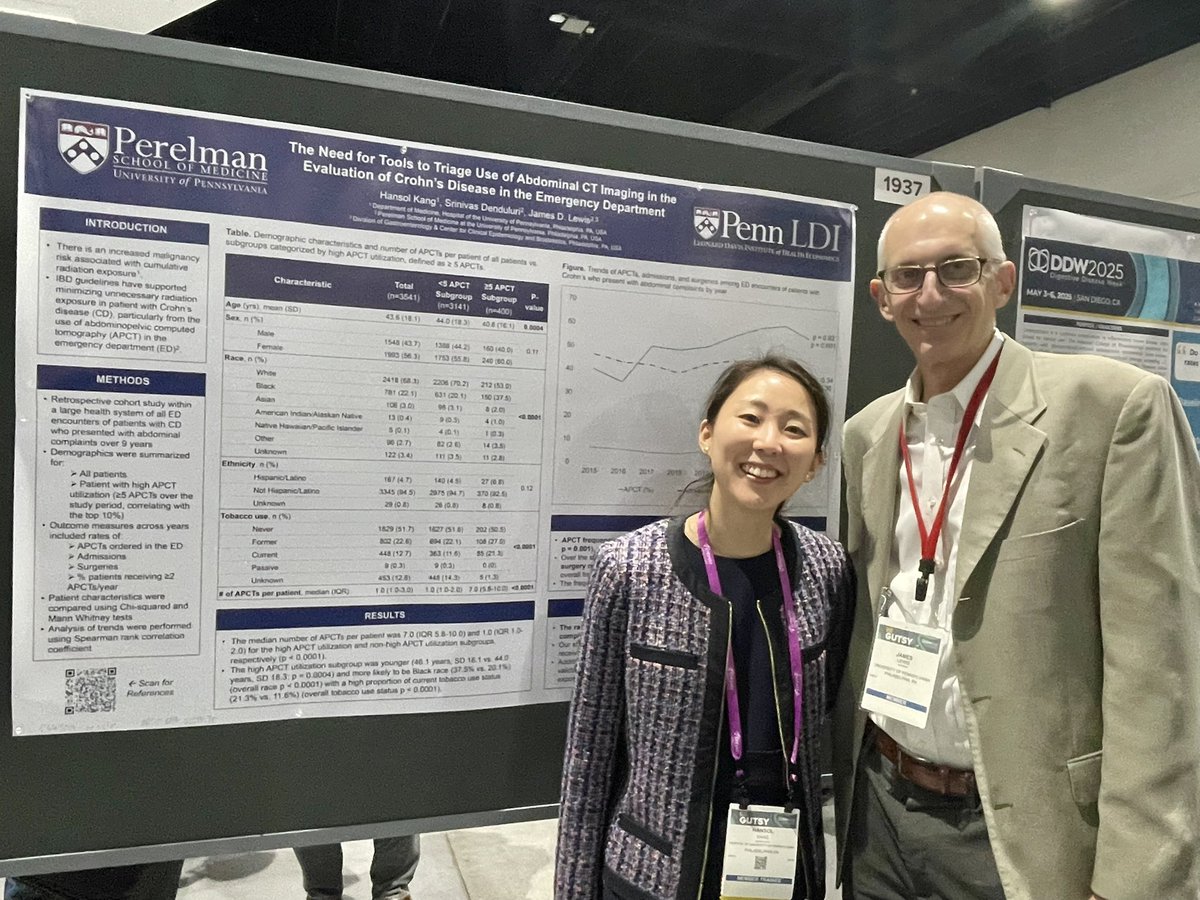
Presented on trends highlighting the need for tools to triage APCT usage in acute Crohn’s management. Grateful as always to mentors like @JamesLewisGIEpi#DDW2025#IBD
The first cancer-related story from our group @WeillCornell is now published in @MolecularCell. We investigate the role of hyperconnected 3D regulatory hubs in controlling oncogenic programs and properties in glioblastoma and also across 16 cancer types. https://t.co/ferHsbHUFO
My colleagues and I just published a paper in eClinicalMedicine evaluating effects of vaccination on long COVID risks in children and adolescents during the Delta and early Omicron periods.
These data were from the RECOVER network including 21 pediatric hospital networks from all over the USA, including 112,590 adolescents during the Delta period, and 84,735 adolescents and 188,894 children during the early Omicron period.
Long COVID-19 (post-acute sequelae of SARS-CoV-2, PASC, or multi-system inflammatory syndrom, MIS) was defined using a symptom-based computable phenotype definition based on five body systems.
Our analyses utilized propensity score weighting to adjust for confounding from age, demographics, medical co-morbidities as well as healthcare utilization including past COVID-19 testing practices, and we used proximal analyses with negative control exposures and outcomes to investigate and adjust for potential residual bias from unmeasured confounders.
In adolescents 12-20yrs, we found vaccination resulted in 95.4% reduced risk of long COVID-19 during the Delta period, and 75.1% during the Omicron period.
In children 5-11yrs, we found vaccination resulted in 60.2% reduced risk of long COVID-19 during he Omicron period.
To evaluate how much of this vaccine protection was from reduced risk of infection and how much was reduced risk of long COVID-19 independent of any effect in reducing infection, we performed a causal mediation analysis to split the total vaccine effect into indirect effects, mediated through reducing risk of infection, and direct effects, independent of any reduced risk of infection.
Again, propensity score weighting was used to carefully adjust for potential confounders.
We found that the protective effect of vaccines on long COVID-19 was almost wholly mediated through its reduced risk of infection.
Various sensitivity analyses were done and included in the online supplement along with a detailed description and explanation of all methods and modeling decisions.
@chenyong1203
https://t.co/kiiAiV9gtv
Beyond thrilled to present our O-MAP—now *published* @naturemethods (!!!)
O-MAP is a powerful new method for biochemically "dissecting" the subcellular microenvironment around an RNA of interest, using off-the-shelf parts and standard manipulations. 🧵
https://t.co/gBGsQ6dBs9
First preprint from the lab 🚨
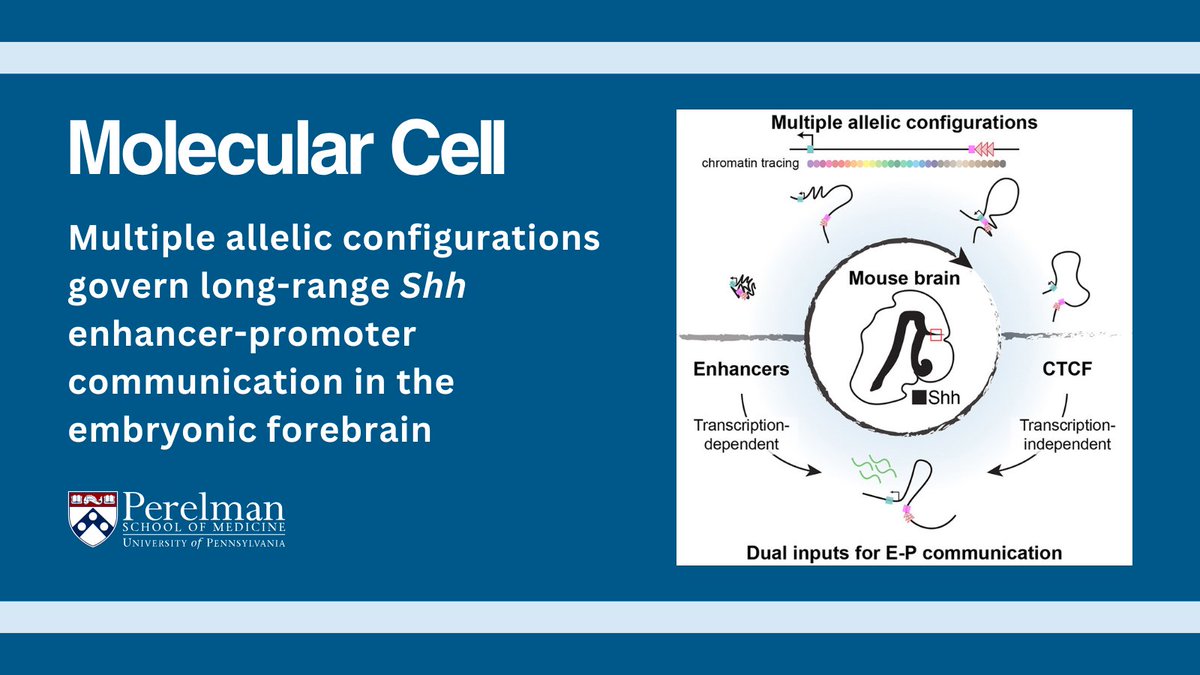
How can enhancers regulate target promoters across vast genomic distances, and what is the role of cohesin loop extrusion in the process?
https://t.co/l7bwPsTSkd
(1)
Excited that our paper is now out at @genomeresearch (https://t.co/Oth7bPaTsX)! We’ve since expanded upon our analyses of cell type-specific mRNA decay & looked at miRNA targets 😎 Thanks to our reviewers & editors for improving our work & to my coauthors Erik and @jisaacmurray !
We are organizing a free virtual workshop on Python tools for the analysis of single-cell neuronal data. Please RT and register if interested! #Single_Cell#Neuroscience#Bioinformatics
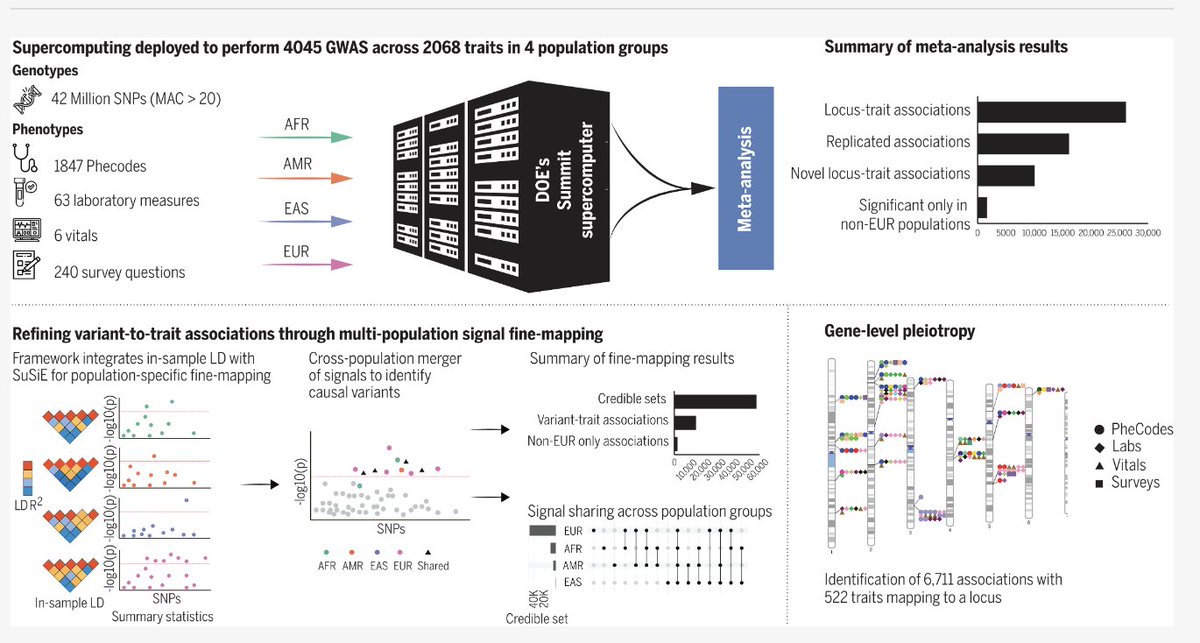
I’m thrilled to share that our work from the @VAResearch is finally out in @ScienceMagazine ! We dive deep into the genetic architecture of 2,068 traits using data from the VA Million Veteran Program, comprising 635,969 Veteran.
https://t.co/UnPZRk0QwE
Excited to share our work in collaboration with the @ericjoycelab and @RanganLab highlighting the role of Stonewall in chromatin organization in Drosophila female germline, now published and featured on the cover @GenesDev.
https://t.co/BYC40LFTD9
https://t.co/9wQnAUSZxr
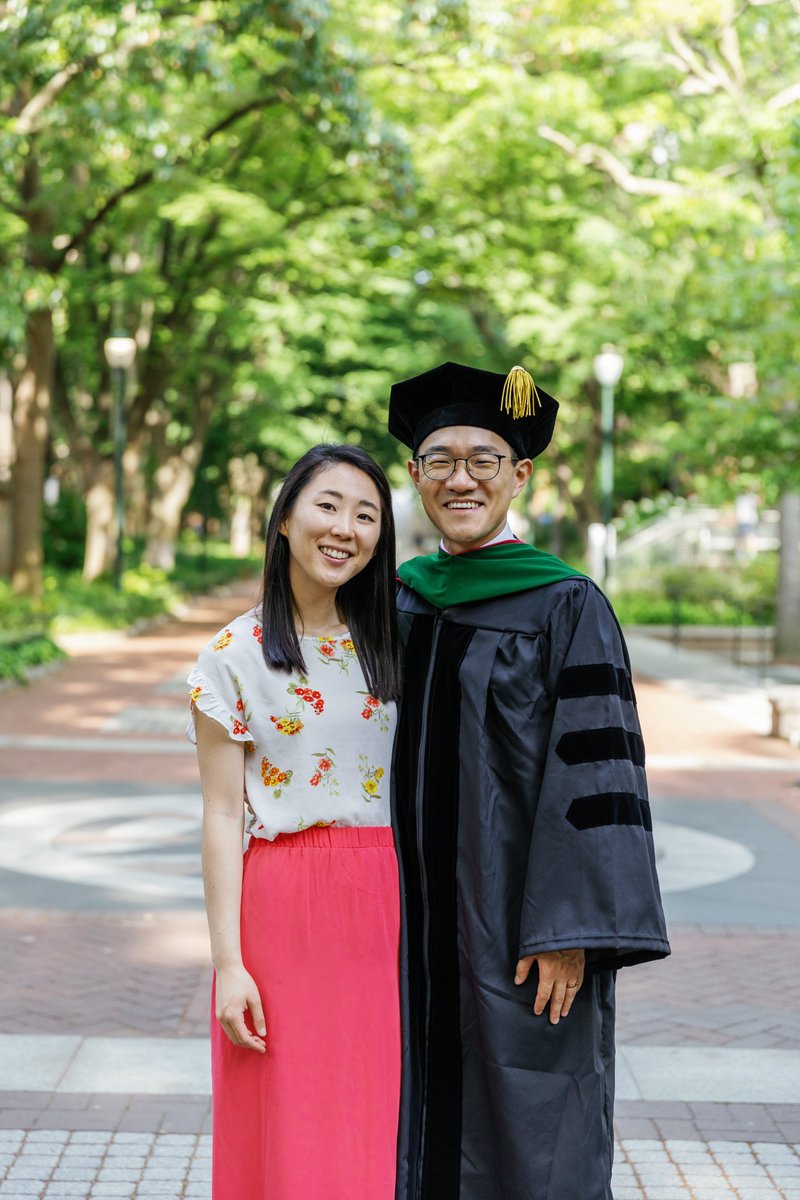
Starting residency in Pediatrics and Medical Genetics @choppedsres today!! So grateful to everyone who helped me get to this point: @HansolKang23, family & friends, everyone in @ericjoycelab, mentors and the Penn MSTP. Excited for what's ahead!