What do we know about #Shamonda virus, and what does its emergence in Europe mean?
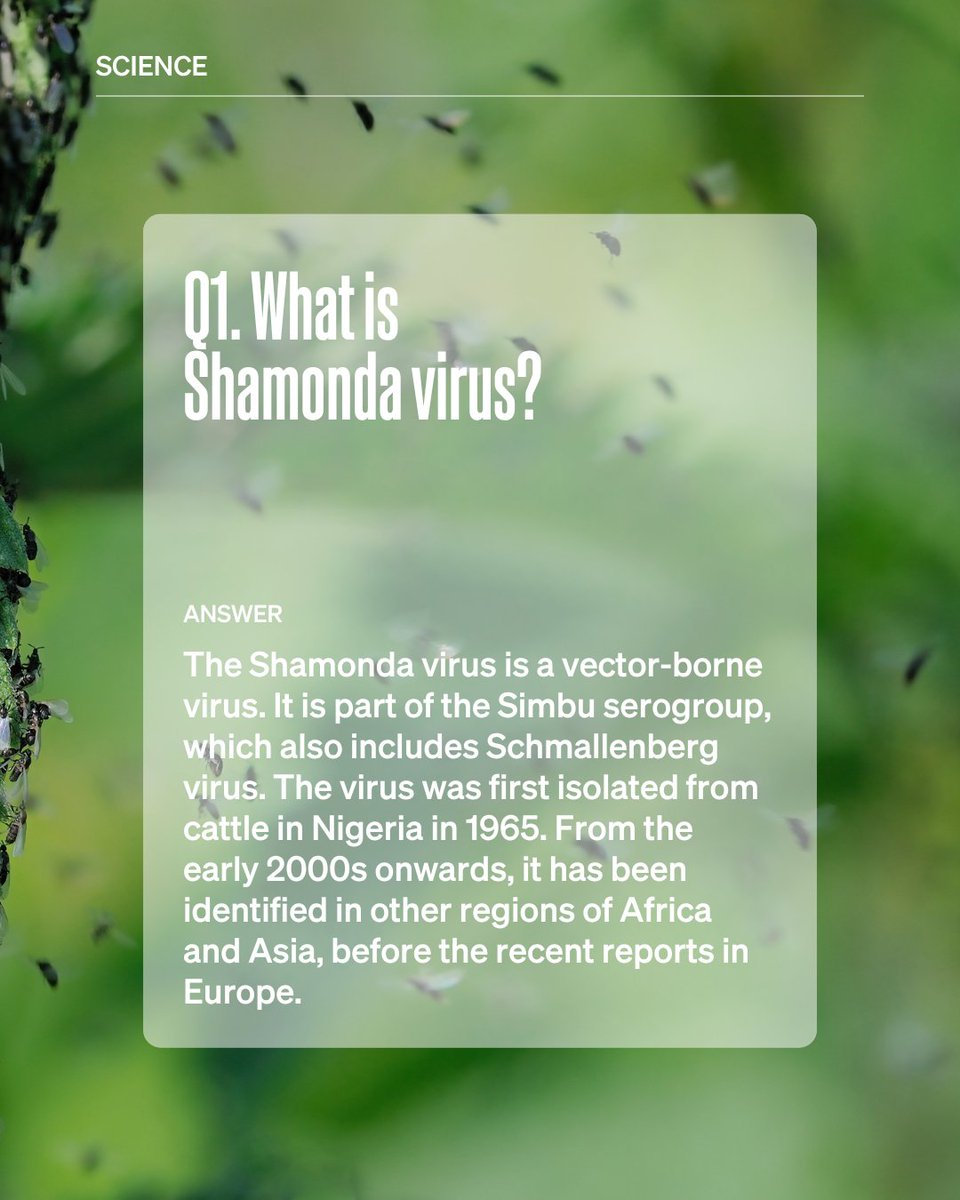
First isolated in cattle in Nigeria in 1965, Shamonda virus has since been identified in parts of Africa and Asia. Transmitted by biting midges, it affects cattle and other animals, including sheep, goats and horses. Now, the first human infection has been reported in France.
Information on the Shamonda virus variants currently detected in Europe is still evolving. In collaboration with our reference centres and expert networks, WOAH is actively assessing available evidence and monitoring developments.
Swipe through our FAQs to explore what we know so far, what remains uncertain and how Veterinary Services can help monitor the situation: https://t.co/Kk4gwQsqgk
#OneHealth - human, animal and environmental health are tightly interlinked. And currently all terribly poor.
The #ClimateEmergency is a health emergency
https://t.co/0smsjqpynP
On 20 October 2026, France reported the first documented case of human disease caused by the Shamonda virus. This virus primarily affects animals such as cattle, sheep, goats and horses.
WHO is in touch with the French authorities and is closely monitoring the situation.
Here is what you need to know ➡️
#France has reported the first documented case of a human infection with #Shamonda virus, a virus only previously detected in animals.
The patient was immunocompromised, which made them more vulnerable to infection and severe disease, and unfortunately died. My heartfelt condolences to their loved ones.
Shamonda virus primarily affects animals such as cattle, sheep, goats and horses. The virus is thought to spread between animals by the bites of a midge, which is a small fly-like insect. Further studies are needed to fully understand transmission.
The French patient was in an area where the Shamonda virus was circulating in animals and where Culicoides midges were also present.
@WHO is in contact with French authorities who are collecting information to better understand the source of infection in the first human patient, possible routes of transmission and any potential risk to public health.
Dünya Sağlık Örgütü, Hantavirüs hakkında:
• Şüpheli hantavirüs vakası olan 3 yolcu, gemiden tahliye edildi.
• Yolcular, DSÖ ve geminin işletmecisi ile Cabo Verde, Birleşik Krallık, İspanya ve Hollanda ulusal makamlarının koordinasyonunda Hollanda'da tıbbi bakım almak üzere yola çıktılar. Biri ise şu anda yoğun bakımda.
• Daha detaylı araştırmalar, ek laboratuvar testleri ve epidemiyolojik incelemeler dahil devam ediyor.
• Yolculara ve mürettebata tıbbi bakım ve destek sağlanmaktadır. Virüsün genom dizileme çalışmaları da devam ediyor.
Archaeologists in Turkey have discovered traces of human excrement in a 1,900-year-old glass vial, which they believe is the first chemical evidence showing that the Romans used feces medicinally
@drendersenel Hocam boşver bu millete laf anlatamayız. Ülkede herşey mükemmel. Bütün devlet memurları süper. Herkes devletin bekası için uğraşıyor. Bir biz bozuyoruz duzeni herşeyi. Gerçekten değmez. İnşallah üniversiteleri kapatırlar da herkes rahatlar. O yüzden hiç üzme kendini. Let it go.
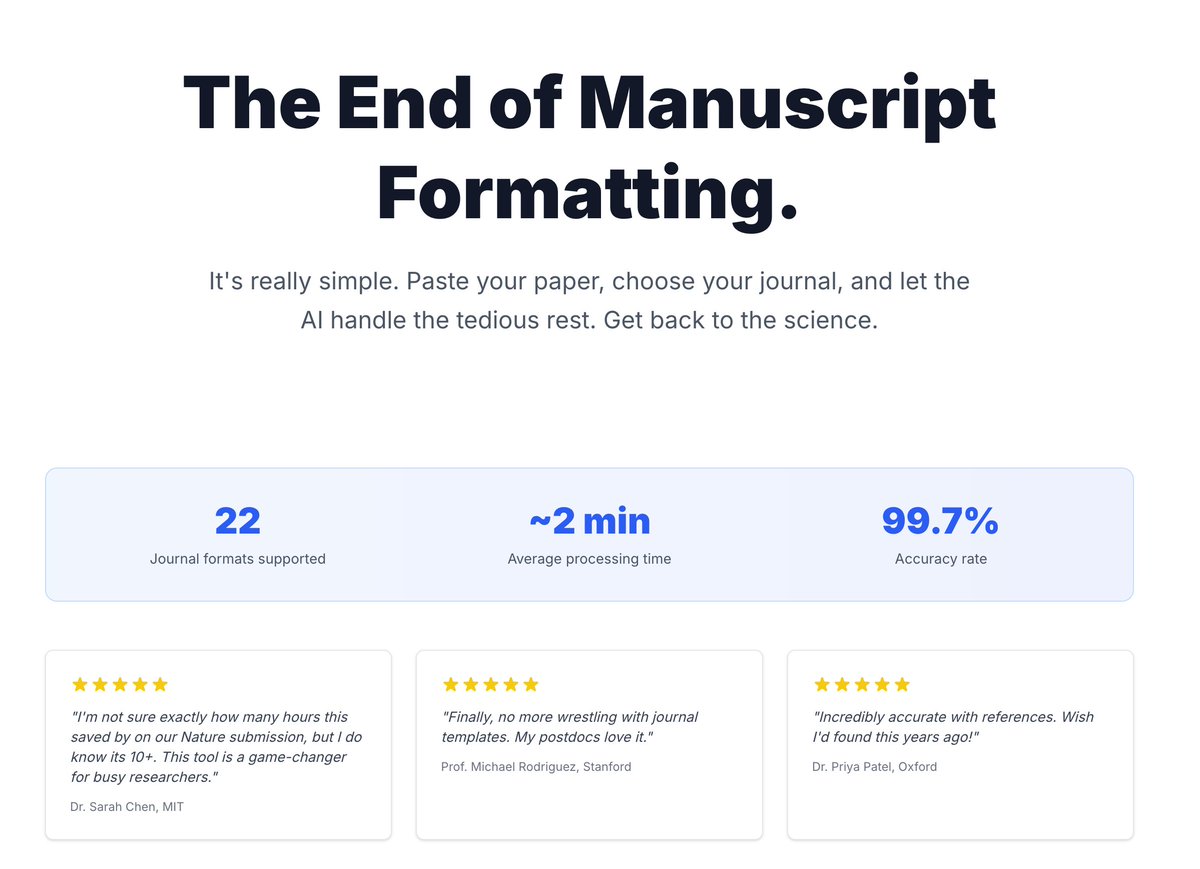
Finally, someone has solved a real problem with AI! No more having to take a paper in the format for a journal that rejected you, and reformat it for a new journal. Well done!!
https://t.co/J5HekY1Pc0
Mary E. Brunkow yılda 30 makale basmadı (bizim memlekette bunu “araştırmacı olmak” sanan hâlâ var). Tüm bilimsel yaşamı boyunca sadece 34 makalesi var, h-index’i 21. Şu çok ünlü, “Stanford’un sözde en etkili bilim insanları” listesinde de yok. Ama yaptığı iş sağladığı fayda ve insalığa olan potansiyel katkısından Nobel Tıp ödülüne layık görüldü. Yaptığı iş, insanlığın gidişatını değiştirecek.
Bilim “makale sayısı” ile değil; nedensiz merak, sorgulama ve tutkuyla yapılır. Makale bilimsel sonucun iletişim aracıdır, ama aracı hedef haline getirirseniz garabet çıkar. h-index tek başına koca bir ÇÖPTÜR.
Bilimde nitelik, görünüşte değil içeriktedir. Buradan devam etmeyi seçenlere selam olsun.
A new bamboo-based plastic is as strong and shapeable as traditional plastic — but biodegrades in soil within 50 days. A promising step towards more sustainable alternatives to traditional, oil-based plastic, reported in @NatureComms.
https://t.co/dEAzWMx6bK
We discovered that SARS-CoV-2 spike protein persists in the body & brain borders years after infection, driving inflammation & brain vulnerability, a mechanism for Long COVID.
🧠 https://t.co/IEGx7HIrXf
💉 Vaccine: https://t.co/1YniGZqwYw
🔬 Method: https://t.co/2sPQra6sHZ