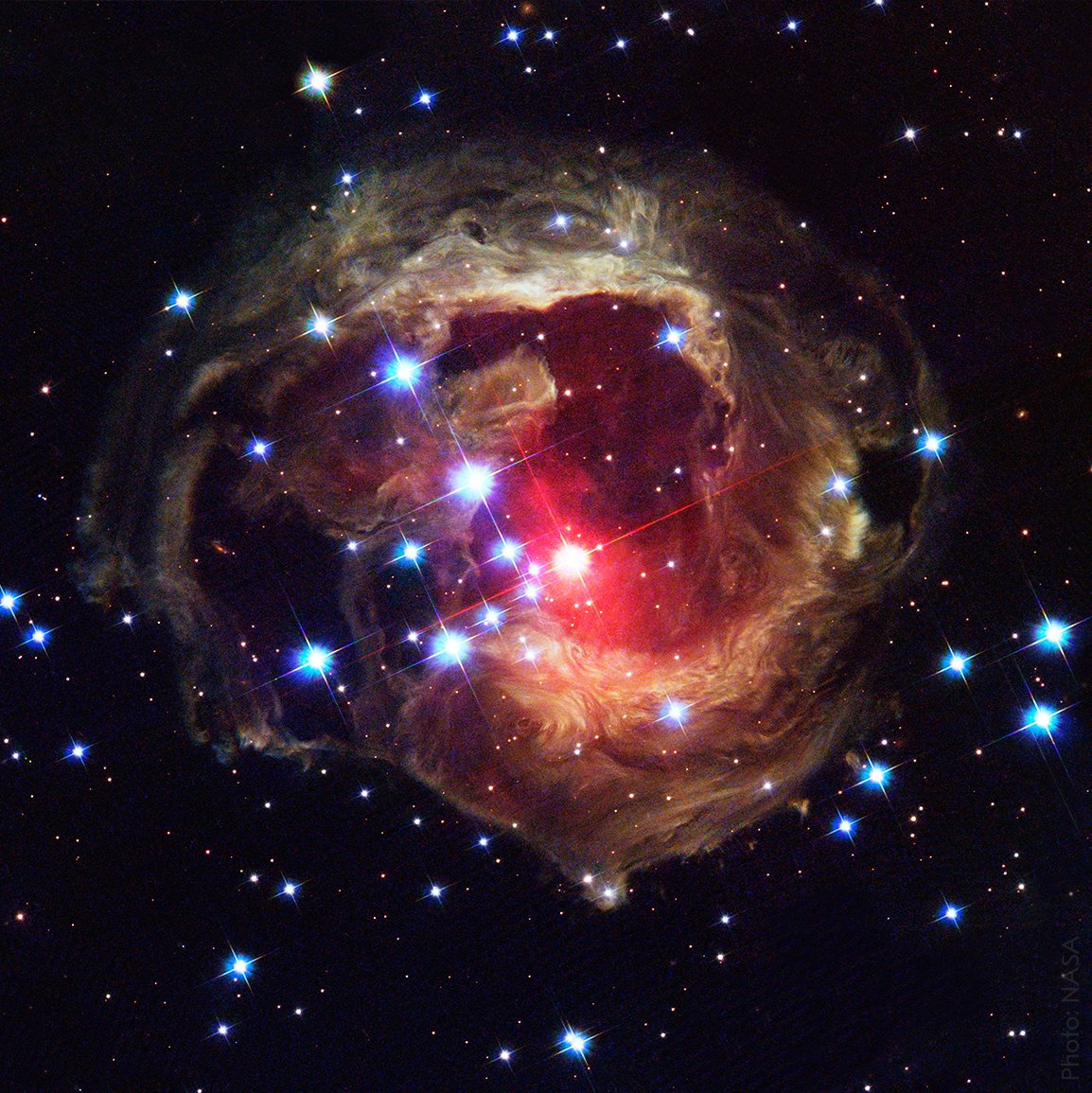
This image taken by @NASAHubble was only possible thanks to physics laureates George Smith and Willard Boyle who invented the CCD sensor – which allowed us to capture light electronically instead of on film.
Photo: The Hubble Space Telescope's image of the star V838 Monocerotis.
A-meow-zing 😻
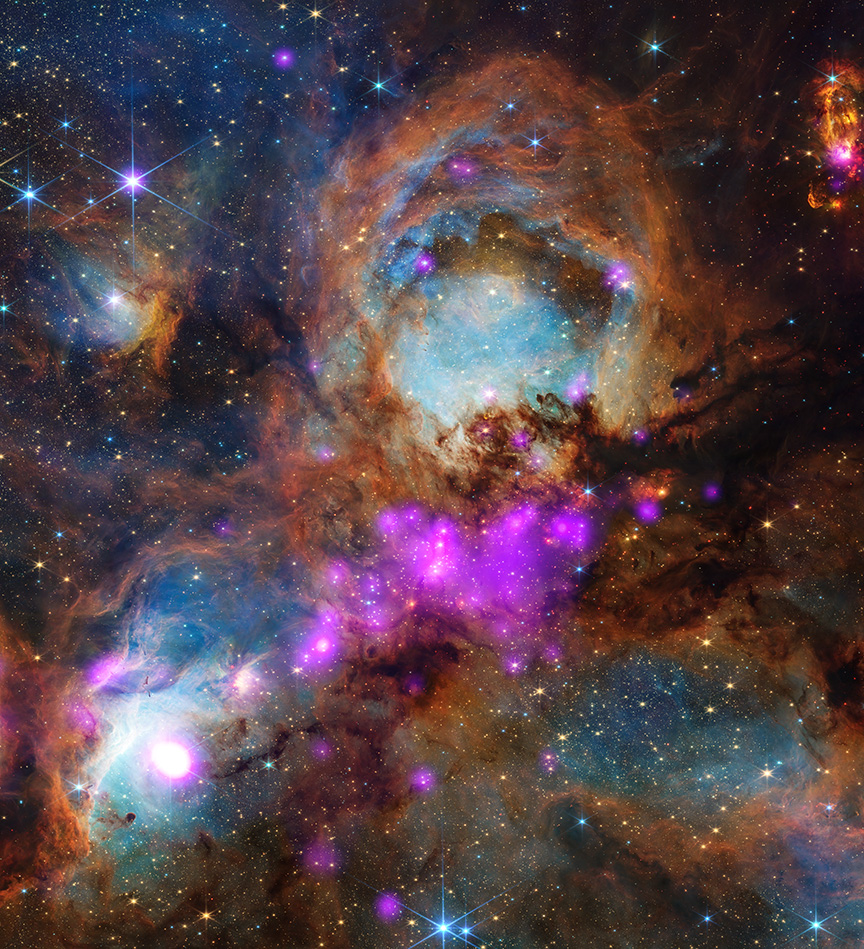
@NASAWebb and @ChandraXray joined forces to deliver this view of the Cat's Paw Nebula. Different wavelengths combine to reveal young stars at the center of these dusty clouds.
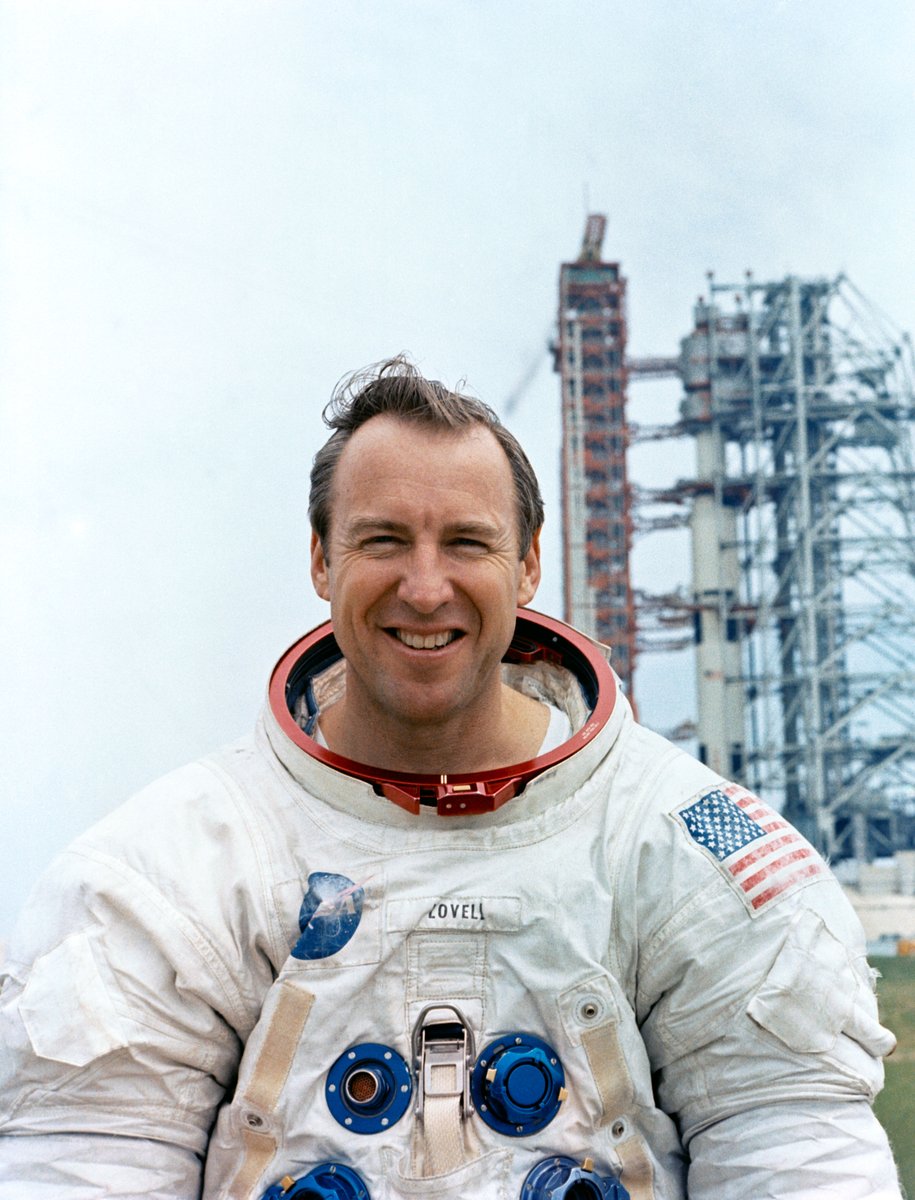
We are saddened by the passing of Jim Lovell, commander of Apollo 13 and a four-time spaceflight veteran.
Lovell's life and work inspired millions. His courage under pressure helped forge our path to the Moon and beyond—a journey that continues today. https://t.co/AjT8qmxsZI
A starry spectacle ✨
This new #HubbleFriday view shows the galaxy NGC 685.
Located about 64 million light-years away, it was studied by Hubble for two observing programs, both focused on star formation: https://t.co/xiOgUZx0ou
Not all galaxies play by the rules. Just take a look at Arp 184, a lopsided spiral galaxy with a sprawling, uneven arm that earned it a place in the Atlas of Peculiar Galaxies.
Explore more: https://t.co/f7Xxo3BFdL
📸: @NASA's Hubble Space Telescope
📍 Messier 72
This week's new #HubbleFriday view shows a star cluster about 50,000 light-years from Earth.
Globular clusters like this one are roughly spherical collections of stars bound together by gravity: https://t.co/LV9t1zh0V9
The Eagle Nebula is ready to reintroduce itself.
@ESA used the latest data and processing techniques to bring a stunning view of this pillar of gas and dust that's 9.5 light-years tall! As huge as this pillar is, it’s just one piece of the greater nebula: https://t.co/PJxEqPhmBv
An active star-forming galaxy ✨
This #HubbleFriday image features spiral galaxy NGC 4941, found 67 million light-years away. At its heart lies an active galactic nucleus: a supermassive black hole feasting on gas, altering the galaxy's star formation: https://t.co/ieyPR6EK9f
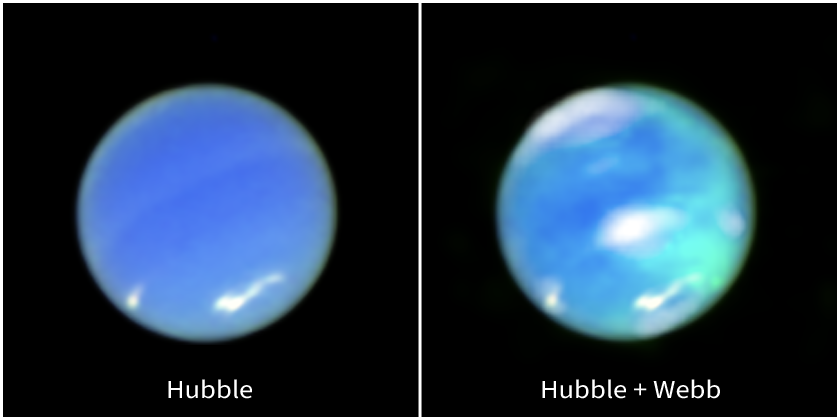
For the first time, @NASAWebb has captured bright auroral activity on Neptune!
In the past, astronomers have seen tantalizing hints of such activity, but imaging and confirming the auroras has long evaded them until now.
Learn more 🔗 https://t.co/yP9c9fAGEo
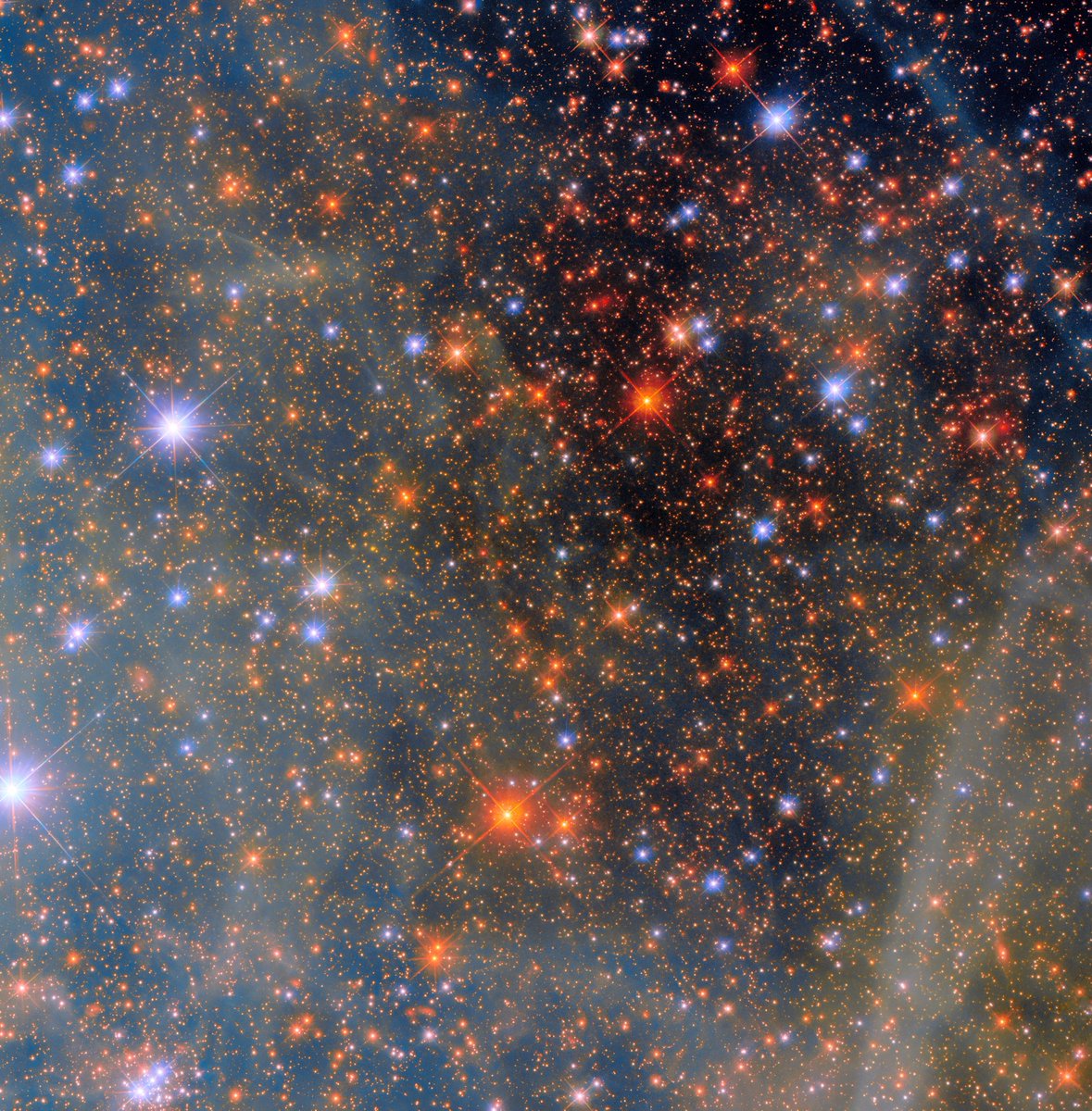
Say hello to one of our Milky Way’s neighbors! 👋
This new #HubbleFriday image peers into the Small Magellanic Cloud, a dwarf galaxy located about 200,000 light-years away.
Read more: https://t.co/IWnK6PhKU5
You don't have to be alone in your journey to sponsoring a tree. Take inspiration from our sponsors in Croydon who came together to crowd-fund trees to line their streets 🌳🌲
What a great way to come together as a community to do something that benefits everyone!
In this week's #HubbleFriday view, Hubble lifts the veil on a gorgeous cosmic object.
The Veil Nebula is a supernova remnant of a star roughly 20 times as massive as our Sun that exploded about 10,000 years ago.
Read more: https://t.co/c6dv7Y2Yld
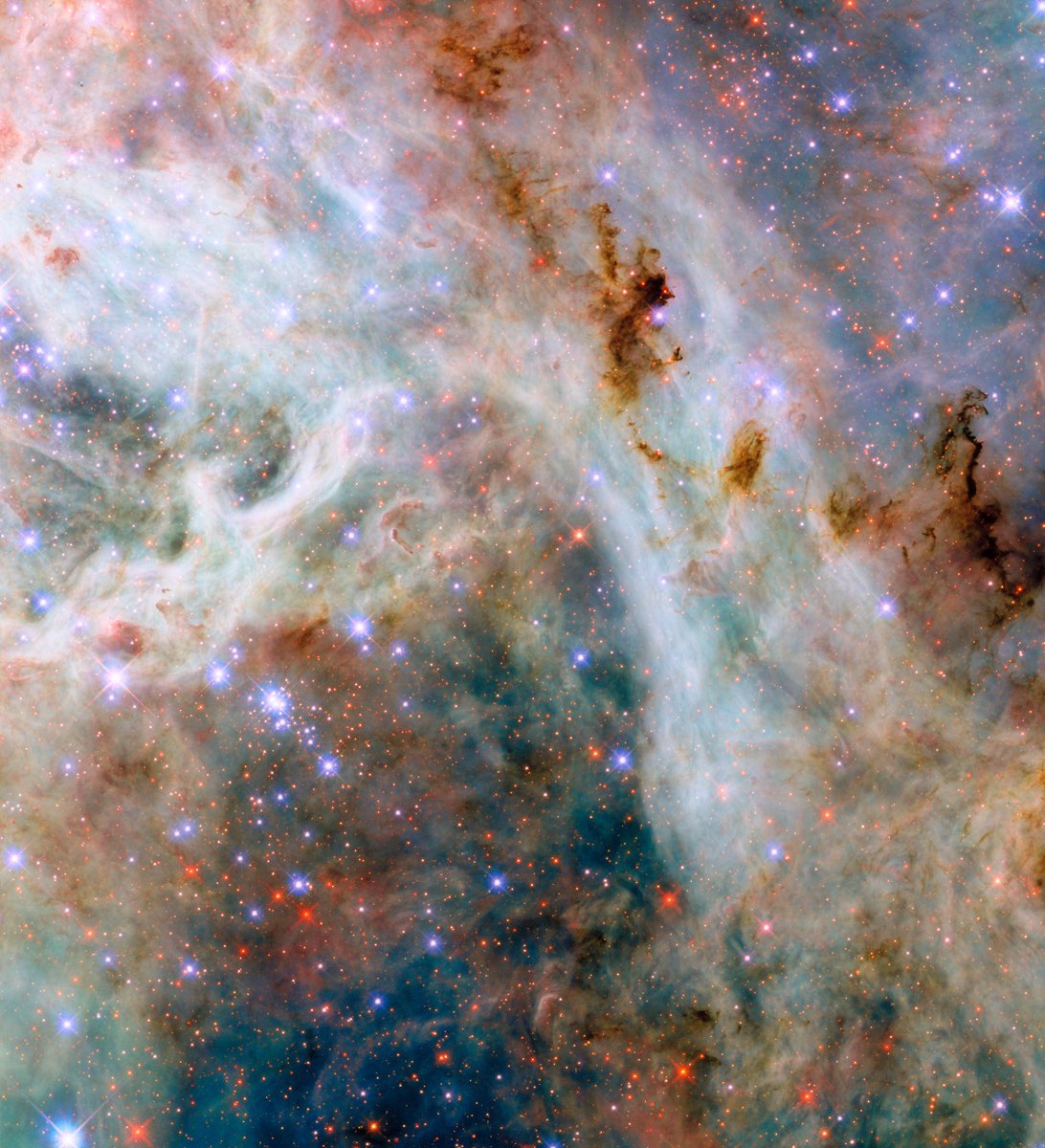
A new Hubble image sounds like a good #Valentine to us! 💌
This #HubbleFriday view shows a portion of the Tarantula Nebula. It's the most productive star-forming region in the nearby universe, and home to the most massive stars known to exist.
For more: https://t.co/Ob7hVYjwmg
We’ve been helping people in the UK with debt since 1987. We know being in debt can be hard to deal with. That’s why we’re here to help.
📞0808 808 4000
💬Chat online via our website
💻 My Money Steps
Tailored advice about dealing with debts
https://t.co/1AznnSMTN2
A century ago, Edwin Hubble discovered that the universe extends far beyond our own Milky Way galaxy, unveiling a cosmos filled with countless galaxies and forever changing our understanding of the universe. Learn more about this groundbreaking achievement: https://t.co/FhtLy5jsvi