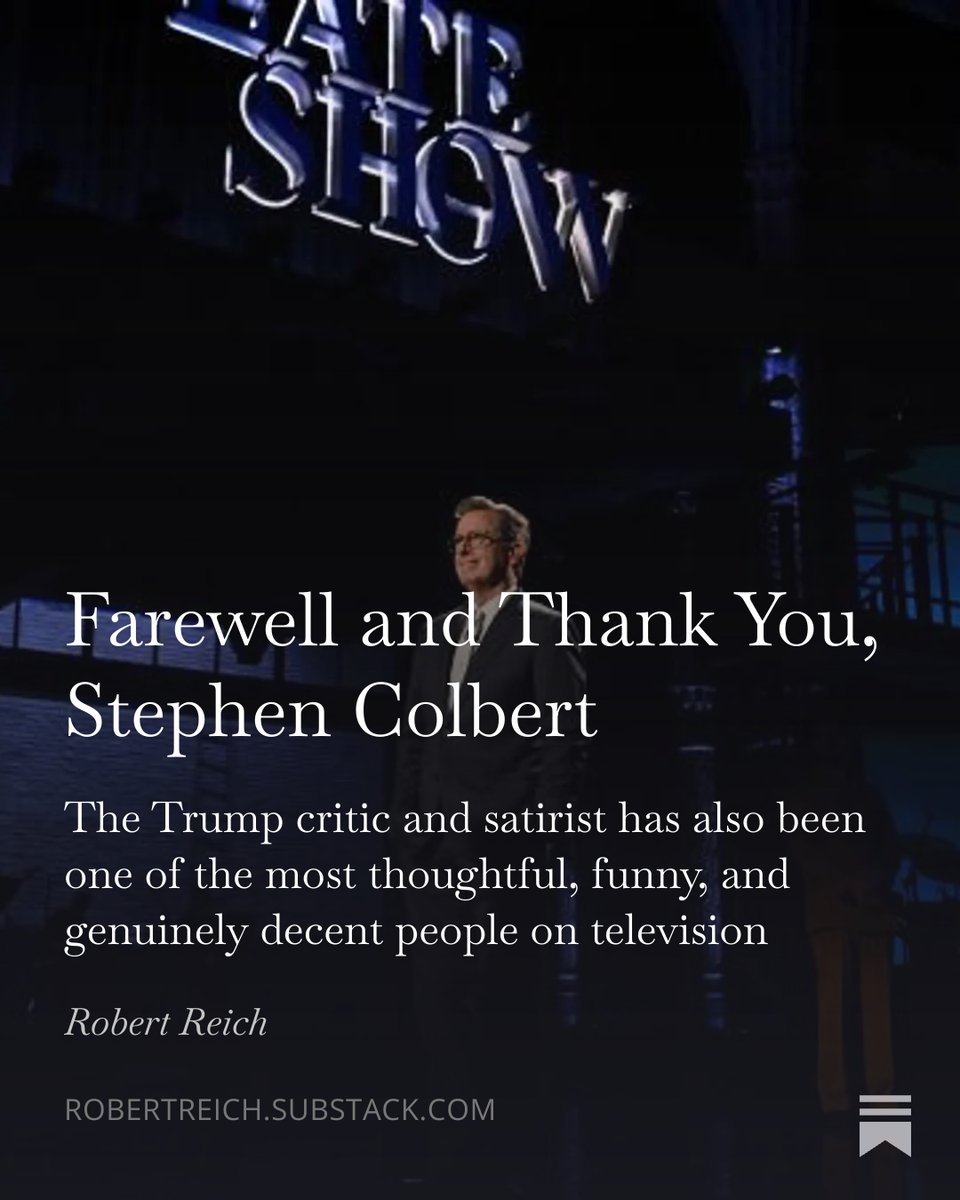
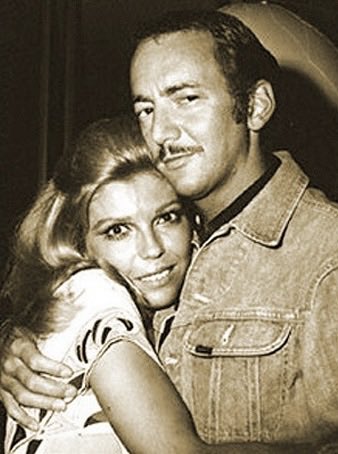
After this Thursday’s show, the Ed Sullivan Theater will go dark, and we’ll lose one of the nation’s funniest and most courageous, truthful, and gentlemanly critics of Trump and his regime.
Farewell, and thank you, Stephen. https://t.co/0syXYZoCnD
Many villages across the UK have repurposed iconic red telephone boxes into tiny community libraries, where you can take a book and leave one for someone else to enjoy too if you want to
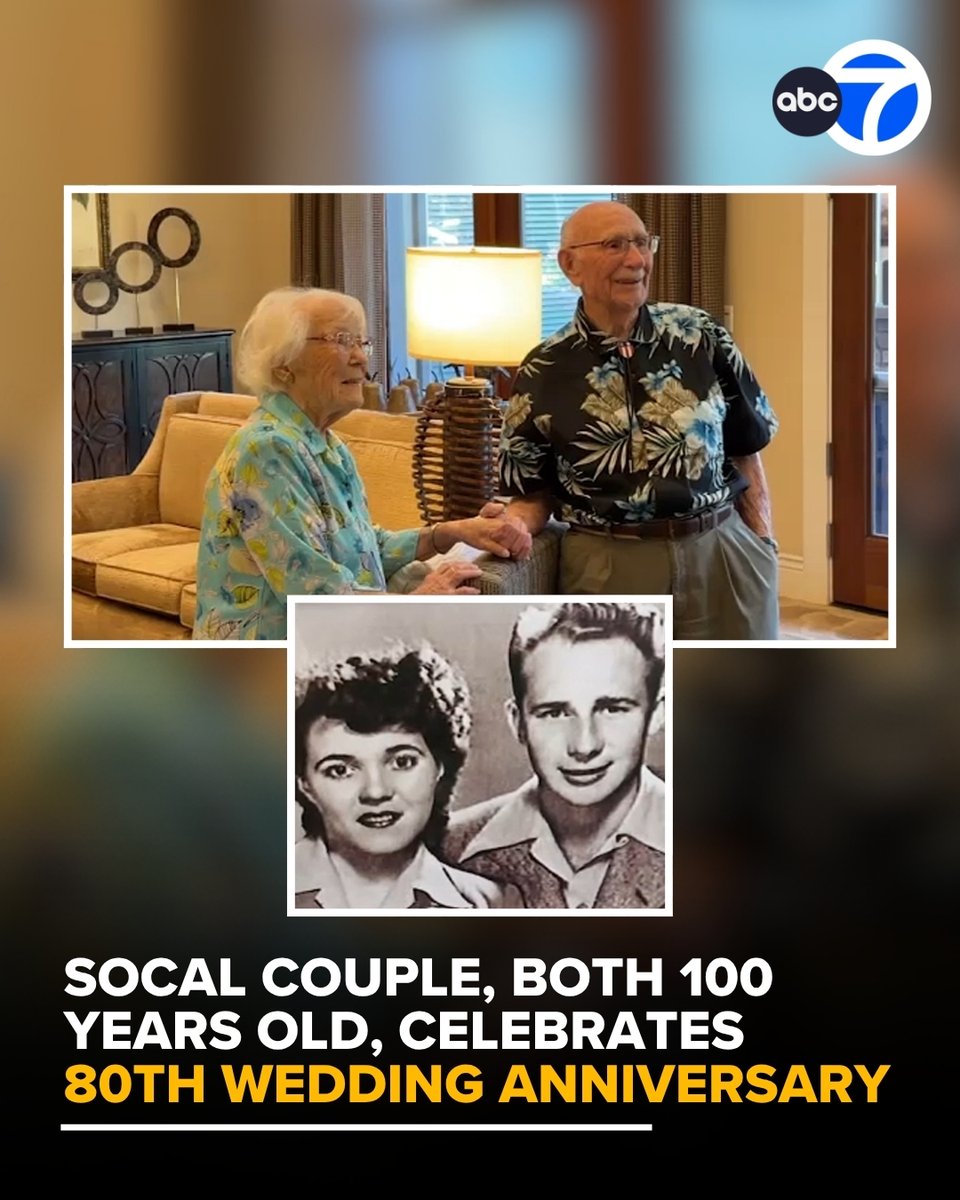
Two WWII veterans met and got married, and now, 80 years later, they are still going strong.
They got married in 1946. Now both 100 years old, Jennifer and Mel McMullen proudly look back at their contributions during the war.
Read more: https://t.co/5ndymCeMTc
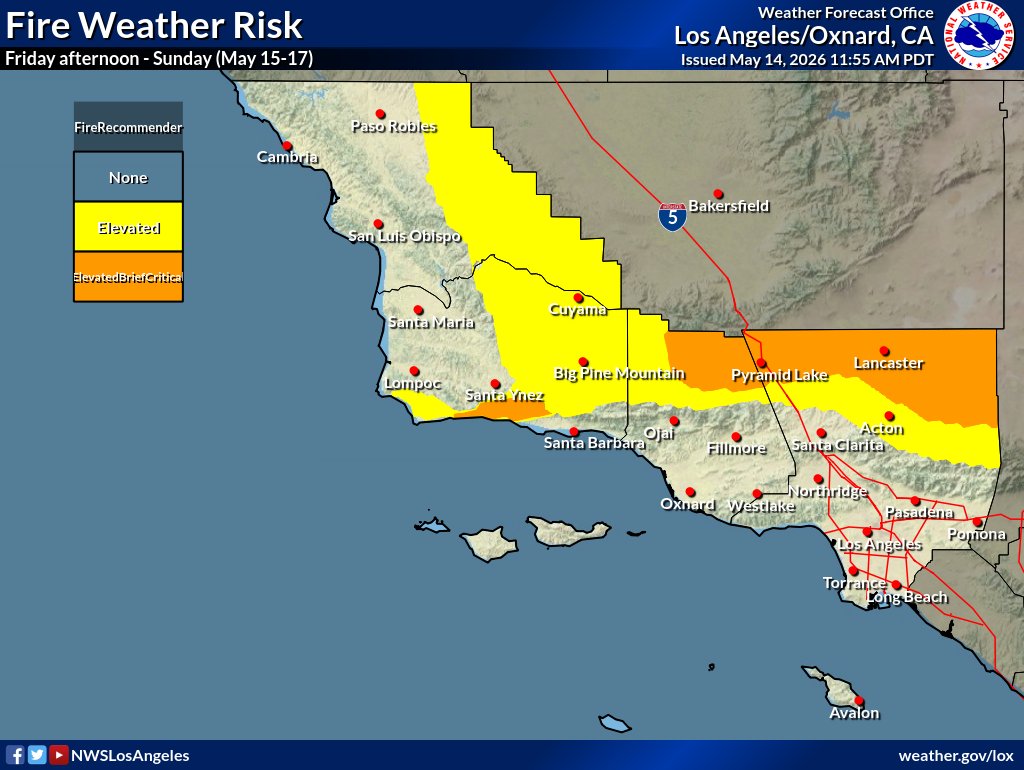
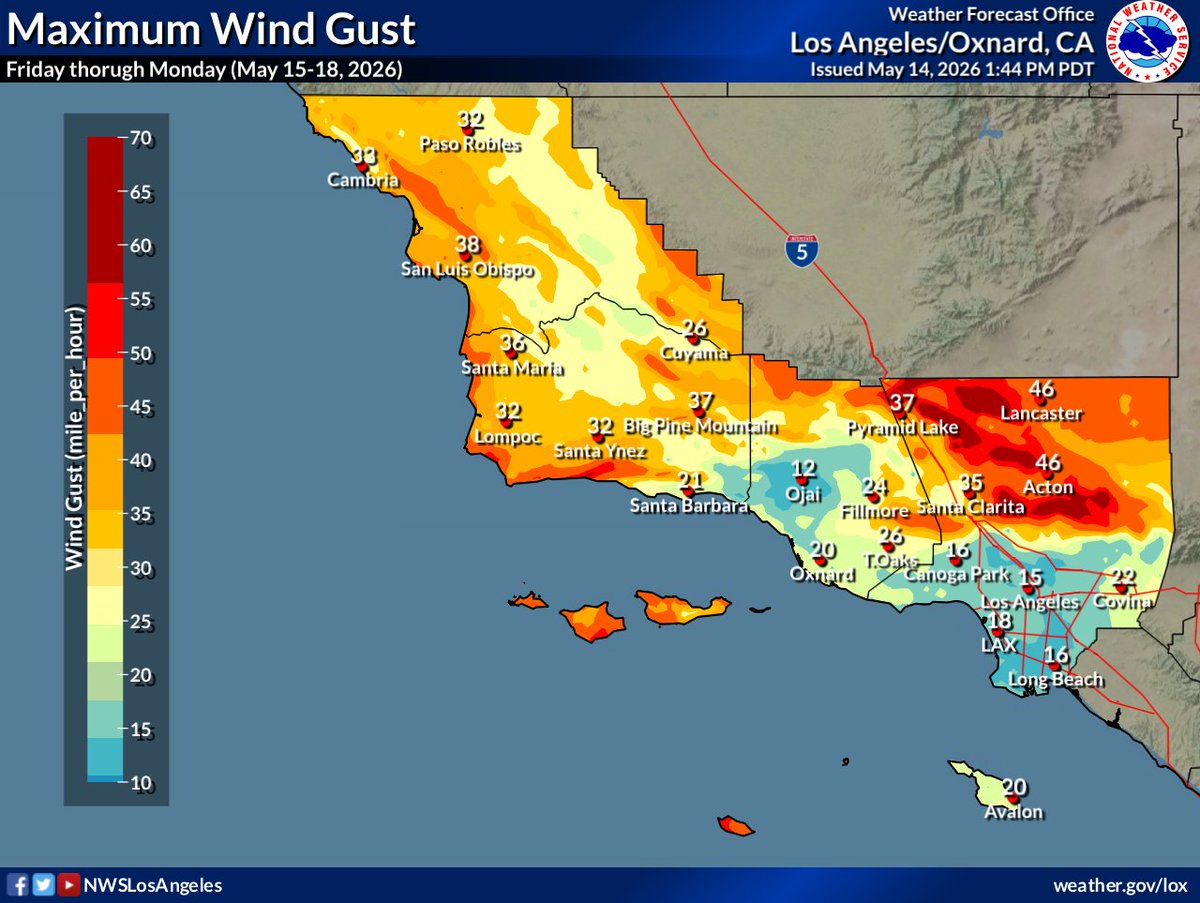
Windy with elevated to brief critical #FireWx conditions this weekend:
* W-NW winds gusting 35-50 MPH interior sections and western Santa Ynez Mountains
* Min RH 8-15% interior sections except 20-30% SW #SantaBarbara county
* High risk of fast-moving grass/shrub fires.
#CAwx
I took 1.7 million photos over 6 days to catch this photo of a commercial jet in front of the sun.
The moment it happened, TWO floating prominences were visible, making this not just my best aircraft transit photo, but one of the luckiest of my career! Videos of the transit 👇
The LA Sparks will honor Lisa Leslie with a statue at Crypto Arena on September 20. She’ll be first women to have a statue outside of Crypto arena & the second WNBA player to have a statue, joining Seattle Storm legend Sue Bird.
Cardinals mate for life.
They share food, sing duets together, and call to each other when one gets separated from the other.
A bonded pair will often return to the same yard for years.
That bright red cardinal you’re seeing this spring is probably the same one who visited last year… and the year before.
Some love stories just last a lifetime. ❤️
He wrote a six-and-a-half-minute song about twenty-nine drowned sailors. The record label told him to shorten it. Gordon Lightfoot refused. It became one of the most enduring songs in North American music history anyway.
November 10, 1975. A massive freighter called the SS Edmund Fitzgerald was crossing Lake Superior during a brutal storm. Winds reached sixty miles per hour. Waves climbed over thirty feet high. The crew radioed that the ship was taking on water. Then the radar signal disappeared. All twenty-nine crew members were lost. No survivors. No bodies recovered. Only silence where voices had been moments earlier.
When Gordon Lightfoot read about it in a magazine, the story stayed with him. But what haunted him most wasn't the spectacle of the storm. *It was the ordinary humanity of the men.* Twenty-nine people had simply gone to work one morning and never come home.
So he sat down and wrote a ballad. Not a dramatic anthem. Not a commercial radio single. A requiem. *The Wreck of the Edmund Fitzgerald* told the story slowly and carefully, almost like an old sea shanty passed down across generations. Every verse carried details from the disaster. Every line honoured the men who had vanished into Lake Superior.
The problem was length.
The song ran more than six minutes long. In the mid-1970s, radio hits were supposed to last around three minutes. Record executives worried stations would never play something so long and so sombre. They urged Lightfoot to trim verses, simplify the story, make it more commercial.
**He refused.**
The men deserved the full story. Not the shortened version. Not the radio-friendly version. *The truth in full.* So the label reluctantly released the song exactly as he wrote it.
And something remarkable happened. Radio stations played all six-and-a-half minutes. Listeners stayed with every verse. *The Wreck of the Edmund Fitzgerald* climbed to number two on the Billboard charts in 1976 and became one of the defining songs of his career.
Gordon Lightfoot was born in 1938 in Orillia, Ontario — a small Canadian town north of Toronto. He grew up singing in church choirs, learning discipline, harmony, and emotional restraint long before fame arrived. His voice was never flashy. *It was honest.* While much of the folk movement leaned toward protest music or psychedelic experimentation, Lightfoot built something quieter and more enduring — songs about weather, distance, labour, loneliness, roads, lakes, and ordinary people trying to endure difficult lives.
His songs sounded effortless. They were built with extraordinary precision. Every word mattered. Nothing was wasted.
*If You Could Read My Mind* became his breakthrough hit in 1970. *Sundown* reached number one in the United States in 1974. By the mid-1970s he had become one of the most respected songwriters in North America. Bob Dylan openly admired his writing. Johnny Cash recorded his songs. Elvis Presley covered his work. But Lightfoot never abandoned Canada for Nashville or Los Angeles. *"These are where the stories come from,"* he said about the landscapes of home.
Success did not protect him from struggle. For years he battled alcoholism, which affected his health, relationships, and performances. Eventually he confronted it and slowly rebuilt his life. Then in 2002 — he nearly died. An abdominal aortic aneurysm ruptured suddenly, forcing emergency surgery. Doctors believed he would not survive. He spent six weeks in a coma while his family prepared for the worst.
*But somehow, he came back.*
The recovery was slow and painful. His voice weakened. His stamina changed permanently. Still, he returned to the stage — not because touring was easy, but because the songs still mattered. For nearly two more decades, Lightfoot continued performing in smaller theatres across Canada and the northern United States. Older now. Frailer. Slower.
*But still singing. Still carrying the stories.*
**Gordon Lightfoot died in 2023 at the age of eighty-four.**
And after his death, people returned again to *The Wreck of the Edmund Fitzgerald.* Not simply because it was famous — because it *remembered.* Without his stubborn refusal to shorten the song, the story of those twenty-nine sailors might have faded more quickly into history. Instead, every time the song plays, the ship sails again across cold water. The storm returns. The men are remembered.
That was Gordon Lightfoot's gift. He turned ordinary lives into lasting memory. He made distance feel human. He made weather feel emotional. He made silence meaningful.
And he proved something rare in an industry built on compromise —
*Integrity is not the enemy of success. Sometimes it is the reason the work survives.*
Celebrating the memory of the great Bobby Darin on the anniversary of his birth.
I loved and adored Bobby. He was one of my dearest friends, and I have so many warm memories of him. His life was brief, but brilliant, burning hot like the brightest star, and then he was gone. He left and indelible mark and created an enduring legacy through his voice, versatility, and artistry.
One of my favorites has always been his album Bobby Darin Sings Doctor Dolittle. It’s a truly beautiful recording, and, in my opinion, one of his very best.
Happy birthday in heaven, old friend. It’s hard to believe you have been gone so long. I miss you very much, and I think of you often.
Planning is underway for our Artemis III mission, which will test the capabilities of NASA's Orion spacecraft and one or both commercial landers from @BlueOrigin and @SpaceX as they meet and dock in Earth's orbit. Details: https://t.co/qzH3spgNyK








![Rainmaker1973's tweet photo. A family of owls in a clock tower in France
[ Nicolas Dubois / _nicolasdubois] https://t.co/aS47HunKk8](https://pbs.twimg.com/media/HIsoa95WUAE55qx.png)