1/8
Mythos / Glasswing is clearly the main AI security story now: AI finding real vulnerabilities in existing production code.
For most teams, though, this question is more immediate:
Can an agent like Claude Code write a secure app in the first place?
8/8
The takeaway:
AI can absolutely help write mostly secure app code.
But if you care about security, you still need a scaffold:
figure out your framework's boundaries, conduct explicit review of auth primitives, implement infra controls, and conduct runtime testing.
Working code is not the same as hardened code
Full benchmark: https://t.co/r4hbqxLFXs
1/8
Mythos / Glasswing is clearly the main AI security story now: AI finding real vulnerabilities in existing production code.
For most teams, though, this question is more immediate:
Can an agent like Claude Code write a secure app in the first place?
7/8
Fourth result: runtime testing still matters.
Static review looked fine.
But DAST found that both agents exposed /openapi.json, and Codex also left /docs and /redoc on in production.
This is exactly why runtime DAST tools like @StackHawk, @veracode, and @rapid7 are useful!
Cybersecurity stocks dropped for Claude Code Security. Rallied for Project Glasswing.
Same category. Very different reactions.
The difference isn't capability. It's that code analysis still doesn't send requests to your running app.
Full breakdown 👇
1/9
The most interesting thing about the Claude Code leak for devtool companies:
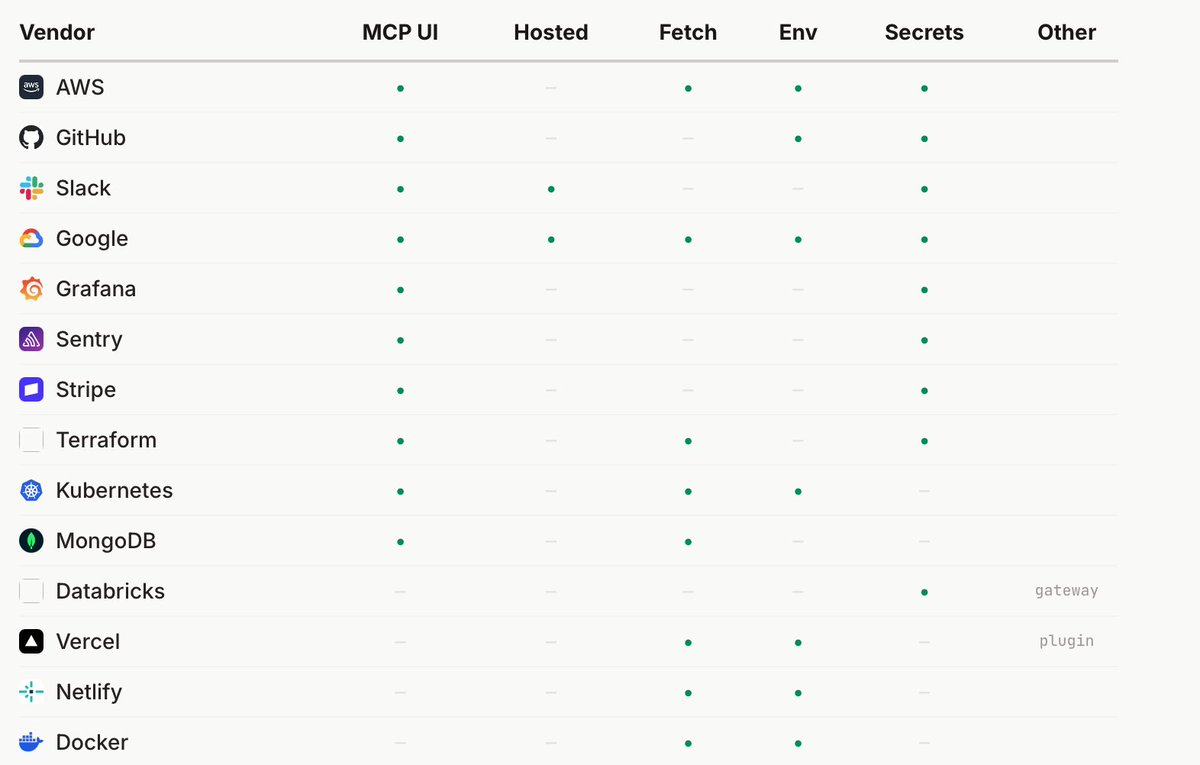
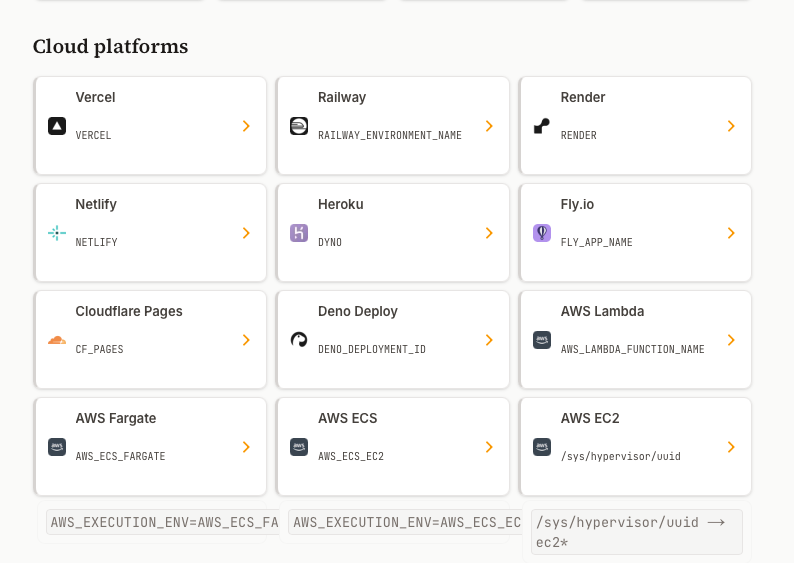
Anthropic hardcoded 120+ vendor names across 7 different systems in the source. Anthropic explicitly included your tool name in the code (or they didn’t 🤷🏻♂️)
Thread 👇
1/9
The most interesting thing about the Claude Code leak for devtool companies:
Anthropic hardcoded 120+ vendor names across 7 different systems in the source. Anthropic explicitly included your tool name in the code (or they didn’t 🤷🏻♂️)
Thread 👇
1/9
The most interesting thing about the Claude Code leak for devtool companies:
Anthropic hardcoded 120+ vendor names across 7 different systems in the source. Anthropic explicitly included your tool name in the code (or they didn’t 🤷🏻♂️)
Thread 👇
8/9 (Plugin Tips)
@vercel is the only third-party vendor with a proactive plugin install tip.
When Claude Code detects vercel.json or the Vercel CLI, it suggests:
/plugin install vercel@claude-plugins-official
No MCP collapsing, but a different distribution channel: your tool is recommended before the developer even starts.
6/9 (Secret Scanner)
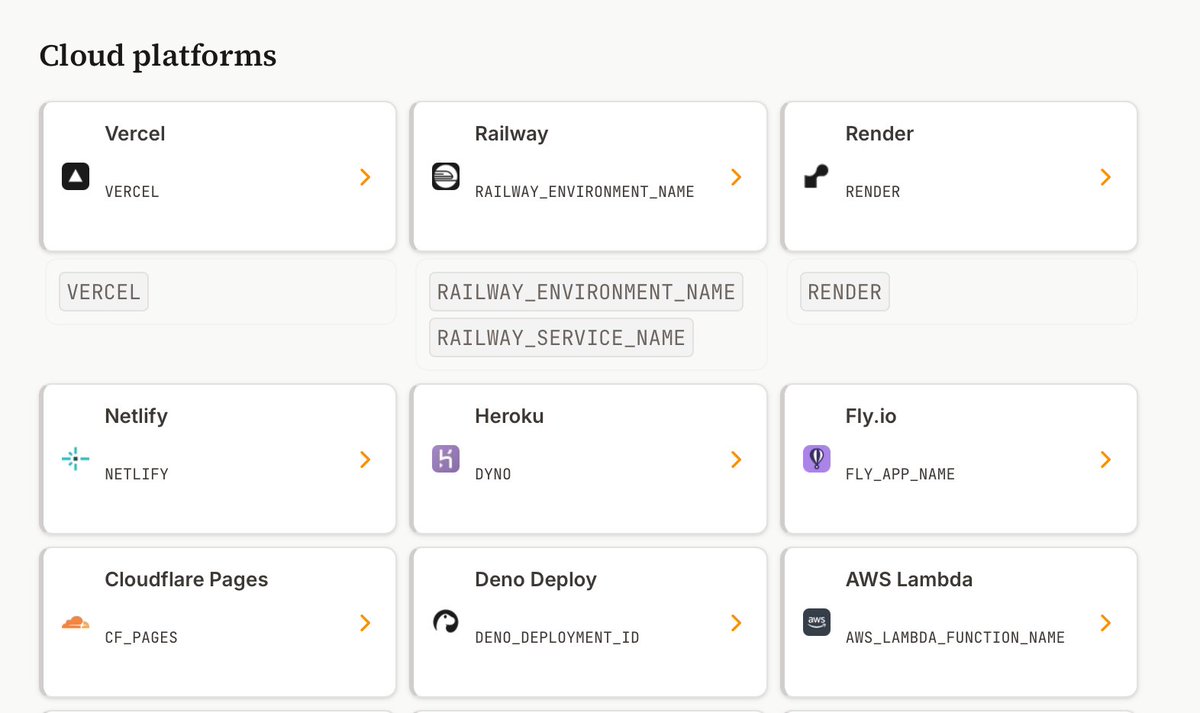
36 credential patterns across 23 vendor families are blocked from entering team memory.
@gitlab, @slackhq, @stripe, @shopify, @openai, @railway, @render, @buildkite
GitHub alone has 5 specific rules (PAT, fine-grained PAT, app token, OAuth, refresh token).
A safety feature, but missing coverage means no vendor-specific protection.
3/9 (Hosted Proxy)
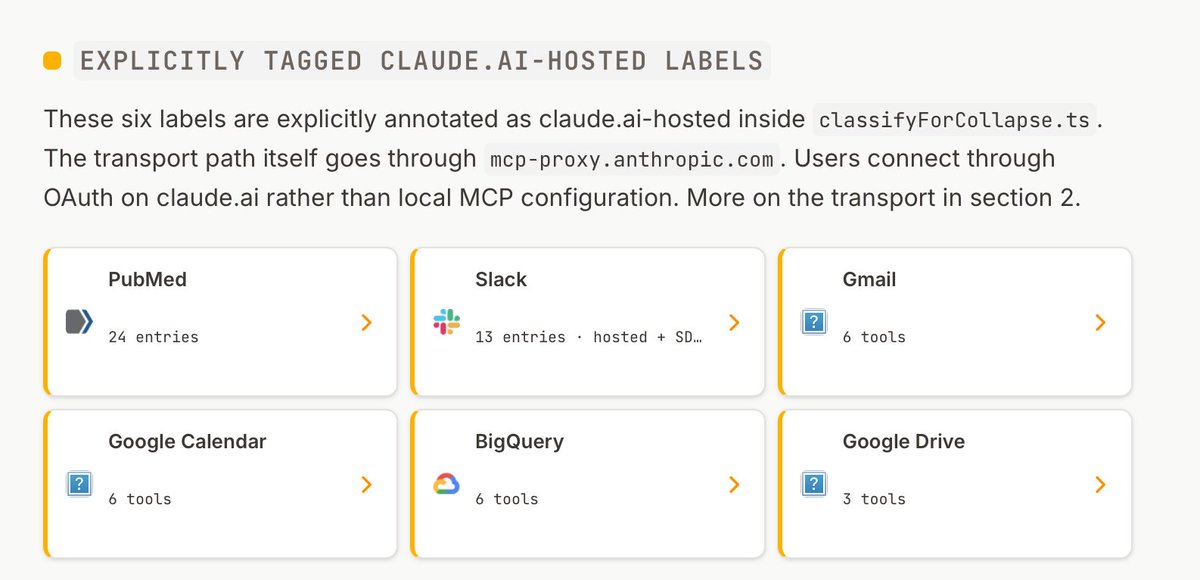
6 vendors don’t just get UI polish. They run on Anthropic’s own infrastructure via https://t.co/Qywqg3UTN0:
@slackhq, Gmail, Google Calendar, Google Drive, BigQuery, @pubmed. Users click “Connect” in https://t.co/AFasA2u9PK settings. Everyone else follows the 8-step README.