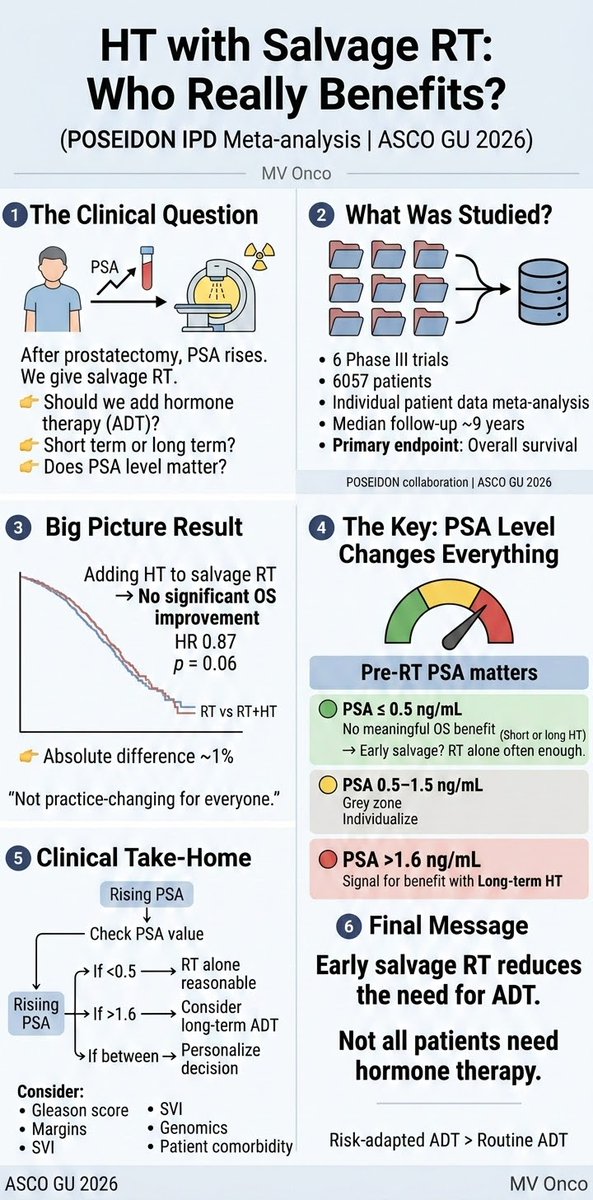
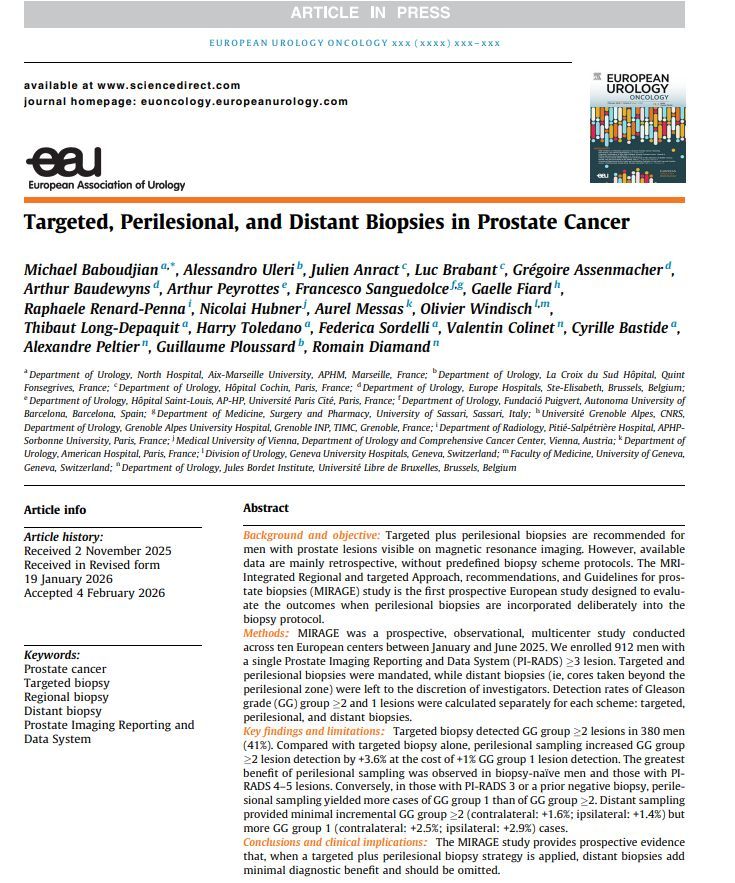
Local salvage therapies alone for #ProstateCancer recurrence after radiotherapy maintained >75% androgen deprivation therapy–free survival at 2 years with manageable rates of severe adverse events, supporting their use in selected patients. https://t.co/s71OKRi7TO
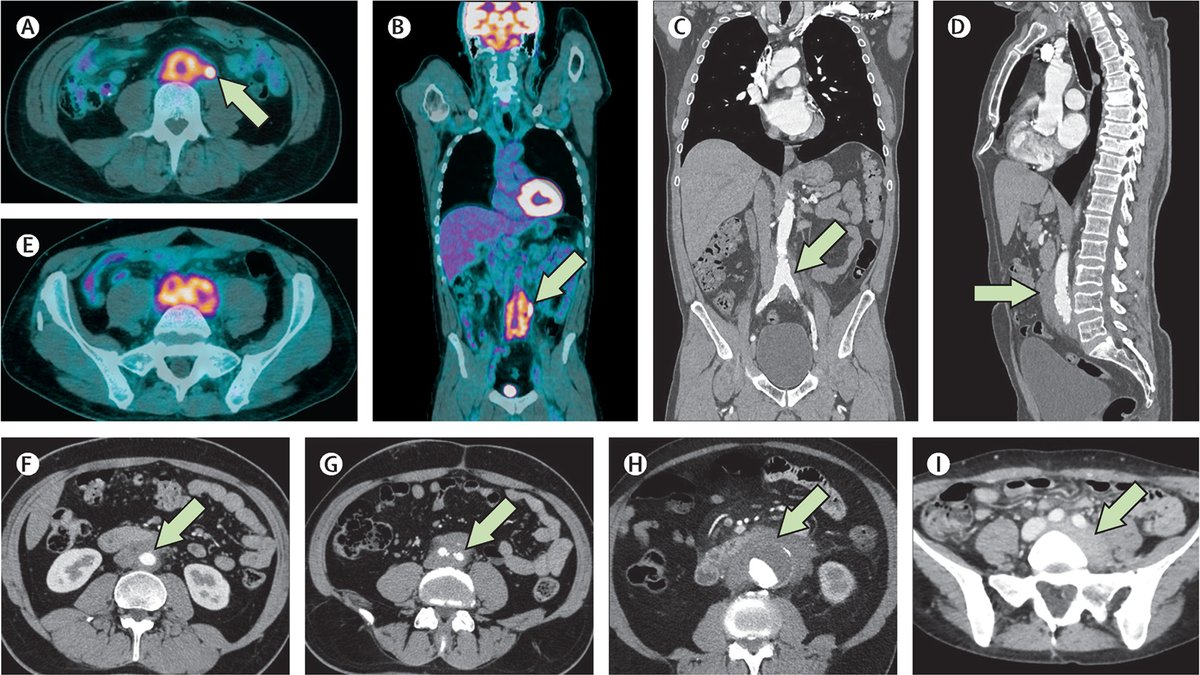
Retroperitoneal fibrosis is a rare immune-mediated disease which can be classified as idiopathic or secondary.
A new Seminar provides an overview of retroperitoneal fibrosis focusing on pathophysiology, differential diagnosis, and management: https://t.co/HYEfoyI6jo
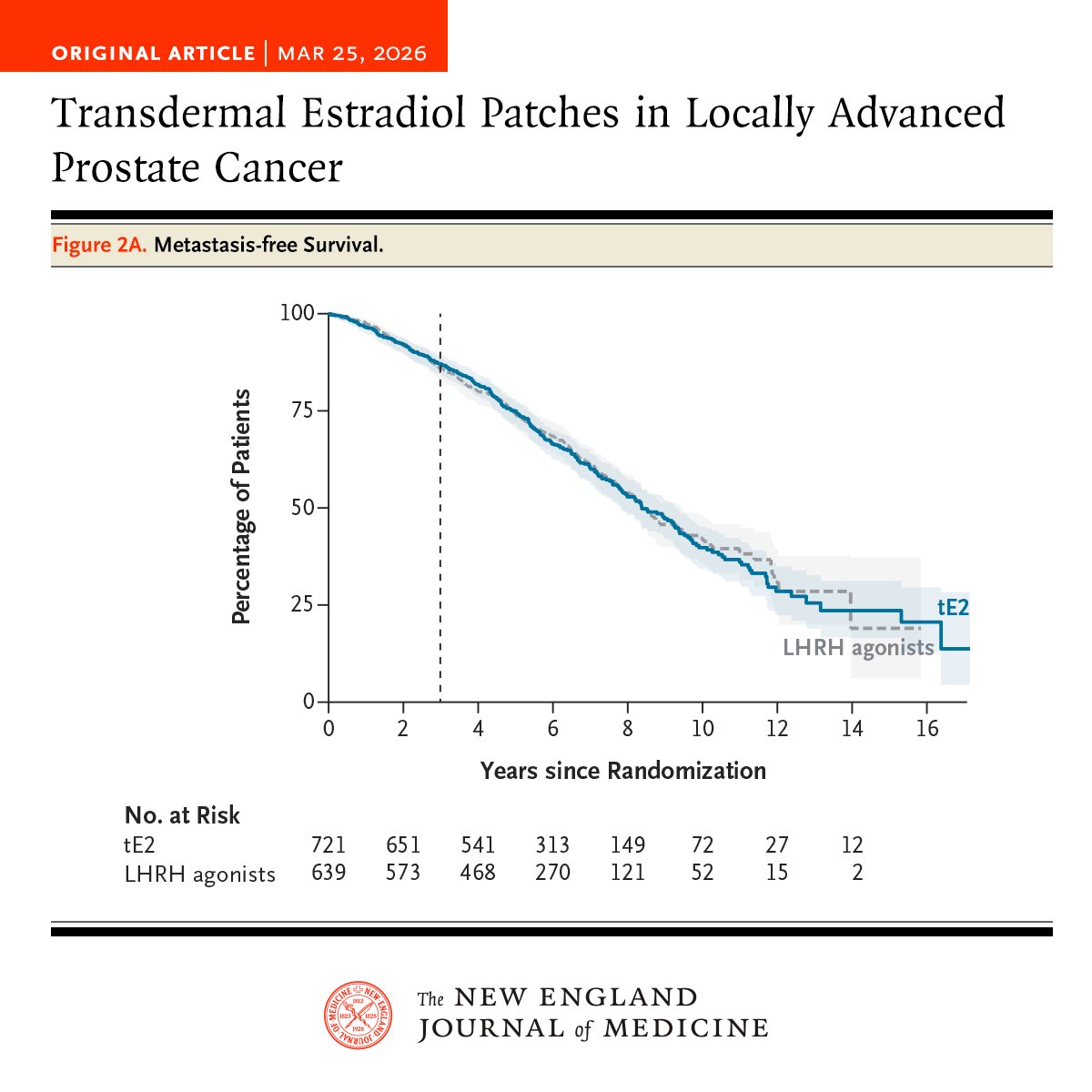
Among men with locally advanced prostate cancer, transdermal estradiol was noninferior to LHRH agonists for 3-year metastasis-free survival and led to a lower incidence of hot flashes but a higher incidence of gynecomastia. Full results of the STAMPEDE-1 and PATCH trials: https://t.co/sKJ6Sr6WiW
Si has tenido un cálculo renal, se te ha advertido que lo más importante para prevenir otro ataque es aumentar la hidratación.
Un ensayo aleatorio de hidratación en más de 1600 participantes no mostró ningún beneficio, a pesar de la evidencia de aumento del volumen urinario.
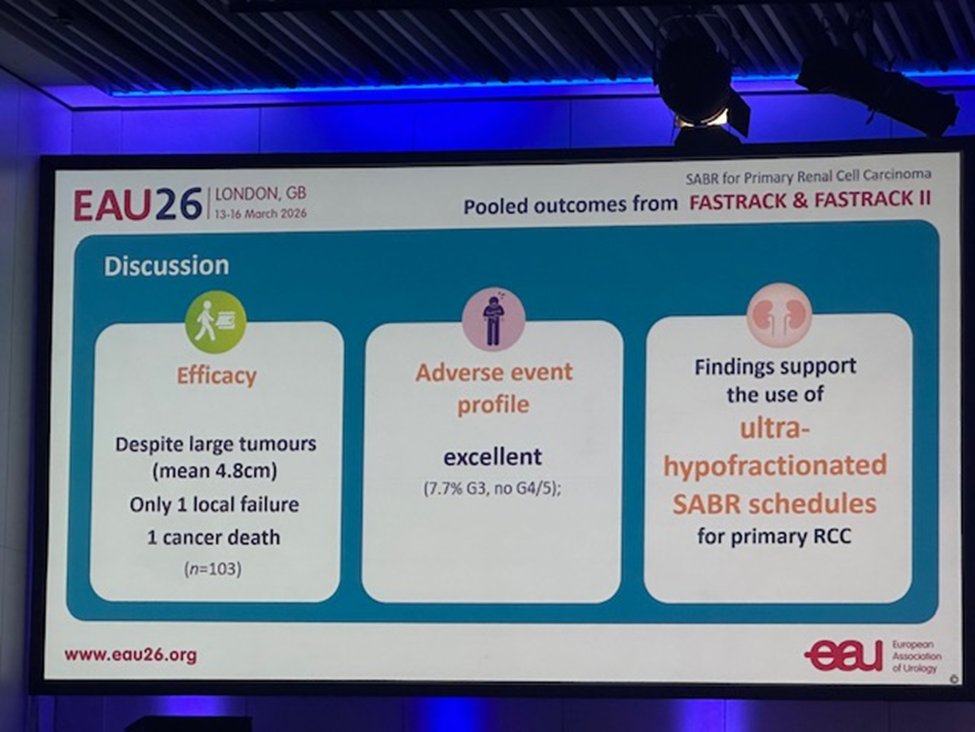
#EAU26 Congrats to the FASTRACK teams @_ShankarSiva.
SBRT for RCC now has greater prospective data than all other ablative treatments and is a guideline supported SOC.
Excited to continue to expand its use through the conduct of well designed clinical trials. Patients want a non-invasive option, but we must continue to generate these excellent results.
@ASTRO_org@NCCN@NRGonc@ASCO
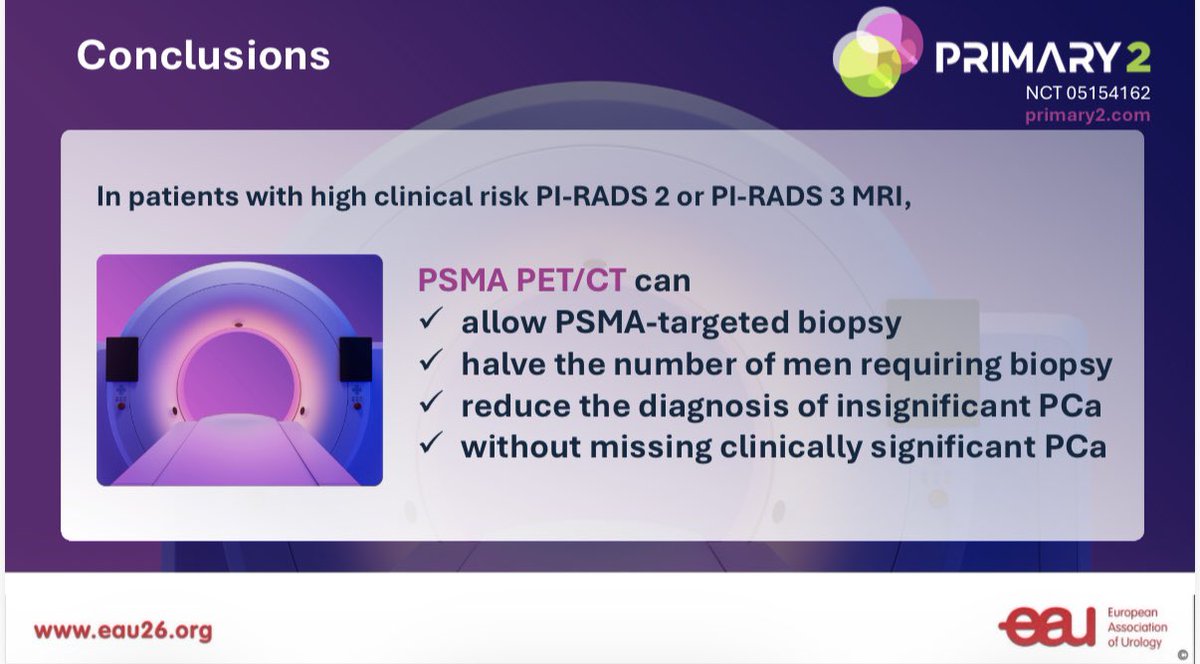
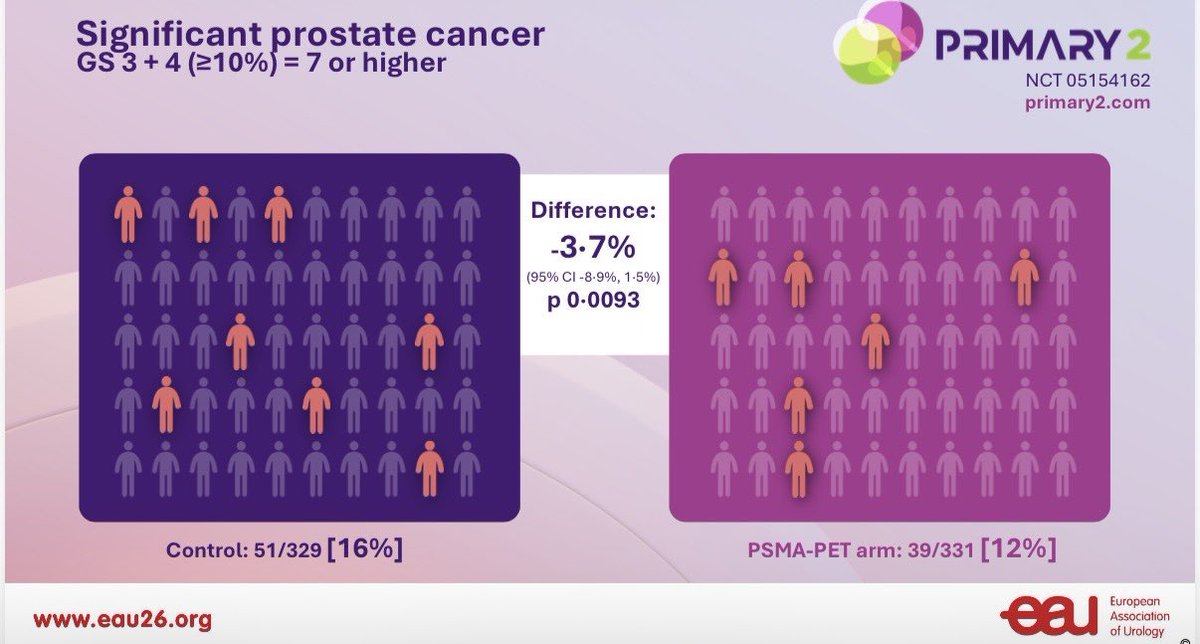
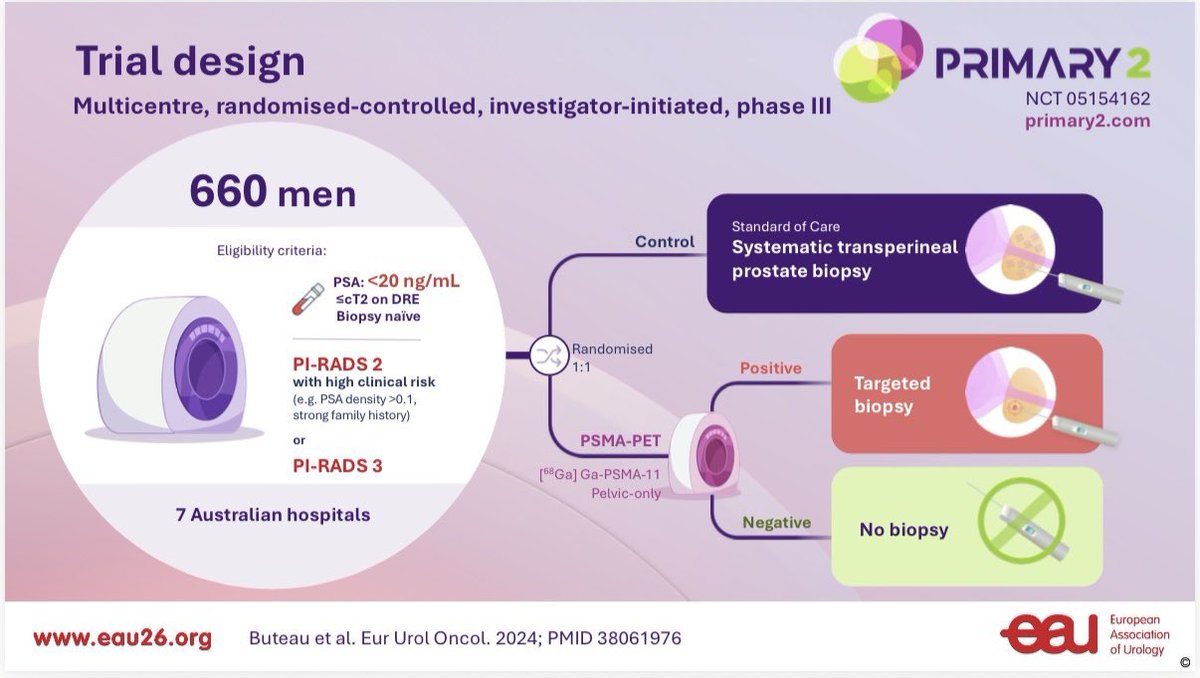
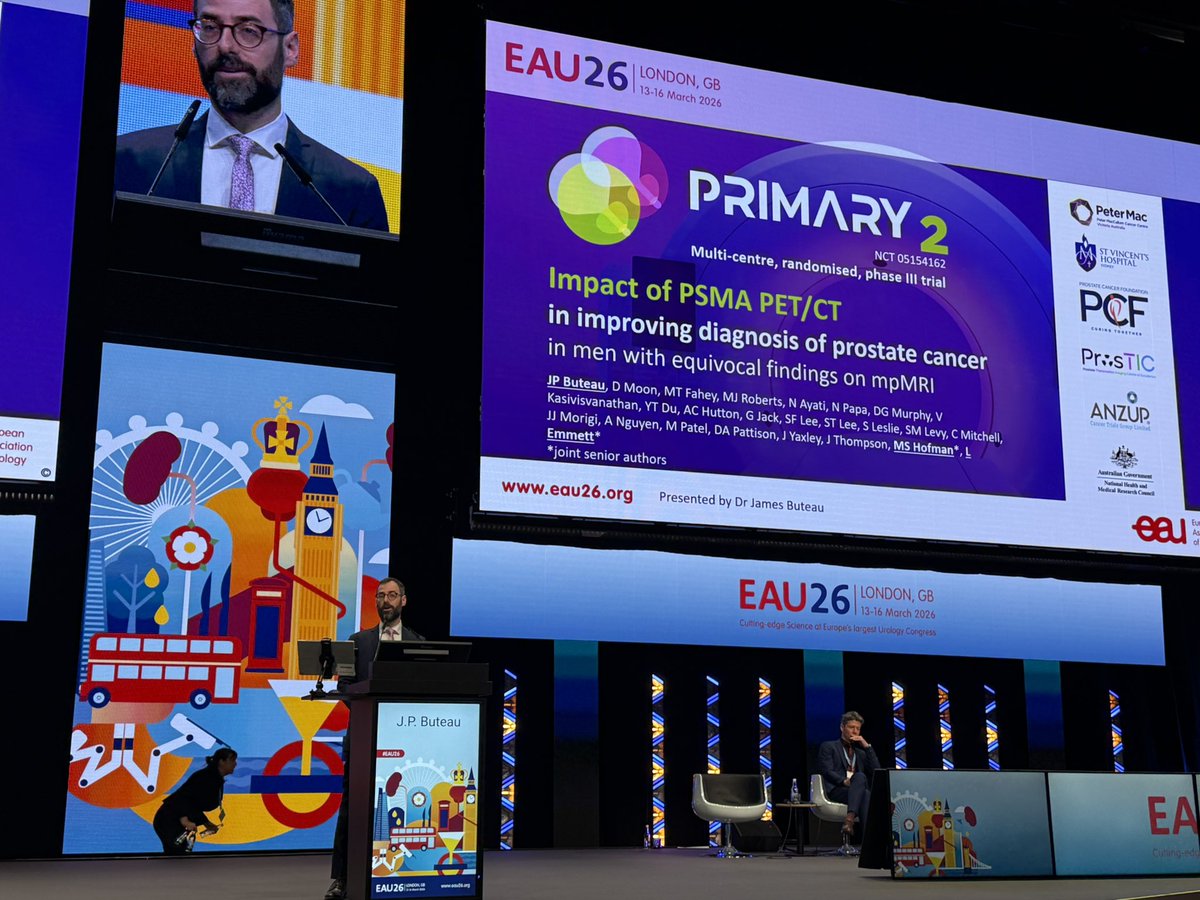
🚨 Gamechanger #PRIMARY2 RCT #EAU26, presented and in press @TheLancetOncol. PSMA-PET CT in men with equivocal or -ve MRI but red flags results reduces biopsy by 49% and has non-inferior csPCa detection to template biopsy in all. Proud to be part of this🚨
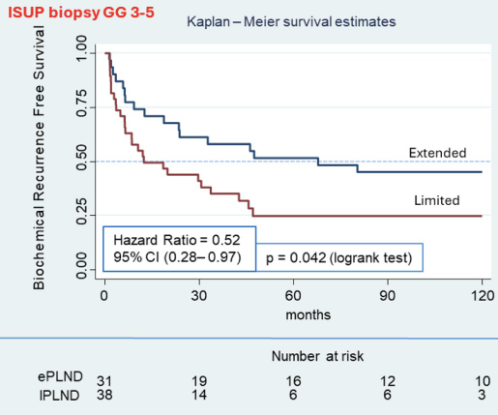
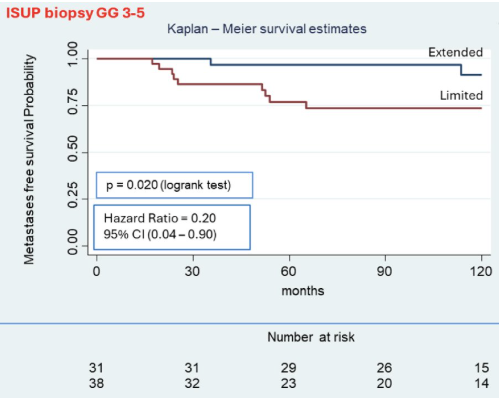
Extended vs limited pelvic lymph node dissection during radical prostatectomy for intermediate- and high-risk #ProstateCancer: 10 years of follow up - oncological outcomes from a randomized phase 3 trial. Presented by Matheus Ruggeri. #EAU26 written coverage by @zklaassen_md > https://t.co/hsySWX1P9K @Uroweb
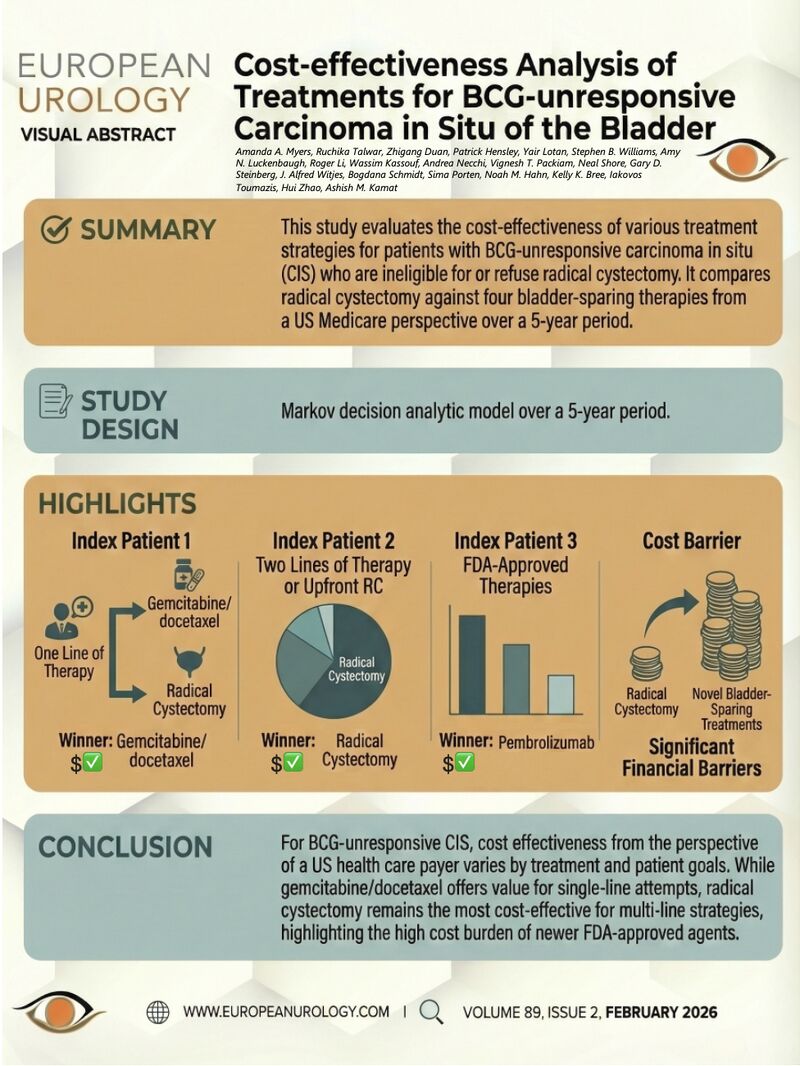
📢 New publication in European Urology
We are pleased to highlight a new study published in European Urology, titled "Cost-effectiveness Analysis of Treatments for Bacillus Calmette-Guérin–unresponsive Carcinoma in Situ of the Bladder".
👏 Congratulations to Myers A., @RuchikaTalwarMD , MMHC, and @UroDocAsh on this excellent contribution, together with all co-authors.
🔗 Read the full article here:
👉 https://t.co/74FwlckXzc
#EuropeanUrology #Urology #UroOncology #Research #MedicalResearch #AcademicUrology
A real-world study of #mHSPC patients: Comparative survival with apalutamide and enzalutamide. Neal Shore, MD, FACS @CURCMB joins @neerajaiims@huntsmancancer in this discussion on UroToday. Using inverse probability of treatment weighting statistical modeling, results demonstrated a hazard ratio of 0.77 favoring apalutamide, representing a 23% reduction in risk of death at 24 months. #WatchNow on UroToday > https://t.co/hHxOin5gj7
Free access: https://t.co/memNNWBKyI
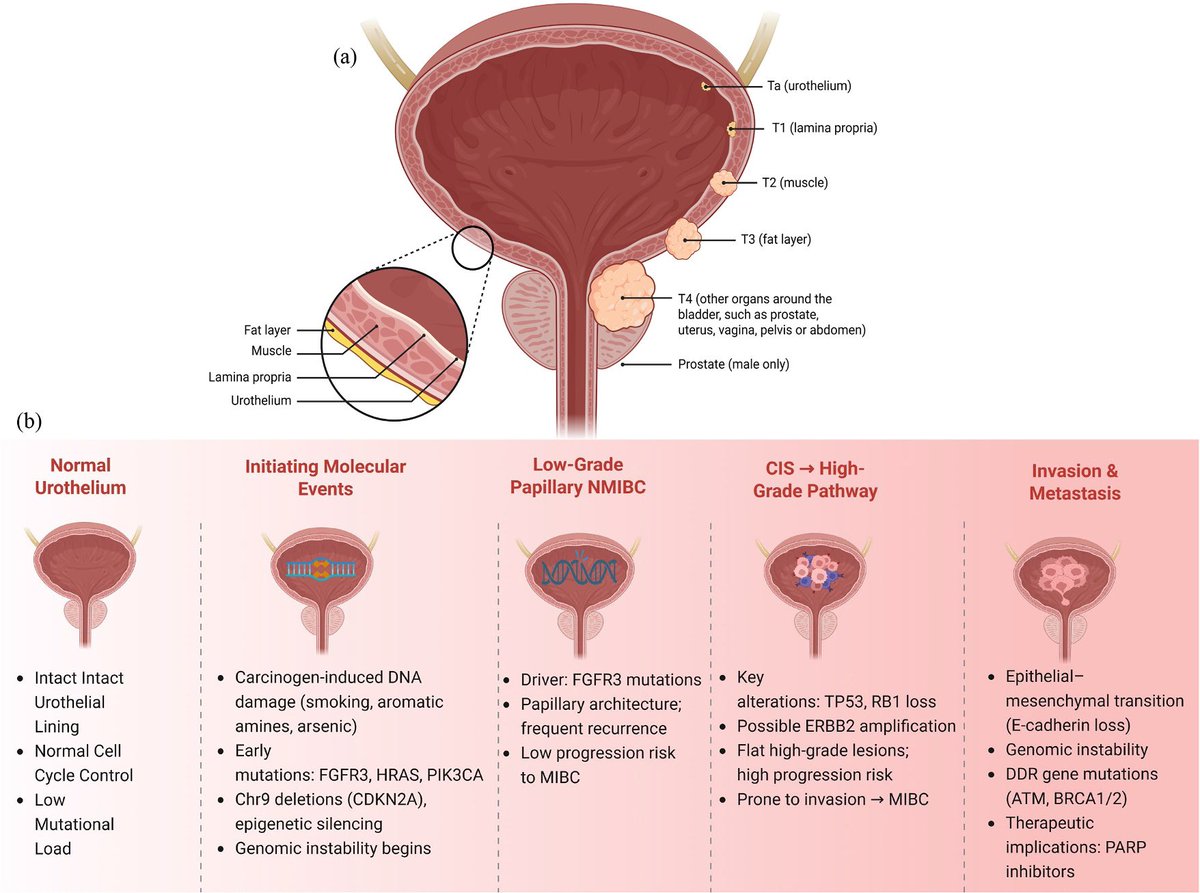
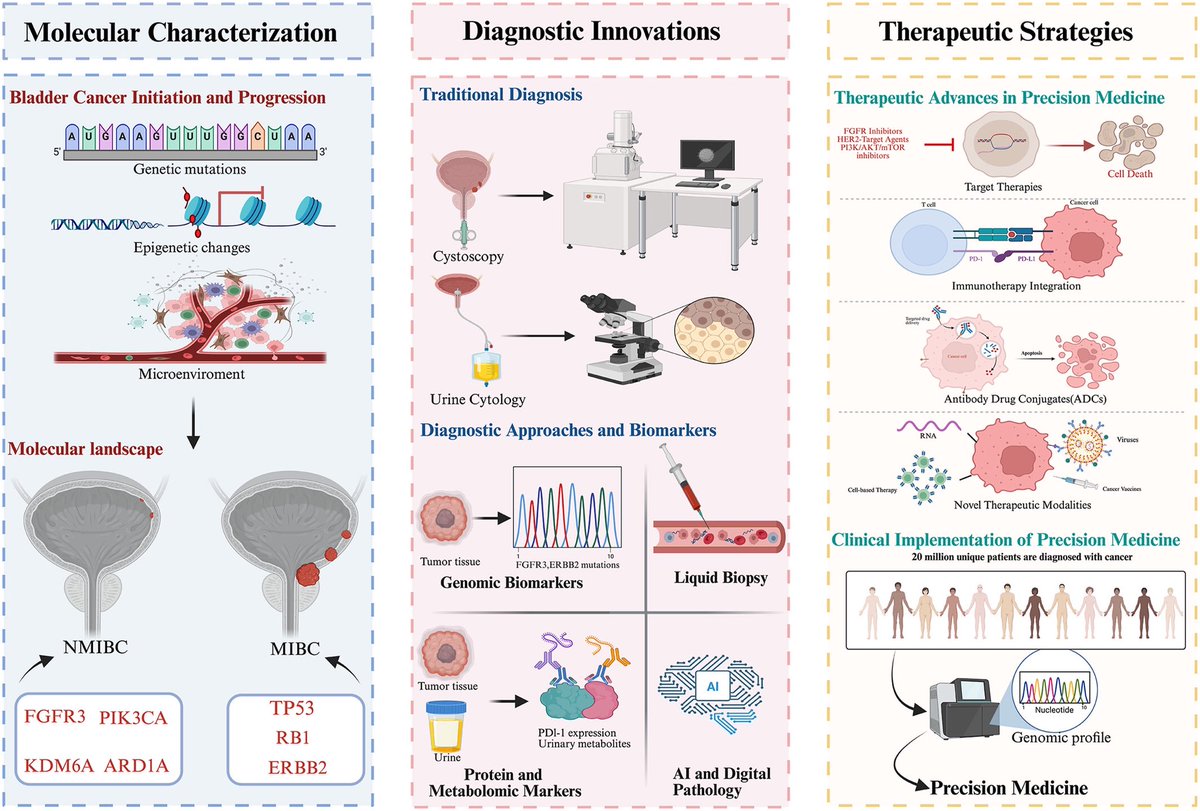
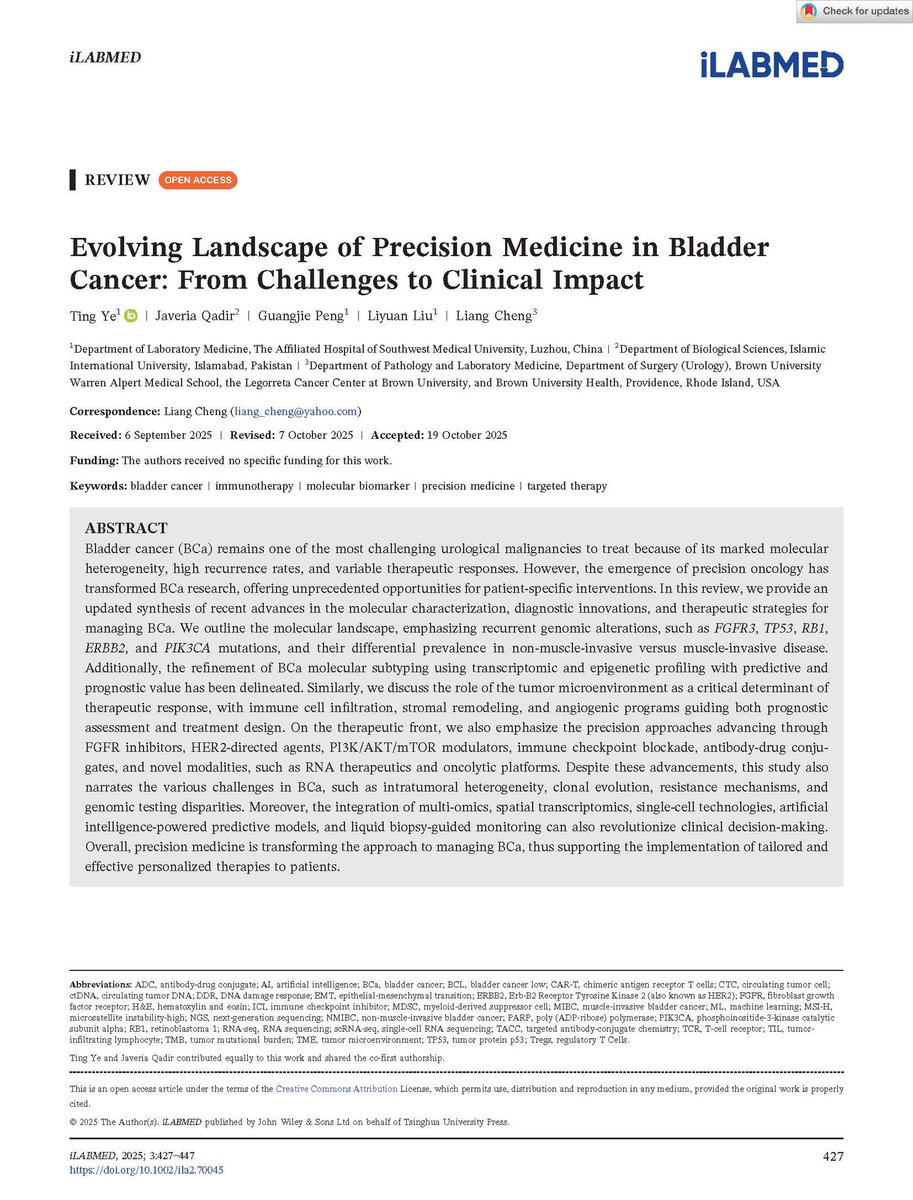
I am absolutely delighted to share this state-of-the-art review on “Evolving Landscape of Precision Medicine in Bladder Cancer: From Challenges to Clinical Impact.”, written by Prof. Ting Ye and colleagues – one of most comprehensive and up-to-date review on bladder cancer care.
Bladder cancer (BCa) remains one of the most challenging urologic malignancies due to its marked molecular heterogeneity, high recurrence rates, and variable therapeutic responses. However, the rapid emergence of precision oncology is transforming the field and opening unprecedented opportunities for personalized treatment strategies.
In this review, we provide an updated synthesis of recent advances in the molecular characterization, diagnostic innovations, and targeted therapeutic strategies for BCa. We discuss the evolving molecular landscape, highlighting recurrent genomic alterations - including FGFR3, TP53, RB1, ERBB2, and PIK3CA - and their differential prevalence in non–muscle-invasive versus muscle-invasive disease. Advances in molecular subtyping using transcriptomic and epigenetic profiling have further refined prognostic and predictive stratification.
We also examine the critical role of the tumor microenvironment, including immune cell infiltration, stromal remodeling, and angiogenic programs, in shaping therapeutic response and guiding treatment strategies. On the therapeutic front, we highlight precision approaches involving FGFR inhibitors, HER2-targeted agents, PI3K/AKT/mTOR pathway inhibitors, immune checkpoint blockade, antibody-drug conjugates, and emerging modalities such as RNA therapeutics and oncolytic platforms.
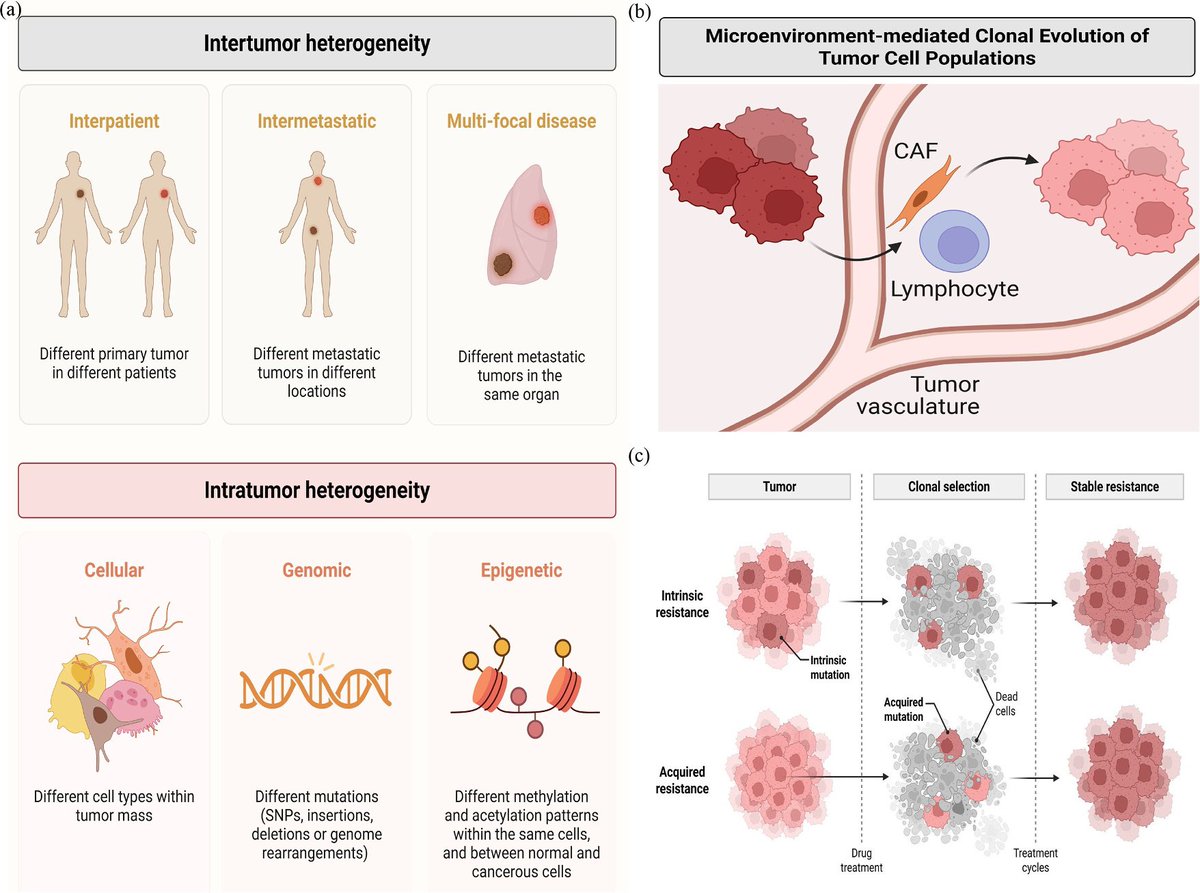
Despite these advances, important challenges remain, including intratumoral heterogeneity, clonal evolution, resistance mechanisms, and disparities in access to genomic testing. Emerging technologies - including multi-omics integration, spatial transcriptomics, single-cell profiling, artificial intelligence–driven predictive modeling, and liquid biopsy monitoring - hold great promise for overcoming these barriers and improving clinical decision-making.
Looking ahead, the future of precision medicine in BCa will rely on the integration of comprehensive multi-omics datasets, AI-enabled predictive analytics, and minimally invasive monitoring strategies such as circulating tumor DNA (ctDNA) and exosomal RNA profiling. Novel immunotherapeutic strategies - including bispecific antibodies, neoantigen vaccines, CAR-T therapies, and TCR-engineered cells - may further expand treatment options, particularly for patients with checkpoint inhibitor - refractory disease.
Ultimately, the convergence of high-throughput molecular profiling, advanced computational analytics, and real-time tumor monitoring is shifting BCa management from a reactive, one-size-fits-all paradigm toward proactive, adaptive, and highly personalized cancer care.
Microultrasonography-guided biopsy was noninferior to MRI-guided biopsy for detection of clinically significant #ProstateCancer, supporting its use as an alternative imaging modality.
🎥 Watch the video and read the full study: https://t.co/2NTBpSvpeD
Cancer-Specific Mortality in Rare Histological Subtypes of Prostate Cancer: Radical Prostatectomy Versus Radiation Therapy
https://t.co/dtfEZKPBpY
Study analyzed cancer-specific mortality in 427,055 #ProstateCancer patients with five histological subtypes, comparing radical prostatectomy (RP) versus radiation therapy☢️(RT) using SEER data (2004-2020).
Results showed RP significantly reduced mortality in acinar, ductal, and neuroendocrine carcinomas, with five-year survival rates consistently higher than RT. However, no survival differences were observed between RP and RT for mucinous and signet ring cell adenocarcinomas, suggesting treatment selection should consider histological subtype.
@carosiech@mario_dea_@DrShariat@Albert0Briganti@OncoAlert 🚨
@Silke_Gillessen@AOmlin@weoncologists
Elevated preoperative HbA1c was associated with increased risks of complications, readmissions, and mortality in general surgery patients, supporting routine HbA1c screening for all surgical candidates, regardless of #diabetes history. https://t.co/2WGQICAJJ4