Top 10 Learnings from ADA 2026, (6-8 June)
ADA 2026: 🔟 CME INDIA Clinical Pearls
1️⃣ Oral GLP-1 therapy is becoming a serious clinical reality.
Orforglipron, a daily oral non-peptide GLP-1RA, added to basal insulin in long-standing T2D reduced HbA1c by 1.54–2.05% and body weight by 2.7–6.1%, without increasing overall hypoglycaemia risk.
👉 Clinical message: Oral GLP-1RA may become a practical intensification option before prandial insulin.
2️⃣ Orforglipron outperformed dapagliflozin in metformin-treated T2D.
In ACHIEVE-2, orforglipron showed superior HbA1c reduction versus dapagliflozin; higher doses also improved weight, triglycerides, non-HDL-C and systolic BP.
⚠️ GI adverse events remain the key limitation.
3️⃣ CagriSema may change basal insulin add-on strategy.
Cagrilintide–semaglutide added to basal insulin reduced HbA1c by around 2.1–2.33%, with 10–12% weight loss and no severe hypoglycaemia.
👉 Pearl: Insulin-treated T2D need not always mean weight gain.
4️⃣ Retatrutide was the metabolic showstopper of ADA 2026.
In TRANSCEND-T2D-1, retatrutide monotherapy reduced HbA1c by up to 1.94% and body weight by up to 15.3% in early T2D.
🔥 Triple agonism—GIP, GLP-1 and glucagon—may be the next major leap.
5️⃣ Semaglutide 7.2 mg may offer weight loss plus kidney-inflammatory benefit.
In STEP UP post hoc analysis, semaglutide 7.2 mg and 2.4 mg preserved kidney function by creatinine–cystatin C eGFR and reduced hsCRP.
🧠 Caution: Post hoc data, but biologically and clinically interesting.
6️⃣ Tirzepatide did not worsen retinopathy despite powerful HbA1c reduction.
In SURPASS-CVOT retinopathy substudy, tirzepatide lowered HbA1c more than dulaglutide, but did not meaningfully worsen diabetic retinopathy at 12 months.
👁️ Clinical pearl: Eye screening remains essential, but retinal safety looks reassuring.
7️⃣ Finerenone moved beyond diabetic kidney disease.
FIND-CKD showed that finerenone slowed eGFR decline in CKD patients without diabetes.
⚠️ Hyperkalaemia monitoring remains mandatory.
👉 Pearl: nsMRA therapy may expand beyond DKD.
8️⃣ CGM is now relevant even in T2D not using insulin.
CONNECT RCT showed CGM produced 0.9% greater HbA1c reduction and around 5 hours/day more time-in-range versus routine care.
📲 Clinical message: Seeing glucose can change behaviour, diet, and treatment even without insulin.
9️⃣ Prior PCI without MI is still high residual ASCVD risk.
In VESALIUS-CV, evolocumab reduced 3-point MACE, MI, and urgent coronary revascularisation in patients with prior PCI but no previous MI.
❤️ Pearl: “No MI” does not mean “low risk” after PCI.
🔟 Teplizumab is entering real-world T1D disease-modification practice.
TEPLI-REAL showed high completion of the 14-day infusion course, with many patients remaining in stage 2 T1D during follow-up.
🧬 Clinical message: T1D screening plus early intervention is becoming actionable.
🎯 Final CME INDIA Take-Home
ADA 2026 was dominated by oral incretins, triple agonists, weight-loss pharmacology, CGM beyond insulin, kidney protection beyond diabetes, lipid intensification after PCI, and early type 1 diabetes disease modification.
In today's @TheLancet there are 3 papers on cardiometabolic disease: biology, epidemiology, prevention/treatment.
The sobering and all to common story from womb to tomb conveyed in this graphic
https://t.co/rVs2Yz97NC
https://t.co/OpuJTia0bC
https://t.co/i714onXoCG
A new book by @helenpearson — BEYOND BELIEF— takes us through an 8-decade progression for what is the now considered best medical evidence. Our conversation gets into some incredible historical examples, such as sudden infant death syndrome.
In the new Ground Truths. A @NotebookLM infographic on some of the book content below
Just published in JACC @JACCJournals!🫀
Acute HF care is evolving:
📍Rapid diagnosis
📍Early decongestion
📍Timely GDMT initiation
📍Structured follow-up
📍Focus on long-term outcomes, not just symptom relief
Grateful to have contributed to this international collaboration & learned so much from the exceptional experts involved in this work. Congratulations to @Jolie_Bruno_ and @AlexMebazaa for the leadership & to all co-authors on this important publication🫀
Read the full paper🔗: https://t.co/408QmNOznr
#HeartFailure #AcuteHeartFailure #JACC @jozinetm@BiykemB@GianluSava@pmyhre
INCLISIRAN
✍️Fast-track lipid-lowering treatment early after an acute coronary syndrome
🌏Real-World-Data on ACS patients
⬇️LDL: 147->30 mg/dl
👍🏻50% achieved goals at 15d
👍🏻100% achieved goals at 30 d
https://t.co/vZg76U1abD
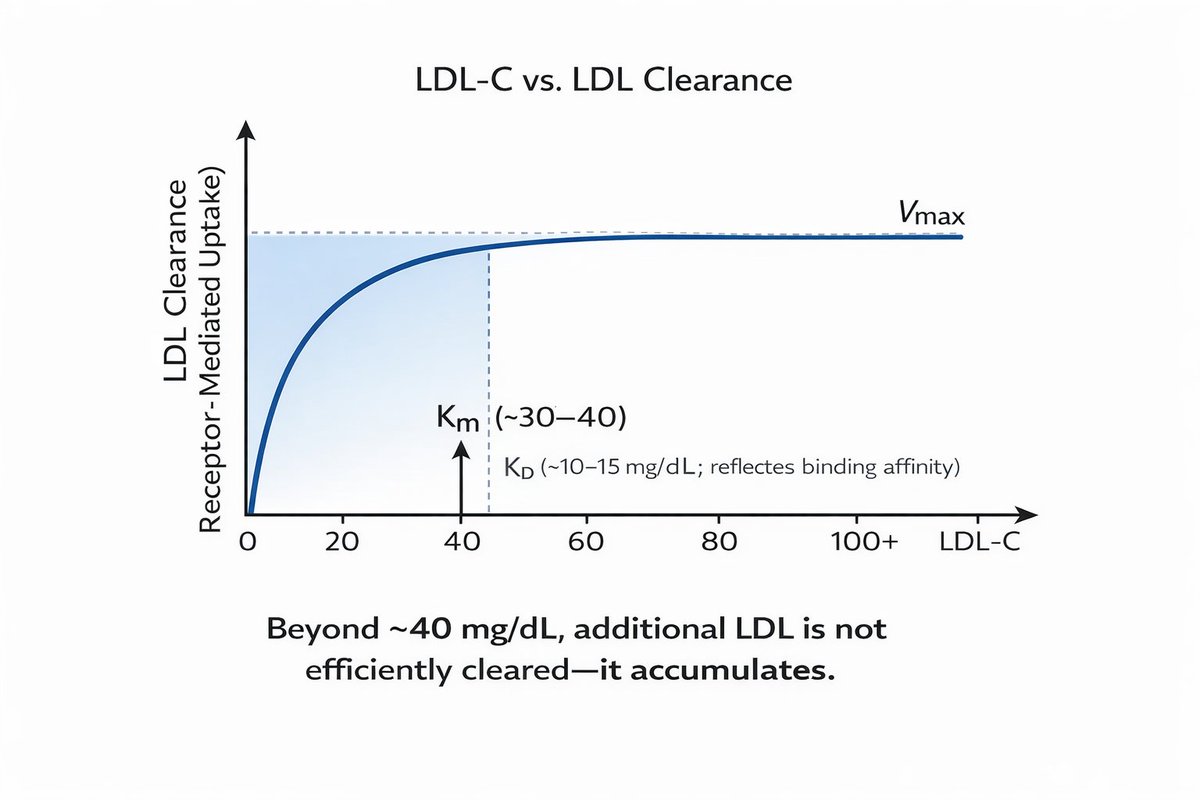
👆 Rethinking “Normal” LDL-C: A Physiological Mismatch
📍 LDL receptor kinetics are not aligned with current clinical definitions
📍 Half-maximal receptor-mediated LDL uptake occurs at ~30–40 mg/dL (Km range), far below what we label as “acceptable”.
📍 Binding affinity tells an even harsher story
1️⃣ LDL–LDLR interaction (Kd) suggests significant receptor engagement already at ~10–15 mg/dL. Above these levels, clearance becomes progressively inefficient
2️⃣ Additional LDL is no longer matched by proportional receptor-mediated uptake → plasma accumulation becomes inevitable.
3️⃣ Modern “normal” LDL-C (~100 mg/dL) exists in a biologically saturated system
4️⃣ This is not physiological—it is compensated pathology.
Atherosclerosis, then, is not an anomaly
5️⃣ It is the predictable consequence of operating chronically above receptor capacity.
📍 Take-home message
We did not adapt physiology to modern LDLc levels
We adapted our definitions to a chronically saturated system.
https://t.co/2iwQiA5LMl
@society_eas@nationallipid
In a randomized study involving 9 general cardiologists & 107 patient cases, assistance from an #LLM led to preferable responses on complex case management vs physicians alone.
https://t.co/WZF0lwlSnP
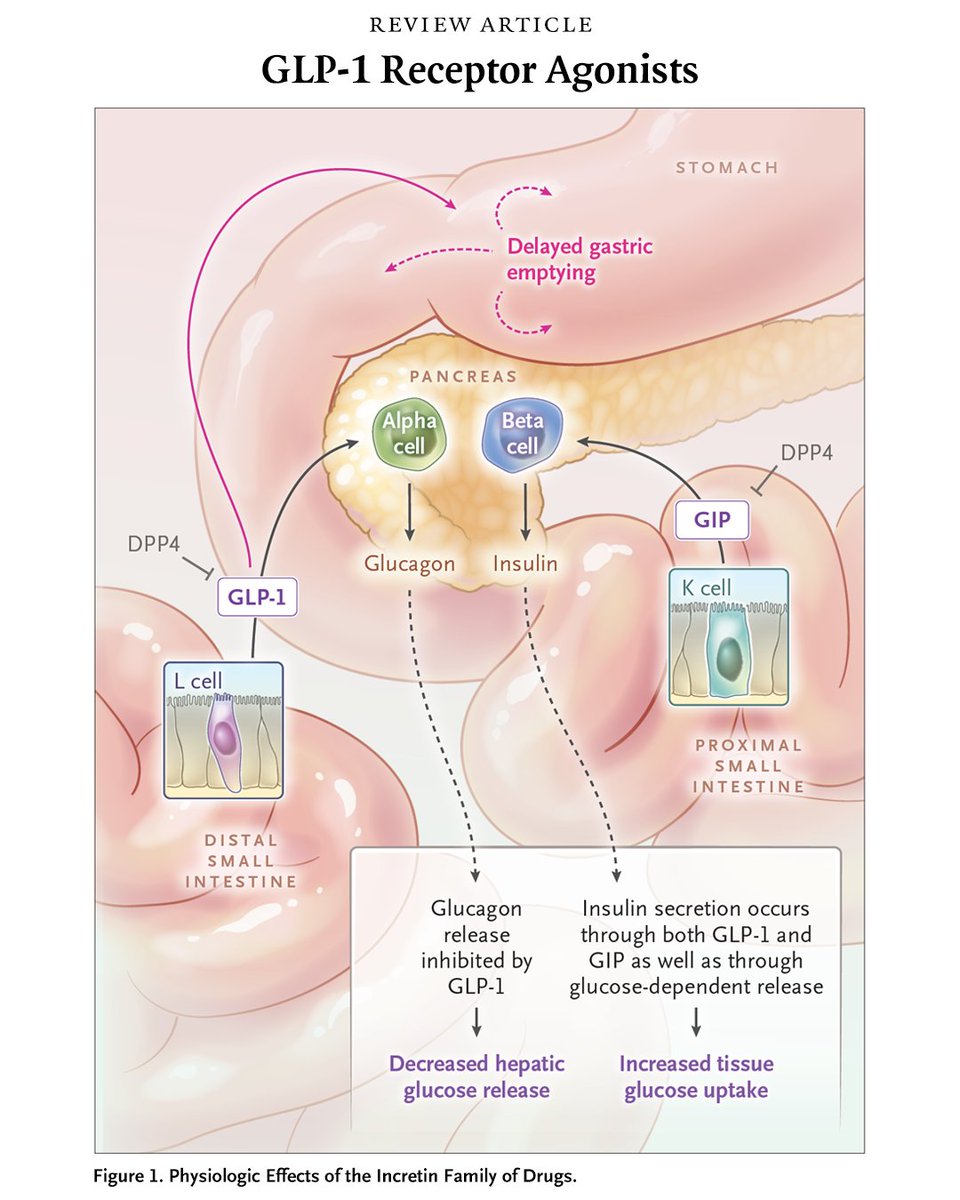
GLP-1 receptor agonists are increasingly used to treat type 2 diabetes and obesity, and trials have shown reductions in cardiovascular risk and slowing of kidney failure. Adverse events are mostly gastrointestinal.
Read the Review Article “GLP-1 Receptor Agonists” by Clifford J. Rosen, MD, and Julie R. Ingelfinger, MD, from @tuftsmedschool and the Maine Medical Center Institute for Research: https://t.co/D0XSLv7U8n
Novel cardiovascular metabolic risk factor mechanisms and therapeutic opportunities: A scientific statement of the ESC Council on Basic Cardiovascular Science, the ESC Working Group on Atherosclerosis and Vascular Biology, the ESC Working Group on Cellular Biology of the Heart, the ESC Working Group on Myocardial Function, and the ESC Working Group on Cardiac Cellular Electrophysiology
addressing the complex basis for metabolic disorders and CVD requires a systems-based, multidisciplinary framework spanning cardiology, hepatology, nephrology, endocrinology, metabolism, primary care, and patient-centred perspective
#Cardiology #MedTwitter #CardioTwitter #HeartHealth #Healthcare
@ESC_Journals@escardio@ehj_ed@CMichaelGibson@EricTopol@DrMarthaGulati@hvanspall@ShelleyZieroth@SubodhVermaMD
https://t.co/spPdNqI85k
From @JAMA_current: #Obesity is associated with higher risk for 12 #cancer types and accounts for approximately 10% of annual new cancer cases in the US.
📄 This Review summarizes the biological pathways connecting obesity and cancer development. https://t.co/yupO3esoPq
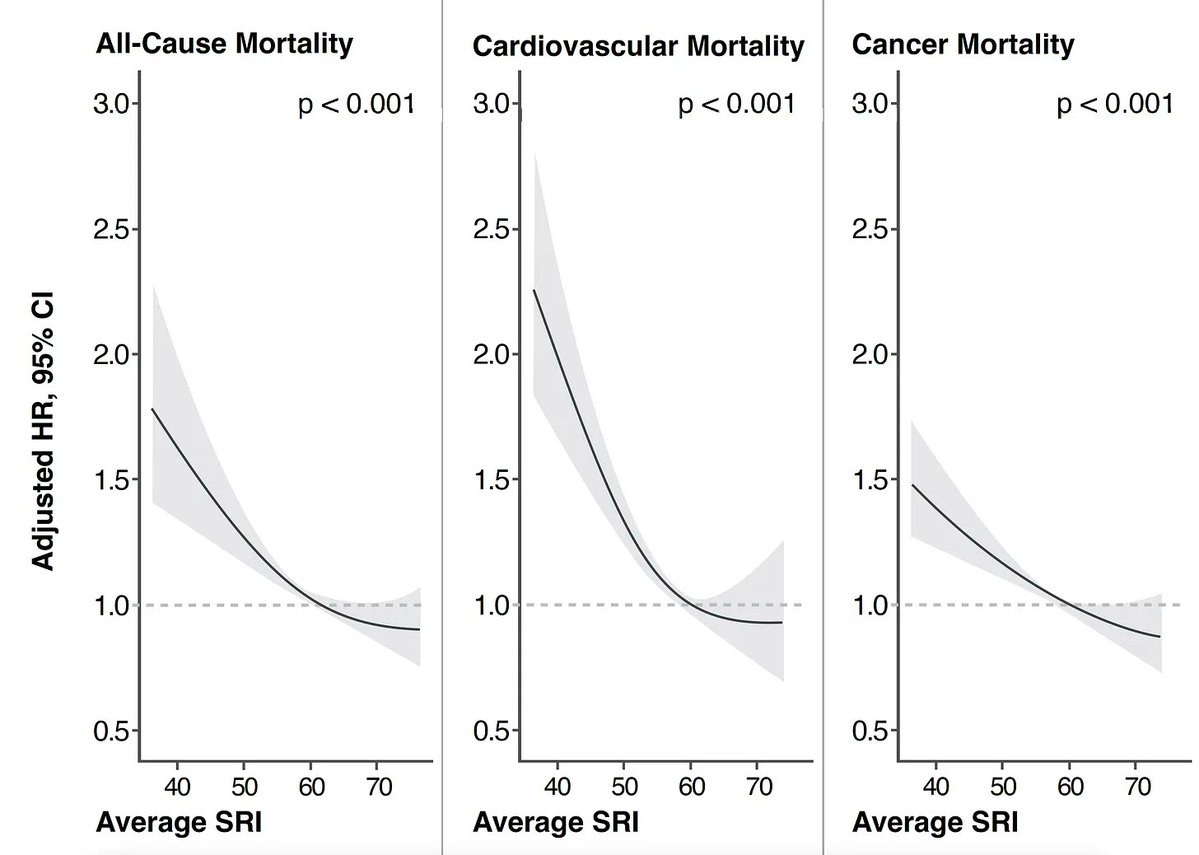
Interested in the latest sleep science and getting better quality sleep? New Ground Truths with Prof Yo-El Ju, @WashUNeurology
https://t.co/2lV3Fw6cwg SRI-sleep regularity index
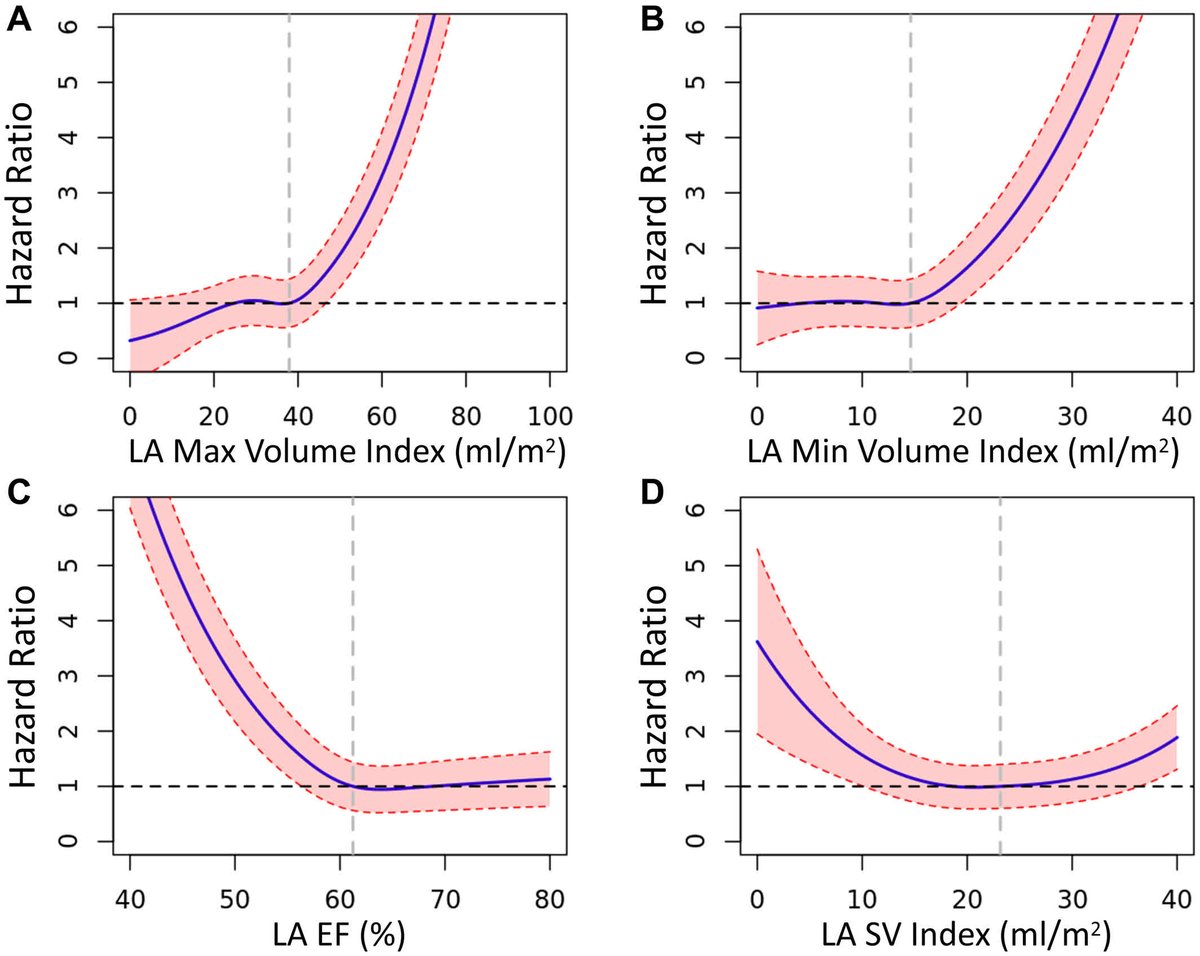
Obesity and smoking may lead to atrial fibrillation via structural and functional changes in the left atrium. @Adielias5@gregorymmarcus https://t.co/vV6KaWEIT2