Literally anything is better for acid reflux than acid suppressing meds:
They put Aloe Vera head to head and found it just as if not more effective (with less/no sides),
DGL (a type of liquorice) outperformed antacids not by suppressing acid, but by repairing the mucus lining.
Melatonin often matches stomach acid suppressors via tightening the LES, showing again the acid isn't the issue.
In fact if you dig deeper into the research you'll almost always find suppressing acid is the worst intervention for gut health,
Besides being ridiculously stupid compared to these other interventions you also get the risk of infection and subsequent SIBO increasing,
You also impair basic digestion function. And the worst part is with PPI's there is no end game,
With reparative work there is.
Blooms of harmful algae often collapse within a few days, but what drives their rapid and widespread disappearance?
Researchers in Science have now traced a potential pathway for this coordinated cell death that depends on the formation of lipid peroxides.
Their findings could point toward new solutions for controlling algae blooms that threaten drinking water and disrupt ecosystem functions.
📄: https://t.co/h6DTbrt0hV
#SciencePerspective: https://t.co/IuKz9xbnrz
⚠️ "Low smoke" doesn't mean low risk. New
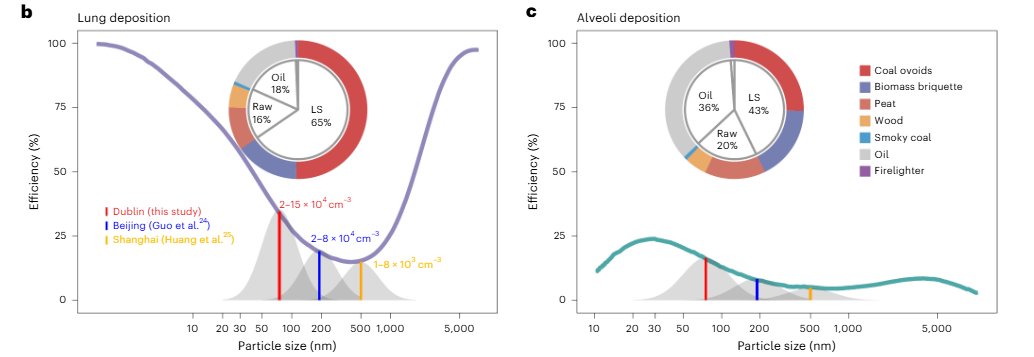
@uniofgalway Research shows "low smoke" solid fuels emit 2–3× more ultrafine particles — reaching lungs, heart, even the brain. 📷
Time to rethink air quality standards!
Paper: https://t.co/Zz6L1CsHPx
Even microbiomes have microbiomes. Cyanobacteria, part of the phytoplankton, live in relationship with other microbes. These partnerships help power the ocean’s ability to store carbon. https://t.co/kCaeUf6xU1
Burning wood at home produces more pollution than road traffic, according to research.
"It's particularly worrying that those with very little agency, their health is being damaged when they're very young, even before they're born."
https://t.co/W8y8BvubCu
@LeonSimons8@Gergyl Depending on seasonal vertical mixing, forams might eventually end up in pools of surface organics that would form sea spray though, but again there are no studies on this so far...It's all captivating
@LeonSimons8@Gergyl Forams are important for the trophic chain, their global yearly production is at least 1.2 billions tons but when it comes to their role on aerosols-climate feedbacks, we don't know, I'd say it's likely not much as they tend to sink quite deeply in the ocean layers?