I had the profound Honor and joy welcoming H.E. Prime Minister Dr @AbiyAhmedAli on his arrival in the United Arab Emirates for the vital working visit and meet his brother Sheikh Mohamed bin Zayed bin Sultan Al Nahyan, the President of UAE.
The historic and symbolic visit, made amid the recent regional developments, reaffirms Ethiopia’s unwavering solidarity with the Government and people of the UAE and highlights the depth of the Comprehensive Strategic Partnership that continues to strengthen our two nations.
Ethiopia and the UAE share enduring cordial bonds and fraternity founded on mutual respect, shared interests, and a common vision for peace, stability, and prosperity. 🇪🇹🤝🇦🇪
@MFAEthiopia@mofauae
That is Ethiopia!
~~~~~~~~~~~~~~||~~~~~~~~~~~~~~
There is no greater honor and privilege than being led by a heroic leader. In an extraordinary demonstration of courage and unwavering commitment to brotherly relations, our leader, Prime Minister @AbiyAhmedAli, has once again surprised the world by making a state visit to the United Arab Emirates, even at a time when missiles and drones are falling from the sky in the country.
This true son of Ethiopia has demonstrated the genuine heart, courage, and resilience of the Ethiopian people. Just as he once surprised the world by joining the front lines—wearing a military ranger uniform to stand with his country’s defense forces—he has once again demonstrated remarkable fearless leadership by traveling to a region facing security challenges to stand with our brothers and sisters in the United Arab Emirates.
From the very day he assumed the responsibility of leading our country, we Ethiopians have watched with pride as he guided the nation with dignity and determination. His leadership has enabled us to hold our heads high with confidence and national pride.
Your Excellency, Prime Minister, your courageous leadership inspires Ethiopians everywhere to live with pride and stand tall. Today’s visit to the United Arab Emirates, which has amazed the world, has further elevated the stature and respect of Ethiopia and its people.
As true Ethiopians, we are proud and grateful to be led by such a heroic leader. At this time, many of us are observing fasting Orthodox Christians (ዐብይ ጾም)and Ramadan, we need to pray for the good health, strength and long life of our leader, Prime Minister Abiy Ahmed. May God continue to guide and protect him.
Once again, That is Ethiopian leader!
ETHIOPIAN HUMAN RIGHTS VIOLATOR, PARAMILITARY MEMBER & GENOCIDE INFLUENCER DEPORTED
Criminal illegal alien Solomon Bogale was denied immigration benefits and ultimately deported to Ethiopia March 5 by our Phoenix officers after ICE discovered numerous social media accounts where he openly identified himself as a member of Fano, a Tier III terrorist group.
Bogale’s posts called for persecution and violence against Tigrayans by “cleansing” them from Ethiopia.
Since 2003, ICE’s HSI-led Human Rights Violators and War Crimes Center has deported 1,178 known or suspected human rights violators and war criminals.
The bond between Ethiopia and the UAE is unwavering not only in moments of celebration, but especially in times of challenge, standing firm together through every trial.🇪🇹🤍🇦🇪
📰U.S. Senator John Thune praises Ethiopian Prime Minister Abiy Ahmed’s dedication, humility, and hands-on leadership, suggesting that leaders across Africa could learn from his approach to national development and public service.🇪🇹🇪🇹
#Abiy_Ahmed
🇪🇹 The level of conspiracy by #Shabia, #TPLF, our historical enemies #Egypt, and Western white supremacists was heartbreaking to Ethiopians.
Ambassador Goshu Wolde spoke these truths 33 years ago. On May 28, 1991, at the London Conference, he witnessed them gather to dismember Ethiopia. 🇪🇹💔
Today, he watches a new generation rise, to heed his warning and reclaim our destiny.
#Ethiopia #GoshuWolde #NeverForget
Ethiopia is not a prisoner of history, rather it is a great nation striving on a path of rapid development forgiving those who did wrong to it, honouring those who loved it, and seeking to share her bounty not only with her own people but with the entire region! Not a single day passes without confirming the greatness of my country and my people. The hope I see in the eyes of my fellow citizens in the places I visit and the opportunities I encounter is the constant strength behind my dedication. Let us all strive together in our respective fields!
The time Ethiopia will be even greater than it has ever been is not far off!
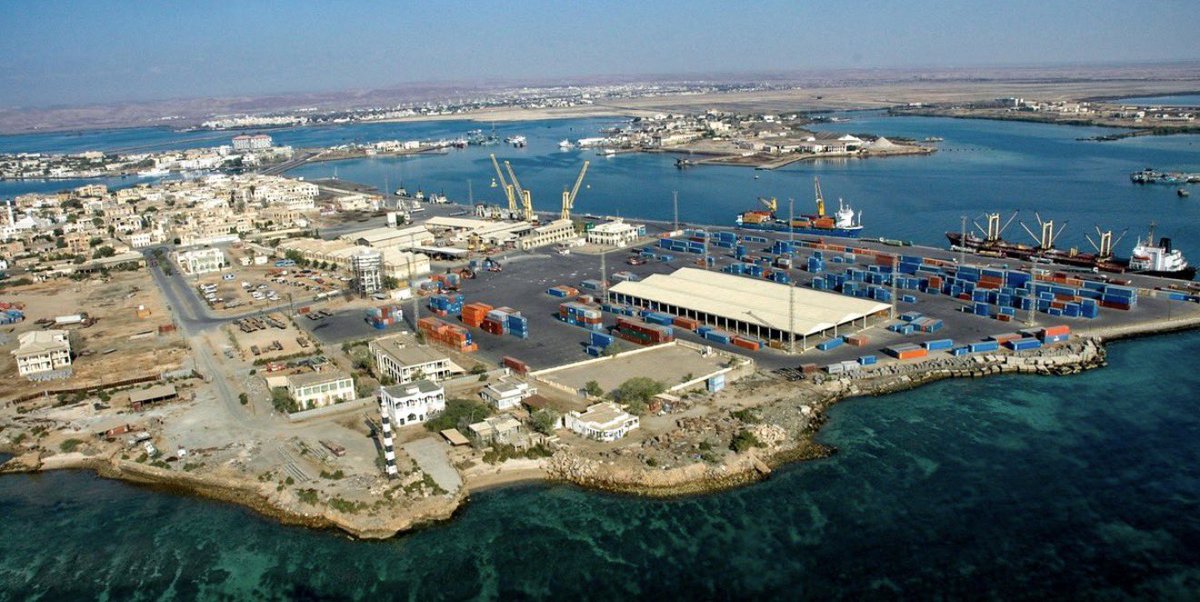
If Ethiopia 🇪🇹 strengthens access to the Red Sea through ports like Assab or other regional corridors, it could significantly reshape the Ethiopian economy over the next 20 years. Here’s how.
1. Ethiopia Could Become East Africa’s Logistics Hub
Ethiopia sits at the center of a region with over 400 million people (Ethiopia, Sudan, South Sudan, Somalia, Kenya).
With strong Red Sea access, Ethiopia could become a regional trade gateway for:
• Sudan
• South Sudan
• Somalia
• parts of Central Africa
This would create:
🚚 logistics companies
🚆 rail corridors
📦 warehousing hubs
🚢 container shipping services
Much like Dubai became the logistics hub of the Middle East.
2. Export Industries Would Expand Rapidly
Lower shipping costs make exports competitive.
Major Ethiopian exports that could grow dramatically:
☕ specialty coffee
🌾 agricultural products
🥩 livestock and meat exports
👕 textiles and garments
🏭 manufactured goods
For example, Ethiopia already produces some of the world’s best coffee, and faster Red Sea shipping routes could dramatically expand global market reach.
3. Industrial Parks Could Explode in Growth
Ethiopia has already built multiple industrial parks designed to produce goods for export.
With better port access, Ethiopia could become a manufacturing hub for global supply chains, especially for:
• textiles
• leather goods
• pharmaceuticals
• electronics assembly
Many companies are moving manufacturing out of Asia to Africa, and Ethiopia is a prime candidate.
4. Massive Infrastructure Development
Ports trigger entire economic ecosystems.
Over the next two decades Ethiopia could see:
• new highways
• railways connecting Addis Ababa to ports
• logistics free zones
• cargo airports
• industrial cities
These projects create millions of jobs and stimulate economic growth.
5. Ethiopia Could Become an Energy Export Power
Ethiopia is investing heavily in hydropower and renewable energy, including the massive Grand Ethiopian Renaissance Dam.
With Red Sea access, Ethiopia could export:
⚡ electricity
⛽ refined fuels
🔋 green energy
to nearby countries in the Middle East and Africa.
6. Tourism and International Travel Would Increase
Improved connectivity could boost tourism:
• Red Sea coastal tourism
• Ethiopian historical tourism (Lalibela, Axum, Gondar)
• conference and diplomatic travel in Addis Ababa
Addis is already Africa’s diplomatic capital, hosting the African Union.
7. Ethiopia Could Become One of Africa’s Largest Economies
Ethiopia already has:
• one of Africa’s fastest-growing economies
• the second-largest population in Africa
• huge agricultural resources
• expanding infrastructure
Access to the Red Sea would unlock the full potential of these advantages.
Economists believe Ethiopia could become one of Africa’s top three economies within the next two decades if logistics barriers are reduced.
What This Means for the Next 20 Years
If Ethiopia fully connects to Red Sea trade routes, the country could experience:
📈 faster GDP growth
🏭 major industrialization
🚢 expanded global trade
🌍 increased foreign investment
In simple terms:
Ports unlock prosperity
The MESOB in Harar City is part of Ethiopia’s broader national initiative to modernize and integrate public service delivery through one-stop service centers. In Harar City, the MESOB platform currently brings together 8 institutions, operating through 24 service counters and providing 67 different public services to residents in a single location. This local implementation reflects the wider national effort to improve government efficiency, accessibility, and citizen satisfaction by reducing fragmentation across institutions and minimizing the time and cost required for people to obtain public services.
Across the country, the MESOB approach is being expanded as part of the government’s commitment to digital transformation and coordinated service delivery, positioning integrated service centers as a key mechanism for strengthening public sector performance and enhancing the overall citizen experience.