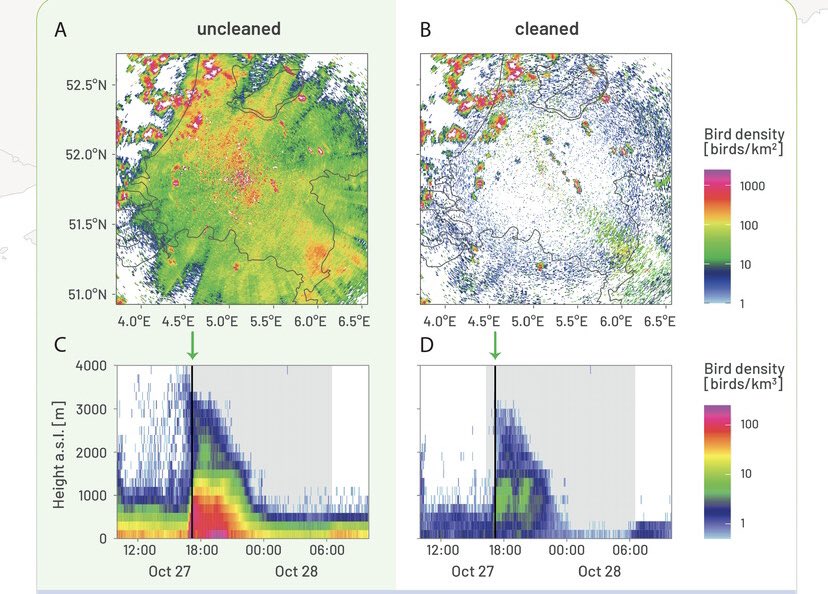
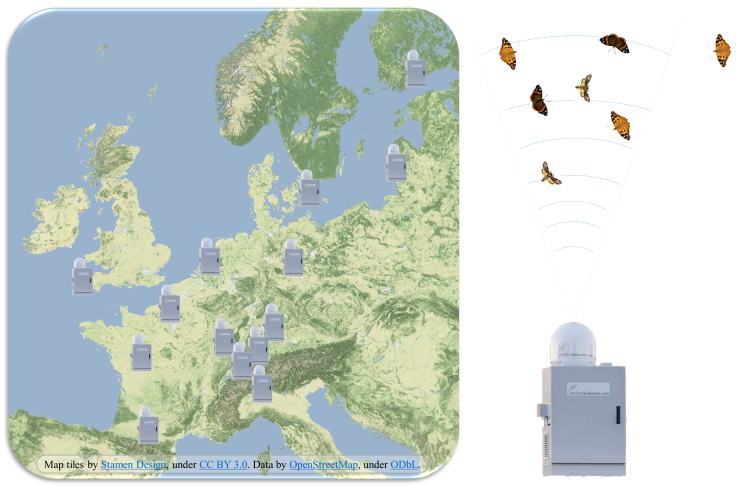
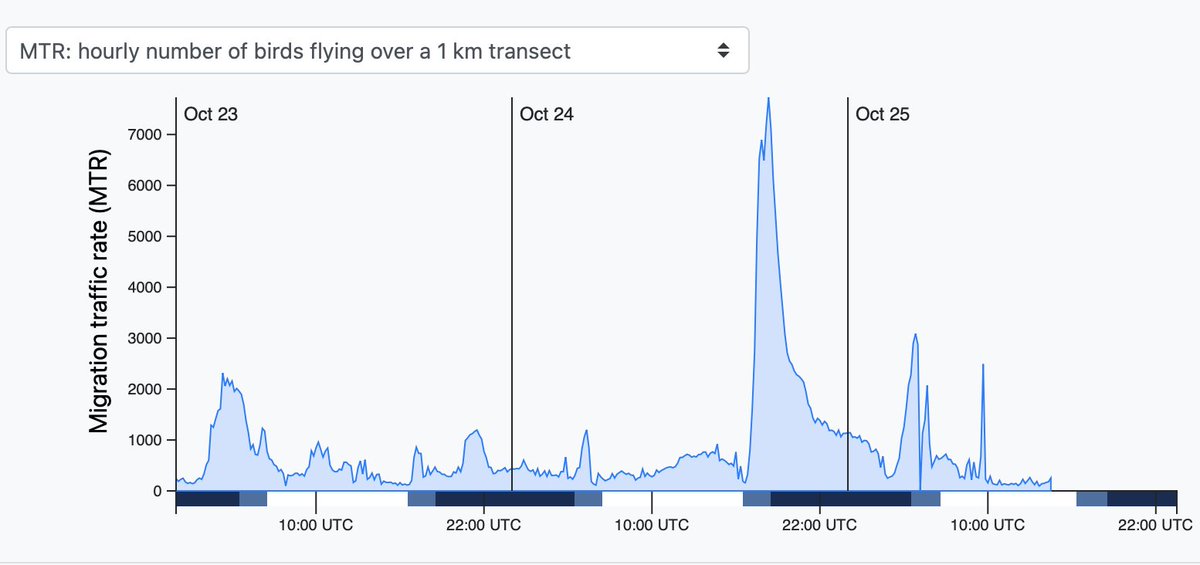
Strong bird migration departure on bird radar right now (12-11) from the most NW point of the Netherlands (Vlieland) to UK. Another extreme sea crossing of migrating birds
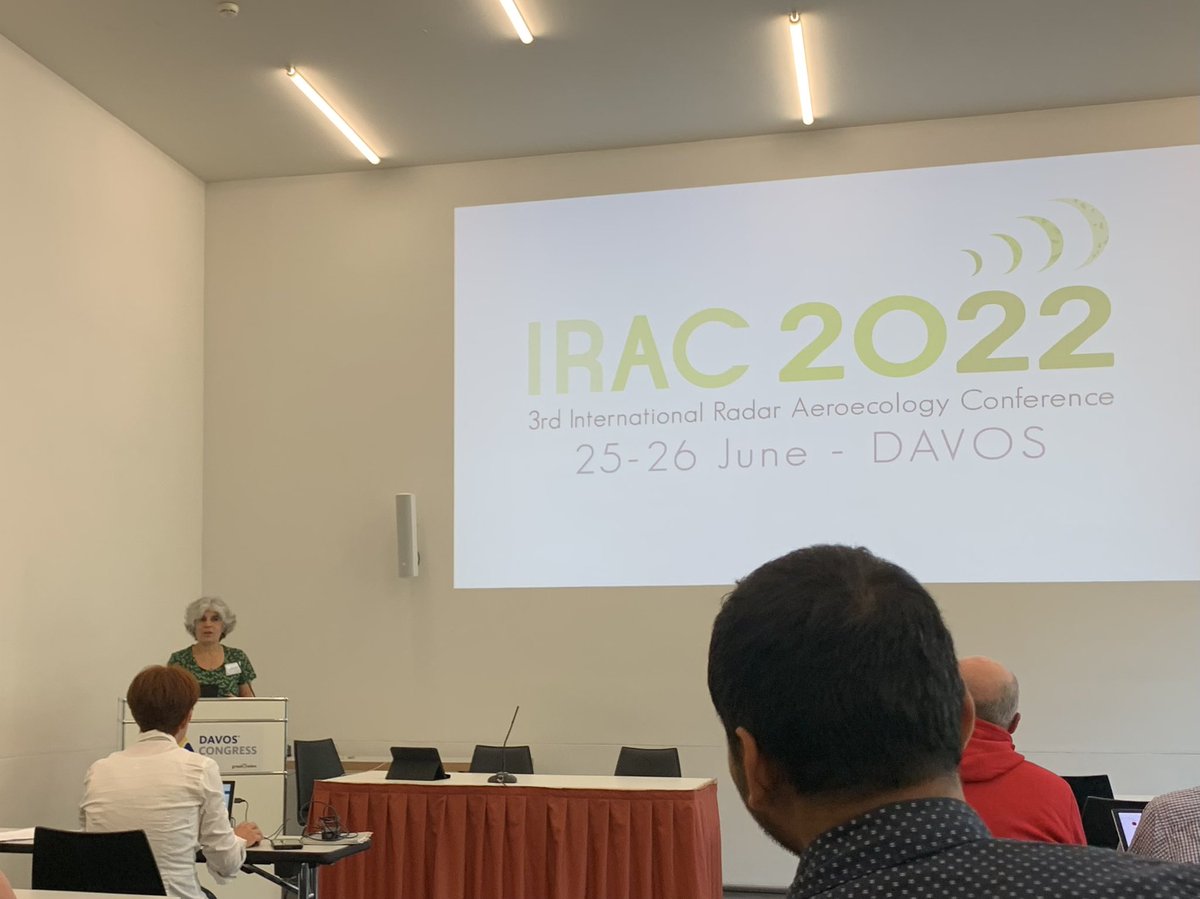
What an amazing day 1 of #irac2022 talks about bats, birds, insects, AI, conservation, phenology, biodiversity, the interdisciplinary field of #radar#aerorcology @globam_net @BiodiversaPlus
A while ago we argued in Science for the importance of weather #radar data policies to take #biodiversity monitoring aspects into account. Now we have detailed what needs to change in a new paper in BAMS @ametsoc#EUMETNET@WMO#ornithology#radarscience
https://t.co/8Z6OkpqOgC
Rlease RT: Switzerland has lifted almost all Covid restrictions! So, join us for IRAC in Davos this June! Abstract submission still open until 1 March.
#ornithology#migration@WorldBioForum
1/6 #BOUsci21#SESH3 Weather radars are used to monitor the nocturnal migration of birds across continents. We use the data to develop predictive models for bird migration to reduce the risk of bird-strikes (bird-aircraft collisions).
Abstract submission is now open for the next radar aeroecology conference! Submit your abstract before feb 10 and join us this summer in Switzerland 📡
https://t.co/wf95G8L0ei
#aeroecology@enram_network#radar#ornithology
This is quite a special paper for me as it combines elements from my MSc in #hydrology, my PhD in #geostat and my passion for finding migrant #birds on the ground!
https://t.co/JahxtZJa40 published in @RSocPublishing in #openaccess
👇Check the thread below👇
1/3 Background
Without the high-quality radar data made available by @NOAA @NEXRADROC, BirdCast wouldn't be possible. Outside the US there is a world to gain, read our urgent call for better biological radar products in journal Science here: https://t.co/RLJ8VnjtIw @wmo @EuropeanMetSoc