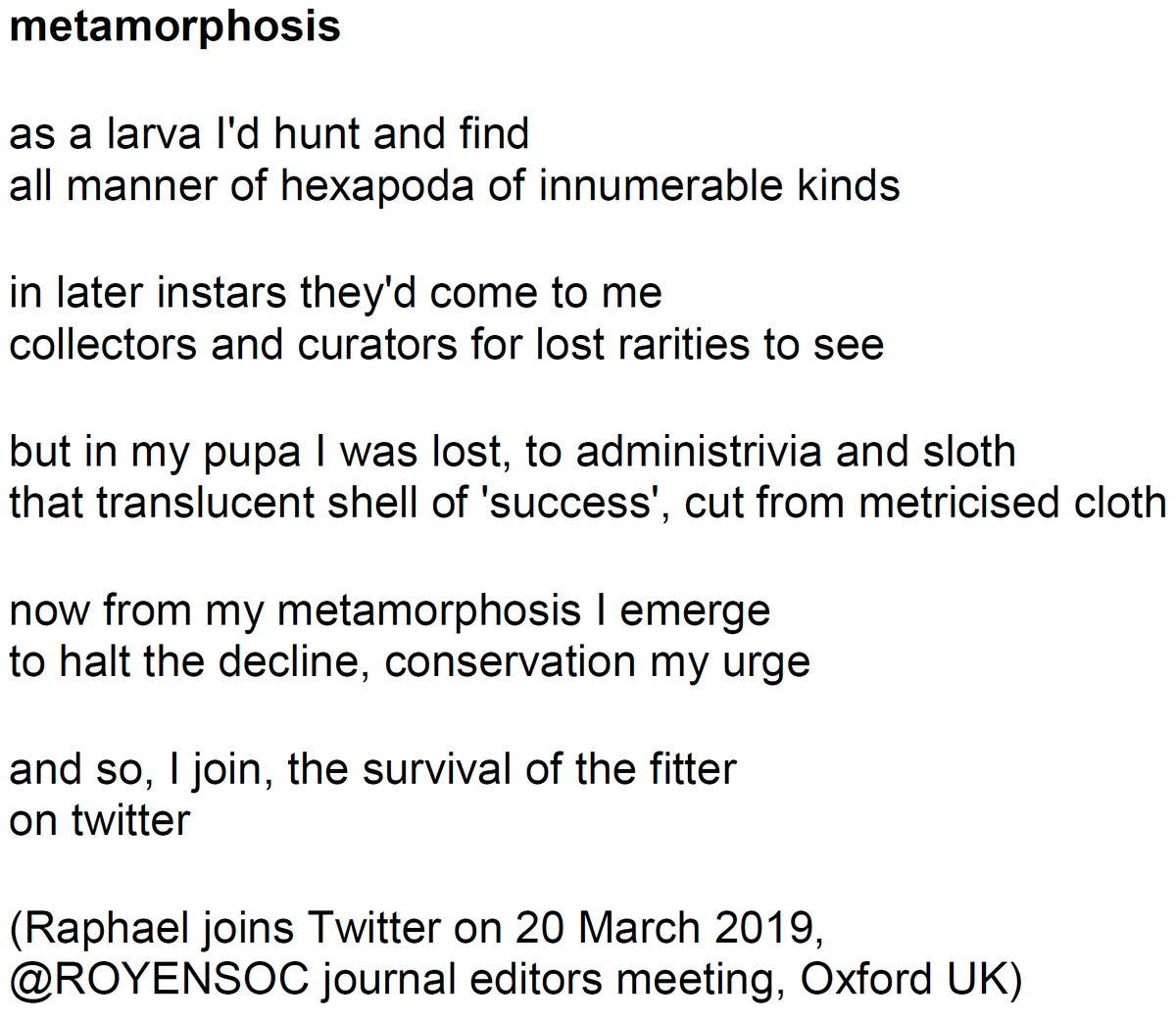
in my pupa I was lost*to administrivia and sloth*translucent shell of 'success'*cut from metricised cloth*now I emerge*to join*survival of the fitter*on twitter
Hi ENTO twitterati, @entoprof@RoyEntSoc and friends...a new #poem intended for my 'bio' on twitter....the 160 character limit be damned! Here's the full version.😀
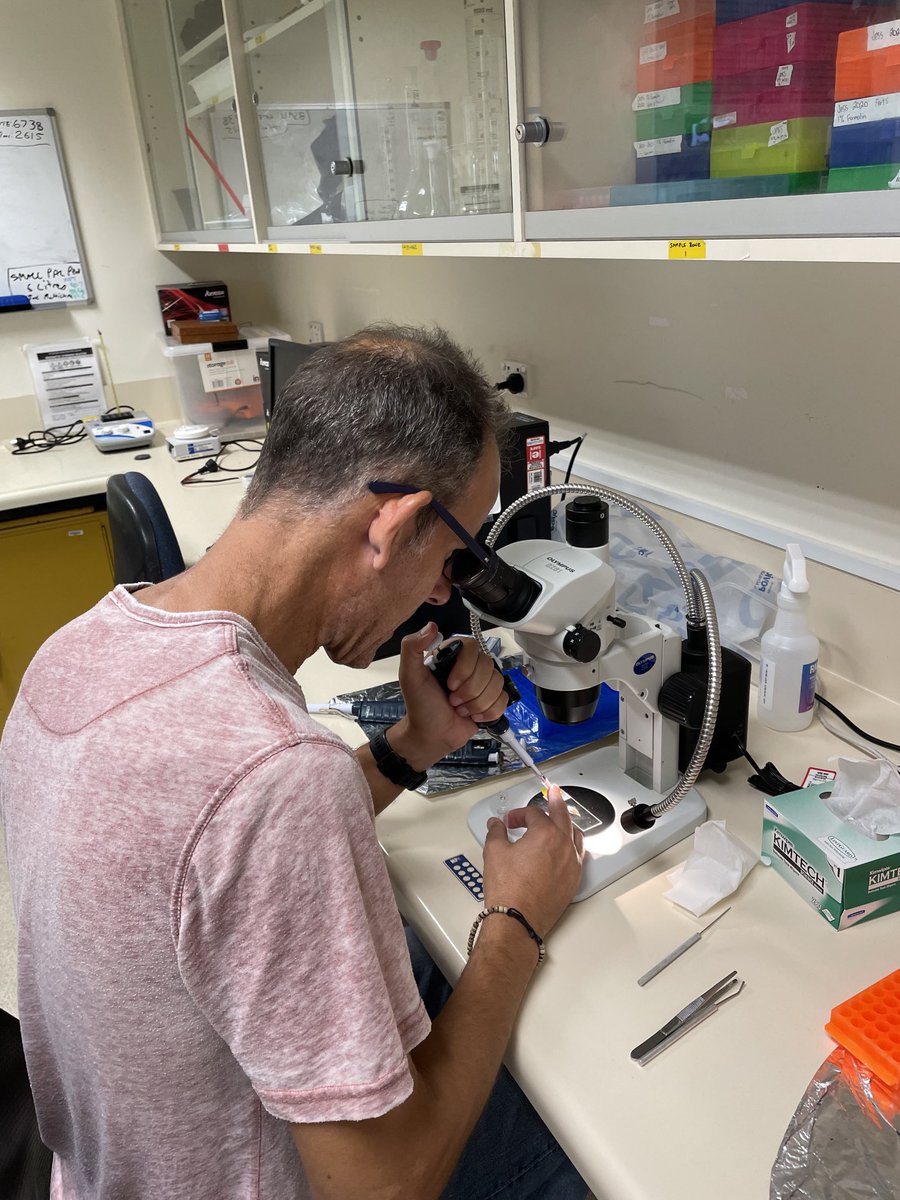
Today I went all the way to Parliament House in Canberra to discuss why we need to better regulate rodenticides. We met with Senator David Pocock. Pictured here in his suite with @MikeLohrinPerth from ECU along with @LettsGetSnakes and @JWhiteWildlife
Many congrats to @LizzieSpeechley for this important paper in Biol Revs using meta-analyses to reveal support for the Social Intelligence Hypothesis as an explanation for cognitive variation! @Ben_Ashton9@YongZhiFoo@BiolSci_UWA https://t.co/Y5JK7FPQSy This paper revealed that:
End of an era: after 27 years working on the critters, this is the final experiment (and replicate) on guppies. Happy to share the moment with @lu_fitz, visiting from UTas. Next stop for the fish is Monash with @BBM_Wong
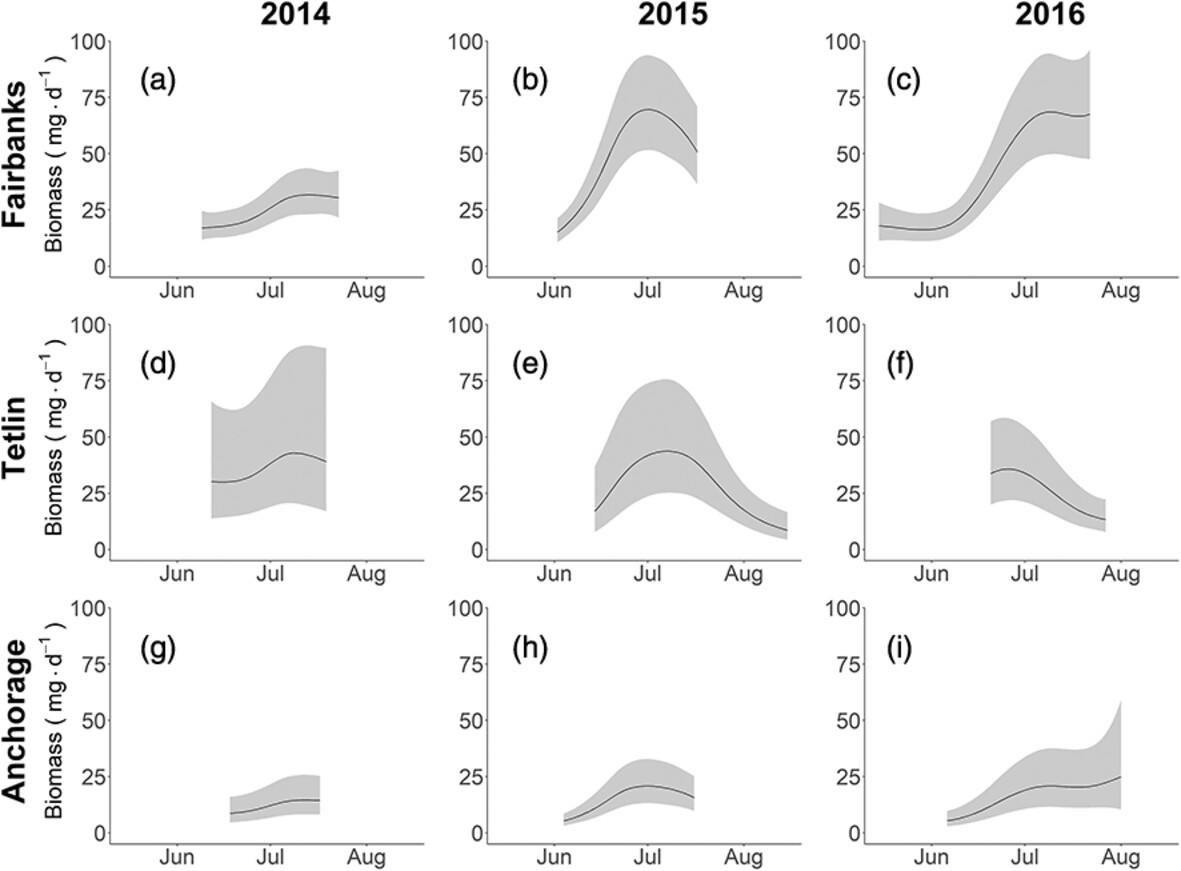
New #OpenAccess work by D. Sikes et al. reports on patterns of aerial #arthropod#biomass and diversity from three regions of #boreal Alaska: https://t.co/mu3u0GuN5n #Biodiversity @WileyEcolEvol
Photo: Canopy insect trap used in the study (credit J. Hagelin)
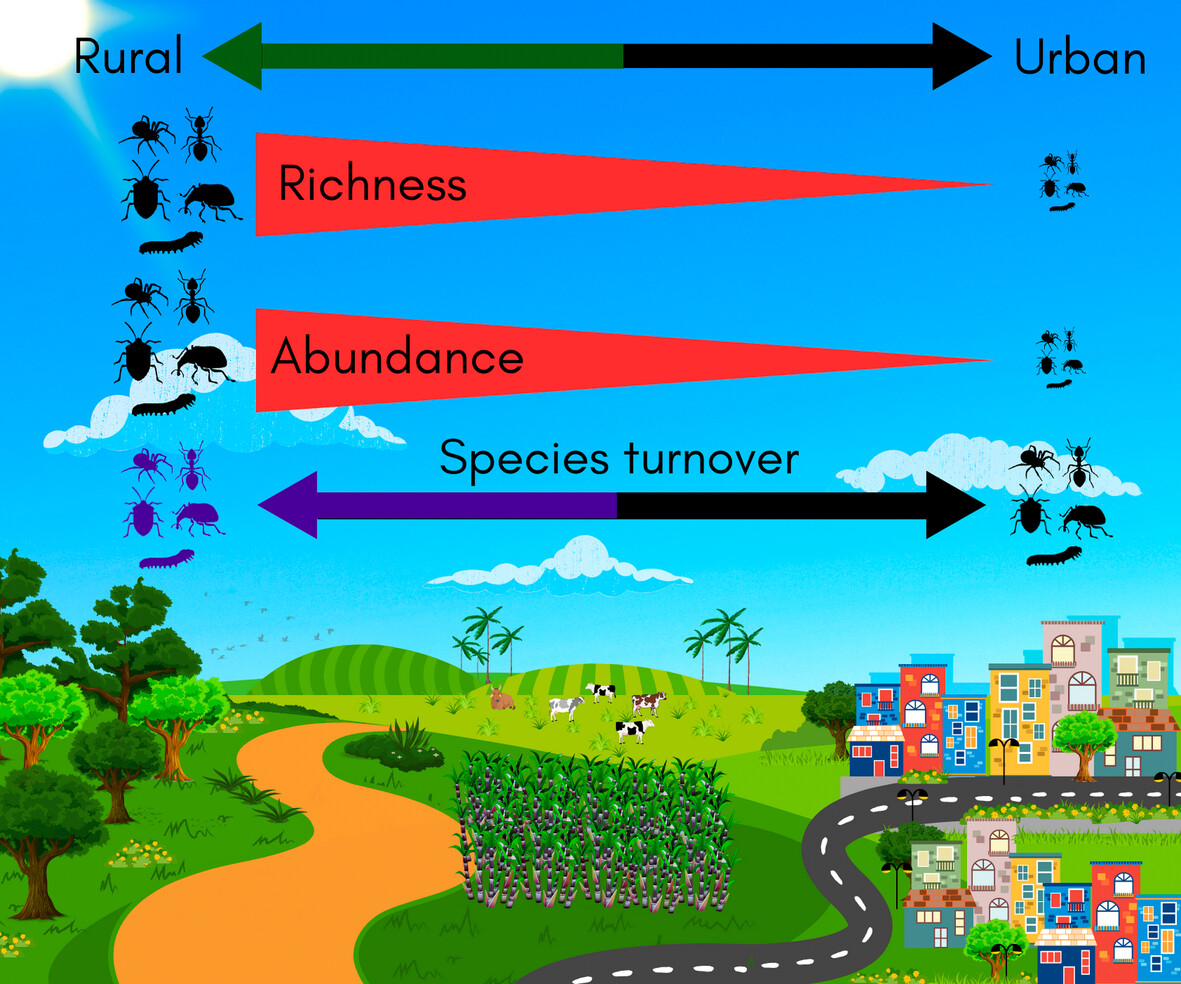
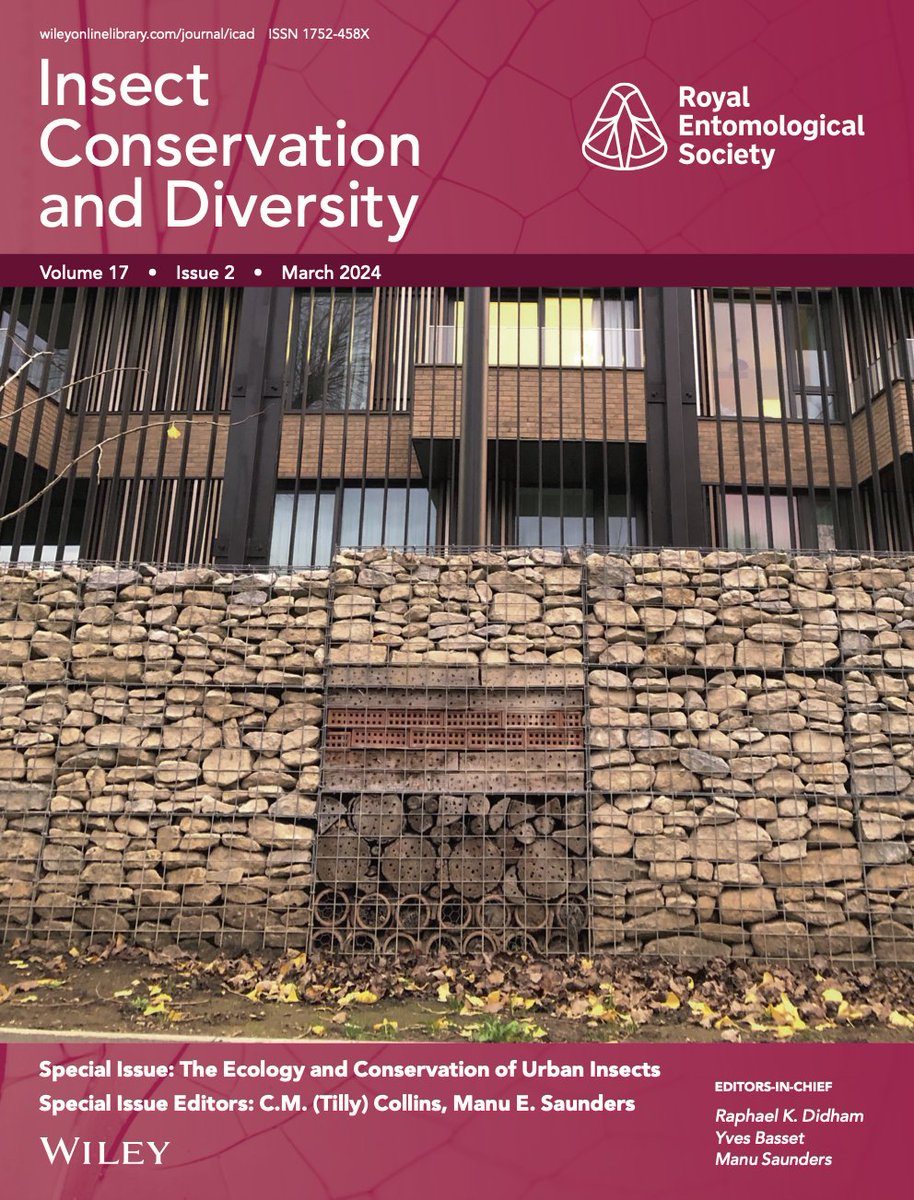
#FreeAccess weekend reading continues with The Ecology and Conservation of #UrbanInsects Special Issue!
Nest aggregations of wild bees & apoid wasps in urban pavements: A street life to promote in urban planning - https://t.co/jJ534hOjfH
Watch this video for an author summary!
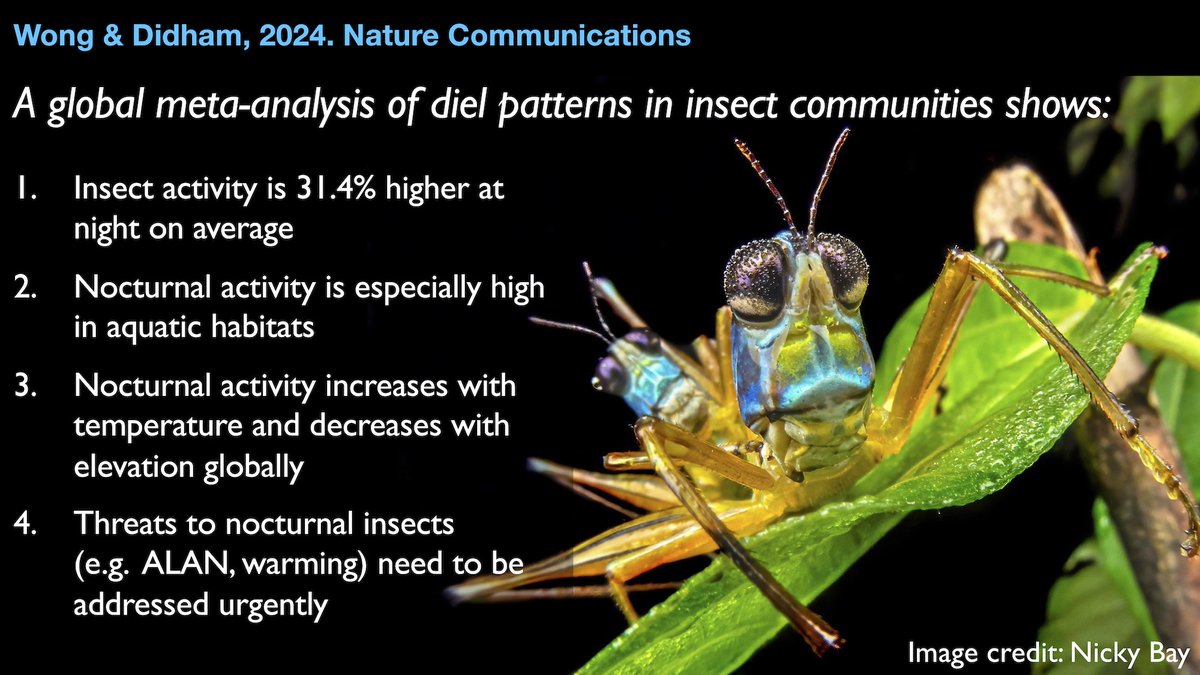
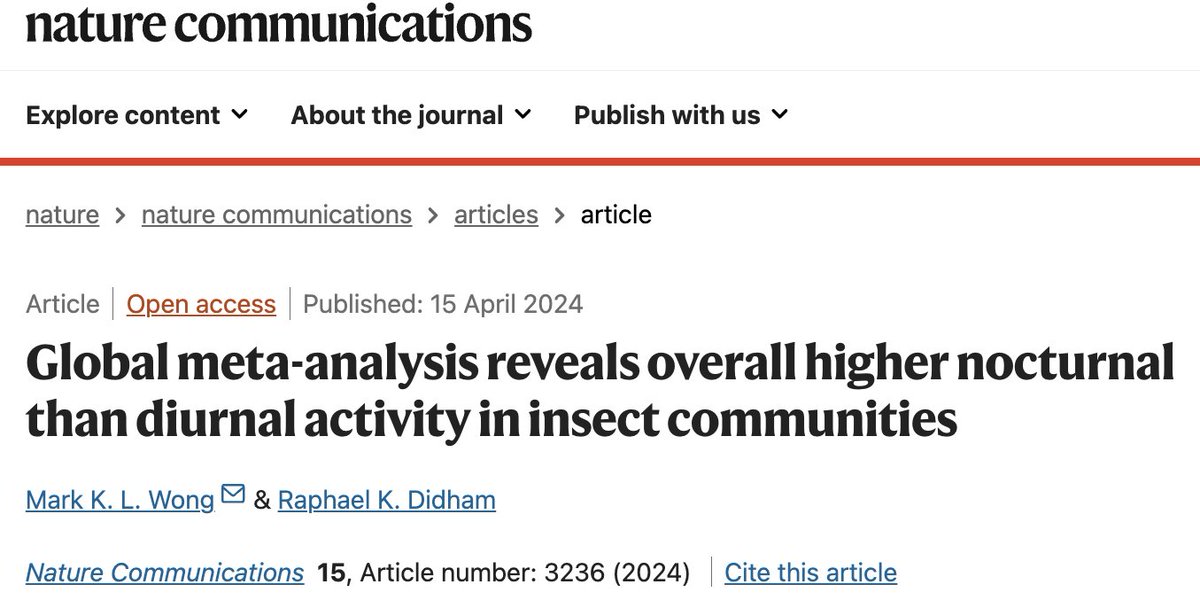
A few takeaways from our recent @NatureComms study on diel patterns in insect communities. Pls share with any folks working on #insect#biodiversity#ecology 🌎🦋🌘🌞🐜
Open Access paper: https://t.co/64yXJg8ej8
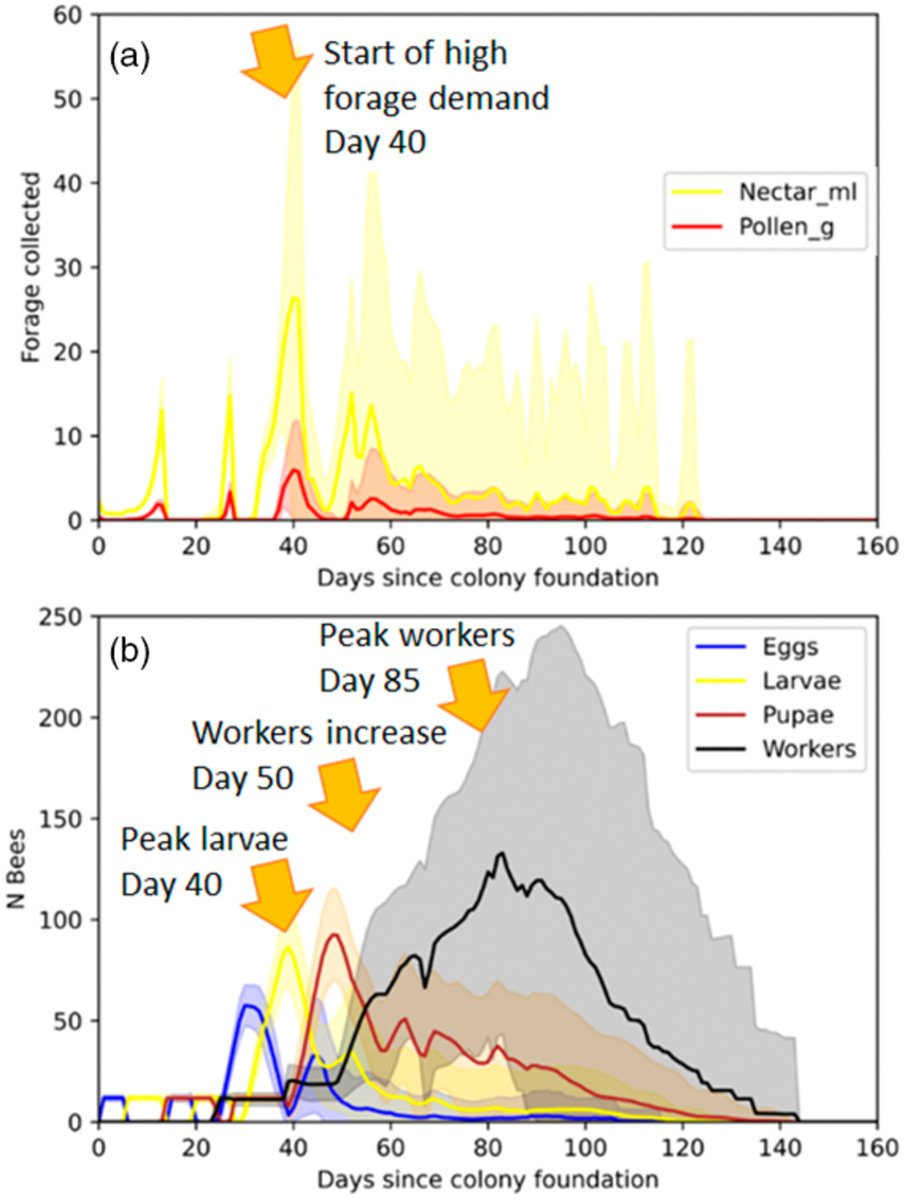
New #OpenAccess research from M.Becher et al. at the @UniofExeter & @UniofOxford finds resource gaps pose the greatest threat for #bumblebees during the colony establishment phase: https://t.co/A1DVUPnyEg
@WileyEcolEvol
Photos: #Bombus terrestris & pascuorum (credit: M. Becher)
Entomologists expect that more insects are active at night than day. Wong & Didham use a meta-analysis of insect community diel patterns to show variable & context-dependent but overall higher nocturnal activity of insects.
@markklwong@entoraph@uwanews
https://t.co/BvAZaOJsBs
Sometimes it seems the night is just buzzing with insects, but are there really more insects out at night?
In a global study, @markklwong + Raphael Didham (@uwanews) analysed all the evidence on insect activity across the day–night cycle to find out. https://t.co/BLyb74ggM0
Finally, thanks to my brilliant co-author @entoRaph and funding from @ForrestResearch which made this passion project possible.
Link to article: https://t.co/64yXJg8ej8
Are there REALLY more insects out at night?🌞🌘🦋
Our global study @NatureComms empirically tackles this "simple question a child may ask, the answer to which is important, unknown, and subject to various ecological hypotheses"–Reviewer 1😆
Open Access:
https://t.co/TWUMEAZY2o
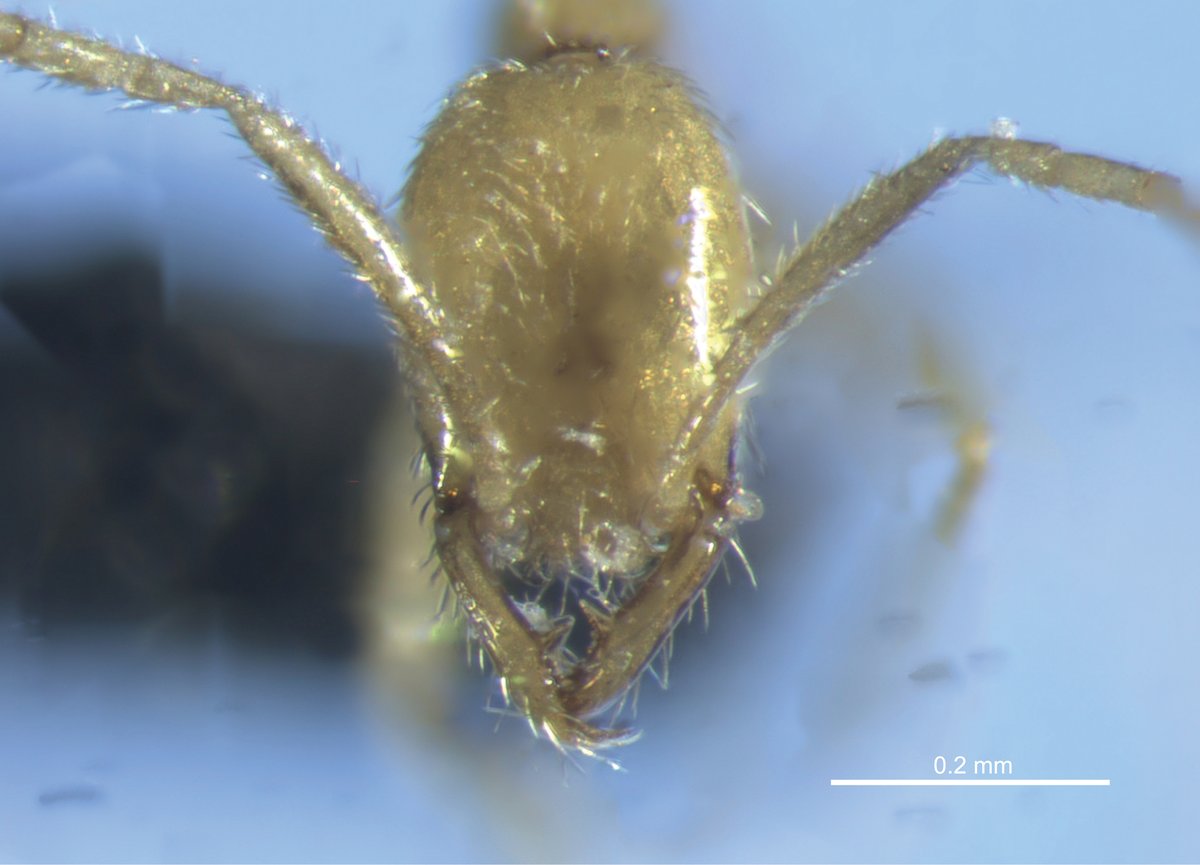
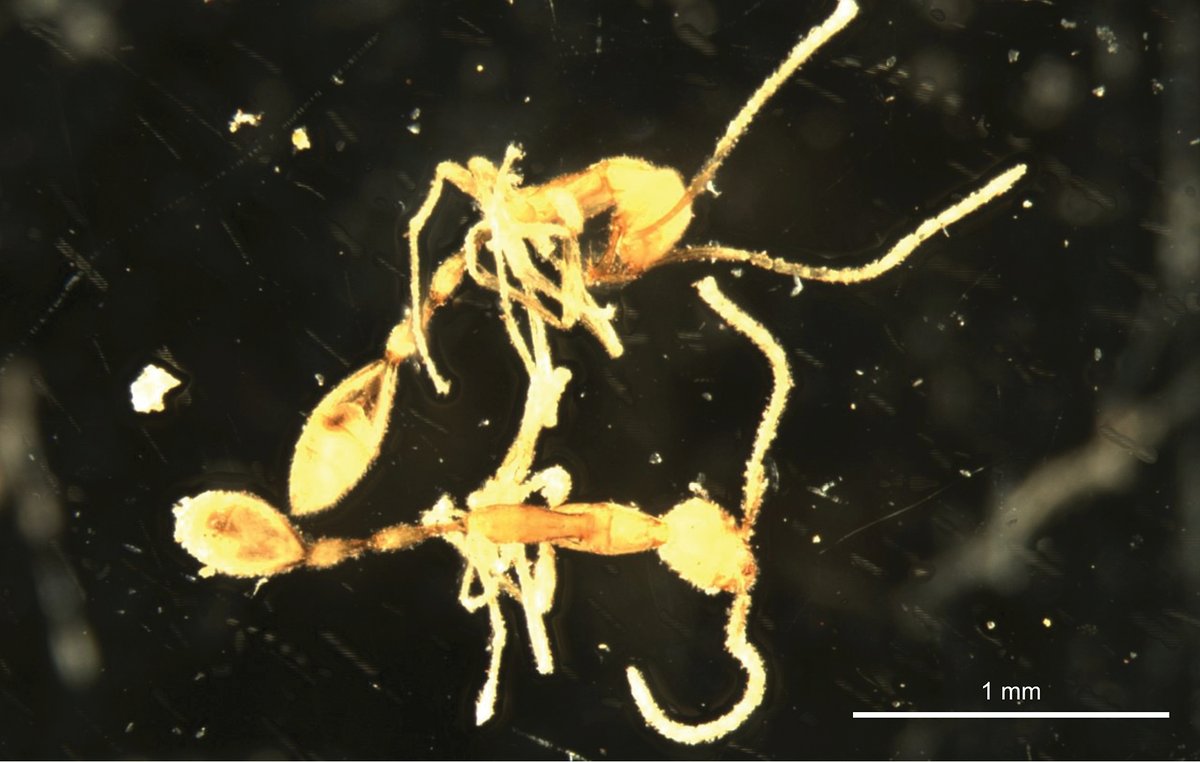
Introducing 𝑳𝒆𝒑𝒕𝒂𝒏𝒊𝒍𝒍𝒂 𝒗𝒐𝒍𝒅𝒆𝒎𝒐𝒓𝒕, a newly discovered ghostly and slender ant species with sharp jaws. Like the Dark Lord, 𝑳. 𝒗𝒐𝒍𝒅𝒆𝒎𝒐𝒓𝒕 ants thrive in the shadows. They live exclusively underground and are fearsome predators. https://t.co/wIkFreoYZY
New work by @SnellRoodLab et al. finds diversity of #BumbleBees & #butterflies in Minnesota roadsides depends on floral diversity & abundance, not native status: https://t.co/pJUy67b45L #OpenAccess@fuzzybumblebee
Photos: B. affinis (credit A.Darst); surveys (credit T.Mitchell)
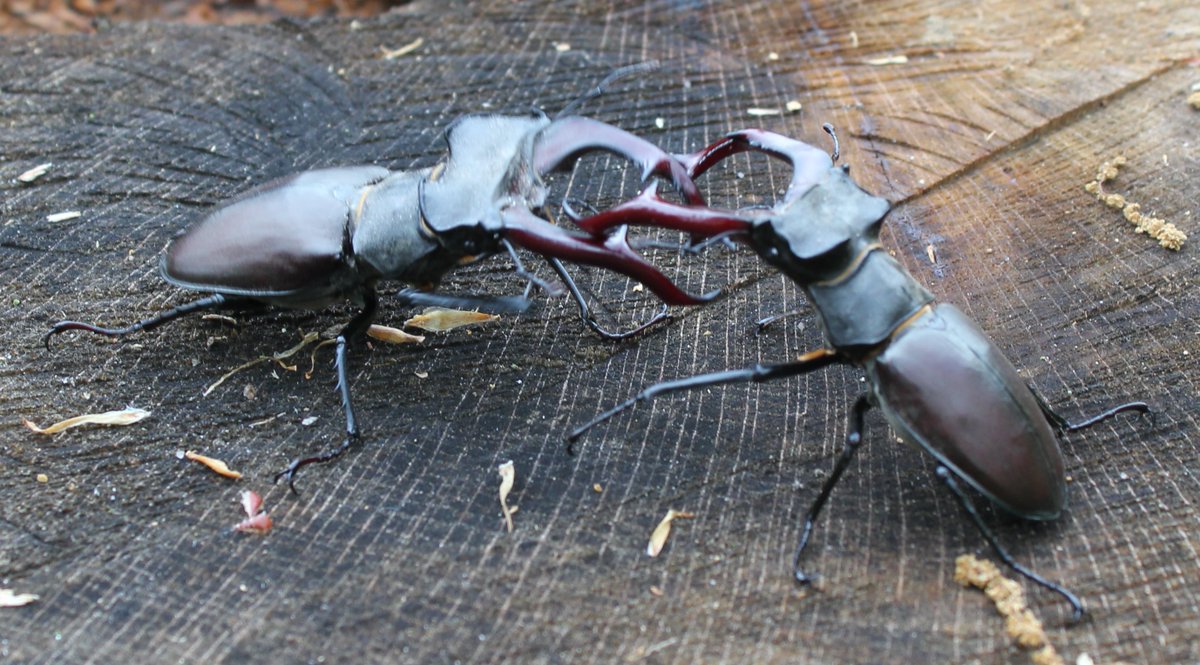
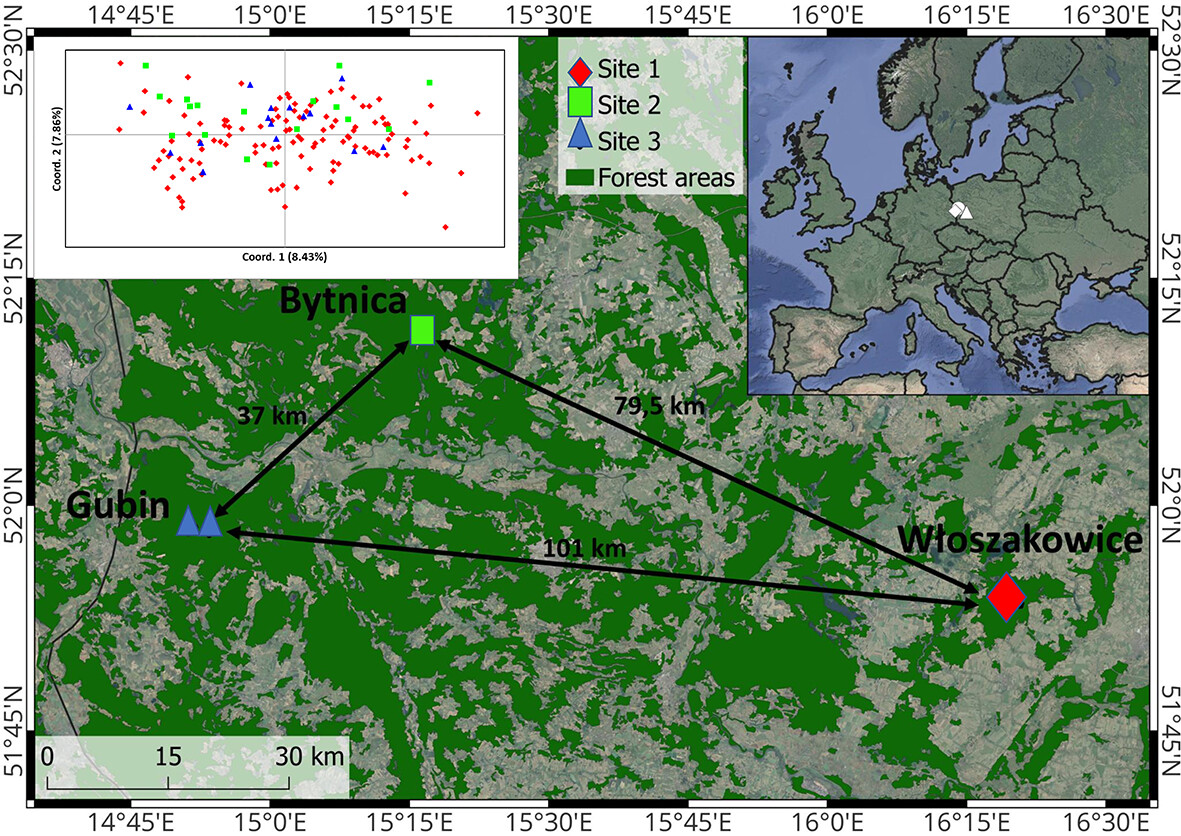
Genetic diversity and population structure of the endangered saproxylic beetle L. cervus in a fragmented landscape: https://t.co/FsKUKmCQUD
#Lucanus#StagBeetles#PopulationGenetics#Fragmentation @WileyEcolEvol
Photo: Lucanus cervus (credit E. Baraniak)