MLHC 2026 is coming to Johns Hopkins in Baltimore, August 12–14. The program spans adaptive interventions, causal inference, biomedical AI, human-centered AI, precision health, and clinical translation. We’ll be highlighting invited speakers, sponsors, and the community
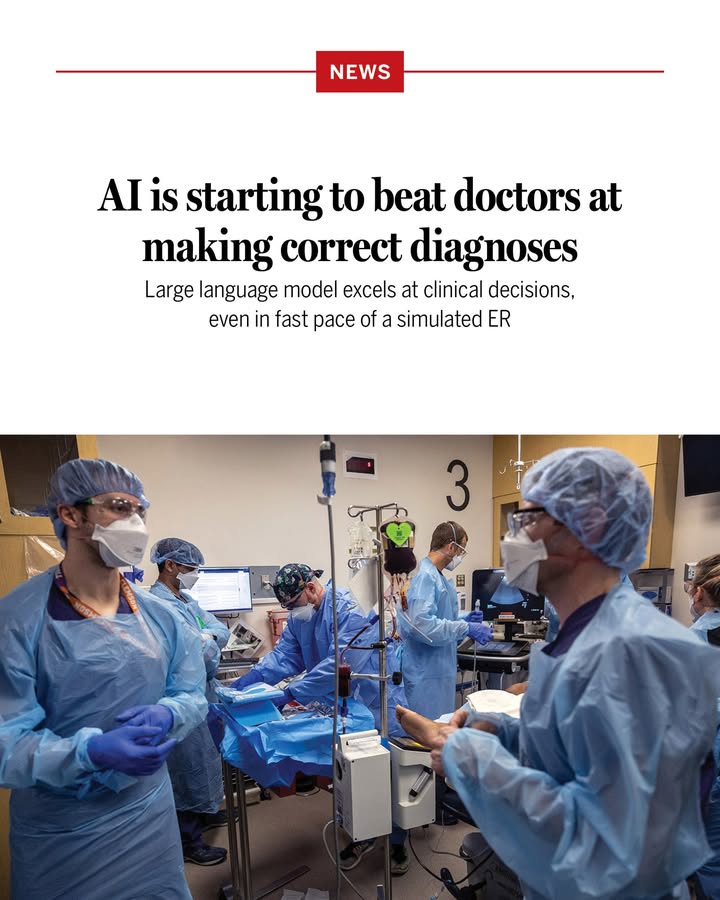
Researchers show that a type of #AI known as a large language model often outperformed physicians at diagnosing complex and potentially life-threatening conditions, including decreased blood flow to the heart, even in the fast-moving stages of real ER care when information is limited.
In early ER cases, the model identified the correct or a very close diagnosis in about 67% of cases, compared with roughly 50% to 55% for physicians. And the technology is only getting better.
Learn more: https://t.co/BwKX8r8BQq
A photo that can never be taken again. The Space Shuttle riding atop NASA's modified 747 Shuttle Carrier Aircraft, while the Concorde slices across the sky in the background. (1983)
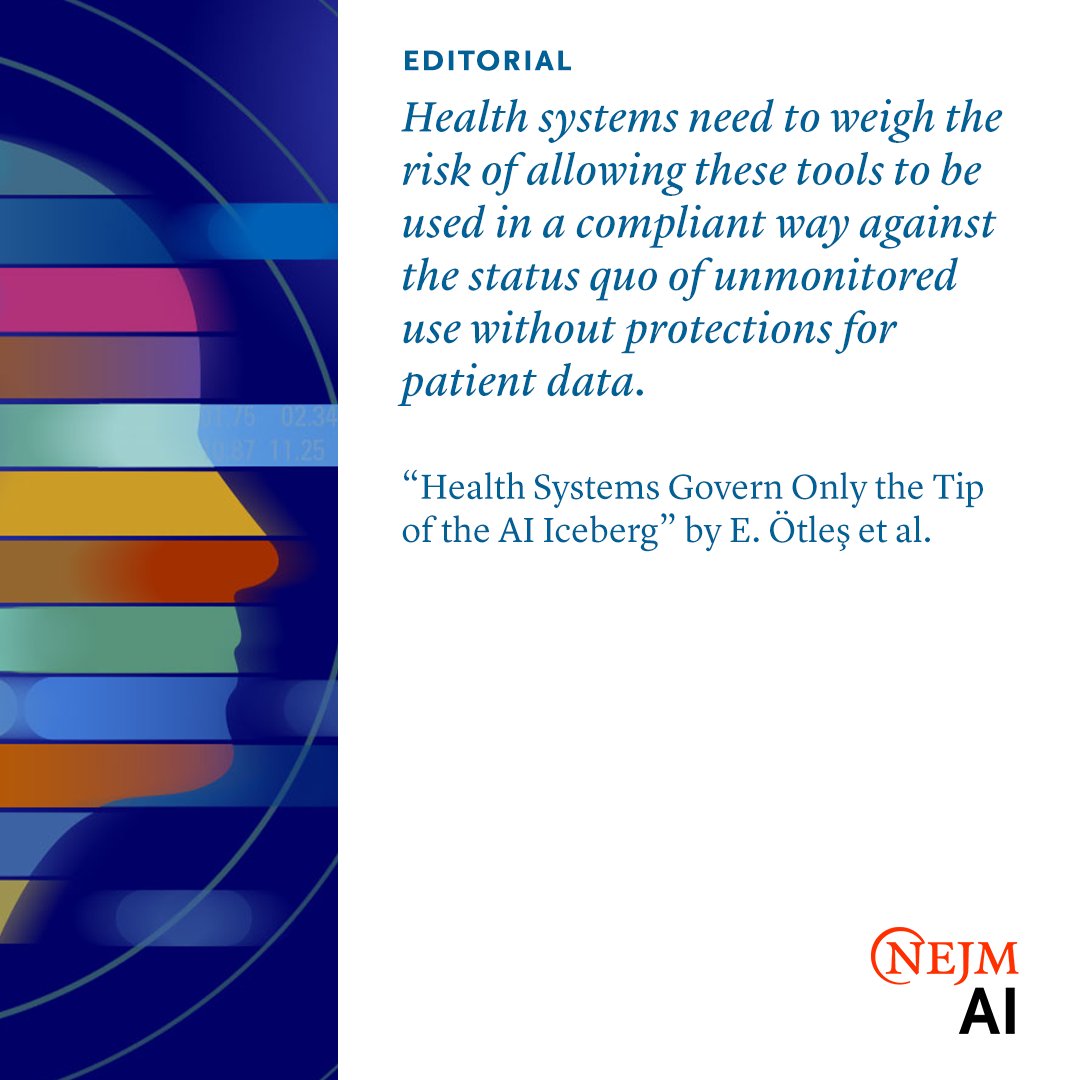
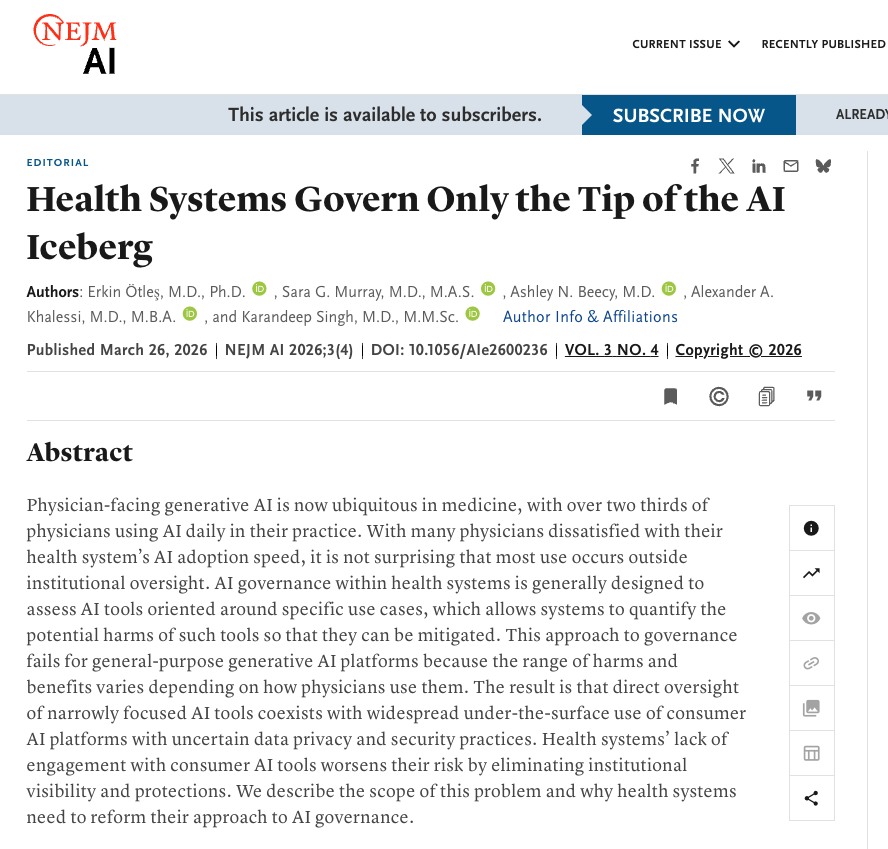
Health systems’ lack of engagement with consumer AI tools worsens their risk by eliminating institutional visibility and protections. Ötleş et al. describe the scope of this problem and why health systems need to reform their approach to AI governance. https://t.co/cWBsIgwjmO
We see our home planet as a whole, lit up in spectacular blues and browns. A green aurora even lights up the atmosphere. That's us, together, watching as our astronauts make their journey to the Moon.
Everyone’s debating who made the “first LLM” but no one has brought up that it was actually Andrey Markov in the early 1900s, who made a Markov chain from Pushkin’s poems
Volume 3, No. 4 of NEJM AI is now available! Here is a preview of the latest content:
𝗘𝗱𝗶𝘁𝗼𝗿𝗶𝗮𝗹
Health Systems Govern Only the Tip of the AI Iceberg https://t.co/cWBsIgwjmO
I review the statistics in ~200 manuscripts a year for some of the top urology journals in the world.
Here's what I actually do — and the mistakes I see in almost every paper. 🧵
hot take: banning generative AI in health systems doesn't reduce risk. it just makes the risk invisible.
67% of physicians already use AI daily. most of it is ungoverned & unmonitored inducing significant risk.
Excited to announce an important milestone for PhD candidate @SarahJabbour_!
Tomorrow Sarah will present a 🎓dissertation defense🎓 on "Towards #AI-Augmented Clinical Decision Making!"
🗓️MARCH 25 @ 2:00 pm ET
https://t.co/6DCCeeX2vU
friendly reminder, there’s now less than 1 month until the MLHC 2026 full submission deadline on April 17.
time to tighten the draft, rerun the code, and hit submit.
#MLHC#AIinMedicine#MachineLearning
🚨BREAKING AI NEWS 🚨
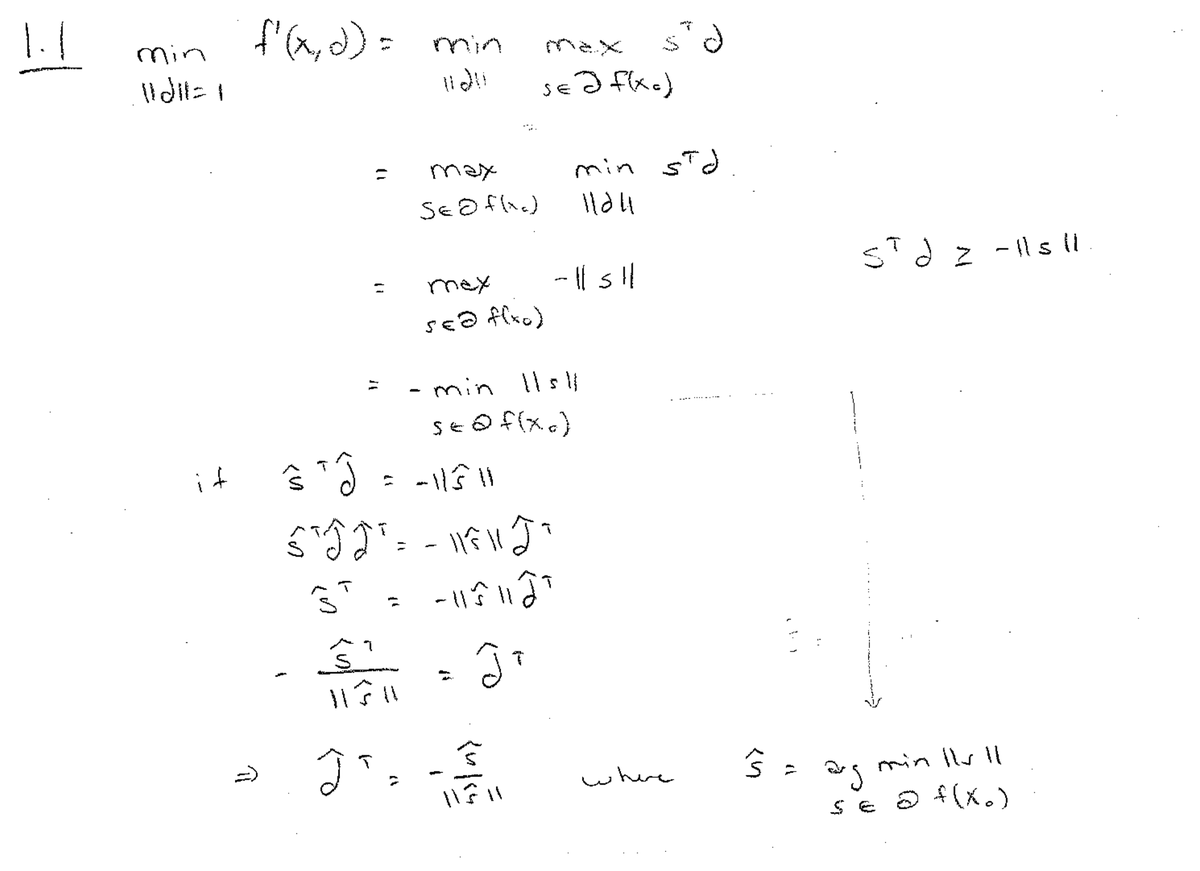
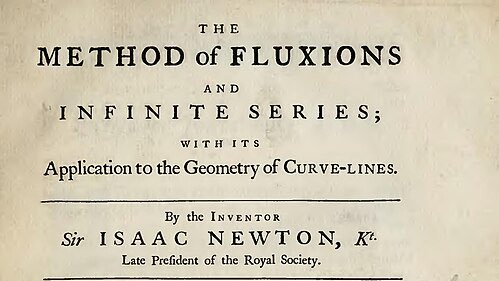
A Cambridge study just dropped that PROVES you can exactly calculate the slopes of functions at an arbitrary point. This UNLOCKS gradient optimization that experts say is vital for AGI.
Download our app for a daily AI digest delivered to your inbox