Pinch me please! 👉🏼 1st project in Parkinson’s disease for both me & @DuqueLab just got published in @MDJ_Journal! 🤩 Grateful to my co-authors & all participants 🫶🏼 Honestly, what a crazy PhD journey 🎢🤯🙊
https://t.co/FCU9G2q3eN
#parkinson#TMS#motorcontrol#bradykinesia
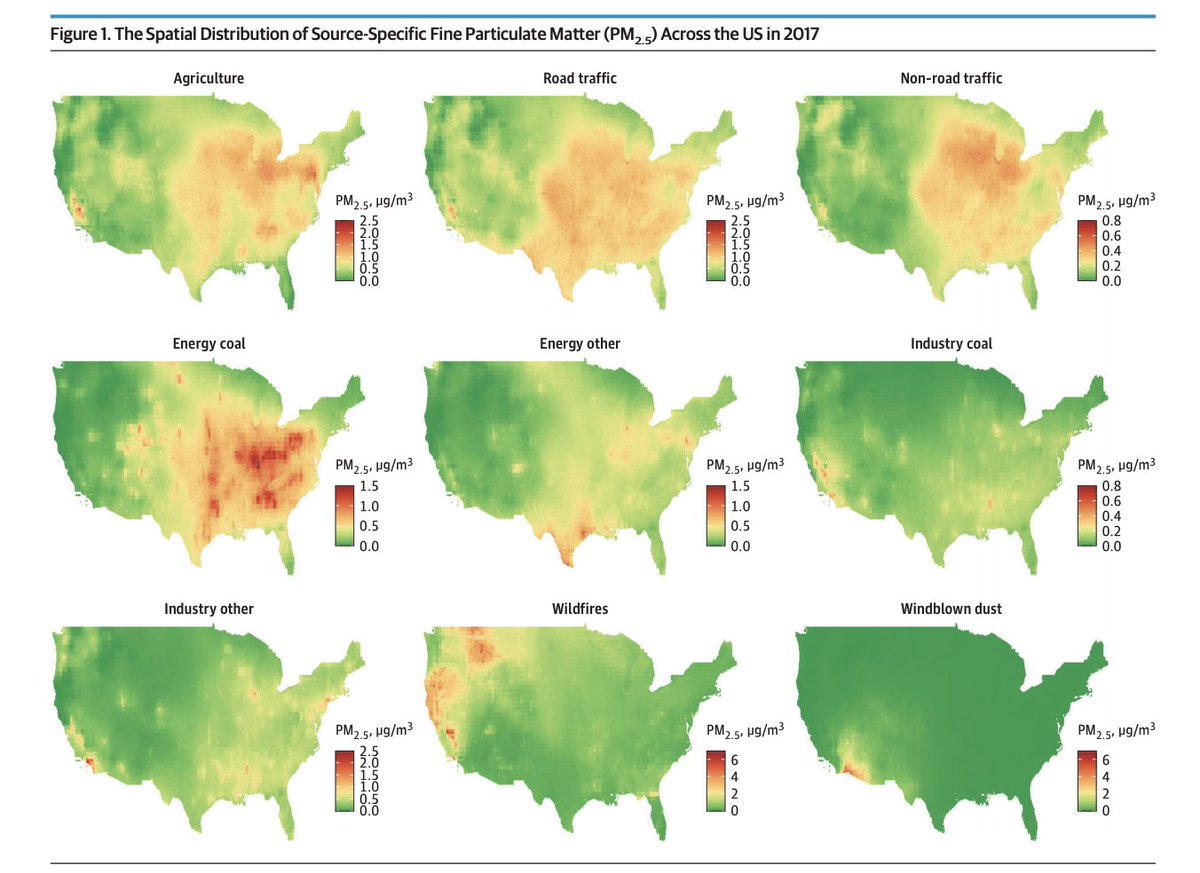
Airborne particulate matter pollution associated w/ dementia, new @JAMAInternalMed study and guess what the author suggest there may be interventions to reduce pollutants may decrease your lifetime risk. However, folks we need to stop putzing around and start now to save ours and the next generation! @endingpdbook https://t.co/Glaz9xiihC
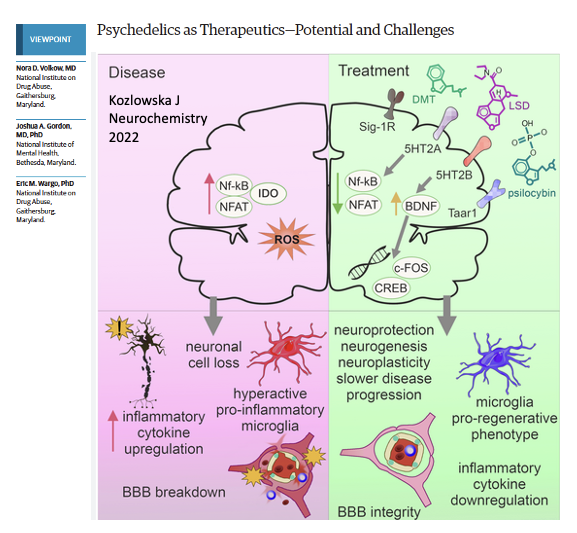
Everyone is excited about the potential for psychedelic treatment of Parkinson's and neurodegenerative diseases. Read this new piece @JAMAPsych which outlines the challenges including the need for the treatment to be available to 'all.'
'Classic psychedelics like psilocybin, lysergic acid diethylamide (LSD), and dimethyltryptamine (DMT) (ayahuasca’s psychoactive ingredient) interact with the serotonin signaling system principally as agonists to the serotonin 5-HT2A receptor Current psychedelics research carries the baggage of past ethical transgressions, including egregious experimentation with LSD on unwitting study “participants” including individuals with disabilities and those who were incarcerated in the 1950s. It places a unique burden on researchers to be transparent in their aims and methods and to establish a firm grounding of trust with study participants. Because of that dark history, people from racial and ethnic minoritized groups may be particularly hesitant to participate in research. Yet inclusion of diverse study populations is necessary to ensure that findings are applicable across individuals with varying demographic characteristics. Also, since patients are particularly vulnerable during a psychedelic experience due to altered perceptions, an increased posture of openness, and potential for the clinician to be imbued by the patient with medical and spiritual authority, the clinical staff’s role needs to be structured in ways that prevent possible abuses.'
https://t.co/LFRTHdpuad
Feel free to check out our latest preprint on the study of corticospinal dynamics underlying action preparation in PD patients treated with bilateral STN-DBS! 🤓 As always, very interested in possible comments and questions! 🧐🤗 @DuqueLab@GDerosiere@insilicobiology 🙏🙏
Subthalamic deep brain stimulation alleviates motor symptoms without restoring deficits in corticospinal suppression during movement preparation in Parkinson disease https://t.co/29iCbo5NpJ #medRxiv
Excited to see my entire newsfeed celebrating this. I think this could turn out to become the historical „NeuroImage event“ that changed publishing in the Neuro community. @ElsevierConnect @WileyNeuro @SpringerNature take note!
PD folks your voices matter. EPA pledges action on TCE! "The collective evidence association between TCE exposure+#Parkinsons accumulating. Many research groups examining the association and we anticipate more information will be available soon." https://t.co/N4GgS82ZsB
"I feel passionately about spreading the word to the general public that Parkinson’s isn’t a disease that just affects older people."
Tizzy is 27 and was diagnosed with Parkinson’s at the age of 25 and had originally investigated symptoms when she was 21.
This is her story 👇🏽
Moving, fast and slow: Excellent review by Damian Herz and Peter Brown on #Parkinson bradykinesia from the perspective of behavioral modelling and control and utility theory. Is Parkinson's disease bradykinesia the result of changed effort cost computations?
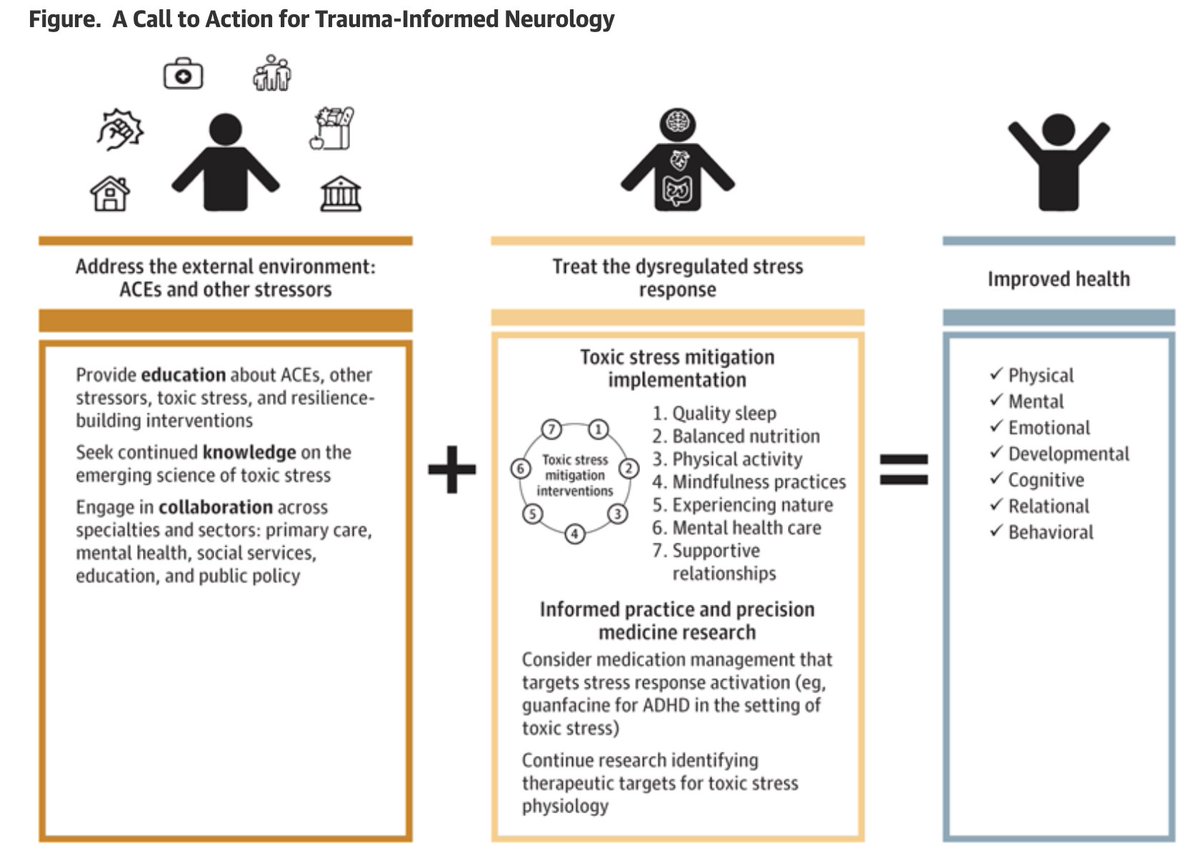
"If data on childhood trauma and Parkinson's can be replicated, we must ask why?"
"Reminder: how important obtaining a complete life history can be when strategizing on a plan. Life experiences matter and can impact symptoms." https://t.co/E5zXw6OlHw https://t.co/FreP5rNOVV
12 scientific abstracts will be selected for “Hot Topics” @WorldPDCongress to present your work in front of up to 1,000 people, including many of the leaders in the field.Deadline 13.1.23 https://t.co/9WQwAdgfl4 @basbloem@MichaelOkun@DrISubramanian
Barber et al. show that patients with REM sleep behaviour disorder with established dopaminergic deficits have blunted pupillary responses to reward. Pupillary reward sensitivity may therefore be a marker of prodromal dopaminergic decline. https://t.co/pELE2S03V3
Very grateful to the team of @UCLouvain_be for helping us make our research findings more accessible to non-specialists with these types of articles! 🧠 🙏🏼🤓🫶🏼@GDerosiere@DuqueLab@insilicobiology 👩🏼���⚕️👨🏼🔬🧑🏽⚕️