Conservation genomics offers new hope for the Pecos pupfish (๐ถ๐ฆ๐๐๐๐๐๐๐๐ ๐๐๐๐๐ ๐๐๐ ๐๐ ), a vulnerable species uniquely adapted to the harsh, salty springs and gypsum sinkholes of the Chihuahuan Desert in Texas and New Mexico, USA. Facing habitat loss, water scarcity, and hybridisation with invasive sheepshead minnows (Cyprinodon variegatus) via live bait release, this species has seen its range shrink dramatically.
๐ https://t.co/ZQodDCppKG
Here, researchers use DNA sequencing to map the genetic diversity, population structure, and admixture of these pupfish across wild and refuge populations. The work reveals how isolated habitats have created distinct genetic groups with limited gene flow, with some populations showing signs of reduced diversity - warning signs of inbreeding and vulnerability to further decline. By documenting ongoing hybridisation threats and assessing effective population sizes, the researchers provide critical data for managers. These findings will help prioritise habitat protection, guide captive breeding programs, and support โgenetic rescueโ efforts to keep this desert icon swimming into the future.
๐ฅ๐ฒ๐๐ฒ๐ฎ๐ฟ๐ฐ๐ต ๐ง๐ถ๐๐น๐ฒ
Conservation genomics of Pecos pupfish (๐ถ๐ฆ๐๐๐๐๐๐๐๐ ๐๐๐๐๐ ๐๐๐ ๐๐ )
๐๐ถ๐๐ฎ๐๐ถ๐ผ๐ป
Dolan, E. P., Fields, A. T., Bean, M. G., Doege, R. L., Hatt, J. L., Conway, K. W., & Portnoy, D. S. (2026). Conservation genomics of Pecos pupfish (๐ถ๐ฆ๐๐๐๐๐๐๐๐ ๐๐๐๐๐ ๐๐๐ ๐๐ ). Journal of Fish Biology, 1โ15. https://t.co/Q0Dw5cYVJO
๐๐ฏ๐๐๐ฟ๐ฎ๐ฐ๐
The Pecos pupfish, ๐ถ๐ฆ๐๐๐๐๐๐๐๐ ๐๐๐๐๐ ๐๐๐ ๐๐ , is an imperilled freshwater fish found in arid regions of Texas and New Mexico (USA). The species faces multiple challenges to persistence including reductions in suitable habitat, water shortages, as well as hybridization and competition with an introduced congener (sheepshead minnow, ๐ถ. ๐ฃ๐๐๐๐๐๐๐ก๐ข๐ ).
As part of the current management strategy, refuge populations, seeded with non-introgressed individuals collected from Texas, are maintained at the Fort Worth Zoo and on private property in West Texas. Therefore, assessments of standing genetic variation within and among wild and refuge populations and levels of admixture in the wild are critical for future conservation and management planning. Fin clips were acquired in 10 locations in the wild, five in Texas, five in New Mexico and from two refuge populations in Texas (one maintained by Fort Worth Zoo and another on a private property in West Texas).
In Texas, non-introgressed ๐ถ. ๐๐๐๐๐ ๐๐๐ ๐๐ were found in the wild at only one location Upper Salt Creek (USC); all other locations were composed of admixed individuals or non-introgressed ๐ถ. ๐ฃ๐๐๐๐๐๐๐ก๐ข๐ . No admixed individuals were found in New Mexico. Significant genetic heterogeneity was detected between all locations of non-introgressed ๐ถ. ๐๐๐๐๐ ๐๐๐ ๐๐ , including the refuge populations, and estimates of divergence between Texas locations (USC and refuge populations) and New Mexico locations were relatively large (FST: 0.23โ0.32). Estimates of contemporary effective population size for USC and the two refuge populations were less than 50, but greater than 500 for all New Mexico populations.
In summation, while New Mexico populations look secure, the data suggest that ๐ถ. ๐๐๐๐๐ ๐๐๐ ๐๐ in Texas is currently imperilled by the threat of hybridization, as well as potential loss of genetic diversity on contemporary time scales. Deep divergence between Texas (including refuge populations) and New Mexico suggests that further study would be needed prior to any management plans that would involve assisted gene flow between the regions.
๐ฃ๐ต๐ผ๐๐ผ ๐๐ฟ๐ฒ๐ฑ๐ถ๐
Photographs of select individuals of ๐ถ๐ฆ๐๐๐๐๐๐๐๐ ๐๐๐๐๐ ๐๐๐ ๐๐ (aโf, males on left, females on right), a potential hybrid between ๐ถ. ๐๐๐๐๐ ๐๐๐ ๐๐ x ๐ถ. ๐ฃ๐๐๐๐๐๐๐ก๐ข๐ (g), and ๐ถ. ๐ฃ๐๐๐๐๐๐๐ก๐ข๐ (hโi, male on left, female on right). (a, b) TCWC 20594.01, private ranch, Reeves Co., TX; C, D, TCWC 20596.01, Salt Creek at private ranch, Reeves Co., TX (USC); (e) F, Bitter Lake, Chaves Co., NM (AMN), not preserved; (g) TCWC 20597.01, female, Salt Creek, Reeves Co., TX (LSC); (h, i) TCWC uncat., Balmorhea Lake, Reeves Co., TX.
ยฉ 2026 the Author(s). Published in the Journal of Fish Biology. This paper is released under a Creative Commons Attribution 4.0 International (CC-BY-4.0) licence.
#Cyprinodon #Pupfish #Ichthyology #PecosPupfish #Biodiversity #Conservation #Hybrids #Hybridization #Freshwater #FreshwaterConservation #ChihuahuanDesert #Texas #NewMexico #USA #SaltSprings #GypsumSinkholes #IUCNRedList #VulnerableSpecies #SheepsheadMinnow #SheepsheadPuphead #LiveBait #InvasiveSpecies #Anglers #Fishing
I'm trying to win a DS-11 FX+ Spectrophotometer / Fluorometer from @denovix, recipient of the SelectScience Diamond Seal of Quality! https://t.co/Xiw1BwCKNn #DeNovix#DiamondDS11
An interesting study on the best practices for the husbandry and breeding of Sulawesi ricefishes within lab settings, that hobbyists may find useful - Recommendation of scientific fish husbandry: Sulawesi ricefishes (Adrianichthyidae)
๐ (direct PDF) - https://t.co/xhvWisOaab
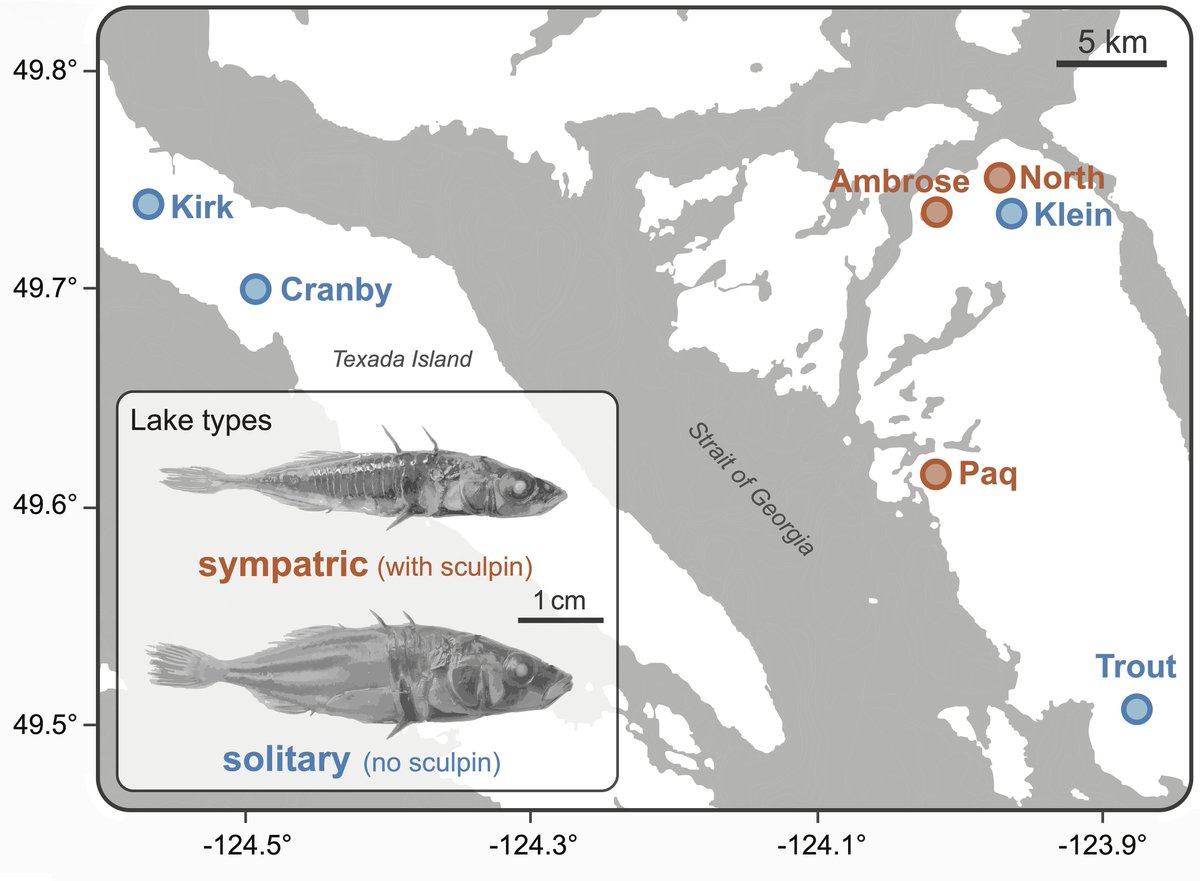
How do new species form in isolation? A large-scale pond experiment with stickleback fish shows that competition with sculpin drives adaptive divergence and reproductive isolation, revealing how ecological forces can spark speciation in allopatry. In PNAS: https://t.co/ihCesFEn34
The NSF GRFP solicitation has been posted. Only first year graduate students are allowed to apply (and undergrads). What about all the second-year students who have been working hard on their applications for months!? And to give absolutely no notice or explanation is absurd!
Who knew such cuteness was lurking in the eastern Pacific abyssal zone? This is the bumpy snailfish, Careproctus colliculi n. sp. described by Gerringer et al. in Ichs & Herps., sequences now in GenBank. https://t.co/HWeqaQwYMc
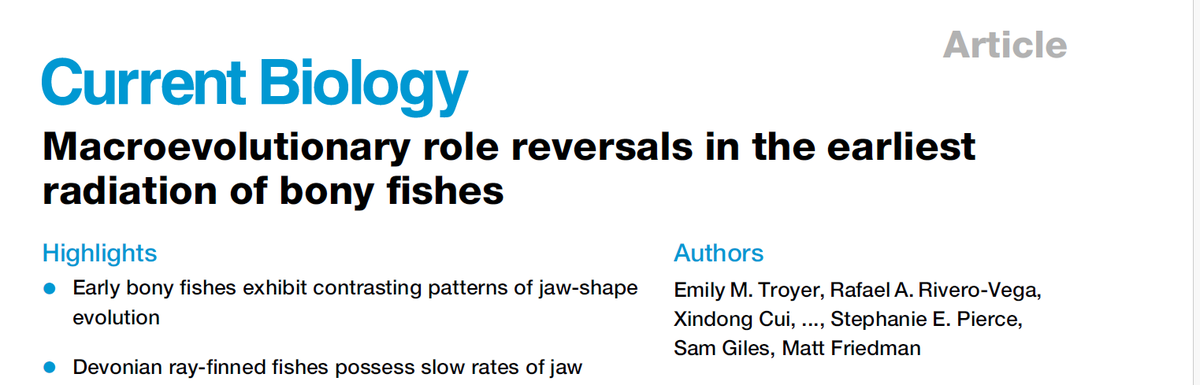
Excited to announce that the 1st paper from my postdoc is now out in @CurrentBiology Using a large dataset of 3D preserved fossils, we explore the diversification of jaws in early bony fishes. 1/15
https://t.co/qUteZPnrRr
"Macroevolutionary role reversals in the earliest radiation of bony fishes", led by @Fish_Fetisher Emily Troyer & Rafael Rivero-Vega (Current Biology) examines 86 species of early bony fish lower jaw shape variation, rates of evo & Mech Adv through time. https://t.co/Lfdf96xqDg
fish and, yet, Hyneria existed at the same time and even preyed upon its more derived cousin. Overlap between more basal and more derived forms is nothing new.
โEvolution canโt be real because chimps and humans exist at the same time!โ
Regardless of the fact that no one claimed chimps are humans ancestors, allow me to introduce you to Hynerpeton, an early tetrapod, and Hyneria, a lobe finned fish. Tetrapods evolved from lobe finned-
#NewSpeciesAlert - ๐ธ๐๐๐๐๐๐๐ ๐ฆ๐๐ก๐๐ก๐๐๐ข and ๐๐๐๐ก๐๐๐๐๐๐ ๐๐ฆ๐๐๐๐, two new species of killifish are described from Ethiopia and coastal Kenya, respectively. #Pantanodontidae
๐ https://t.co/6UtXRogxUs
๐ https://t.co/ofWekPMxKG
It's #NastyGoby time! The Peppermint Goby (Coryphopterus lipernes) is found in the entire Caribbean Sea and was common in Curacao. However, this species is probably declining everywhere because its preferred habitat is the surface of live corals. #ClimateChange#CoralReefs