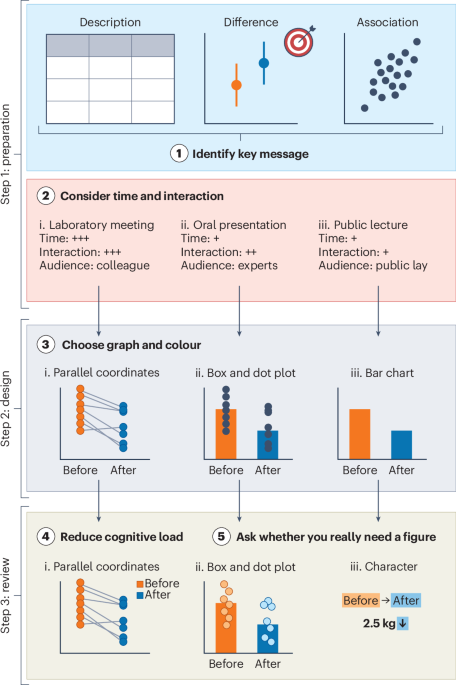
Just published @TheLancet
Global threats to health in the 21st century
an opus, 59 page comprehensive dissection of all the threats we face
https://t.co/xr4oKEHujR @IHME_UW
GUIDE COMPLET POUR CRÉER DES APPS AVEC CLAUDE EN 8 MINUTES
Je viens de découvrir l’une des façons les plus simples de créer une app.
( THREAD: la suite de la video en commentaire )
- Pas besoin de coder.
- Pas besoin de maîtriser la technique.
- Tu décris simplement ce que tu veux, et Claude s’occupe du reste.
8 minutes peuvent suffire pour passer d’une idée à une vraie app.
Garde ce guide en signet, tu risques d’en avoir besoin.
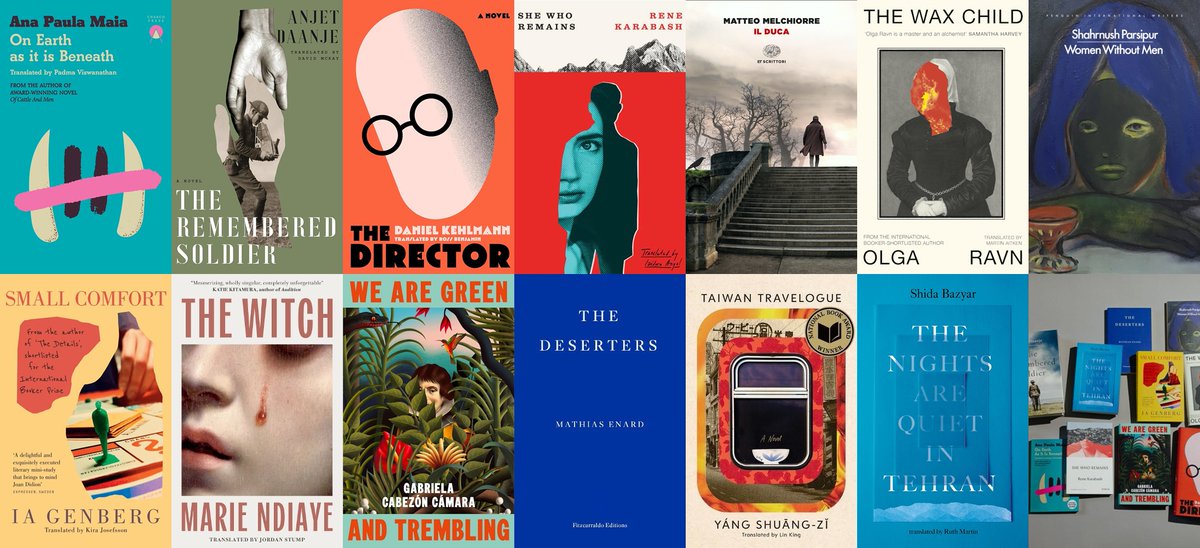
Şurada Homeros ve Ilias destanı üzerine yapılmış 65 konuşma ve doksan saatlik video var. Hepsini izledim. Çok faydasını gördüm. Bu konuşmalardan sonra çevirisini de yaptı Erman Hoca. Delice bir çaba. İzleyin derim https://t.co/mQjgaqkvle
This week in medicine
- Sana Biotech take us a step closer to cure for type 1 diabetes
- Merck's oral PCSK9 inhibitor gets FDA-approved
- Early stages of a vaccine to intercept pancreas cancer (Johns Hopkins)
- Novel anti-aging discoveries from Stanford, Revel Pharma, and Shanghai
- Veradermics' pill treats pattern hair loss (now also in women)
More here! https://t.co/c8sFW6zSuc
Two shots a year, and the pill bottle goes in the bin. Six heart drugs in trials dose every six months instead of every morning, each one silencing a gene in the liver so the bad protein never gets made in the first place.
1. INCLISIRAN (Novartis, Leqvio). Already approved. One shot day 1, one at 3 months, then every 6. Cuts LDL 51% on top of a statin. Pooled n=3,660. The proof the whole field is built on.
2. OLPASIRAN (Amgen). Shuts off Lp(a), the inherited cholesterol a statin can’t touch. Twice-yearly dosing wiped out roughly 100% of it. Now in a 7,297-patient outcomes trial.
3. LEPODISIRAN (Lilly). Same target, one dose at day 0 and one at day 180. Dropped Lp(a) 94%. Its outcomes trial, ACCLAIM, runs 17,300 people, the biggest here.
4. ZERLASIRAN (Silence). Two shots a year, Lp(a) down 86%. Still Phase 2.
5. ZILEBESIRAN (Alnylam). Aims at blood pressure instead. One shot every 6 months dropped systolic 16.7 mmHg versus placebo. Phase 2.
6. PELACARSEN (Novartis). The Lp(a) veteran, and the one still dosed monthly in its 8,323-patient trial, not twice a year yet.
Five of six dose twice yearly. Over 40,000 people are enrolled in the outcome trials that decide whether fewer shots mean fewer heart attacks. Inclisiran is already in pharmacies.
This looks promising for aging research!
Scientists found a way to reverse a type of age-related protein damage we thought was permanent.
As we age, sugars react with our proteins and leave behind "chemical scars" we call AGEs.
The most common one is CML. It accumulates in tissues such as skin, arteries, and the lens of your eye, and triggers chronic inflammation.
Up until now, we thought CML is permanent.
But a team at Revel Pharmaceuticals and Calico actually reversed it.
They took a bacterial enzyme (glycine oxidase) and through directed evolution, screened over 500M variants until they engineered "CMLase."
"CMLase" is an enzyme that removes CML from proteins and restores the original, undamaged lysine.
It worked really well!
CMLase removed up to 97% of this damage from lab proteins and cut it by 70%+ in arterial tissue, plus 55%+ elderly human skin tissue.
This is still extremely early (in vitro and ex vivo only), but it's a genuine proof-of-concept.
a lot of people haven’t realized how much more capable Chat has become in the last few days
how much of Codex is now available directly inside @ChatGPTapp on mobile and the web.
the Codex desktop app is great. I obviously live there.
but now, inside ChatGPT, you can tap Work on mobile or the web to hand off a task that runs in the cloud, no computer needed.
you can also tap Remote to pick up and continue work already running on your computer.
start at your desk, keep things moving on your phone, or kick off something new wherever you are.
agents shouldn’t care which screen you started from.
Introducing ChatGPT Work, a new agent in ChatGPT powered by Codex and GPT-5.6.
It can take action across your apps and files, stay with a project for hours if needed, and turn a goal into finished work.
It’s a whole new way to get work done.
Everyone assumed Ozempic helps fatty liver in the obvious way: lose the weight, and the liver fat follows. But a new mouse study from @DanielJDrucker’s lab, the man who helped discover these drugs, suggests weight loss is only half the story.
They mapped where the GLP-1 receptor sits in the liver. It’s on the thin cells lining the liver’s tiny blood vessels, plus some immune cells, not the main liver cells that store fat. Those vessel-lining cells are the ones that switch inflammation and scarring on and off.
Then came the clean experiment, run two ways in mice. Block weight loss but keep the receptor, and semaglutide still heals the liver. Keep the weight loss but delete the receptor from that vessel lining, and the liver stays sick even after the mice lose about 20% of their body weight.
So the weight loss was never doing all the work. The drug talks directly to the sick part of the liver. In mice, it’s a liver drug that also helps with weight loss.
Midjourney görüntü üretmede neden geri kaldı diyorduk.Adamlar bambaşka bir konu üzerine çalışıyorlarmış meğer.
Midjourney Medical’i duyurdular:
-60 saniyede radyasyonsuz tam vücut ultrason taraması yapan “Ultrasonic CT” scanner + lüks spa deneyimi.
-Sıvı dolu pod’larda Star Trek tarzı tarama, yarım milyon mikro sensörle milimetre altı 3D vücut haritası çıkarıyor. İlk spa 2027’de San Francisco’da açılıyor.
-6 yılda 50.000 cihaz, aylık 1 milyar tarama hedefliyorlar. Erken teşhisle sağlık maliyetlerini ciddi oranda düşürmeyi planlıyorlar.
-AI görüntü şirketi sanıyorduk, meğer sağlık devrimi hazırlıyorlarmış. Hatta Elon da yorum yazmış gönderi altına, “Cool” demiş.
Gelecek sağlık alanında çok ilginç olacak.
After 25 years of brave & brilliant work by hundreds of scientists in my lab to understand then safely reverse aging for the first time, it was moving to witness the first human dose being delivered 🥹 https://t.co/veQsyUEORz
BREAKING: Claude can now research like a Stanford PhD student.
Here are 6 insane Claude prompts that turn 40+ research papers into structured literature reviews, knowledge maps, and research gaps in minutes (Save this)
A single photograph of your retina. 30 seconds. No blood draw needed for the initial screen. Six diseases screened simultaneously.
A study published this week in Nature Medicine introduces Reti-Pioneer, an AI framework that detects type 2 diabetes, gout, osteoporosis, hypertension, hyperlipidemia, and thyroid disease from a standard color fundus photograph. The kind taken at any routine eye exam.
The framework was developed on 107,730 retinal images from both community and hospital cohorts across the UK and China. It achieved AUCs of 0.833 for type 2 diabetes, 0.832 for gout, 0.787 for osteoporosis, 0.740 for hypertension, 0.736 for hyperlipidemia, and 0.699 for thyroid disease. It generalized across six external validation cohorts, including resource-limited settings.
In a prospective silent trial embedded in a primary care clinic, the system processed 30 to 50 patients per day and completed screening in 30.6 seconds per case. Not minutes. Seconds. Compare that to the standard workflow: blood draw, lab processing, results returned hours or days later, follow-up appointment to review.
In a subsequent clinical pilot for type 2 diabetes, it achieved an AUC of 0.776 with a negative predictive value of 0.966 in that pilot population. That means a negative screen reliably rules out disease and identifies who actually needs confirmatory labs. It outperformed the Finnish Diabetes Risk Score, a widely used diabetes risk questionnaire.
The biological basis is real. The retinal microvasculature reflects systemic metabolic and endocrine status. The team validated this by linking retinal AI features to plasma proteomic signatures and polygenic risk scores. This is not a black box finding correlations in noise. It is detecting vascular and neural changes that precede clinical disease.
Now think about where this matters most. Rural clinics with no lab infrastructure. Community health centers in low-resource settings. Mobile screening programs. Anywhere a camera exists but phlebotomy and lab turnaround do not. One photograph. Six diseases. Half a minute.
This is the kind of AI application that should be fast-tracked toward clinical deployment. It requires no specialist image interpretation. It requires no blood. It adds zero patient discomfort. And it identifies risk early, when intervention actually changes outcomes.
The technology to screen millions of people for six chronic diseases with nothing but a retinal camera and an internet connection already exists. It was validated in Nature Medicine this week.
AI used in this post: GPT5.5-Thinking Extended mode, Claude Opus 4.6
The $46 billion vape industry hired flavor chemists to solve a specific problem: nicotine tastes bitter. The human tongue has T2R receptors that detect nicotine and trigger aversion. So the industry reverse-engineered the problem. They loaded e-liquids with fruity aromatic compounds like farnesol, farnesene, and ethyl butyrate that suppress the bitterness signal and activate sweetness perception through the orbitofrontal cortex instead.
Turns out they built something more powerful than a nicotine delivery system.
A 2023 study in the Journal of Neuroscience found that green apple vape flavorants, with zero nicotine present, independently fire dopamine neurons in the ventral tegmental area and increase dopamine release in the nucleus accumbens. The same reward circuitry that nicotine hijacks. The flavor chemicals alone were producing reward-seeking behavior in mice. A separate study found strawberry additives significantly increased nicotine vapor sampling, meaning the fruit smell made subjects inhale more of the drug without any conscious decision to do so.
95% of vape users choose flavored products. The industry has always framed this as “consumer preference.” The neuroscience says the flavors are pharmacologically active compounds that directly alter brain reward circuits and increase drug intake.
Now look at what those compounds do once the device gets tossed. The UK was discarding 5 million disposable vapes per week before the ban. The aromatic volatiles don’t stop broadcasting once the device is empty. Orthonasal olfaction, the same pathway that makes you smell a strawberry from across a room, works identically in mammals. A squirrel’s olfactory system processes fruity volatiles through the same receptor families humans use. The signal reads as food.
Nobody saw squirrels gnawing on Marlboro butts for 60 years. Vapes show up and suddenly there’s footage from London, Philadelphia, and Wales. The animals are chewing on lithium batteries wrapped in candy-scented plastic because the flavor engineering worked exactly as designed on a nervous system it was never tested on.
The lithium in those discarded vapes equals 5,000 electric vehicle batteries per year. Oxford researchers found the cells inside can cycle 450+ times, but the product is built to be used once and thrown in a park.
A squirrel holding a blueberry vape on a Brixton fence is the most honest product review the flavor chemists have ever received.