@mustafa__kaloo@SmartRandomGuy To each their owm, but hardship during Hajj is not a rukun of Hajj. If one doesn’t spend their wealth for ibadah, where else shall they spend it?
[Remaining silent over the issues that took place between The Sahaba]
Ibn Al-Jawzi narrates:
"A man asked Imam Ahmad ibn Hanbal about what happened between ‘Ali and Mu‘aawiyah, and he turned away from him. It was said to him: O Abu ‘Abdullah, he is a man from Banu Haashim.
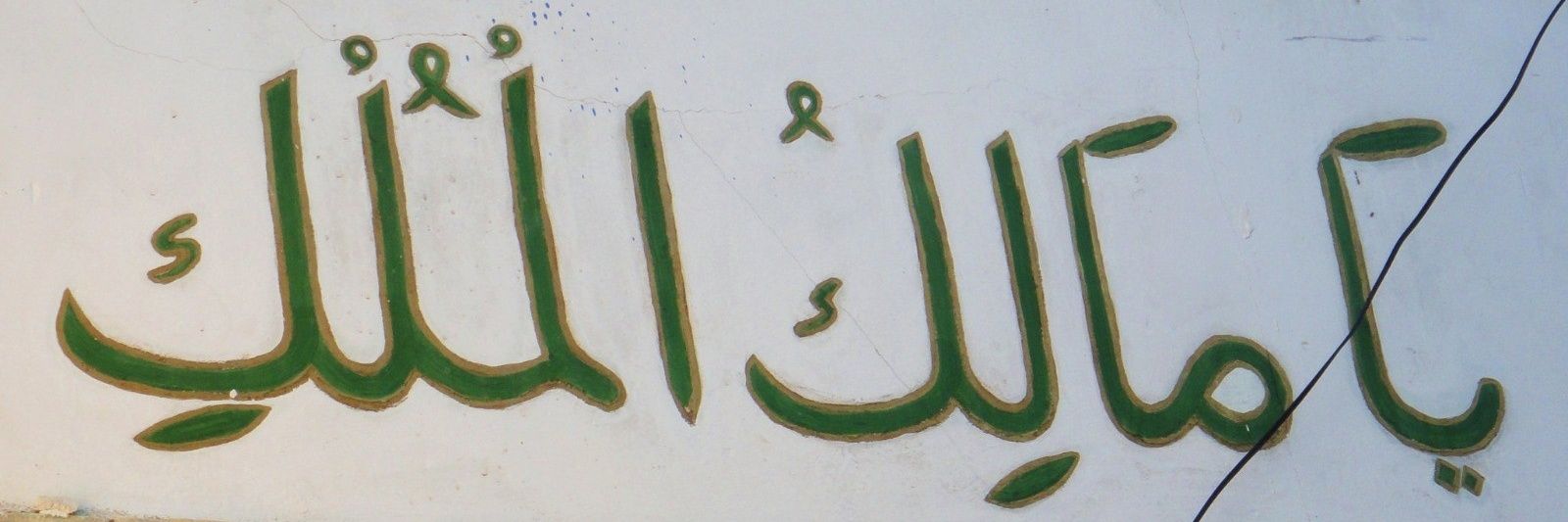
"Bring the beloved to the Beloved."
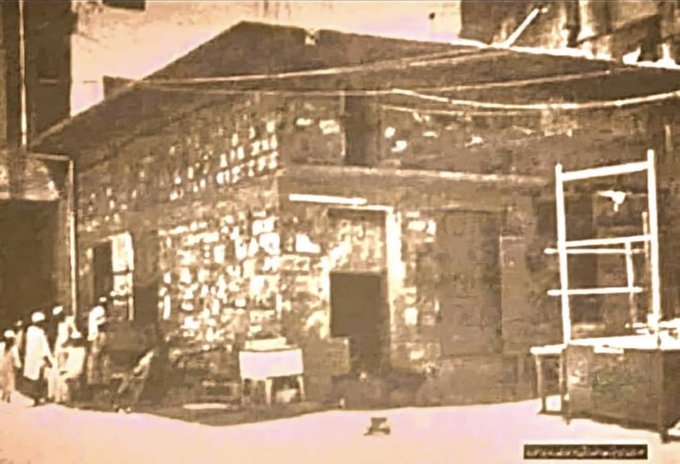
Imam Fakhr al-din Razi mentions a karamah of Hadrat Abu bakr al-Siddiq Radi'Allahu Ta'ala Anhu.
When the Janaza of Hadrat Abu Bakr al-Siddiq was carried to the door of Roza e Rasool(ﷺ),
1/2
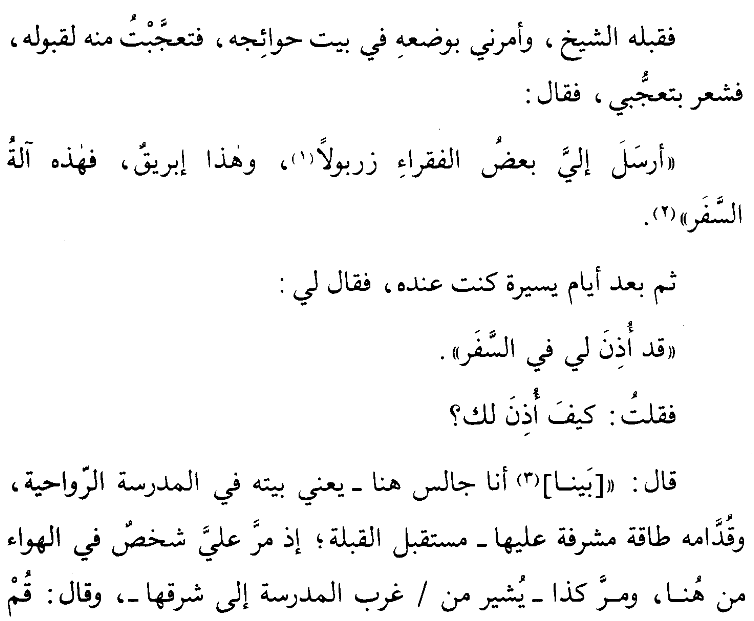
The final days of Shaykh al-Islām, the ascetic Shāfiʿī jurist, the master of ḥadīth, Imām Muḥyī al-Dīn al-Nawawī (631-676 AH), shortly before his return to his Lord.
This account is preserved by his close student Imām Ibn al-ʿAṭṭār (654-724 AH) in Tuḥfat al-Ṭālibīn fī Tarjamat al-Imām Muḥyī al-Dīn, where he narrates from the Imām in the final months before his death in Rajab 676 AH.
“I was sitting before him around two months before his passing, when a poor man entered upon him and said to the Shaykh: ‘So-and-so from the lands of Ṣarkhad sends you greetings, and has sent this water-pot with me for you.’
The Shaykh accepted it and ordered me to place it among his belongings. I was amazed that he accepted it, and he noticed my amazement. So he said: ‘One of the poor sent me a zarbūl, and this is a water-pot. These are the tools of the journey.’
Then, after a few days, I was with him, and he said to me: ‘I have been granted permission to travel.’ I said: ‘How were you granted permission?’
He said:
‘While I was sitting here,’ meaning his room in the Rawāḥiyyah School, with a window before him overlooking it, while he was facing the qiblah, ‘a person passed by me in the air from here, and went like this,’ pointing from the west of the school to its east, ‘and said: Rise, travel to visit Bayt al-Maqdis.’
I had understood the Shaykh’s words to mean the ordinary journey. But it was the true journey. Then he said to me: ‘Come, so that we may bid farewell to our companions and beloved ones.’
So I went out with him to the graves in which some of his shaykhs were buried. He visited them, recited something, supplicated, and wept. Then he visited his living companions, such as Shaykh Yūsuf al-Faqāʿī, Shaykh Muḥammad al-Ikhmīmī, and our shaykh, Shams al-Dīn Ibn Abī ʿUmar, the shaykh of the Ḥanbalīs.
Then he traveled on the morning of that day. Events took place with him, and I saw from him matters that would fill volumes. He went to Nawā, visited Jerusalem, and visited al-Khalīl, peace be upon him. Then he returned to Nawā and became ill after that visit, in his father’s house. News of his illness reached me, so I went from Damascus to visit him. He rejoiced at that, may Allah have mercy on him, then said to me:
‘Return to your family.’
I bade him farewell while he had nearly recovered, on Saturday, the twentieth of Rajab, in the year 676 AH. Then he died on the aforementioned Wednesday night, the twenty-fourth of Rajab.
While I was asleep that very night, a caller was calling from the raised entrance of the Great Mosque of Damascus on Friday:
‘The prayer over Shaykh Rukn al-Dīn al-Muwaqqiʿ!’
The people cried out because of that call, so I awoke and said:
‘Indeed, we belong to Allah, and indeed, to Him we return.’
Then it was only the night before Friday, on Thursday evening, when the news of his death arrived, may Allah have mercy on him. On Friday, after the prayer, his death was announced. The funeral prayer was performed over him in the Great Mosque of Damascus. The Muslims grieved over him with intense grief: the elite and the common people, those who praised him and those who criticized him. People composed many elegies for him, which will be mentioned at the end of this book.”
This was the departure of Imām al-Nawawī.
Imām al-Nawawī, in his commentary on Ṣaḥīḥ Muslim, cites the report of Asmāʾ bint Abī Bakr regarding the cloak of the Messenger of Allah ﷺ: “This was with ʿĀʾishah until she passed away. When she passed away, I took possession of it. The Prophet ﷺ used to wear it, so we would wash it for the sick, seeking healing through it.”
Then al-Nawawī states: “In this hadith is proof for the desirability of seeking blessing through the relics and garments of the righteous.” He is taking a report about washing a garment of the Prophet ﷺ for the sick and explicitly citing it as evidence for the desirability of tabarruk through relics and garments.
Al-Qāḍī ʿIyāḍ says the same matter in his commentary on Ṣaḥīḥ Muslim, while explaining Asmā’s statement, “So we would wash it for the sick, seeking healing through it”:
“That was because of the blessing in what the Prophet ﷺ had worn or touched. And the practice of the early and later Muslims has continued upon seeking blessing through that from him, and upon attaining thereby the hoped-for end of healing and other such benefits.”
So the report itself establishes the practice. Asmāʾ kept the cloak of the Messenger of Allah ﷺ, stated that he used to wear it, and stated that it would be washed for the sick so that healing would be sought through it.
al-Nawawī draws from it the broader principle that seeking blessing through the relics and garments of the righteous is desirable. al-Qāḍī ʿIyāḍ explains that this was because of the blessing in what the Prophet ﷺ wore or touched, and he further states that the custom of both the predecessors and the successors continued upon this, seeking through it healing and other hoped for benefits.
Taken together, the meaning is perfectly clear: this was not a fringe practice, nor something alien to the scholars of Ahl al-Sunnah. It is reported in Ṣaḥīḥ Muslim, explained by al-Nawawī as proof for the desirability of tabarruk, and affirmed by al-Qāḍī ʿIyāḍ as the continuing custom of the salaf and khalaf in seeking healing and other benefit.
This alone is enough to expose the false claim that seeking blessing through the relics of the Prophet ﷺ was somehow outside the inherited tradition of Islam. And from Imām al-Nawawī’s wording, the discussion does not stop there, since he explicitly extends the proof to the relics and garments of the righteous more generally, but that's for another time.
¹Al-Nawawī, al-Minhāj Sharḥ Ṣaḥīḥ Muslim, vol. 14, pp. 269-270
²Al-Qāḍī ʿIyāḍ, Ikmāl al-Muʿallim bi-Fawāʾid Muslim, vol. 6, p. 582.
Imam Rabbani on the Awliyā being present in more than one place ;
❝ Greater ones of this Ummah have also been seen in
various countries at the same time.
For example, Shāh-e-Naqshband Muhammad Bahā-ud-dīn has reportedly been present at 7 different places at the same time...
Imam Ghazali spoke about the knowledge of the unseen that's granted to the angels, Prophets and Awliya in his spiritual work "Mishkātul Anwār."
https://t.co/vGQaa5cJUM
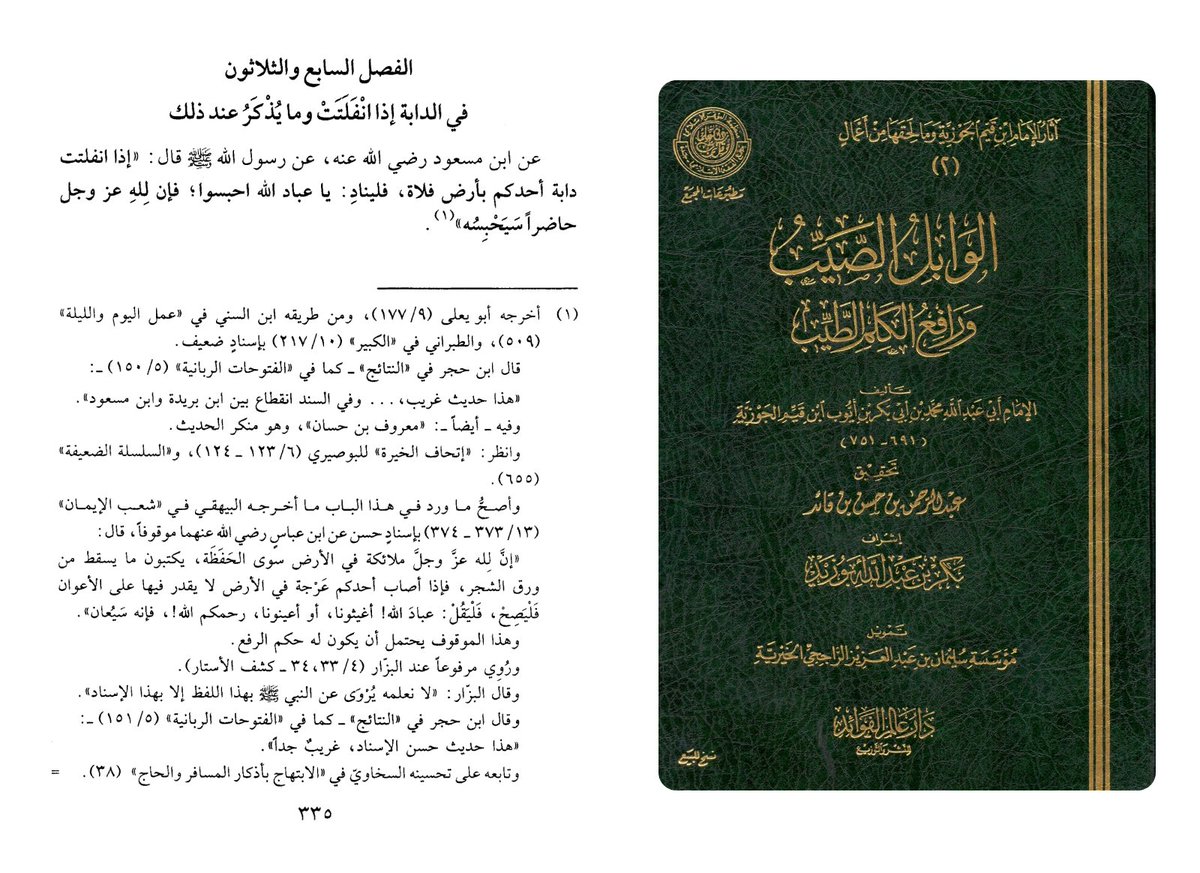
Ibn al-Qayyim al-Jawziyya also saying to utilize the angelic forces and call upon Allah’s unseen servants for aid when one is stranded or an animal is lost — and the stronger supporting report on the page makes clear that these helpers are angels.
In al-Wābil al-Ṣayyib wa Rāfiʿ al-Kalim al-Ṭayyib (p. 335, ed. ʿAbd al-Raḥmān b. Ḥasan b. Qāʾid), within a chapter on the prescribed adhkār “which a servant should not neglect, due to the intense need for them and the immense benefit attained through them in this world and the next,” Ibn al-Qayyim includes the report from Ibn Masʿūd:
"When one of your animals breaks loose in an open wasteland, let him call out: ‘O servants of Allah, hold it back’ for Allah, Mighty and Majestic, has present servants who will restrain it.”
The specific marfūʿ chain here is discussed in the footnote. Although the chain of that specific report is discussed, the footnote then cites what he calls “the soundest thing reported in this chapter”: the report of Ibn ʿAbbās that Allah has angels in the earth besides the guardian angels, and that if one is afflicted by difficulty in the land and cannot find helpers, he should say:
“O servants of Allah, come to our aid,” or, “help us” — and he will be helped.
So the page is not being used to reject the practice. Quite the opposite: it preserves a transmitted invocation for moments of hardship in the wilderness, and the stronger supporting report clarifies that those unseen helpers are angels by the permission of Allah.
Tasarruf:
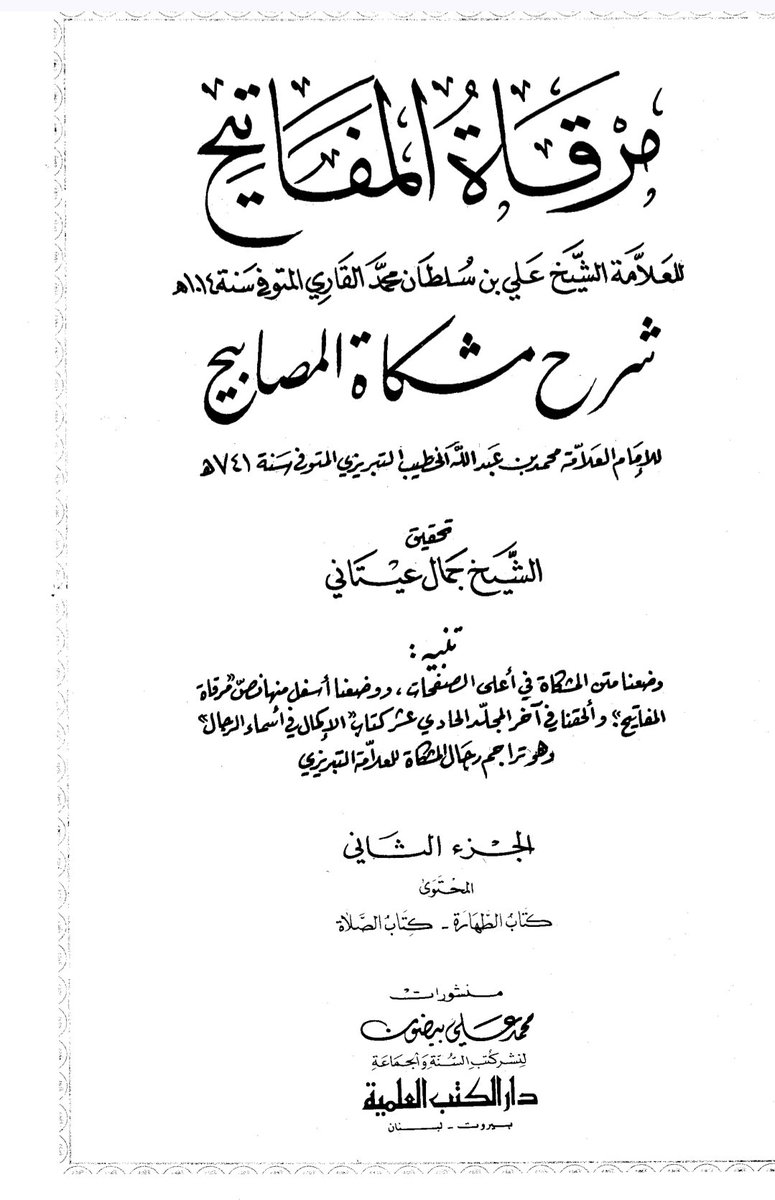
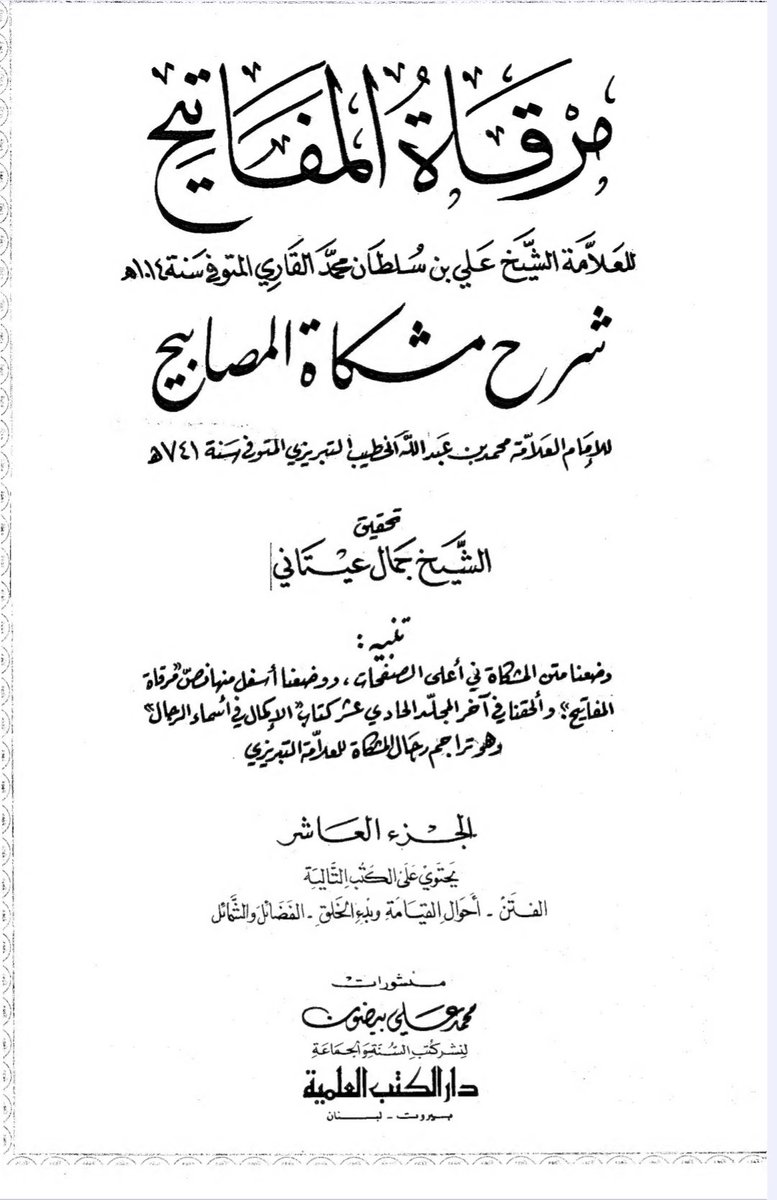
Mulla Ali al-Qari rahimahuAllah says in Mirqat:
يؤخذ من إطلاقه عليه السلام الأمر بالسؤال أن الله تعالى مكنه من إعطاء كل ما أراد من خزائن الحق
The Prophet (ﷺ) saying to "ask" refers to Allah giving him the capability to grant anything from the treasures of Allah.
Blessings/Durood upon the best of creation (ﷺ) and Imam Ahmad Rida Khan :
Imam Ahmad Rida Khan writes in Fatawa Ridawiyyah:
(Read the poem in the end)
Daylami narrated in Musnad al-Firdaws on the authority of Hazrat Abu Bakr (RadiAllahu Anhu) that our Master (ﷺ) said:
Imām Jalāl al-Dīn al-Suyūṭī رضي الله عنه reports that In his time there was a tyrannical ruler. He made istighātha through the Prophet ﷺ and sought the aid of those with spiritual insights [the saints] against him until Allāh caused him to die’.
—Kitāb Ḥusn al-Muḥāḍara1/603
The knowledge of Unseen of Prophet(ﷺ) from Mulla Ali al-Qari's book Mirqat Sharh Mishkat:
Here, the Prophet (ﷺ) is informing us of the tribulations of final days:
RasulAllah (ﷺ) said:
"Indeed, I know their names, and the names of their fathers, and the colours of their








![Uqasha_08's tweet photo. [Remaining silent over the issues that took place between The Sahaba]
Ibn Al-Jawzi narrates:
"A man asked Imam Ahmad ibn Hanbal about what happened between ‘Ali and Mu‘aawiyah, and he turned away from him. It was said to him: O Abu ‘Abdullah, he is a man from Banu Haashim. https://t.co/Bf2q9MPhbL](https://pbs.twimg.com/media/HH7M-TjbYAA0eDD.jpg)




![sugemadinah's tweet photo. Imām Jalāl al-Dīn al-Suyūṭī رضي الله عنه reports that In his time there was a tyrannical ruler. He made istighātha through the Prophet ﷺ and sought the aid of those with spiritual insights [the saints] against him until Allāh caused him to die’.
—Kitāb Ḥusn al-Muḥāḍara1/603 https://t.co/JjJkVmIIiR](https://pbs.twimg.com/media/HGVar1Ya8AAhA0H.jpg)


