Pondering how to remember pontine syndromes?
Don’t become despondent about syndromes of the pons!
Here’s an easy way remember the basic parts of pontine syndromes:
Pontine lesions are usually vascular and are either from an infarct in the AICA territory (lateral) or paramedian branches of the basilar artery (medial)
Lateral & medial pontine syndromes can be remembered by the easy mnemonic THE PONS, w/ “THE” representing lateral syndromes & “PONS” representing medial syndromes
LATERAL SYNDROMES:
T = Temperature (spinothalamic = loss of pain & temp contralateral body, trigeminal nucleus = ipsilat face)
H = Horner’s (sympathetic pathway)
E = Equilibrium problems (spinocerebellar = ataxia of ipsilateral arm & leg)
MEDIAL SYNDROMES:
P = Proprioception (medial lemniscus = loss of contralateral vibration & proprioception)
O = Ophthalmoplegia (MLF = internuclear ophthalmoplegia)
N = Nonmobile (corticospinal tract = weakness of contralateral body)
S = Sixth nerve (Sixth nerve nucleus = loss of ipsilateral CN 6)
There are many different syndromes that vary by what exact structures are involved, but if you always remember THE PONS, you can easily pontificate about pontine lesions!
POEMS syndrome: A 2026 update on diagnosis, risk stratification, and managenent. The acronym stands for polyneuropathy, organomegaly, endocrinopathy, monoclonal plasma cell disorder, and skin changes. POEMS is a life-threatening syndrome caused by underlying plasma cell neoplasm. Major criteria include polyneuropathy, clonal plasma cell disorder (PCD), sclerotic bone lesions, elevated vascular endothelial growth factor (VEGF) and presence of Castleman Disease. Minor criteria are organomegaly, endocrinopathy, skin changes, papilledema, extravascular volume overload, and thrombocytosis. Diagnosis requires 3 Major criteria two of which must include polyneuropathy and clonal plasma cell disorder and at least one of the minor criteria, radiographic assessment of bones, VEGF, and bone marrow biopsy. Risk factors include low serum albumin, age, pleural effusion, pulmonary hypertension, and reduced eGFR. Risk stratification follows clinical phenotype rather than molecular markers. POEMS syndrome must be differentiated from MGUS neuropathy, immunoglobulin ligh-chain amyloidosis, and chronic inflammatory demyelinating polyneuropathy (CIDP). Treatment requires directing therapy at the underlying clonal plasma cell disorder rather than targeting VEGF with anti-VEGF antibodies. Management depends on the presence or absence of BM involvement. Tx. chemotherapy, immunotherapy with immunomodulators, proteasome inhibitors, therapeutic monoclonal antibodies, and autologous HSCT for eligible patients.
https://t.co/X3vdF7wzwN
Durante demasiado tiempo, la medicina ha tratado la marcha como un síntoma periférico: un simple acto mecánico reducido a pasos, equilibrio y velocidad. Pero caminar es mucho más que desplazarse. Es una conversación continua entre el cerebro, la médula espinal, los nervios periféricos y el entorno; una coreografía biológica que revela, a veces antes que cualquier resonancia o biomarcador, cuándo el sistema nervioso comienza a fallar.
La neurología contemporánea está empezando a reconocer una verdad incómoda y fascinante: la pérdida de estabilidad al caminar puede anticipar deterioro cognitivo, fragilidad sistémica e incluso mortalidad. En enfermedades como el Parkinson, la esclerosis múltiple o las ataxias, la marcha no solo refleja discapacidad; puede convertirse en una ventana predictiva hacia el futuro clínico del paciente.
Los avances tecnológicos han acelerado esta transformación conceptual. Sensores portátiles, inteligencia artificial y sistemas de captura de movimiento permiten cuantificar variaciones invisibles al ojo humano: un aumento milimétrico en la variabilidad del paso, una fracción extra de tiempo en doble apoyo, una vacilación apenas perceptible antes de girar. Lo que antes dependía de la intuición clínica ahora puede medirse con precisión y seguirse longitudinalmente.
Sin embargo, el entusiasmo tecnológico no debe confundirse con madurez científica. Persisten interrogantes fundamentales: ¿qué métricas son realmente significativas?, ¿cómo evitar sesgos algorítmicos?, ¿qué ocurre cuando los datos de movilidad se convierten en vigilancia biométrica? La promesa de la “marcha como sexto signo vital” exige no solo innovación, sino también estándares rigurosos, validación multicéntrica y marcos éticos sólidos.
Aun así, la dirección es clara. En una era obsesionada con imágenes moleculares y genética de precisión, quizá uno de los biomarcadores más poderosos siga siendo profundamente humano: la manera en que una persona atraviesa una habitación.
https://t.co/v4ztI7qXVD
1/To call it or not to call it? That is the question!
Do you feel a bit wacky & wobbly when it comes to calling normal pressure hydrocephalus on imaging?
You don’t want to overcall it, but you don’t want to miss it either!
Let me help you out w/a thread about imaging in NPH!
#Myeloma Paper of the Day: SEER-Medicare analysis of treatment patterns for pts w/ initial dx of smoldering myeloma in US finds % of patients who received treatments increased from 2013 to 2014 and from 2016 to 2017, w/ IMiD-based tx most common: https://t.co/DTzYx3fs0u. #mmsm
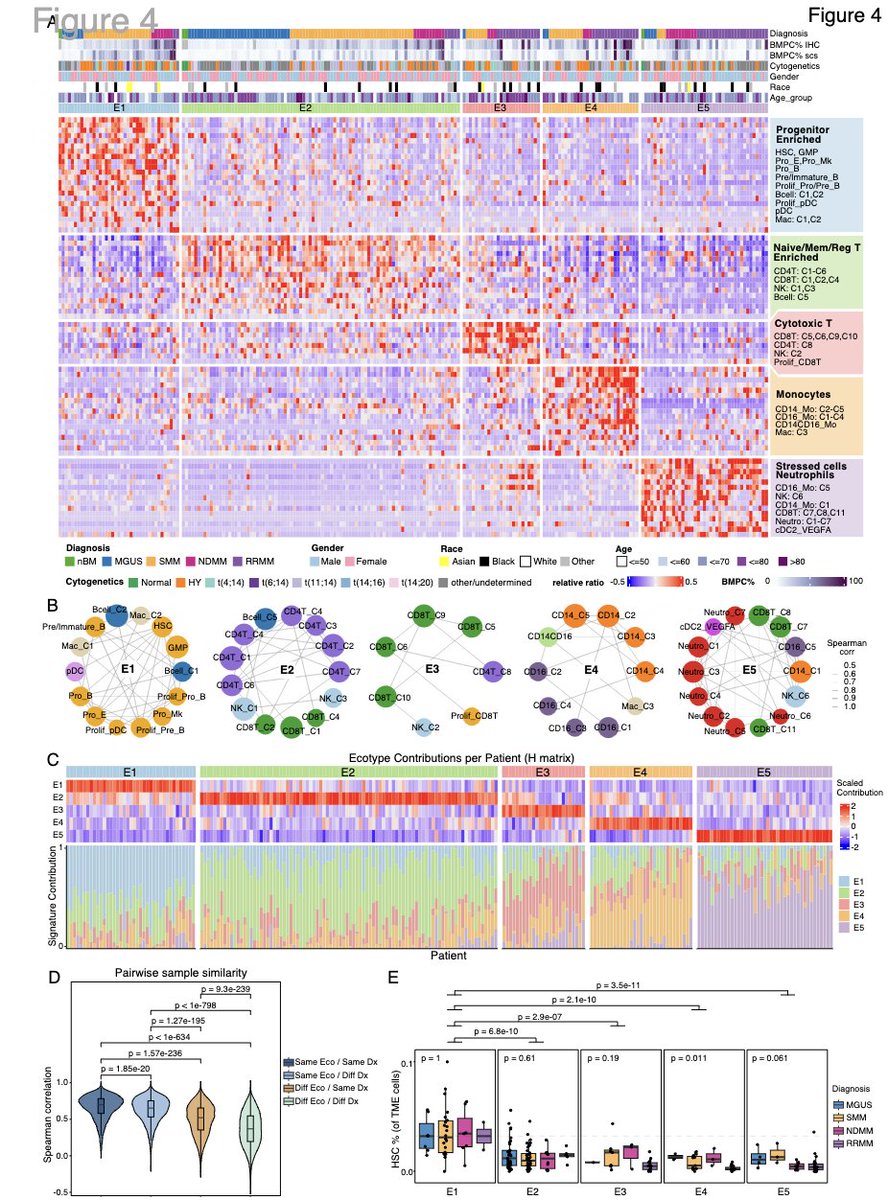
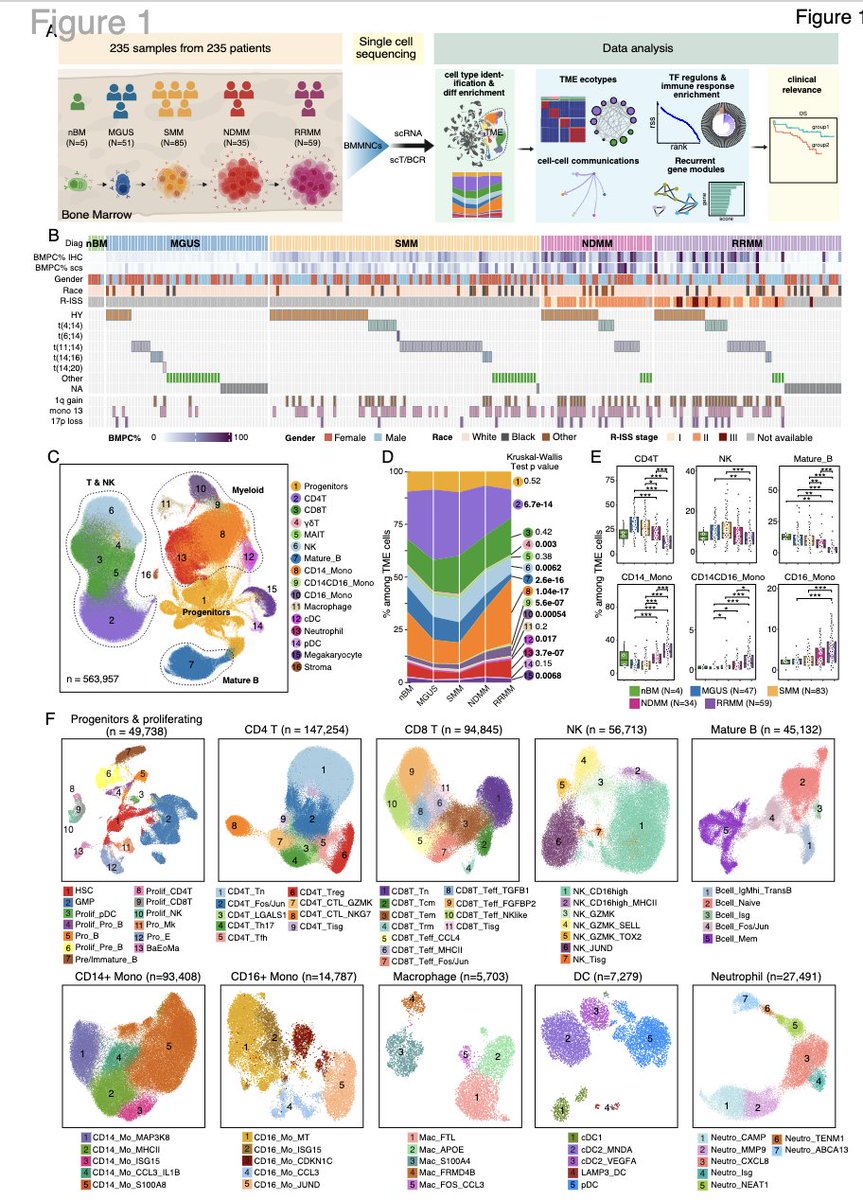
See the @MDAndersonNews write-up of our recent study focusing on the tumor microenvironment across the disease spectrum in myeloma and the implications for understanding tumor biology: https://t.co/6DMPtq8Uqp.
A fantastic read addressing basic questions on the pathophysiology of dystonia @kailashbhatia@AnnaLatorre14
https://t.co/C2k5kM4oZi
- Where in the act of movement does dystonia truly begin?
- How does the nervous system constrain and select movement, and why does this fail in dystonia?
- Why does a seemingly motor disorder implicate the sensory system?
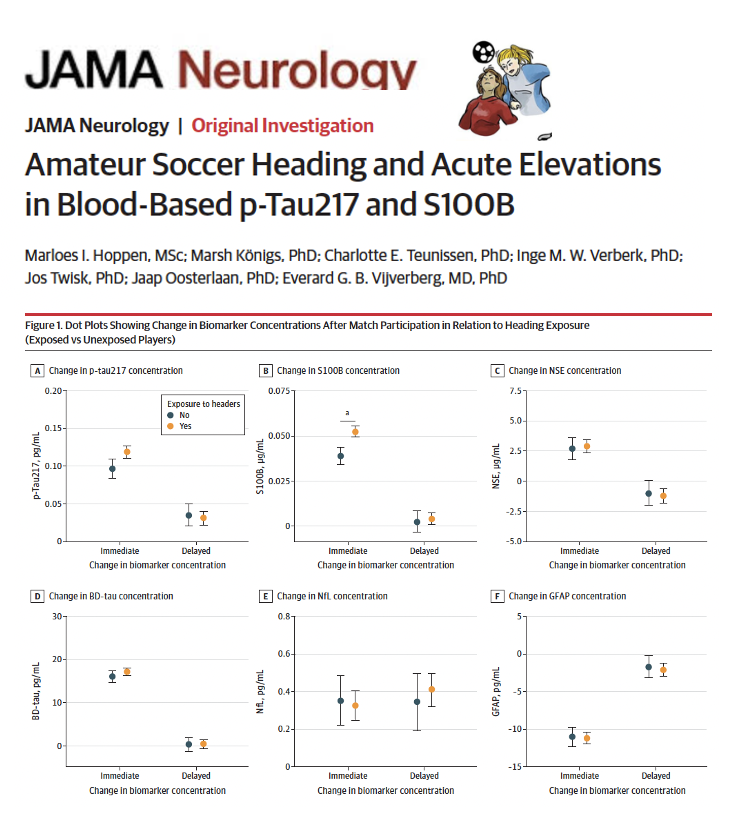
Are you checking out all the ‘heading’ of the ball in the World Cup? What happens to p-tau after a header? What is p-tau217? p-tau217 is a blood biomarker linked to the tau protein, which plays an important role in brain cells. It has attracted attention because it can reflect brain injury and is also being studied in neurodegenerative diseases such as Alzheimer's disease. Hoppen and colleagues describe in a new paper in JAMA Neurology how heading a soccer ball during real-world amateur matches was associated w/ short-term increases in blood biomarkers linked to neural injury.
Key points:
- Amateur soccer players who headed the ball showed greater immediate increases in the blood biomarker S100B compared to players who did not head the ball.
- More headers, and especially high-impact headers, were associated w/ greater increases in both p-tau217 and S100B, suggesting a dose-response relationship.
- These biomarker elevations returned to baseline within 24 to 48 hours, however the long-term implications remain unknown.
My take: This is an important study because it moves the discussion beyond speculation. The investigators carefully accounted for the effects of exercise itself and still observed measurable changes in blood biomarkers after real-world soccer heading. That does not mean that every header causes permanent brain damage or that soccer is unsafe. It does mean that repetitive heading leaves a measurable biological fingerprint that deserves further study. The biggest unanswered question is whether these temporary changes accumulate over years and contribute to later neurodegeneration. We simply do not know yet. Studies like this help us ask better questions, identify who may be at greatest risk, and hopefully develop smarter strategies that preserve both the joy of the game and long-term brain health.
Here are 5 points that resonated w/ me:
1- Repetitive heading appears capable of producing measurable short-term biological changes in the brain, even during amateur competition.
2- The number and force of headers matter. This study supports the idea that cumulative exposure is important.
3- Blood biomarkers such as p-tau217 may become useful tools for studying brain health in athletes, though they are not ready for routine clinical decision making.
4- Temporary normalization of a blood test does not necessarily mean the brain has completely recovered. More research is needed to understand repeated exposures.
5- The future should focus on making sports safer through better science, smarter coaching, improved techniques and thoughtful policies that protect athletes while preserving the many benefits of participation.
https://t.co/p4XFpoyvkT
New clinical vignette spearheaded by our recently graduated fellow, Dr. Talavera, in collaboration with @UCincyMedicine faculty and researchers! https://t.co/ocxLHylZ7K
The real lever is sunrise on true solar time — no DST.
This single habit activates photobiological pathways that boost endogenous NAD+ production, enhances mitochondrial biogenesis, improves ATP output through NIR penetration, and aligns every peripheral clock.
Supplements try to mimic what sunlight orchestrates naturally.
Your mitochondria already know the code.
Most people just aren’t using the right key.
Circadian clock genes directly regulate NAMPT — the rate-limiting enzyme in the NAD+ salvage pathway.
Proper morning light alignment keeps NAMPT oscillating correctly, raising cellular NAD+ levels during the active phase.
Higher NAD+ activates sirtuins (especially SIRT1 and SIRT3), which:
Deacetylate mitochondrial proteins → enhanced OXPHOS efficiency
Promote mitochondrial biogenesis via PGC-1α
Improve mitophagy and redox balance
Artificial light at wrong times (or no morning bright light) flattens these oscillations and lowers NAD+ amplitude. Supplements (NR, NMN) can raise NAD+ but bypass this natural timing control and often fail to restore full circadian amplitude.
Increased nitric oxide bioavailability from UV/blue light → better blood flow and oxygen delivery to mitochondria.
Skin exposure triggers vitamin D sulfate and other photoproducts that support mitochondrial membrane integrity.
Overall: Light orchestrates a systems-level coherence that isolated molecules cannot replicate.
Sunrise light acts as both input signal (clock entrainment) and direct energy/redox modulator (NIR on CCO + NAD+ rhythm). Supplements are downstream substrates at best; they lack the upstream timing and multi-wavelength information your mitochondria evolved to expect.
This is why consistent solar sunrise viewing produces outsized, compounding returns on energy, recovery, and resilience compared to any pill protocol.
Another new report confirms small excess risk of GLP-1 drugs for NAION, a vision-threatening condition (acronym for nonarteritic anterior ischemic optic neuropathy)
https://t.co/jhZXgTszJm
To get better protection against respiratory infections and transmission we need to achieve nasal immunity. A new @ImmunityCP review https://t.co/i1CPx5VTpH
Platelet factor-4 has an outsized role as a trigger in acute and chronic diseases, including heparin induced platelet deficiency (HIT), vaccine-induced clotting disorder, autoimmunity. A comprehensive new review @NEJM today https://t.co/ozAQGydTWb
Dystonia in PD is relatively common but uncommonly investigated.
Dr. Zheming Yu, incoming @UCMovDis faculty, spearheaded this painstaking effort based on data from our movement disorders clinic.
Article now online in @ParkinsonismD: https://t.co/E8ld0gWdPD