Aspirin, cardiovascular events, and major bleeding in older adults: extended follow-up of the ASPREE trial: @ESC_Journals
🥸Aspirin for primary prevention for older pts = MACE!
👇👇👇👇
Vasopressors and #inotropes are frequently used in #IntensiveCare units. With a special focus on recent studies, this article summarises the key messages in the management of patients requiring inotropes and #vasopressors.
Read the full article https://t.co/5UfYlOj3yN
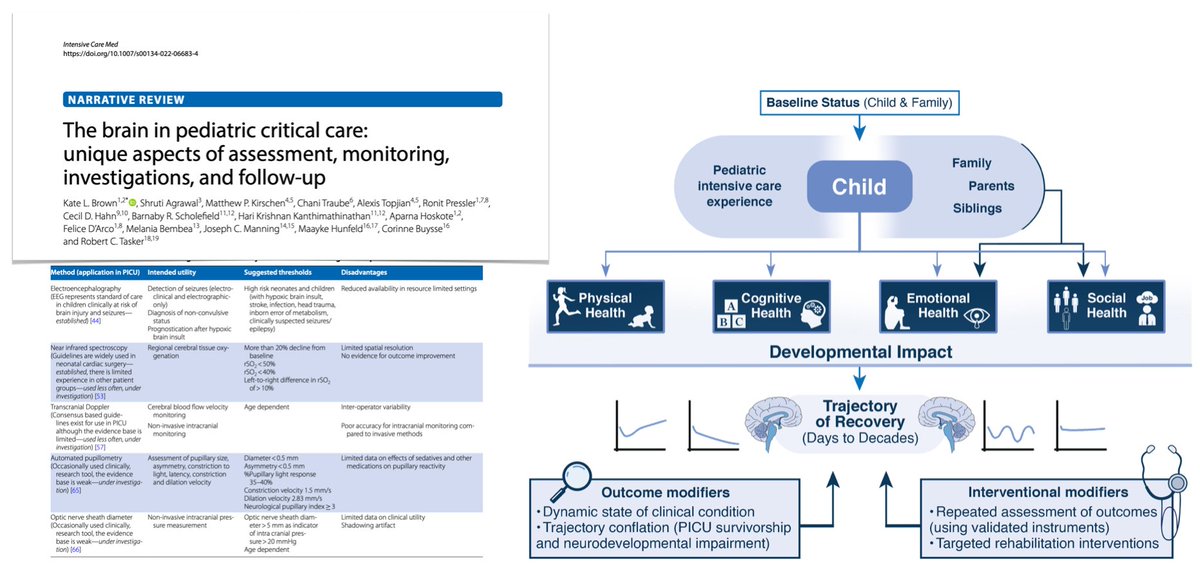
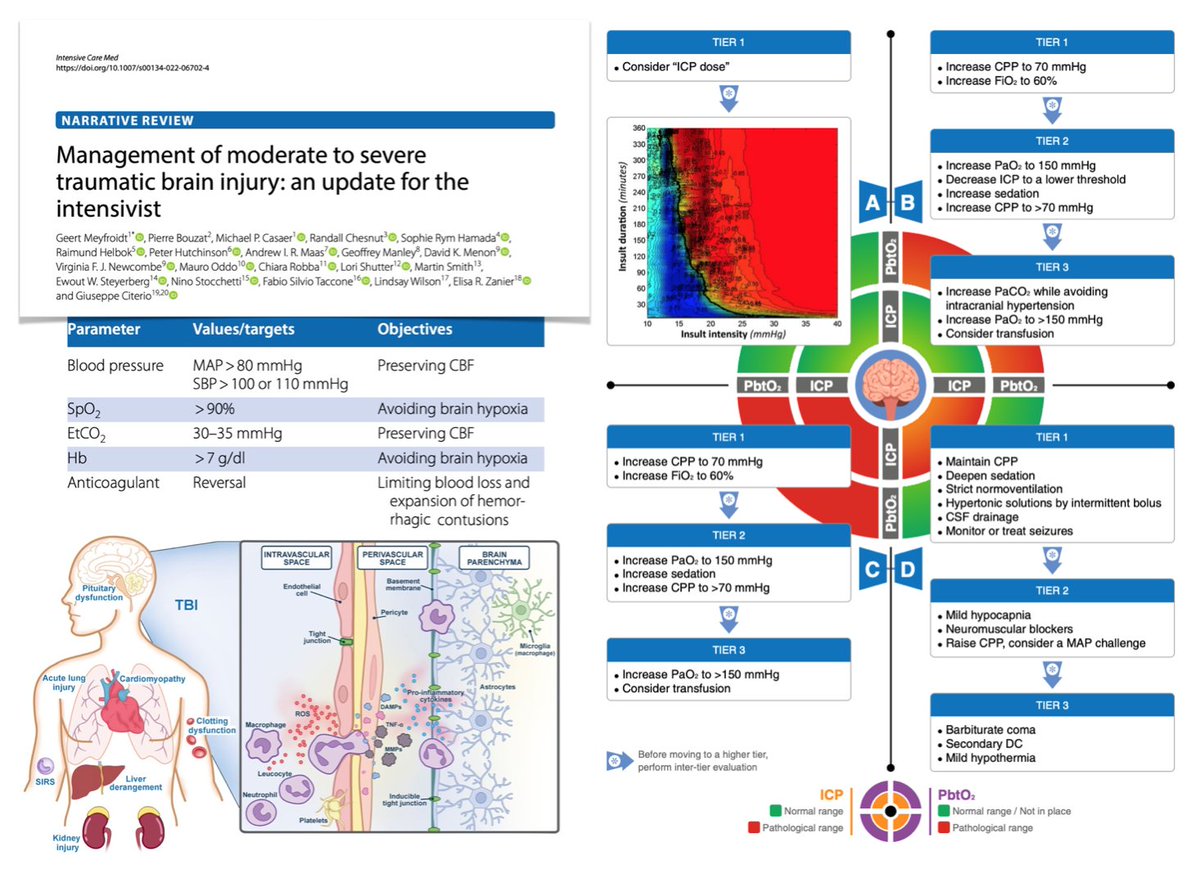
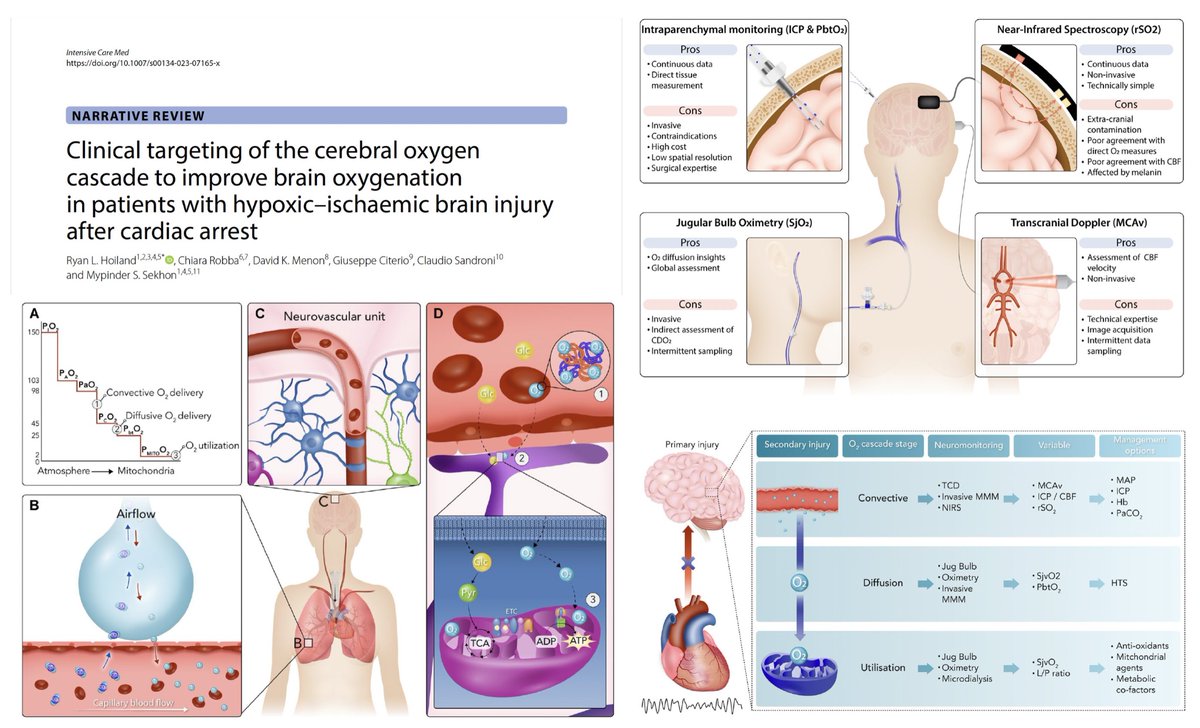
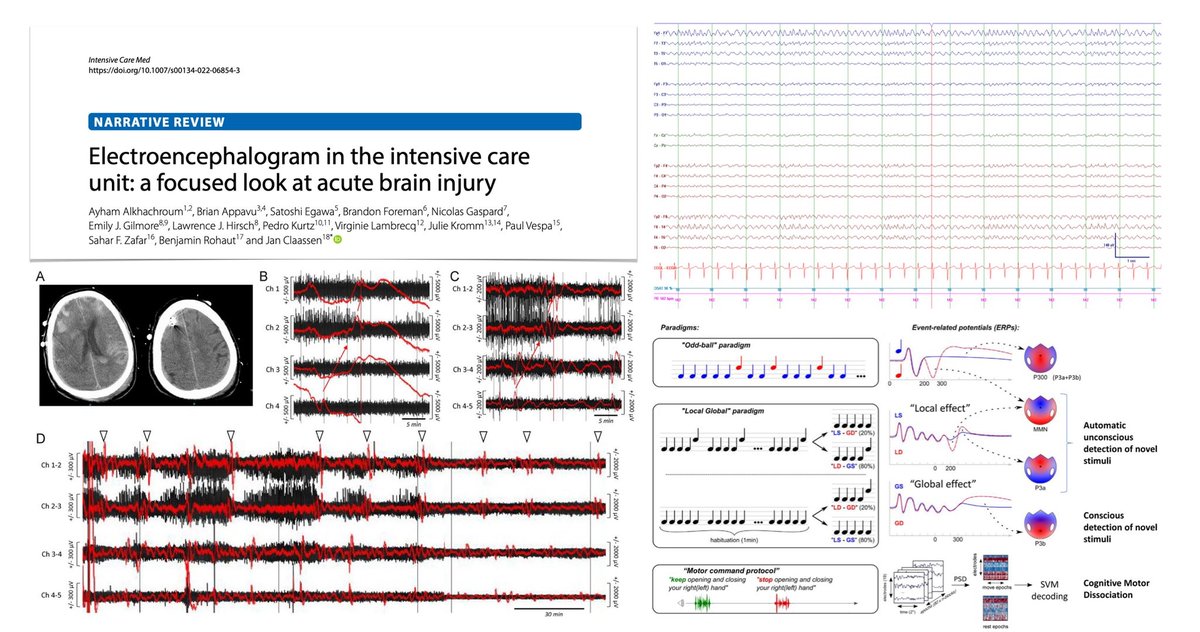
🧠 Here recent neuro-narrative reviews… 🔓 #FOAMcc on @yourICM
📖 EEG in #ICU for acute BI https://t.co/PdGuihm7eu
📖 Managing moderate/severe TBI https://t.co/GG0TrwvAvt
📖 Hypoxic–ischaemic BI after CA https://t.co/cQpepSTaSj
📖 The brain in #PedsICU https://t.co/F8c1L7ysPy
Ten current papers for the curious general cardiologist, including ticagrelor monotherapy post PCI, MRA use in cardiac amyloid, asystole post shock from wearable defibs & ⬇️in mortality using telemonitoring in HF
Sources: @ESC_Journals, @JACCJournals, @JAMACardio
1/n
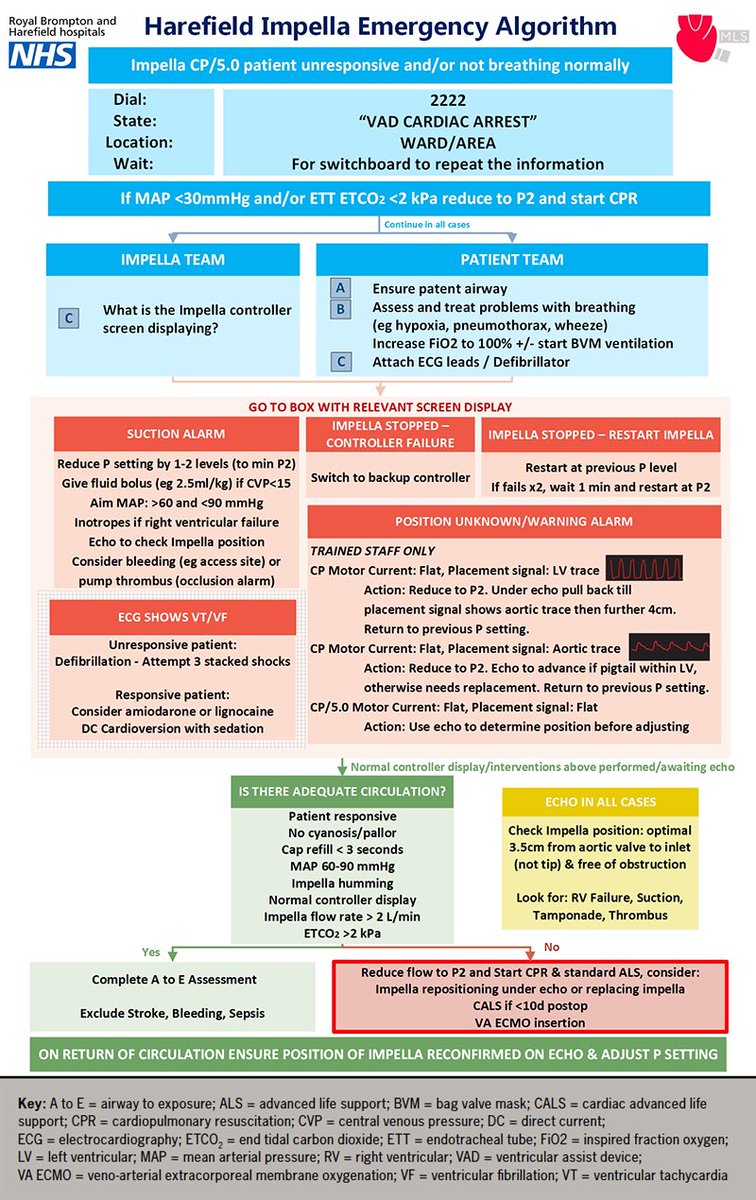
1/3 Most of our time in the Harefield ICU is spent finding the optimum balance in our patients’ blood pressure and flow to facilitate perfusion and improve organ function. We manipulate physiology mainly through use of fluids, inotropes, vasopressors, or MCS.
Today we honor Cleveland Clinic heart surgeon René Favaloro on what would have been his 100th birthday.
Dr. Favaloro introduced coronary artery bypass surgery into clinical practice.
It's a procedure that has saved countless lives since.
#0/7 Thanks @purviparwani for robust discussion on diastology which means "Dilation".
I was asked to present my approach to Diastolic Function assessment at @ase360 " Just Relax: Diastolic Dysfunction" session. Let me share again and explain the 7 points that I emphasized.
remember: PaCO2 > etCO2
targeting etCO2 30-35 will generally put the paCO2 into the 35-50 range (safe)
so, the safety of hypercapnia supports the safety of etCO2 monitoring
don't phlebotomize patients to fine-tune something that doesn't matter (2/2)
https://t.co/GYNQSd25VX
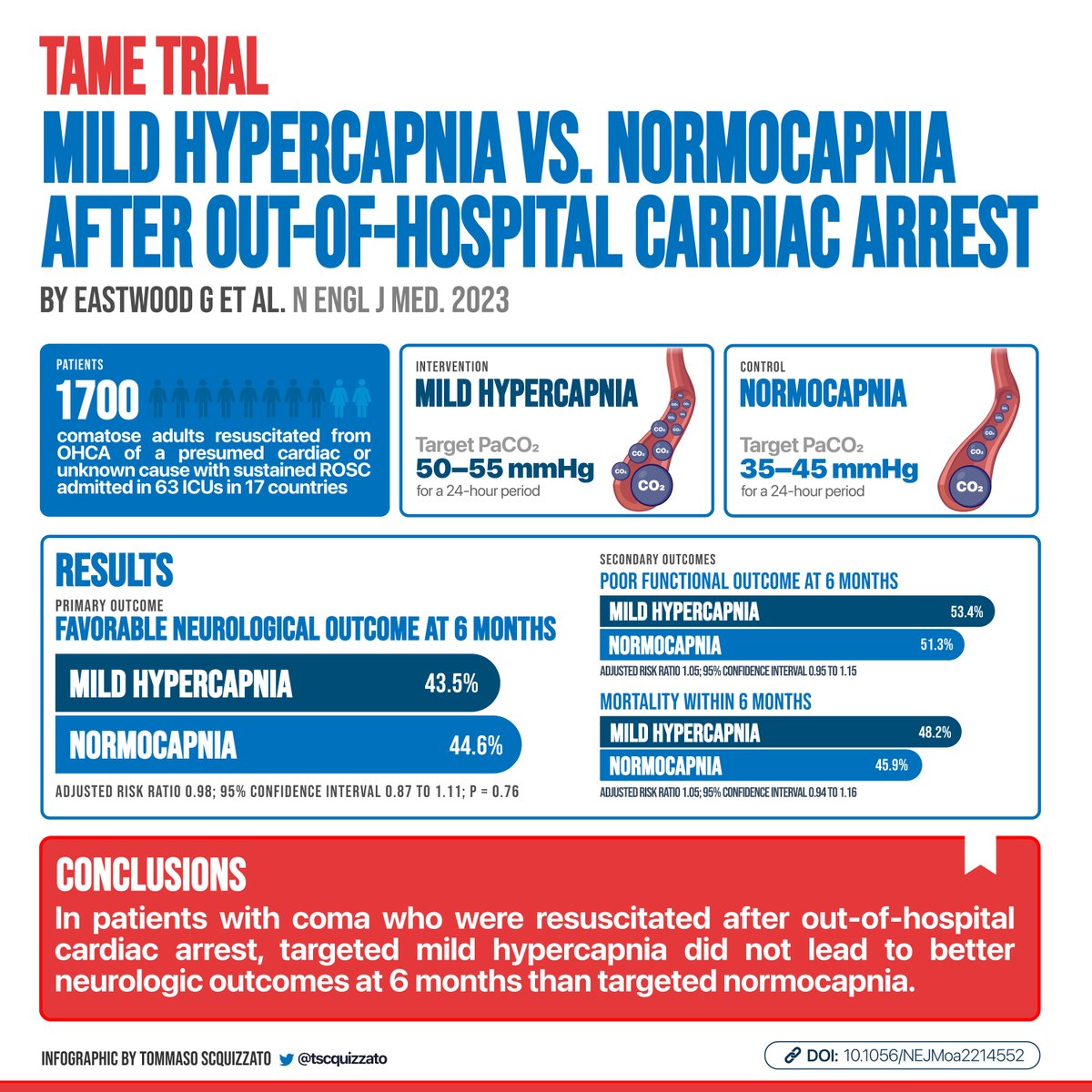
#TAMEtrial just published!
🩸 Does mild hypercapnia (50-55 mmHg) vs normocapnia (35-45 mmHg) improve outcomes in OHCAs admitted to the ICU?
🧠 Good neuro outcome at 6 mo:
43.5% (hypercapnia) vs 44.6% (normocapnia)
🔗 @NEJM https://t.co/2Fhskr76Ge
#CCR23#ResusTwitter#FOAMcc
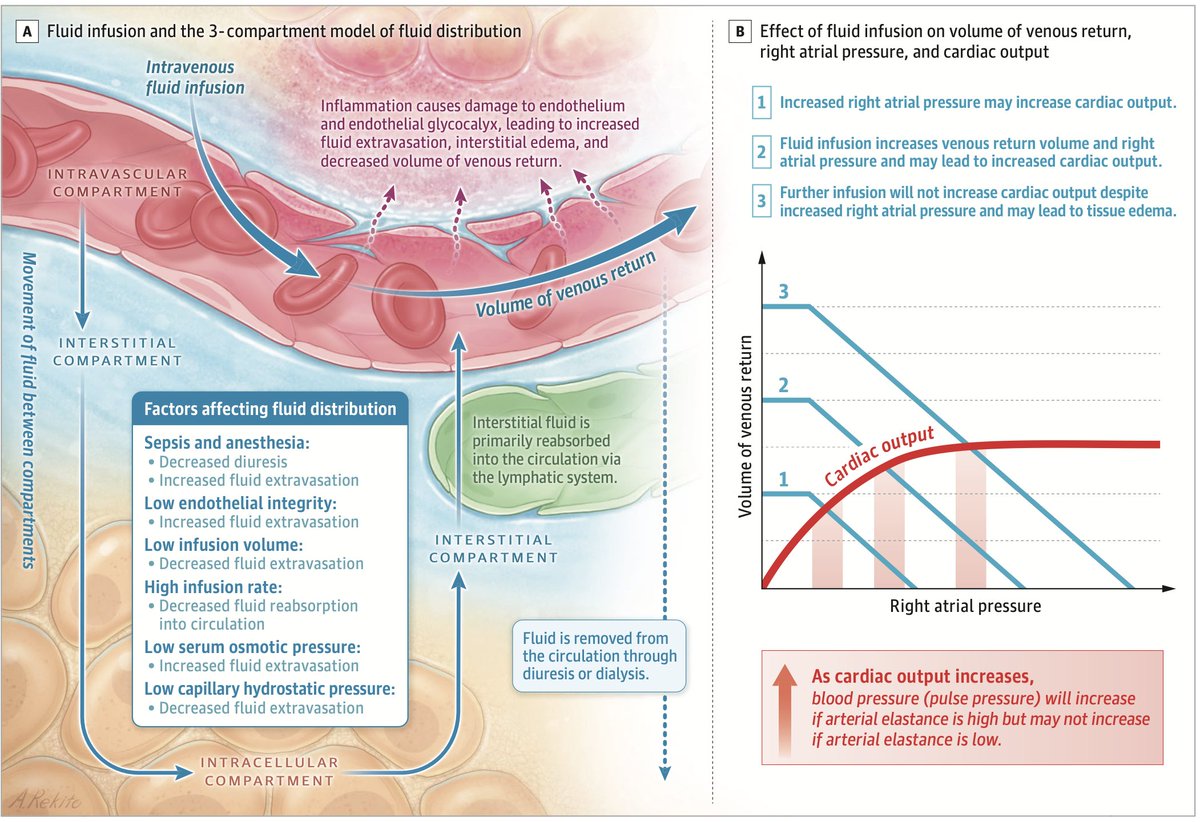
Narrative review on fluids in sepsis
From resuscitation to evacuation
From EGDT to #CLOVERStrial
From fluid responsiveness to fluid intolerance
All the essence is compacted in this paper!
Fluid therapy in sepsis is really interesting😊
🔗https://t.co/I6cR4iHwtn
#FOAMcc
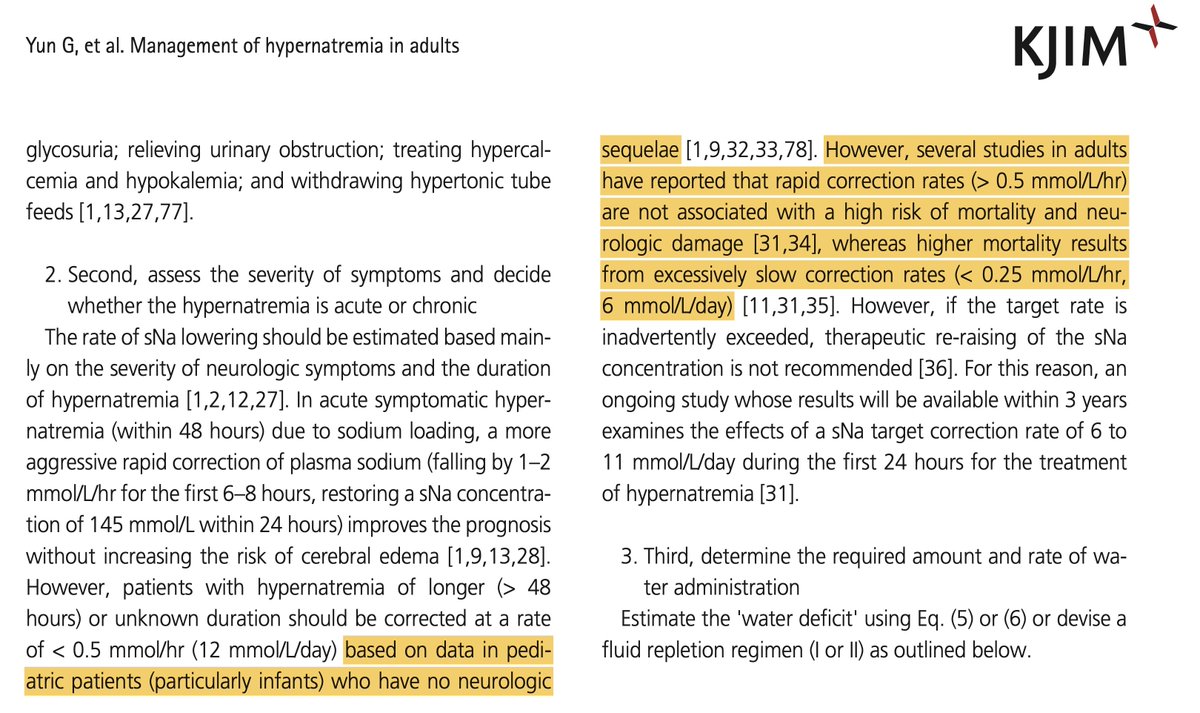
@CritCareReviews slow correction of hypernatremia in older adults is not evidence-based. the authors discuss this in the text of the article, but unfortunately not in their algorithm. for patients >>40 years old, target 6-11/day is too conservative IMHO.
https://t.co/fJF8WcoBpE
everyone with acute, severe hypoxemia & bilateral lung infiltrates now has ARDS 🙄
we’re converting a trashcan diagnosis into a gigantic dumpster bin.
studies on this increasingly heterogenious group of patients will struggle to find any useful therapies.
The 13th International Conference on Acute Cardiac Care will be held in Tel Aviv on 10-11 July, 2023.
The program is delivered by the best senior cardiologists in the world and in Israel.
https://t.co/1t1vaZa7NF
#CardioTwitter
The @SCC_CCS Position Statement for “Neuroprognostication in the Post Cardiac Arrest Patient” has been published 👉 https://t.co/yAy90nePgG A practical guide of recommendations using the GRADE system to enhance in-hospital care of the post-cardiac arrest patient follows: 1/10