Ylva Ericsson et al.* observe a strong increase in fCO₂ in the Barents Sea and Nasen Basin.
https://t.co/93dMhZNNjr
#ocean#co2#BarentsSea
*Agneta Fransson, Melissa Chierici, Elizabeth M. Jones, Ingunn Skjelvan, Abdirahman Omar, Are Olsen, Meike Becker
📺Missed a session at #OAWeek2024 ?
We are uploading the recordings to the GOA-ON YouTube Channel where you can catch up on all sessions you missed - and re-watch the ones of most interest to you!
See the whole playlist 👉https://t.co/3AdeWQuO3H
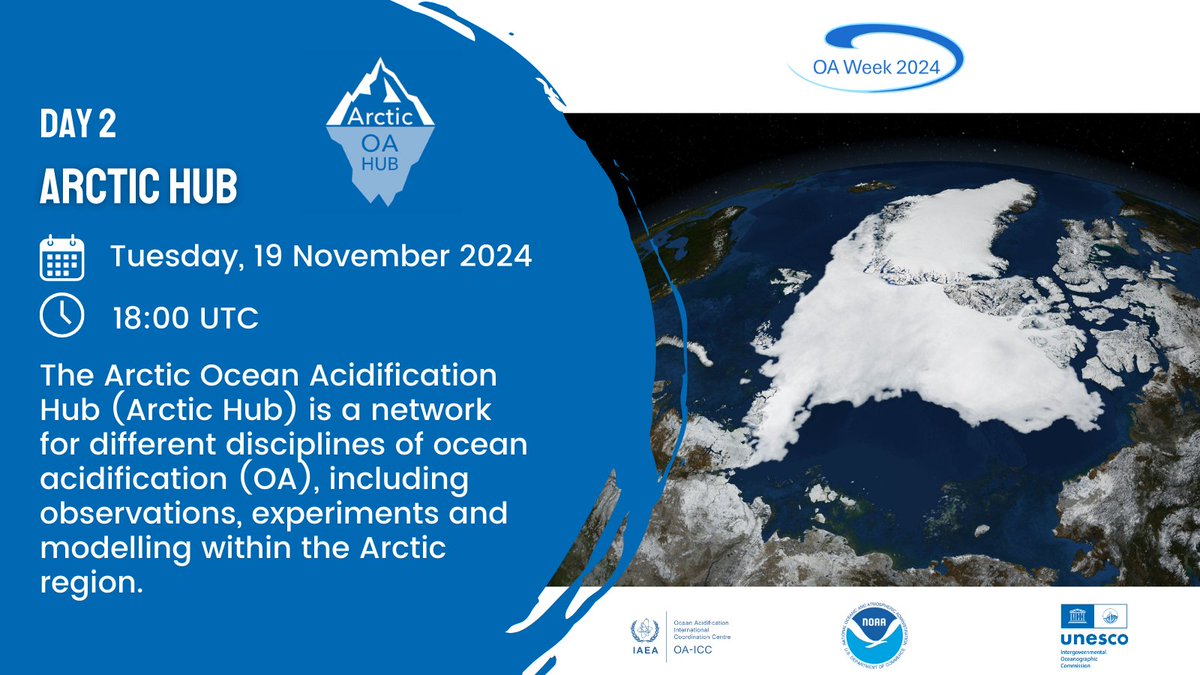
The final session for Day 2 of #OAWeek2024 is hosted by our most Northern Hub, the Arctic OA Hub ❄️
Register now to hear about Arctic ocean chemistry, biological production, and Community OA projects with Indigenous and Arctic communities: https://t.co/ZdXOjvohDo
Enjoyed the session on Healthy Arctic Marine Ecosystem and advice to management on the central Arctic Ocean @arcticfrontiers conference in Tromsø.
@nansenlegacy @Framcentre @NorskPolar
#Arcticfrontiers2024
Contrasts Nansen versus Amundsen Basin – looking at physicochemical properties and biota composition to inform management by Agneta Fransson and Bodil Bluhm.
Panel discussion after
31.01.24 / 11:55 / The Edge
#Tromsø#nansenlegacyresearch
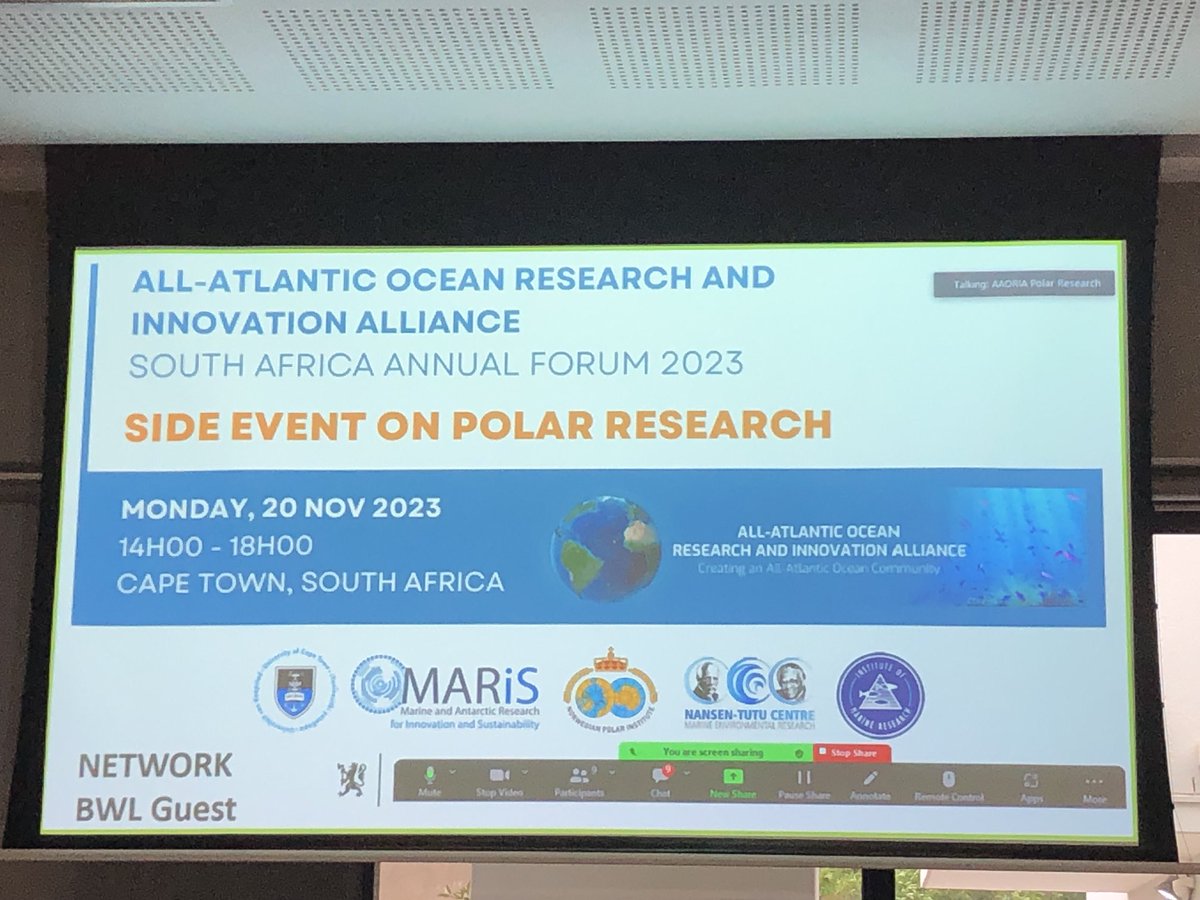
Successful polar ocean side event in Cape Town, South Africa, All-Atlantic ocean research innovation alliance, where I presented results on carbon changes in #Arctic Ocean and #SouthernOcean, #Antarctica, and connections between the polar oceans @NorskPolar @UCT_news
New @nansenlegacy paper in 𝑷𝒓𝒐𝒈𝒓𝒆𝒔𝒔 𝒊𝒏 𝑶𝒄𝒆𝒂𝒏𝒐𝒈𝒓𝒂𝒑𝒉𝒚 showcases the control retreating and melting sea ice has on the functioning of the northern Barents Sea system, with impacts on ocean, light, nutrient and phytoplankton dynamics. https://t.co/W0JxMh7DlG
Still Arctic? A @nansenlegacy review on the Barents Sea is published in @elementascience, the synthesis of the current status of the physical, chemical and biological systems, show that only the northernmost part can still be considered truly #Arctic. https://t.co/FW1f7u8Nnm
❄️Travel with us to the Arctic as we join members of the Arctic Regional Hub for the closing session of #OAWeek2023 at 16:00UTC!
Register now: https://t.co/frixszBaXj
Today #OAweek2023 at 16 UTC, great speakers at the Arctic Hub session will give interesting presentations and insights into Arctic Ocean acidification on various as aspects. ❄️Don’t miss it! @goa_on
❄️We are ending #OAWeek2023 on a high latitude with the Arctic Hub! ❄️
Join us for new insights into various aspects of ocean acidification such as observations, case studies, biological effect studies, modeling, and management
Register here ➡️ https://t.co/frixszBaXj
Today, Day 5 of #OAWeek2023, the FINAL DAY, features sessions on:
🦀Biological Impacts of OA & OARS Outcome4
📝Pier2Peer Mentoring
📊Socio-economic impacts of OA
❄️the Arctic Hub
Session details and registration: https://t.co/4b3IA980Kz
❄️We are ending #OAWeek2023 on a high latitude with the Arctic Hub! ❄️
Join us for new insights into various aspects of ocean acidification such as observations, case studies, biological effect studies, modeling, and management
Register here ➡️ https://t.co/frixszBaXj
New Research: Impacts of glacial and sea-ice meltwater, primary production, and ocean CO2 uptake on ocean acidification state of waters by the 79 North Glacier and northeast Greenland shelf: The waters adjacent to the Nioghalvfjerdsbræ (79… https://t.co/mAeJMTbVXM #MarineScience