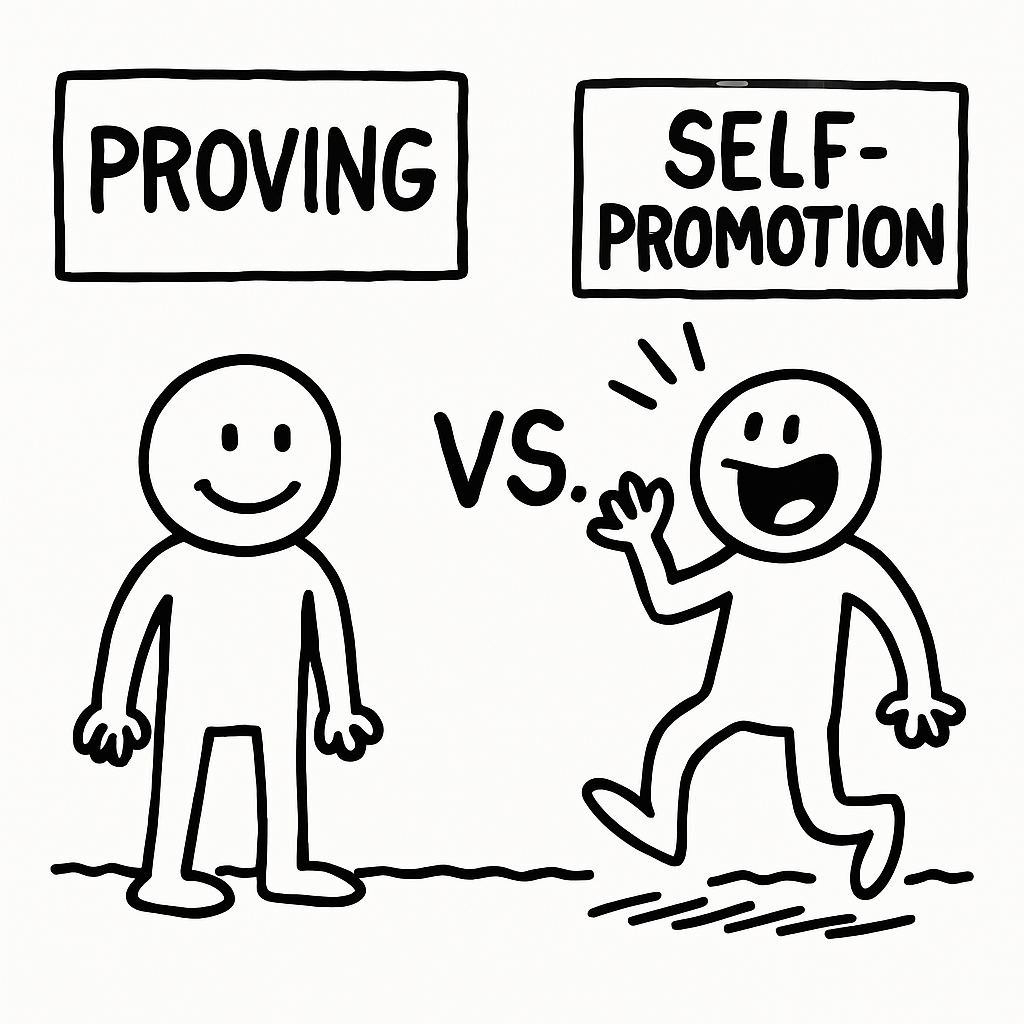
In open source, you must always pay yourself first. Work on your problems, your desires. Then, once you're satisfied, help others. Anything else paves the road to burn out.
Here’s what I’d do if I was in charge of GitHub, in order:
1. Establish a North Star plan around being critical infrastructure for agentic code lifecycles and determine a set of ways to measure that.
2. Fire everyone who works on or advocates for copilot and shut it down. It’s not about the people, Im sure theres many talented people, youre just working at the wrong company.
3. Buy Pierre and launch agentic repo hosting as the first agentic product. Repos would be separate from the legacy web product to start since they’re likely burdened with legacy cross product interactions.
4. Re-evaluate all product lines and initiatives against the new North Star. I suspect 50% get cut (to make room for different ones).
The big idea is all agentic interactions should critically rely on GitHub APIs. Code review should be agentic but the labs should be building that into GH (not bolted in through GHA like today, real first class platform primitives). GH should absolutely launch an agent chat primitive, agent mailboxes are obviously good. Etc. GH should be a platform and not an agent itself.
This is going to be very obviously lacking since I only have external ideas to work off of and have no idea how GitHub internals are working, what their KPIs are or what North Star they define, etc.
But, with imperfect information, this is what I’d do.
We built a browser with GPT-5.2 in Cursor. It ran uninterrupted for one week.
It's 3M+ lines of code across thousands of files. The rendering engine is from-scratch in Rust with HTML parsing, CSS cascade, layout, text shaping, paint, and a custom JS VM.
It *kind of* works! It still has issues and is of course very far from Webkit/Chromium parity, but we were astonished that simple websites render quickly and largely correctly.
The most underrated use of AI isn’t learning faster—it’s becoming capable of learning knowledge that’s deeper, harder, and more abstract.
In this article, I share how I use AI to teach myself a textbook step by step, and why the gains in depth + quality have been mind-blowing.
Today Thinking Machines Lab is launching our research blog, Connectionism. Our first blog post is “Defeating Nondeterminism in LLM Inference”
We believe that science is better when shared. Connectionism will cover topics as varied as our research is: from kernel numerics to prompt engineering. Here we share what we are working on and connect with the research community frequently and openly.
The name Connectionism is a throwback to an earlier era of AI; it was the name of the subfield in the 1980s that studied neural networks and their similarity to biological brains.
https://t.co/lrJioBmpbT