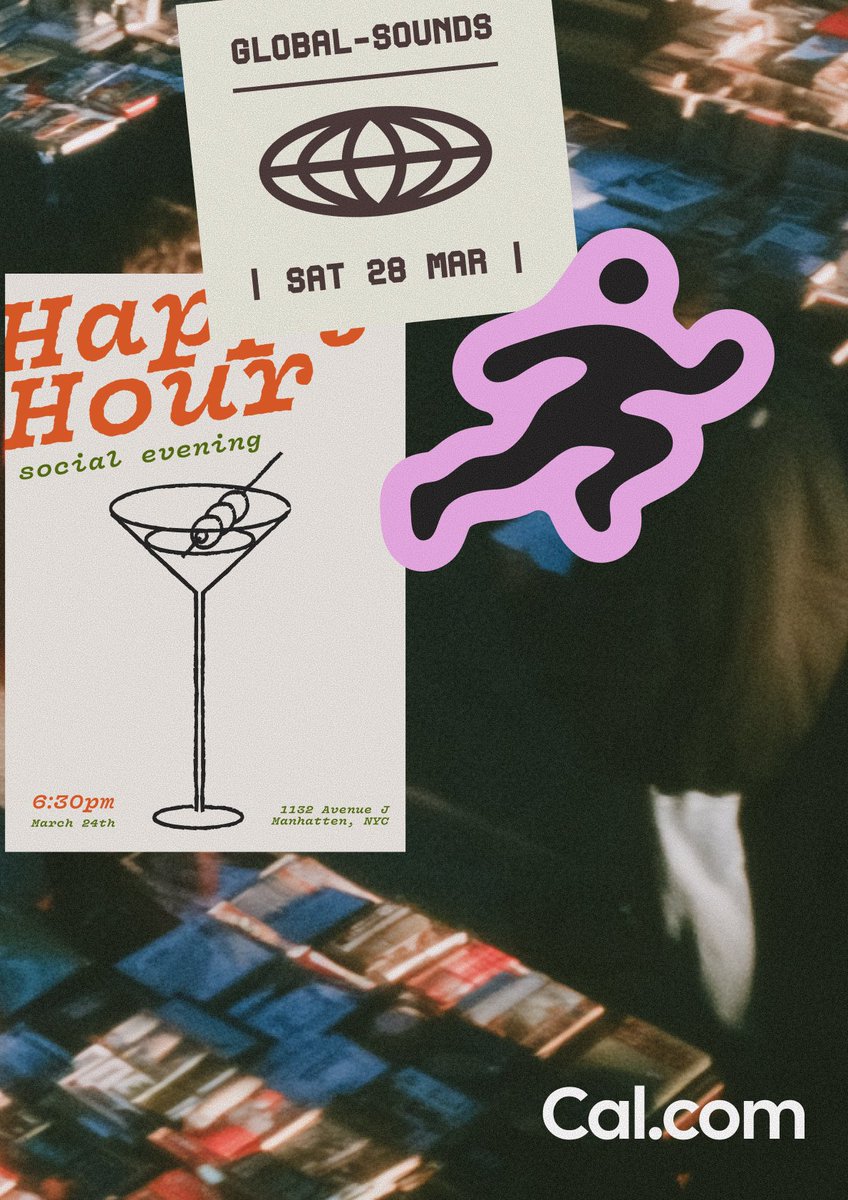
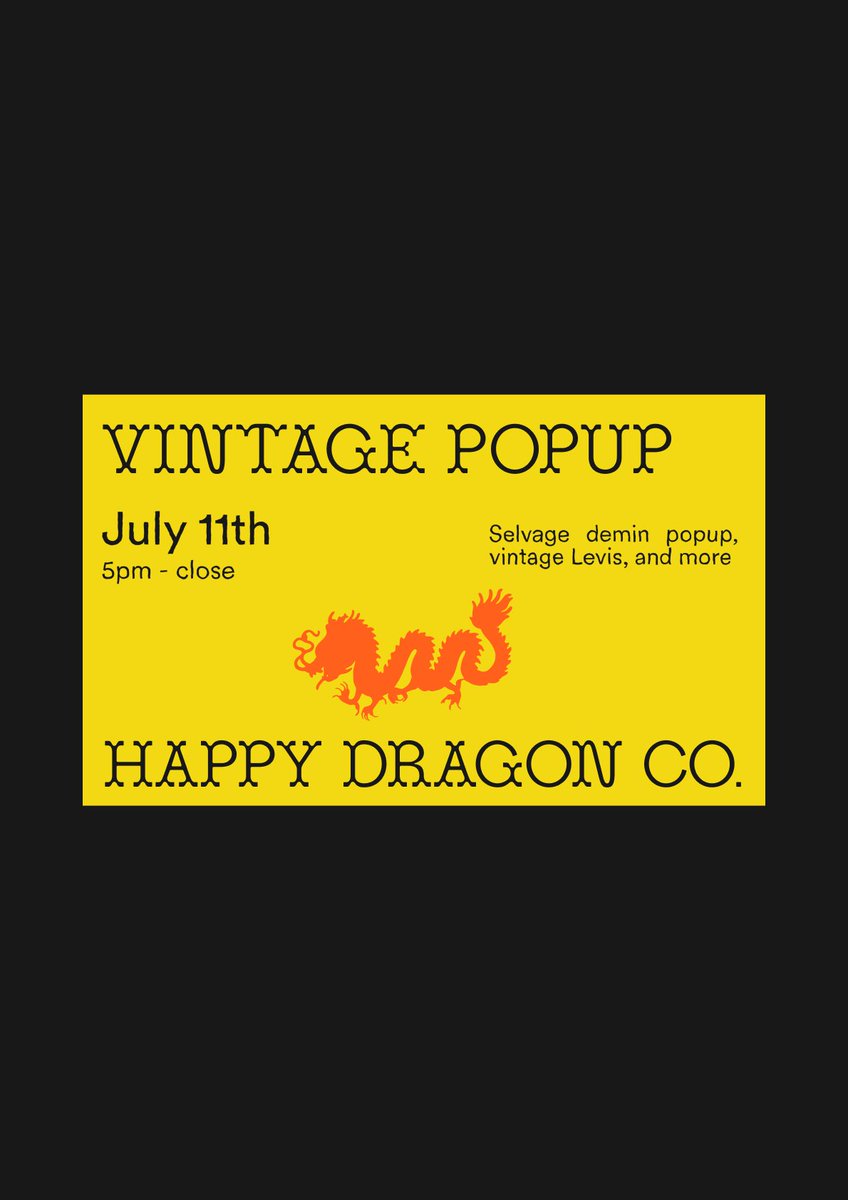
What's so cool is that classical graphic designers are making a comeback in the AI age.
Composites, posters, collages, brand shots that look convincing. The "Adobe" skills are rare again.
Every AI startup has the same landing page now, and the ones that stand out look like what Ayush's team is putting out for Cal.
If you want to build an agency that creates dope stuff like this, find good graphic designers and teach them interface design.
2027 is gonna be the year of graphic design.
Ramp started with a simple promise: help companies save time and money. Seven years later, it’s a $60 billion platform running the financial operations of tens of thousands of businesses, with more than $2 billion in annual revenue.
Now, Ramp is using AI not just inside its products, but to rethink how the company itself works.
On this episode of How to Build the Future, @tryramp co-founder and CEO @eglyman joins @garrytan to talk about the company’s journey from its earliest days and how AI has made some people at Ramp radically more productive. That shift led Ramp to rethink how work gets done across the organization, and Eric believes it could eventually let even large companies move with the speed of startups again.
00:46 — Eric’s First Startup
03:02 — How Paribus Began
05:39 — Finding the First 10,000 Users
08:17 — The Idea Behind Ramp
12:57 — Agents Need the Ability to Act
14:42 — Ramp’s Next Chapter
18:28 — Why AI Adoption Is So Uneven
20:24 — The Rise of the 100x Employee
24:28 — Inside Ramp’s AI Stack
27:07 — Getting the Rest of the Company to Catch Up
29:59 — Glass: Ramp’s Company Brain
32:32 — Teaching AI How the Company Works
36:49 — Can Big Companies Move Like Startups?
39:24 — What Cheap Intelligence Makes Possible
44:23 — When Anyone Can Ship Software
48:18 — Every Software Company Needs an AI Harness
49:45 — How Ramp Finds Great Builders
52:09 — The Power of Asking for Help
eleven years ago Karim and I were in YC S15 with an app that read your inbox, found receipts, and emailed stores asking for your money back when prices dropped. we’d applied twice. Garry was one of the people who bet on us.
Paribus could see waste. we were reading hundreds of millions of emails a day and knew exactly where people overpaid. but all we could do about it was write a polite note to customer service and hope. Ramp started from the opposite question: what if you were close enough to the money movement to actually stop it?
I didn’t expect to relearn that lesson inside our own company a decade later.
early this year, AI was breaking Ramp. a handful of people got 100x more productive and whole functions fell behind them. the teams using the least AI asked for the most headcount. it got bad enough that, while we were growing revenue 100%+, we stopped hiring for a quarter.
the problem wasn’t the models. it was the same problem Paribus had. most people could see what AI could do and couldn’t let it act. we’d tell someone in sales to use Claude Code, and the first question was “what’s terminal?” then: can it see our data? our Slack? our customers? no, no, and no.
so we connected it to everything. in Q2, 7,000 pull requests at Ramp came from non-engineers, mostly our CX team. two years ago that number was zero. a customer emails about a bug, the fix ships, and the customer gets a reply the same afternoon.
I think most of the economy is stuck in that same spot. business spend on AI tokens grew more than 5x from December to August. since then it’s gone a bit sideways, even as the models keep getting better and cheaper. model progress didn’t stall. organizations did. most companies are Paribus with AI. they can see everything and act on almost nothing.
that’s the best news I can give anyone starting a company today. the advantage isn’t access to intelligence anymore. it’s being willing to let it do the work.
thank you @garrytan, for this and for betting on two guys with a refund bot a decade ago.
ok some back story of why we built this benchmark:
1. i love design. designers can benefit so much from actually useful ai models. most models will get there within a few months.
i want to know which model is best to use for design, that’s why we are creating a gallery so I (and you) can see myself (yourself)
2. i want to see models evaluated on realistic, complex design tasks, not just landing pages. in frontier design, we now have handful of web app/mobile app prompts, but we will expand to more types of product/non-product design
4. i don’t believe “taste” is such a mysterious thing that models cannot learn. we curated a list of rubrics based on practical design principles to use as evaluation criteria. our analysis found that these rubrics’ grading is highly correlated with expert preference on model outputs. we will do some post training experiments on these rubrics
5. ai models have so many slop patterns! our team curated a list of slop patterns (with some serious data analysis pipeline to back it up). models improve and slop patterns change, so we will keep iterating on these
a really interesting part: we were able to identify some model specific slop patterns: claude likes to use right arrows ➡️ while gpt tends to use the super narrow top right arrow ↗️. stay tuned and we will share as we go!
6. i tried so many design skills and mcps but not sure which ones actually work. we will be working on this, and there’s gonna be some trajectory inspection involved
if you have any topic you are interested in please lmk!
design will look very different very soon. we do this for nothing but the love of design 💖
Too much talk of transhumanism recently.
Not enough talk of transhumance, the ancient nomadic practice of driving livestock to their high mountain pastures in summer.
Hi I'm Selena :) I used to be allergic to all protein and amid uncontrollable physical flare-ups, art gave me a sense of agency. Now I paint molecular cell biology bc it is the machinery sustaining life and I hope to preserve my childlike wonder of the universe alive in me for as long as possible. Exhibiting my portfolio https://t.co/hsFpvM12dW at @linear & @gumloop Design Gallery tmw! Luma in 🧵come check it out if ur free!
we put a lot of thought into how Devin Bots should show up. in a world where every platform has bots, we needed a form factor that was unique. every bot lineup has converged on blobs—but Cognition isn't a blob company! we're not whimsical, twee, hand-wavy—we're about applied intelligence, we're serious about engineering, but still know how to have fun. we needed a sharper, more tactile, but still friendly face.
in many ways Bots built itself—Bots generated shapes, expressions, thinking states, color palettes, marketing assets, variations, materials—but Devin Bots represent a shift in how designers work.... and it's not another blob! a colossal amount of thought, time and effort from the entire team. incredibly excited to be building the future of engineering with this crew
@_EricHu@josephhhhz@nicholasschrodr@bennettwhuffman@cleerview@nataliealmosa@kelvinzhg@LuisBizarro@monjinn @ice_cole_juice
New stripe press website launches today.
Truly a labor of love.
Came up with the concept for this website 4 years and in the last year revived and built it with @narrowd and friends.
You can read every page of every book, listen to audio book previews, change the lighting, and for the first time, purchase them directly from @stripepress.
A lot of the most successful people I know spent years of their life just bumming around, before they suddenly exploded into action and did something great.
I don't think that's a coincidence.
https://t.co/KT4vsg5txg