👉Cardiometabolic Disease: The Silent Pandemic We Keep Underestimating
1️⃣ Kills ~20 million people every year worldwide — twice as many as all cancers combined.
2️⃣ Accounts for ~31% of all global deaths, compared with ~16% for cancer.
3️⃣ Often strikes suddenly and without warning, frequently outside the hospital and before a diagnosis is ever made.
4️⃣ Cardiovascular disease, diabetes, and chronic kidney disease progress together, damaging multiple organs simultaneously.
5️⃣ The disease develops silently over decades, making prevention and early intervention essential.
6️⃣ The annual global economic burden exceeds US$4.7 trillion, nearly 4 times greater than that of cancer.
7️⃣ The greatest opportunity in modern medicine is not treating late disease—it’s identifying high-risk patients early and preventing the first event.
8️⃣ A patient-centered cardiorenometabolic approach has become one of the most important public health priorities of our time.
☝️Bottom line:
Cardiorenometabolic disease is not just the leading cause of death—it is the leading cause of lost healthy life and healthcare costs worldwide. Prevention can no longer wait.
@society_eas@nationallipid@escardio@fhpatienteurope@ACCinTouch@AHAScience
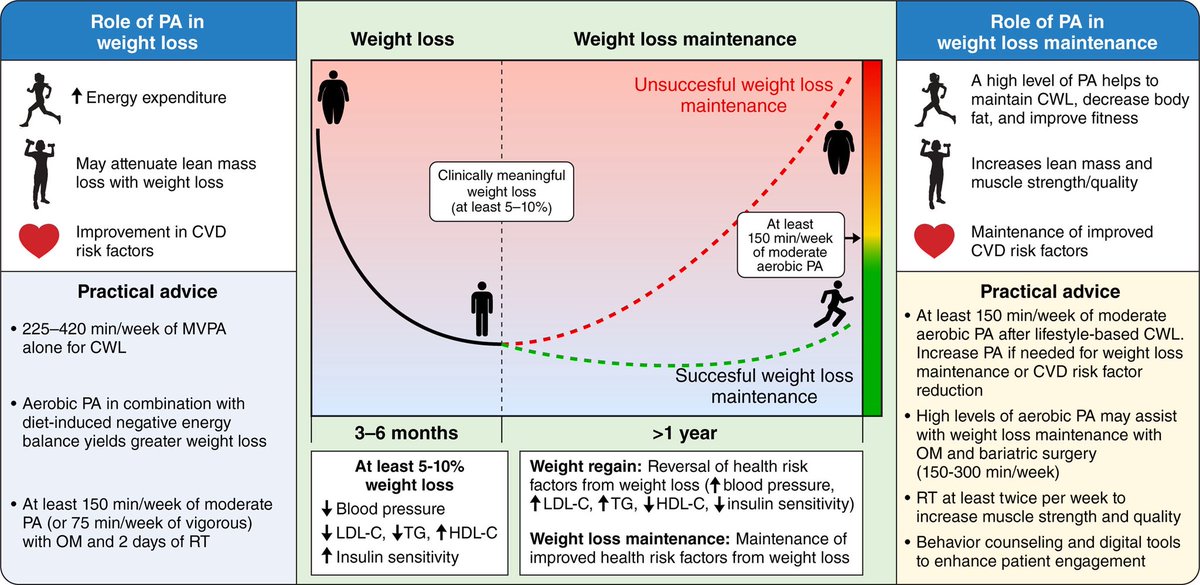
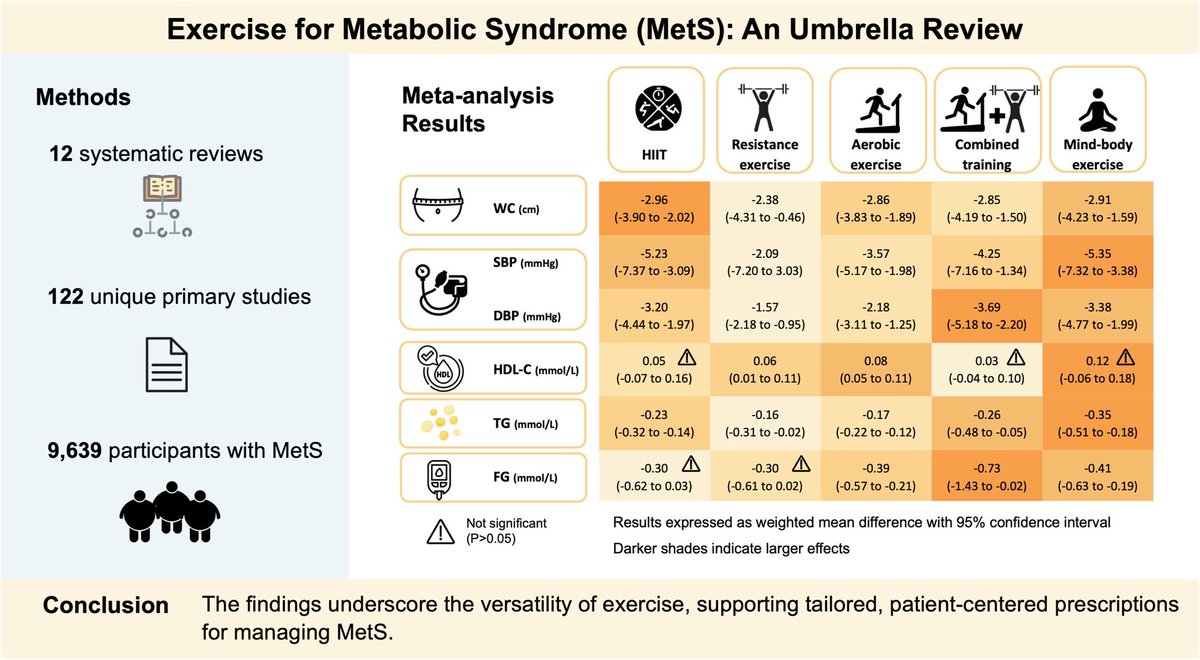
Role of Physical Activity in Obesity Treatment and Cardiometabolic Health: A Scientific Statement From the American Heart Association
https://t.co/zg2Ao3WND5
“Exogenous lactate” field is heating up - it seems!
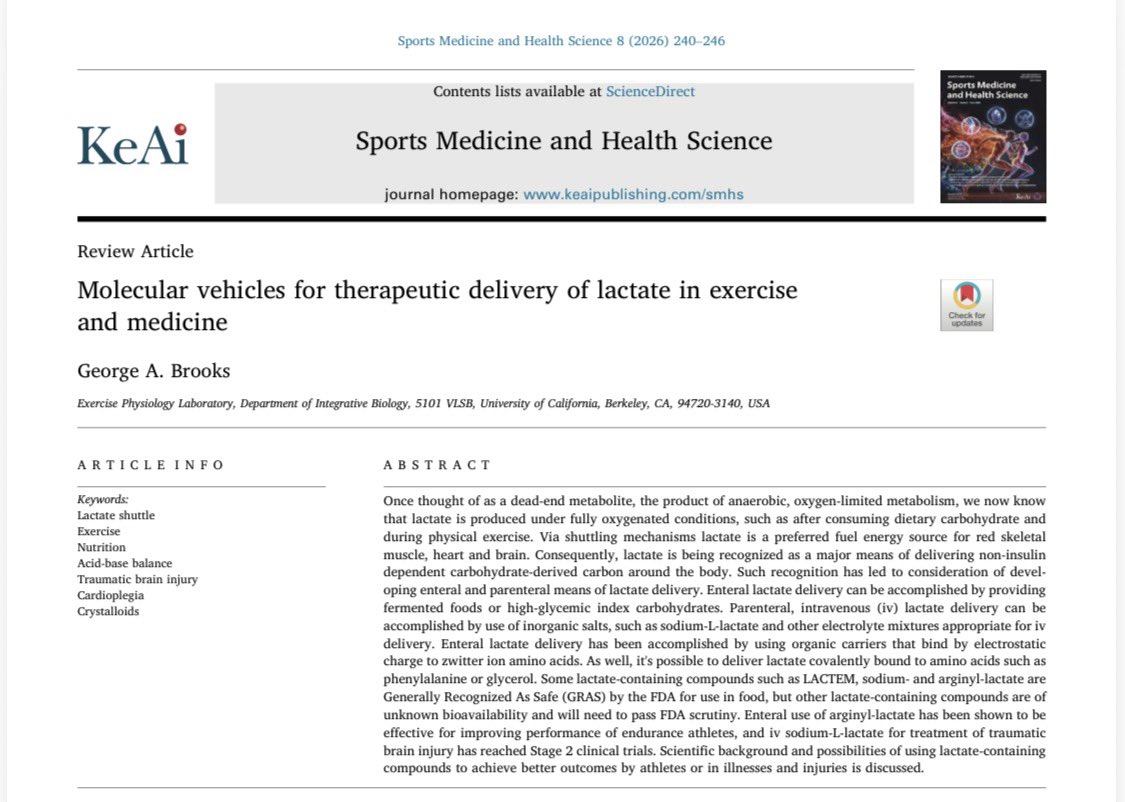
Check the latest paper published by George Brooks, father of modern lactate understanding, addressing the main gap in Exogenous Lactate administration: exogenous delivery.
Molecular vehicles of Lactate: https://t.co/hSfXFyi3rz
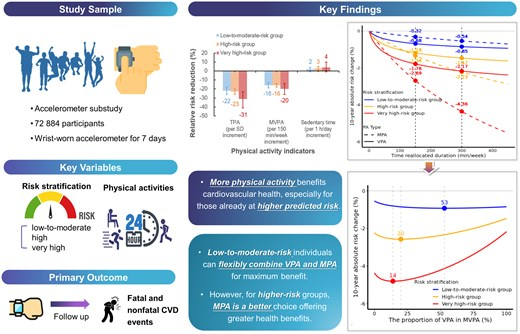
See the latest report from the WHO meetings on integrating wearables into global physical activity surveillance, available to read online now:
https://t.co/jRYFyGN733
New evidence on short-bursts of activity and lower type 2 diabetes risk among non-exercises: A clear dose–response. Even ~4 min/day of vigorous intermittent lifestyle activity (VILPA) is linked to ~36% lower type 2 diabetes risk [1/2]
https://t.co/LDjv2bvtY0
This paper from the UCI project sports nutrition for road cycling is now available! https://t.co/6n8Bj96jes
I posted a summary here: https://t.co/coa452kQRG
Exogenous Lactate - effects on Fat Oxidation and Glycogen Synthesis.👇🏼
Very interesting study carried out in rats:
“… lactate supplementation may increase fat utilization as well as induce positive effects on glycogen synthesis in athletes.”
https://t.co/Ys9WWKD9G7
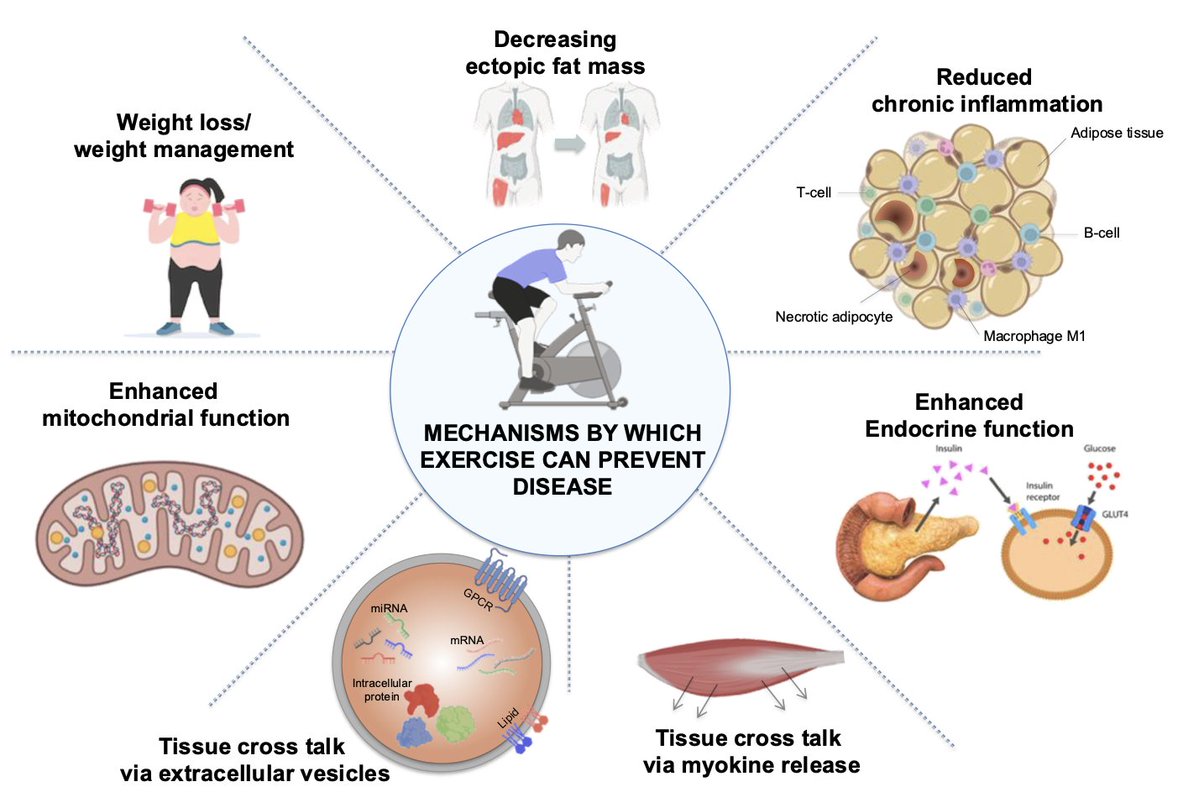
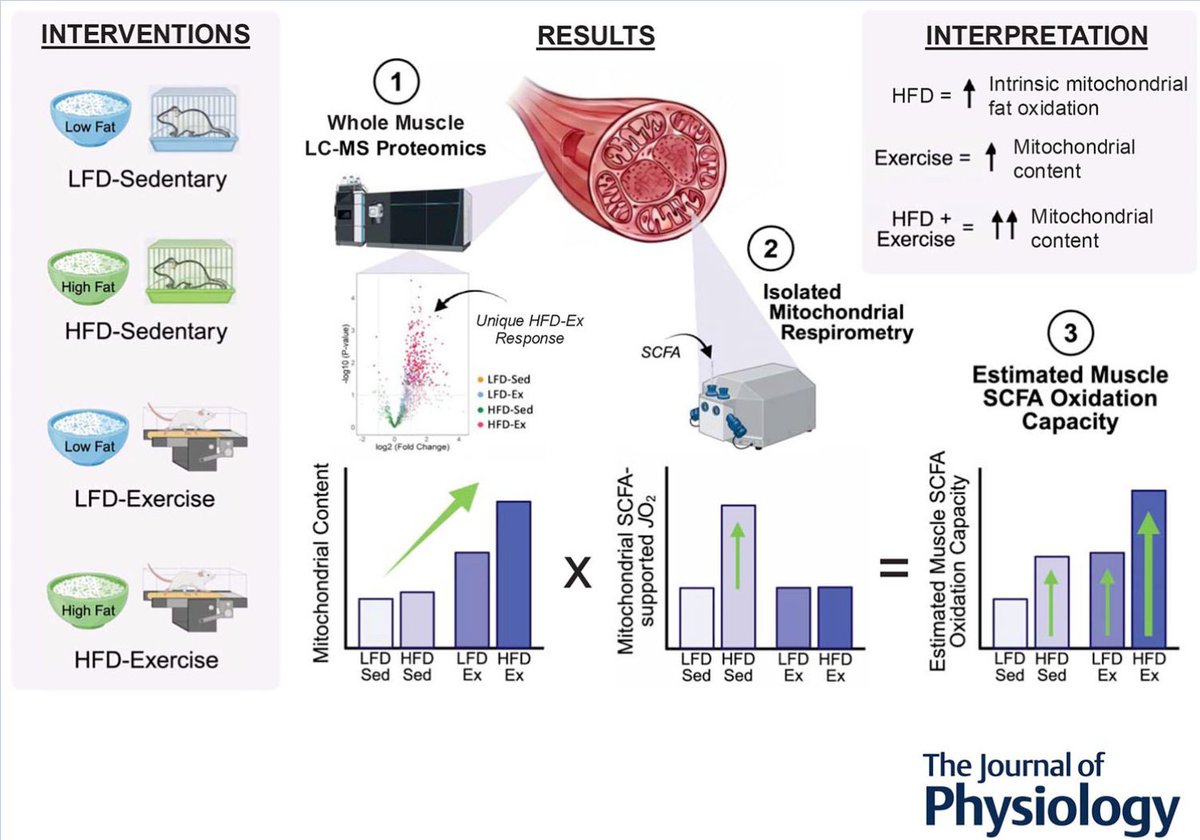
Exercise training induces mitochondrial biogenesis, while high-fat diet increases the ability of mitochondria to use long and short-chain fatty acids https://t.co/wVNqbOeTi0
Once again shedding doubt on the concept of “metabolically healthy obesity”, this one found that children aged 7 to 17 years with metabolically healthy obesity have an increased associated long-term risk of type 2 diabetes, hypertension, and dyslipidemia compared with their peers in the general population.
In this study, a 12-week multiple behaviour change intervention aimed at reducing sedentary time was associated with modest improvements in cardiac autonomic function, muscle oxidative capacity and functional exercise capacity, improvements that were largely linked to increases in moderate-to-vigorous physical activity.
New in @Cell_Metabolism : Lactate isn’t waste—it’s a key circulating fuel, tightly regulated between production and clearance, essential for whole-body energy balance.
https://t.co/siUTsQgYmI