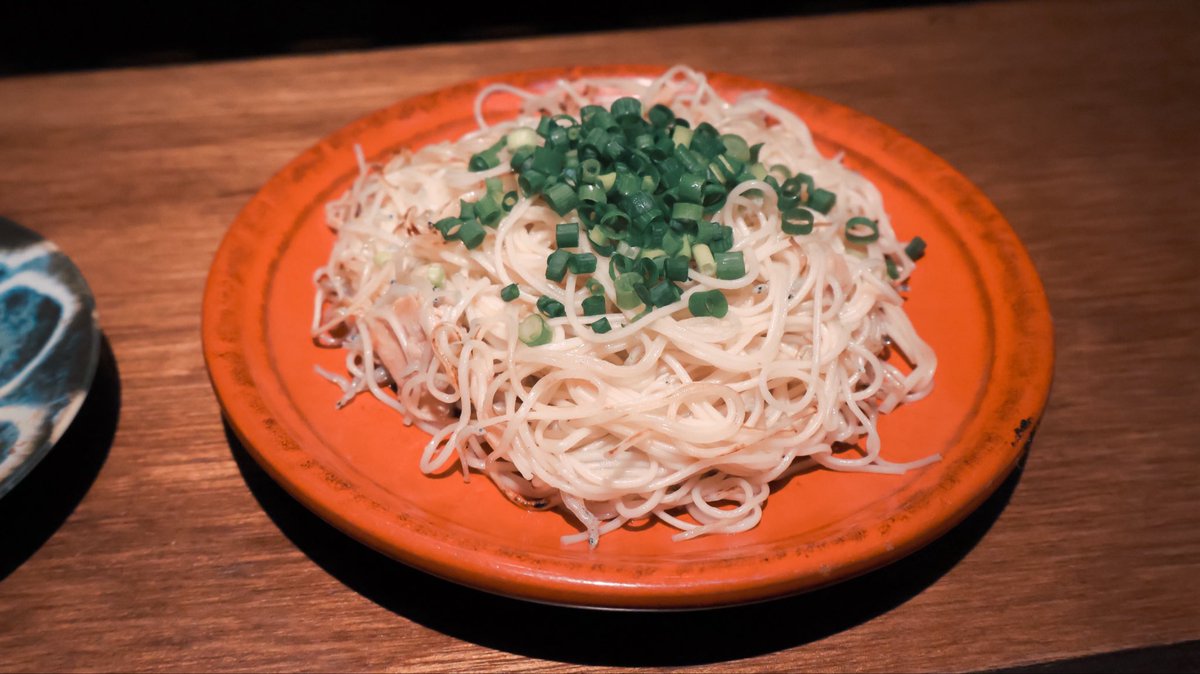
上次到東京,跟朋友吃了位於東京虎之門之丘商務大樓3樓「虎之門橫丁」內的沖繩料理餐廳 Ryukyu Chinese Stand TAMA(琉球中華TAMA)。 很是驚艷!素麵調味後也非常好吃!
餐廳特色 -
融合料理:結合沖繩料理、中華料理與台灣小皿料理。
清爽健康:主打無添加與無農藥食材,呈現溫潤順口的家常風味。
This 50-minute lecture by Jeff Bezos will teach you more about business than a 2-year MBA program.
Bookmark it and give it 50 minutes today, no matter what.
Instead of watching 1 hour of Netflix today, watch this Stanford lecture by ex-GoogleBrain & OpenAI engineers.
This is the best explanation of how LLMs like ChatGPT & Claude actually work, and how to unlock 100% of their potential.
Worth watching whether you're a senior AI engineer or just taking your first steps in AI.
I took the key ideas and turned them into a practical guide for getting 100% out of AI.
You can find it below with ready-to-copy prompts and solutions.
instead of watching 2 hours of Netflix tonight, watch this Stanford lecture
it's the clearest explanation I've seen of how ChatGPT and Claude actually work
useful whether you've never touched AI in your life or have been using it every day for the past year
I took the key ideas and turned them into a practical guide on how to actually get 100% out of Claude
find it below
24 Hours giveaway 🚨
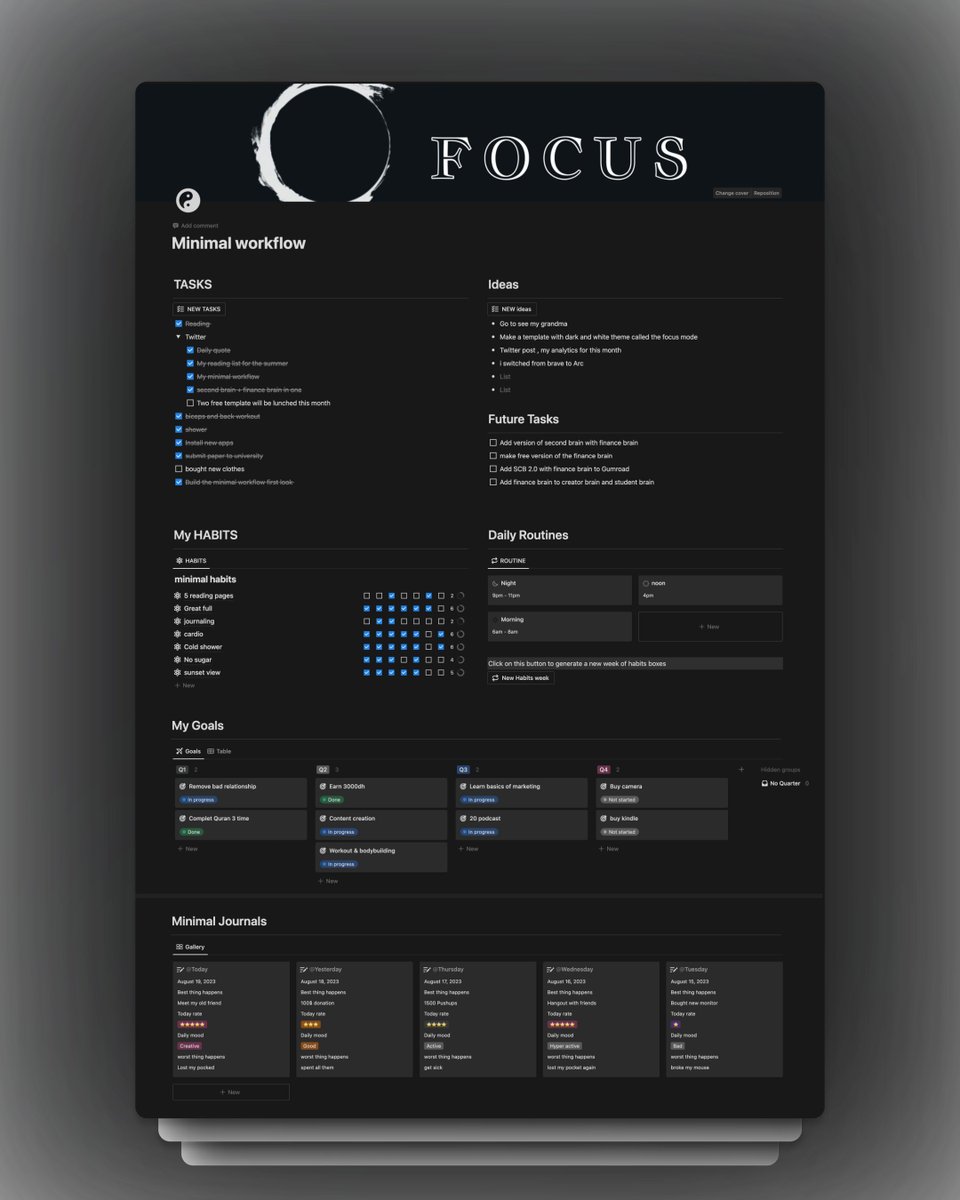
Iman Ghadzhi developed the MONK MODE system to help you stay productive
I transform this idea into a practical Notion template to help you be organized
To get it:
1. Like
2. Follow me
3. Retweet & Comment "FOCUS "
Why @obsdmd is 100% user-supported and not backed by VC investors:
1. We want to stay small, we don't need to hire lots of people
2. We follow strict principles that we do not want compromise
3. Our users are happy to support us, we don't need VC money
Obsidian will not exist forever, no app will. However, the files you create in Obsidian are yours, and can hopefully last for generations. VCware is built with a five year horizon, it is not built to live on for decades.
Many startup founders raise VC money because they need the upfront capital to build their product, or they see it as a shortcut to growth. For some products the capital truly is necessary, but too often it's fueled by impatience and the inertia of Silicon Valley.
In the short term, VCware tends to subsidize pricing to acquire users. It's easier to grow if your product is cheap or free. But this generally comes at the cost of hoarding user data, and locking in customers. Once you're in you can't get out.
To keep raising money, VCware must paint an increasingly enormous vision of their future, which becomes impossible to live up to. This leads to increasingly disparate priorities that gradually make the product worse. What starts off as a useful app become burdened with crap.
Eventually all VCware must exit. That means being acquired or going public to pay back investors. It's expected that 9 out 10 startups will fail. That's just part of the math in a VC portfolio. The startups that have big exits pay for the ones that fail.
It is now possible for tiny teams to make principled software that millions of people use, unburdened by investors. Principled apps that put people in control of their data, their privacy, their wellbeing. These principles can be irrevocably built into the architecture of the app.
Principled people have always been able to make principled software. The difference is that now you need far less money and far fewer employees to reach far more customers. That wave is only just beginning.
If you have principles and enough patience, being 100% user-supported is by far the most fun way to build.