After almost a decade, I have made the decision to leave OpenAI. The company’s trajectory has been nothing short of miraculous, and I’m confident that OpenAI will build AGI that is both safe and beneficial under the leadership of @sama, @gdb, @miramurati and now, under the excellent research leadership of @merettm. It was an honor and a privilege to have worked together, and I will miss everyone dearly. So long, and thanks for everything. I am excited for what comes next — a project that is very personally meaningful to me about which I will share details in due time.
I was trying to hold off on posting any videos of the CyberTrax until we had the full YouTube video ready to go but I’m impatient and really just wanna share it with you right now, so here ya go….enjoy 😎
Huge thanks to the folks at @teslamotors for being so cool and supportive of this project. They have helped us with many tech questions and other random stuff that has really boosted my overall opinion of the company. Bottom line: they appreciate cool stuff just like we do and they earned my support and respect 💯 #cybertrax #cybertruck
@teslamotors @supercar_ron@sparks_motors @helltraxx @bajadesigns@elonmusk
Did you know?
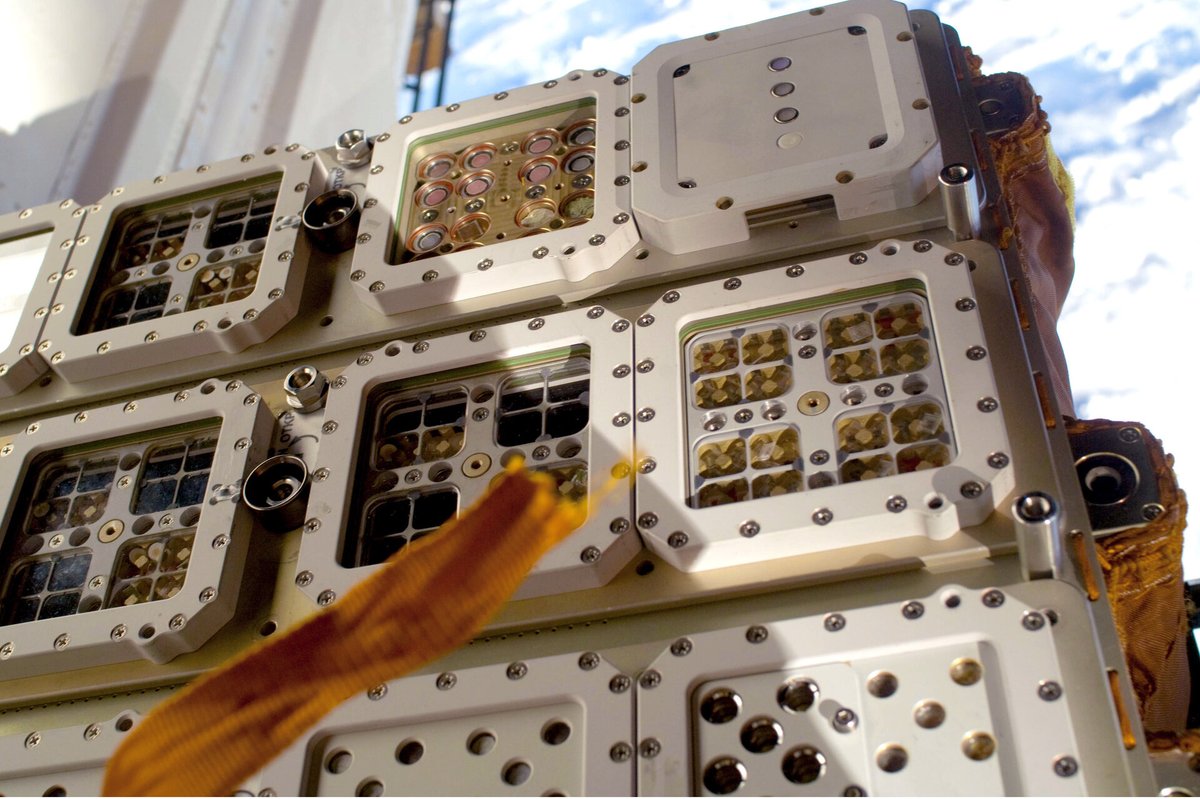
Lichen survived 18 months attached to outside of International Space Station.
When lichens were attached to the outside of the International Space Station for 18 months they survived the vacuum of space, no water, extreme temperatures and the full onslaught of radiation and ultraviolet rays from the sun, and carried on photosynthesising.
In fact, lichens can cope with radiation 12,000 times the lethal dose for humans and still carry on photosynthesising, although their reproduction can be harmed. However, bacteria given the same treatment died. There is even a thought that life on Earth, or any other planet, could conceivably have been spread through space by lichens hitching a ride on meteorites, comets or asteroids.
Ten months ago, we launched the Vesuvius Challenge to solve the ancient problem of the Herculaneum Papyri, a library of scrolls that were flash-fried by the eruption of Mount Vesuvius in 79 AD.
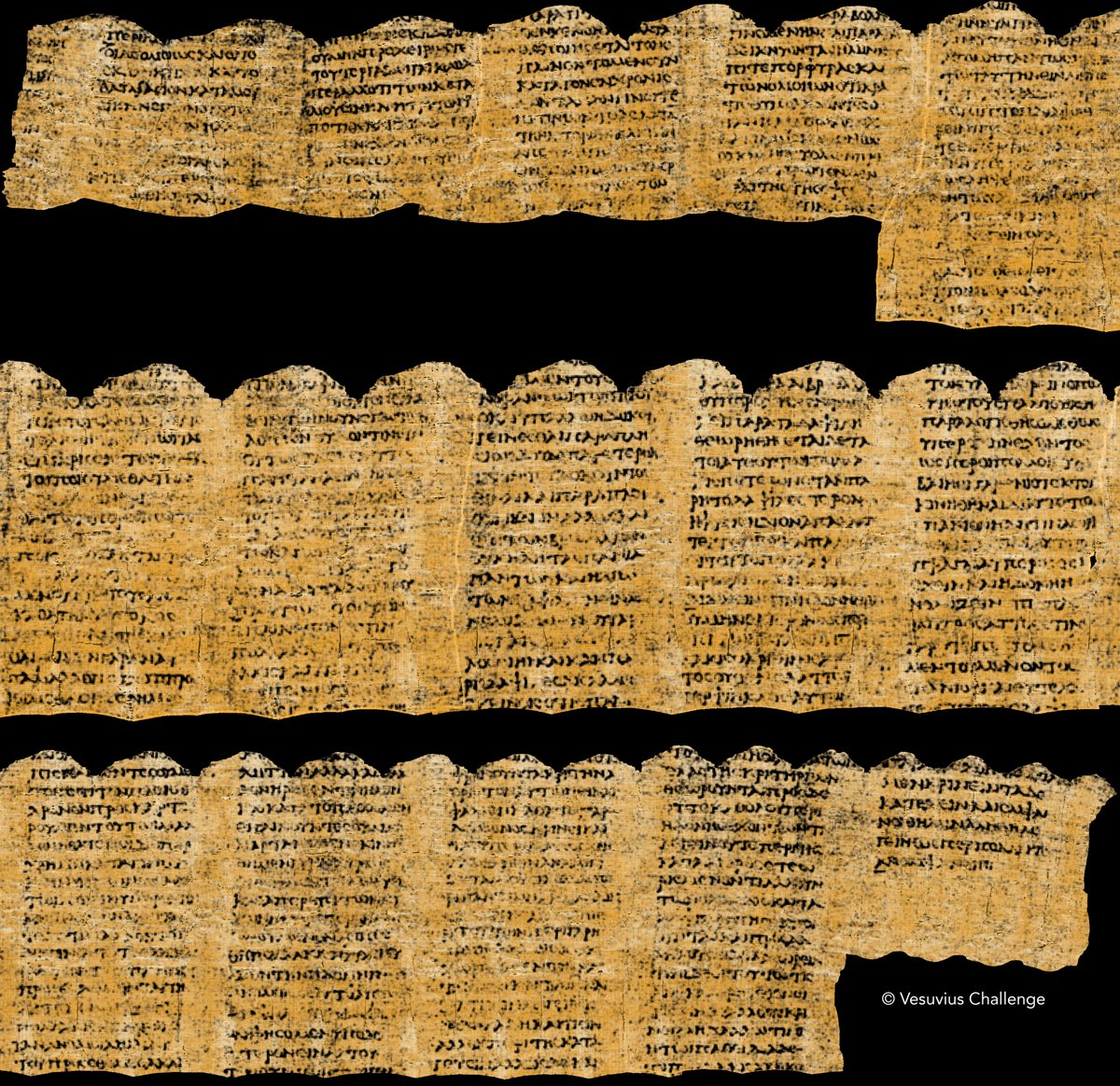
Today we are overjoyed to announce that our crazy project has succeeded. After 2000 years, we can finally read the scrolls:
This image was produced by @Youssef_M_Nader, @LukeFarritor, and @JuliSchillij, who have now won the Vesuvius Challenge Grand Prize of $700,000. Congratulations!!
These fifteen columns come from the very end of the first scroll we have been able to read and contain new text from the ancient world that has never been seen before. The author – probably Epicurean philosopher Philodemus – writes here about music, food, and how to enjoy life's pleasures. In the closing section, he throws shade at unnamed ideological adversaries – perhaps the stoics? – who "have nothing to say about pleasure, either in general or in particular."
This year, the Vesuvius Challenge continues. The text that we revealed so far represents just 5% of one scroll.
In 2024, our goal is to from reading a few passages of text to entire scrolls, and we're announcing a new $100,000 grand prize for the first team that is able to read at least 90% of all four scrolls that we have scanned.
The scrolls stored in Naples that remain to be read represent more than 16 megabytes of ancient text. But the villa where the scrolls were found was only partially excavated, and scholars tell us that there may be thousands more scrolls underground. Our hope is that the success of the Vesuvius Challenge catalyzes the excavation of the villa, that the main library is discovered, and that whatever we find there rewrites history and inspires all of us.
It's been a great joy to work on this strange and amazing project. Thanks to Brent Seales for laying the foundation for this work over so many years, thanks to the friends and Twitter users whose donations powered our effort, and thanks to the many contestants whose contributions have made the Vesuvius Challenge successful!
Read more in our announcement: https://t.co/rUlrdGXBMs
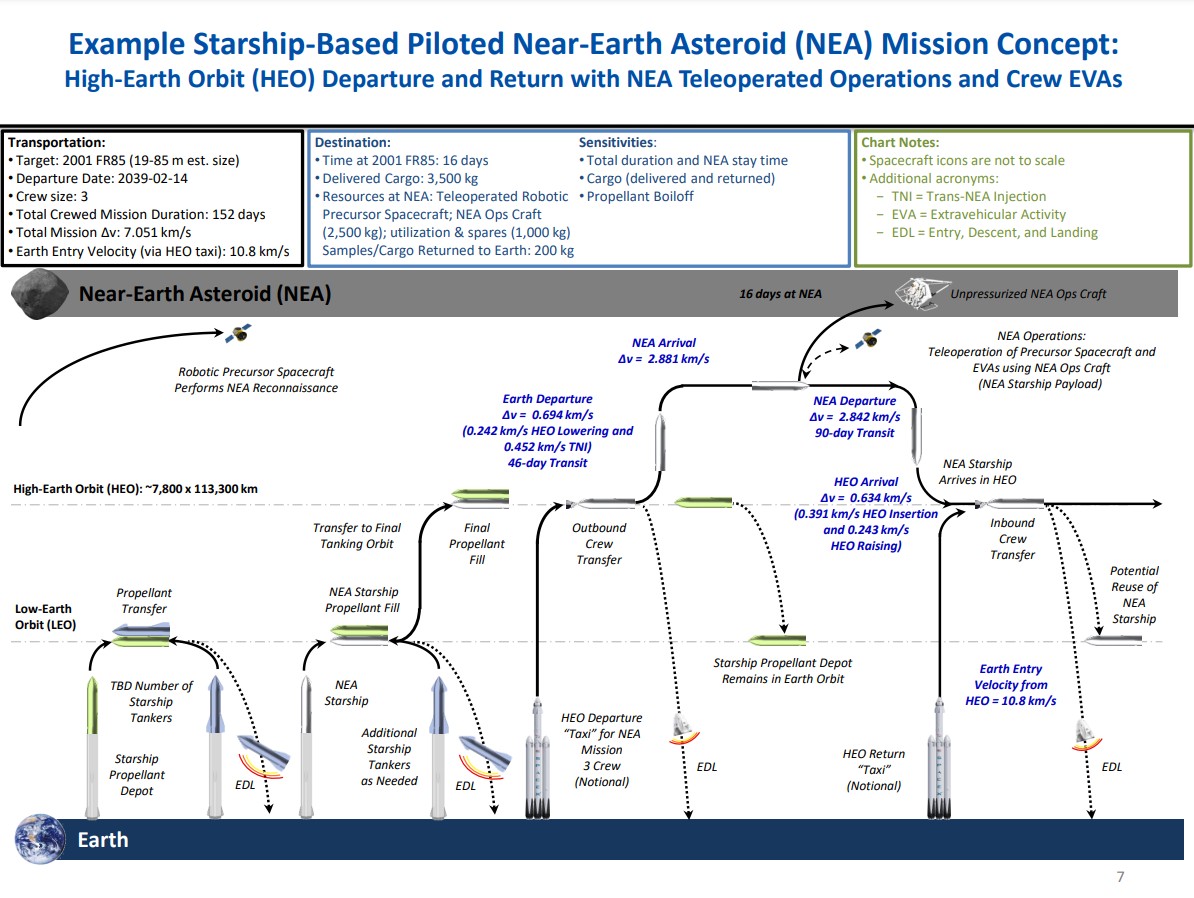
NASA's Asteroid mission is reborn! But this time with Starship, and a crew of three on a 150-day mission to a near-Earth asteroid.
https://t.co/NmT1h5RTQg