Looking for hair growth? Studies show Piroctone Olamine outpaces Ketoconazole by boosting hair in the growth phase (+7.9% vs +4.9%) and increasing hair shaft diameter (+7.7% vs +5.4%) over 6 months.
Bonus: Salicylic Acid clears the waxy sebum block so it actually grows #HairCare
Most people think of nutrient deficiency as binary (either you have it or you dont).
Brin described it in 1964 actually as a 5 stage cascade. B1 was used in the example but I like the idea of applying it more broadly across micronutrients.
First your tissue stores deplete (stage 1). Nothing shows on any standard test. Then enzyme activity drops. For B1 that would mean PDH slows and krebs cycle throughput falls (stage 2). This IS actually detectable on functional testing like Metabolomix+/NutrEval/OAT. But still no symptoms - so at this stage conventional medicine still has no idea of whats going on.
Then you start feeling off. Energy dips, cognition shifts, sleep quality drops (stage 3). You go to your doctor. Bloods come back "normal" cus of their shitty illness based ranges (not age-adjusted optimal values) & because they're not looking at what Brin mapped 60 years ago.
Stage 4 is clinical disease. For B1 thats beriberi, neuropathy, cardiac issues. Stage 5 is structural tissue damage - Wernicke's encephalopathy.
The centralized system operates at stages 4 and 5. It waits until things break then try to manage the damage.
Health optimization targets stages 2 and 3 using clinical metabolomics. You can literally see the biochemical discrepancies happening before it ever becomes pathology. This is what is means to optimize for cellular function > organ level based medicine.
The same 5 stage progression plays out with magnesium, zinc, B2, B3, CoQ10, copper. The staging is the same. The downstream disease label just changes depending on which tissue and which cofactor we are talking about (should sound familiar if youve read my post on Doug Wallace's work).
There have been some other frameworks developed along the same lines but it is incredibly useful staging framework to explain to people why "your labs look normal" doesn't actually mean much when trying to improve healh.
Below is an image from a lecture Dr Ted Achacoso gave on Health Optimization.
Making Sense of the PREVENT Equations: A Practical Look at Modern Cardiovascular Risk Prediction
Risk prediction remains a cornerstone of preventive cardiology, but the tools are becoming more complex.
The AHA PREVENT equations represent an important advance, expanding risk estimation beyond ASCVD to total cardiovascular disease and incorporating elements of CKM as well as social drivers of health.
In a new @AJPCardio study, @HeartDocSadiya and team systematically examined how different combinations of age and risk factors influence predicted risk using the PREVENT equations.
https://t.co/36hwQr4EVe
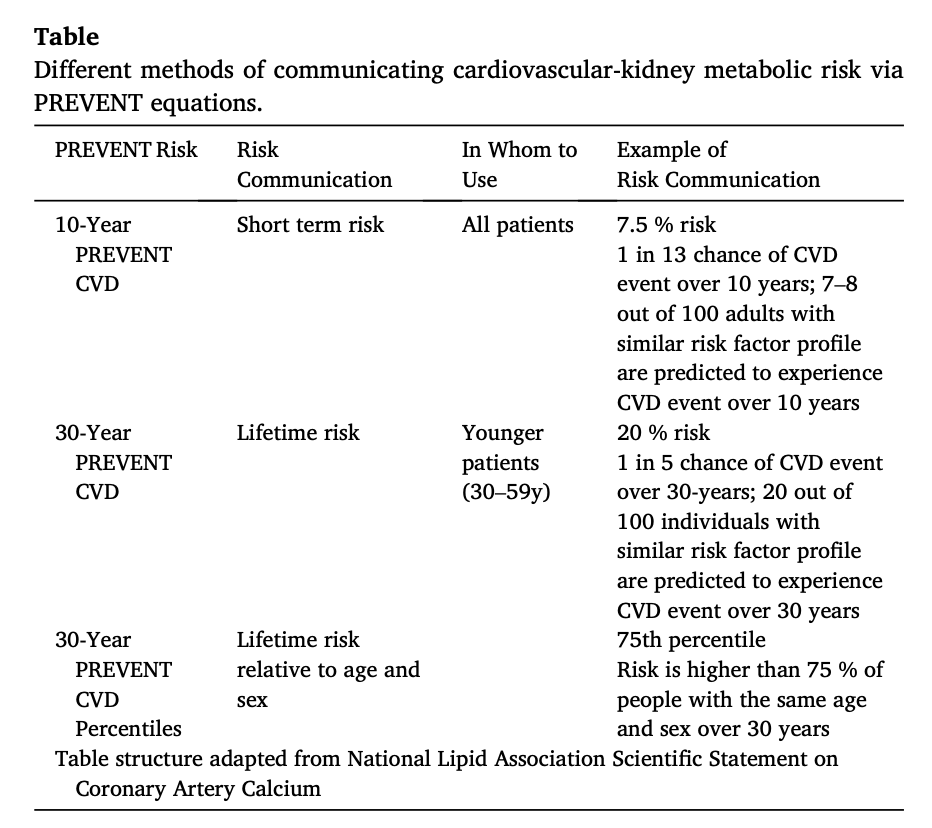
By simulating clinical profiles across clinically meaningful ranges, they identified when individuals cross important thresholds such as the 7.5% 10-year CVD risk used to guide preventive therapy.
1. The findings highlight while age remains a major driver of risk, CKM factors add meaningful heterogeneity. For example, individuals with diabetes and stage 3 CKD may exceed treatment thresholds decades earlier than those with otherwise average risk profiles.
2. The analysis also reinforces the value of 30-year risk estimates, which can identify younger individuals with substantial lifetime vulnerability.
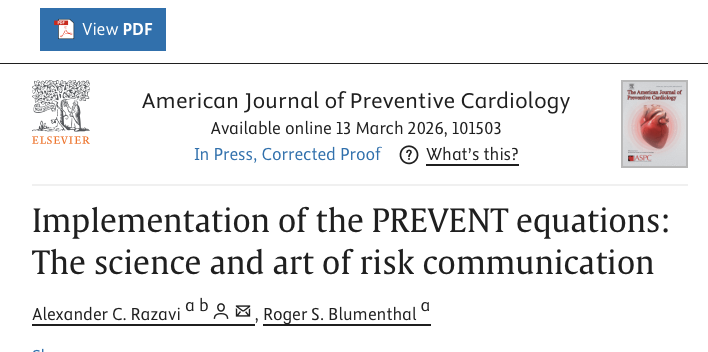
The accompanying editorial by @AlexRazavi and @rblument1 reminds us that risk scores are not only about prediction, but about communication. Translating risk estimates into meaningful patient conversations....and potentially complementing them with tools such as CAC imaging....will be essential for effective implementation.
https://t.co/AsfQNMJ1S9
As prevention frameworks continue to evolve, work like this helps translate complex risk equations into something clinicians can apply in everyday practice.
@ASPCardio@ACCinTouch@CiccaroneCenter@DrMichaelShapir@DrMarthaGulati
Your ankle is a window into your heart.
A new study found that patients with a thickened Achilles tendon were nearly twice as likely to experience a major cardiovascular event within three years of a coronary stent procedure.
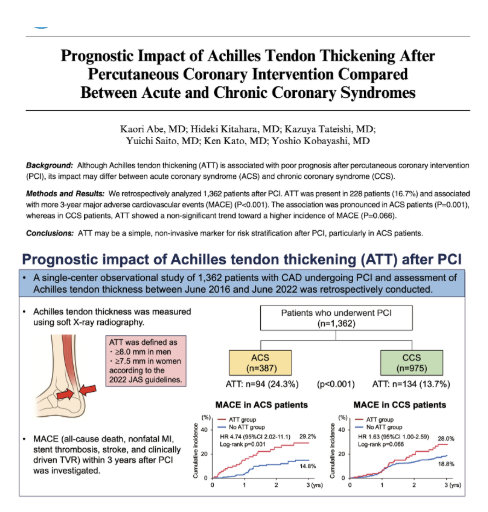
An observational study retrospectively compared outcomes for 1362 participants with coronary artery disease undergoing PCI, examining differences between patients with and without Achilles tendon thickening (defined as ≥8 mm in men or ≥7.5 mm in women).
Patients with thickened Achilles tendons faced a 99% higher risk of major adverse cardiovascular events (MACE) over three years (28.4% vs 17.9% for those with and without thickening, respectively).
(MACE was defined as all-cause death, nonfatal myocardial infarction, stent thrombosis, stroke, and clinically driven target-vessel revascularization.)
Thickened Achilles tendons were more prevalent in patients with the more severe, rapidly developing, and less stable acute coronary syndrome (ACS) (24.3% had thickened tendons) compared to patients with the more stable chronic coronary syndrome (CCS) (13.7% had thickened tendons).
Among ACS patients, having a thickened Achilles tendon was a significant predictor, increasing the risk of a recurring major cardiovascular event within the next three years by 4.7 times.
The findings suggest that Achilles tendon thickening may serve as a prognostic marker in patients with cardiovascular disease, with special value in predicting early recurrence of major adverse cardiovascular events in patients with acute coronary syndrome.
While the analysis did not include blood cholesterol levels and does not establish causation, one plausible explanation is that Achilles tendon thickening reflects cumulative exposure to elevated LDL cholesterol over many years. This may be especially relevant in familial hypercholesterolemia, a genetic disorder characterized by markedly elevated LDL cholesterol, in which Achilles tendon thickening is also used as a diagnostic criterion.
Some H2 blockers with less side effects are well tolerated. However the menace is due to overprescription and OTC avilability, education is the best way, as here you go.
🧵 The "Acidity Pill" Trap: A Silent Health Crisis?
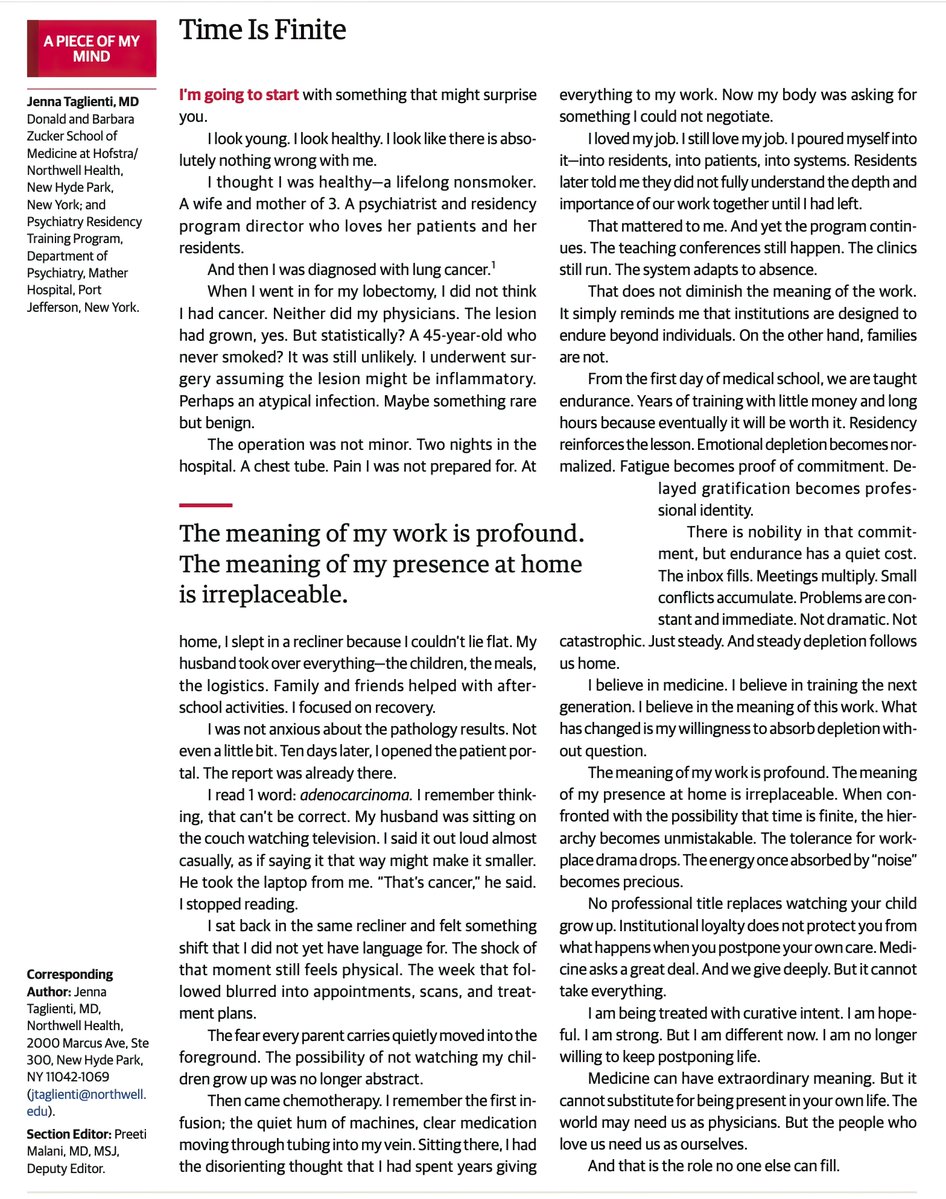
That daily antacid you pop for "gas" or heartburn might be doing more than just stopping the burn. As a neurologist, I see the long-term fallout of over-the-counter (OTC) drug misuse every day.
Let's talk about the hidden risks of PPIs (Omeprazole, Pantoprazole, etc.). 👇
After reversing insulin resistance in hundreds of patients, I found one dietary change that moves the needle faster than anything else.
It’s what you eat for breakfast.
Here’s why breakfast is your most powerful metabolic lever:
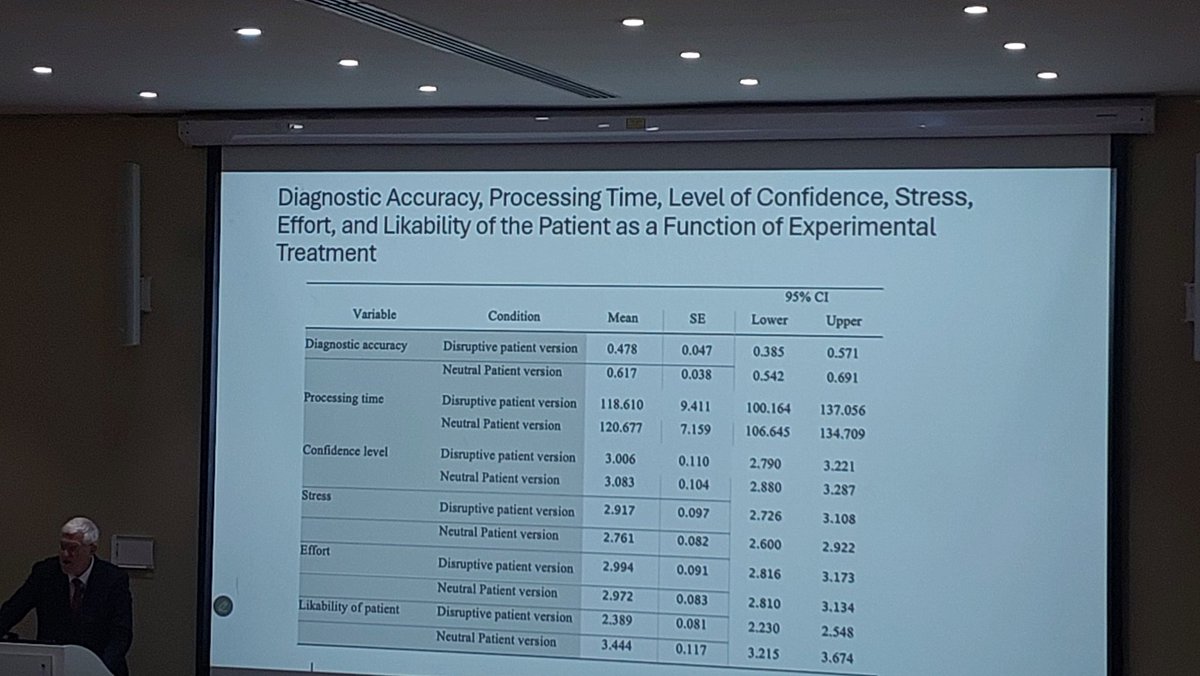
More assessor, overall judgement is where WBA works, nothing else. Checklist also work?. Norcini J, Burch V. Workplace-based assessment as an educational tool: AMEE Guide No. 31. Med Teach. 2007 Nov;29(9):855-71. doi: 10.1080/01421590701775453. PMID: 18158655.
1.Student expect test, so plan expected test,
2.Without concept retrievel technique (CRT) like somatic network, learning will not initiated. (Making for one session one)
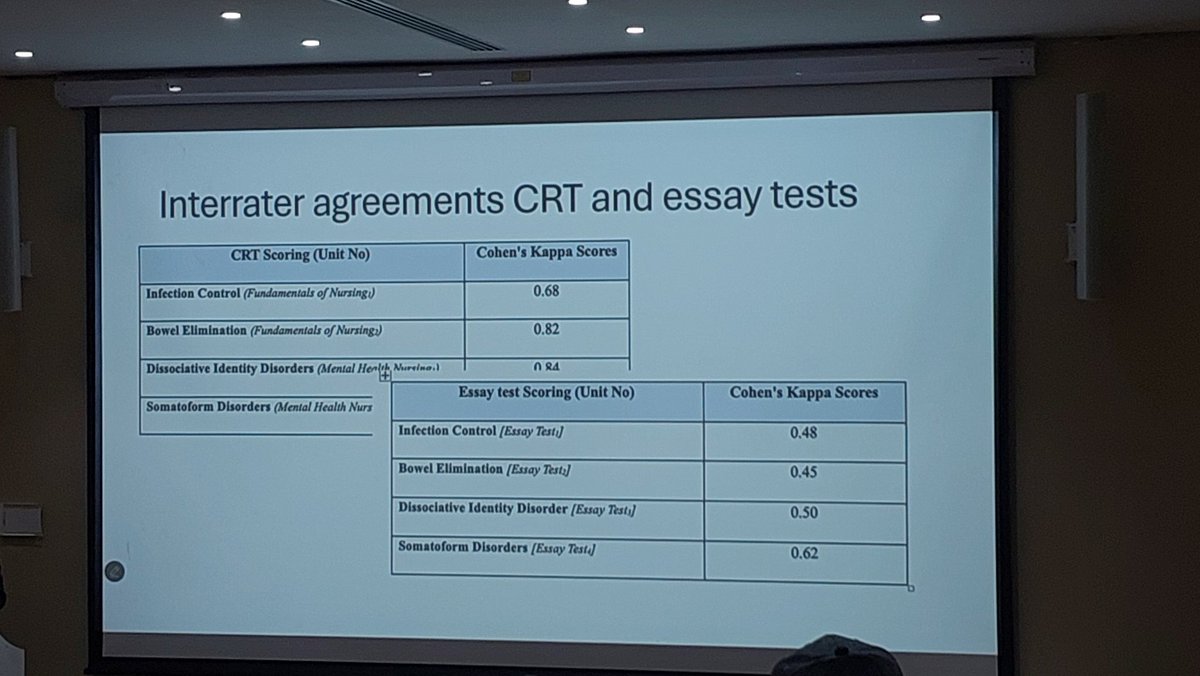
3. CRT is reliable with mcq high, lower in essay
4. Validity is higher in essay test, not mcq test for CRT.
Kindness is peak human performance and high status.
Kindness requires metabolic abundance: the capacity to override primal impulses, regulate emotions, and extend empathy.
Meanness is dirty energy: high cortisol, inflammation and an exhausted executive function.
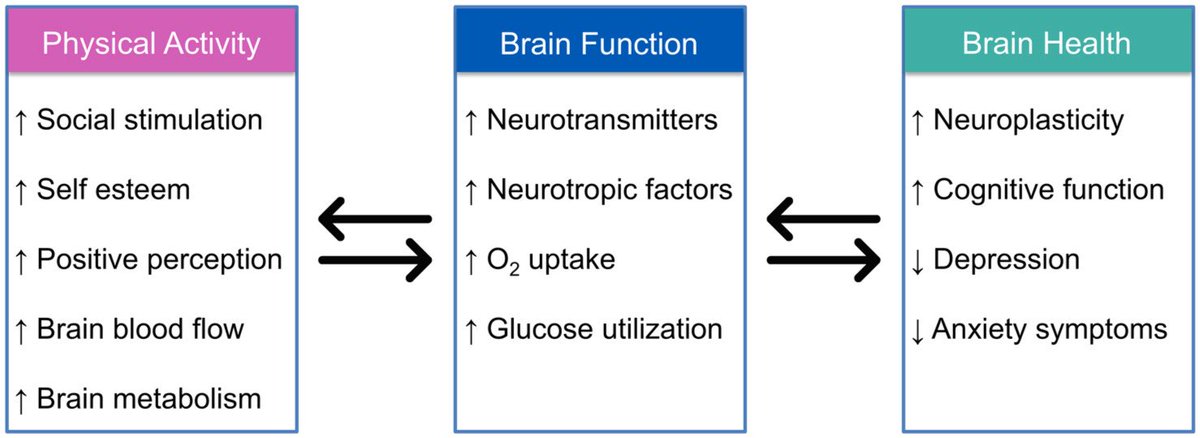
Short bout exercise or physical activity impact are on health are still in research. But initial results are promising. Our ancestors were used to SBPE.
Stop sitting all day and take short 'exercise snacks' for lower mortality risk
In a 2022 study, 3x 1-min 'exercise snacks' a day was associated with a 38-40% lower risk of all-cause mortality and cardiovascular disease mortality by 48-49% compared to no 'exercise snacks'
The benefits were even greater in those who took up to 10-11 bouts of 'exercise snacks', yielding a 55% reduction in all-cause mortality risk.
Study: https://t.co/IHVTXZj8VI
Video with more small habits to supercharge your health: https://t.co/im5cj0Mnng