As 2021 comes to an end, here is a 🧵 about a study we did about terrestrial mammal diversity in Colombia (Summary in Spanish: https://t.co/9rzfIMUu7A). I would also like to highlight a personal achievement I am honoured to have received this year 1/n
We are excited to share our new #openaccess paper in @consbiog titled “Integrating multiple data sources to develop range and area of habitat maps tailored for local contexts” 🦜🗺️ (🧵)
https://t.co/AxfCiTY5sN
🌍🌿How does urbanization shape the beauty of #nature? Our latest study reveals that landscape changes can diminish the charm of birdlife (favours larger, less colorful & melodious species), impacting how we connect with nature🐦🎶 #conservation
🔗https://t.co/bqmsFP9RSb
I am excited to share my @TEDTalks for @TEDxSantaCruz on the idea of birdwatching tourism as a way to support conservation and economic development in rural parts of tropical countries. Enjoy! (short 🧵to follow) https://t.co/3avbbZwPYA. Share widely 👀🐦⬛🐦
My first, first author paper is out now with @fsuarezca@DocSlinky @daniteixeira___ @franshel65 🥳
We reviewed studies connecting sound to the environment, identified research gaps & proposed questions to advance #ecoacoustic theory https://t.co/uEymXyAYB2
Our new paper describes the 1,150 species we found in our urban backyard in @brisbanecityqld over 1yr. Trees, shrubs, & weeds (instead of manicured lawn) provided lots of habitat for a shocking amount of wildlife on an urban lot https://t.co/xqpCHWYV93 in @ESAEcology
How can improved sanitation benefit coral reefs? These sectors are often siloed, but we developed a spatial framework to assess where we can maximise win-win solutions.
https://t.co/nwdV48omFl
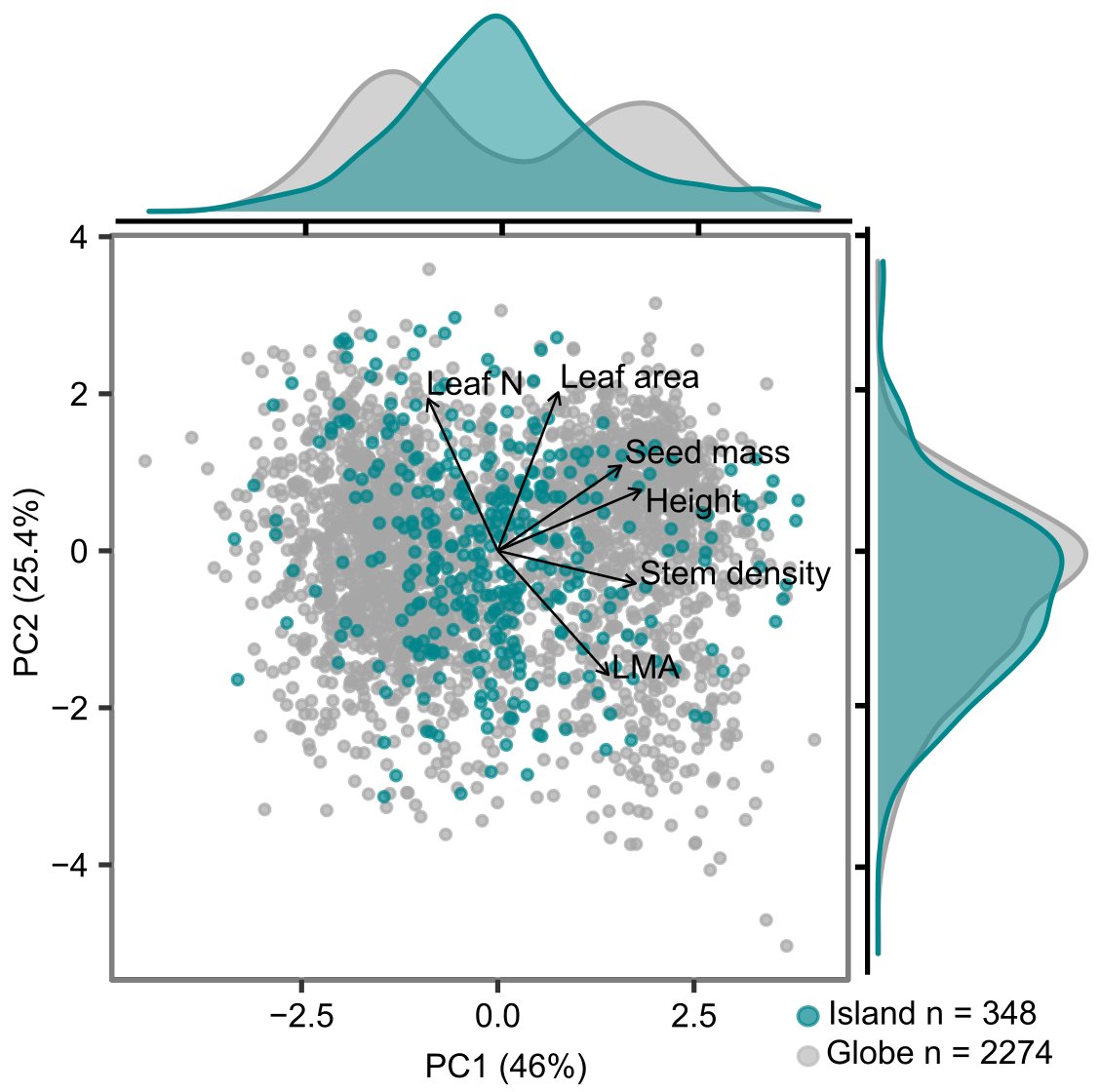
Are plants on volcanic islands functionally similar to other plants on the globe? 🌳🌵🌿
We addressed this and more, using an amazing oceanic island as a natural lab (Tenerife, Canary Islands) and tons of trait data we collected.
https://t.co/EAlE2FhJxL
I'm recruiting a Research Associate (postdoc) with skills in ecosystem ecology, land surface modeling, flux observations, geospatial datasets, and/or remotely sensed data. In line with recent work: https://t.co/wtGNph5ULd
@AmeriFlux@Fluxnet_ecn
https://t.co/FwL2F0n9xn
Our new paper finds that marine protected areas can improve biodiversity even when accounting for displaced fishing effort outside of reserves (global analysis of trawls). Led by @PhilipErm. Lots of caveats see free link:https://t.co/GAocPk6Xny DOI:https://t.co/PnRg06QMV4
Our new paper demonstrates how we have optimised northern quoll monitoring in the Pilbara with robust statistical modelling and strong on-ground community support. Hopefully a step in the right direction!
https://t.co/BQ7i3jhfVA
1/6 Bees are great as they pollinate our beloved coffee! Sadly, habitat homogenization is threatening their survival. Our study explores solutions to maximize coffee production and land for restoration to diminish their decline🧵 @RKRunting@McMadLab @MayfieldLabMelb
🚨New paper alert🚨
We uncover the amazing story of Elizabeth L. Kerr, a female bird and mammal collector who visited Colombia in the early 20th century, published today in @AmOrnith (🧵👉)
Did you know eating salmon has an environmental footprint on the land, and chicken has one in the sea? Our new research mapped disturbance, nutrients, freshwater use and greenhouse gas emissions of chicken and salmon production. https://t.co/DGV7TCeDlu
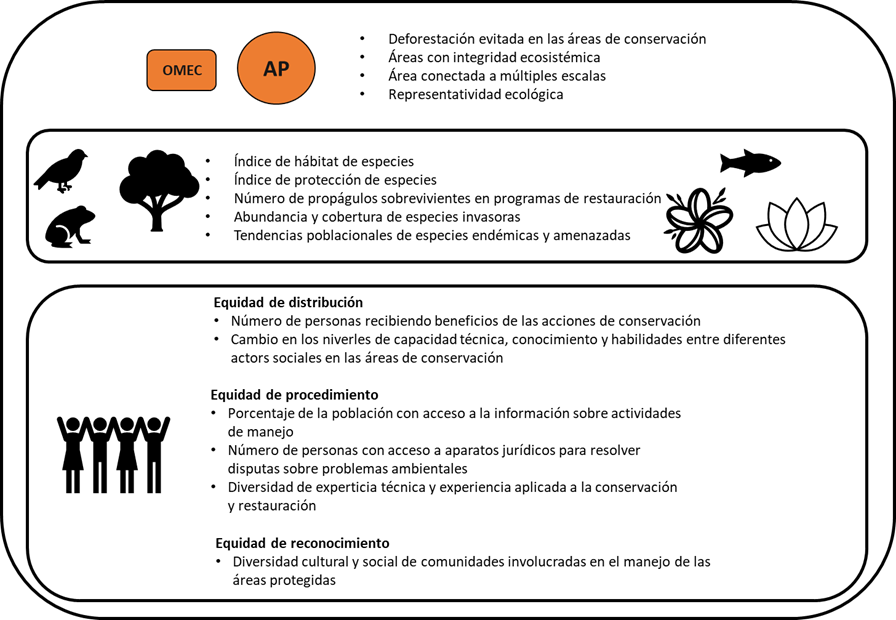
Hoy termina #COP15, donde los gobiernos acaban de adoptar un histórico Marco Global de Biodiversidad. Pero ¿por qué son necesarias más metas cuantitativas a nivel nacional y un mayor enfoque en monitoreo? acá lo explicamos (en inglés y español): https://t.co/s33dpTpHGH
Hoy termina #COP15, donde los gobiernos acaban de adoptar un histórico Marco Global de Biodiversidad. Pero ¿por qué son necesarias más metas cuantitativas a nivel nacional y un mayor enfoque en monitoreo? acá lo explicamos (en inglés y español): https://t.co/s33dpTpHGH
Se necesitan indicadores basados en variables esenciales de biodiversidad, como la reducción en el % de especies amenazadas y cambios en la conectividad, así como indicadores que midan la equidad social y la distribución de beneficios en áreas protegidas.