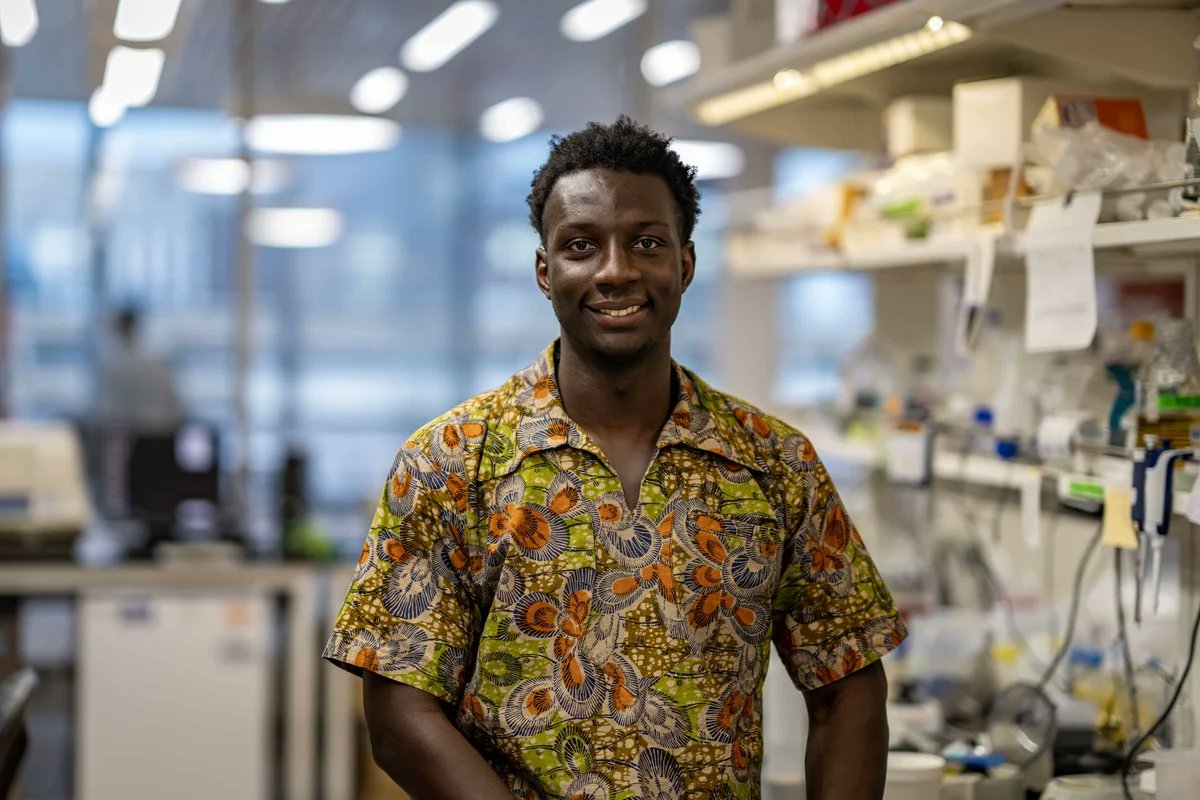
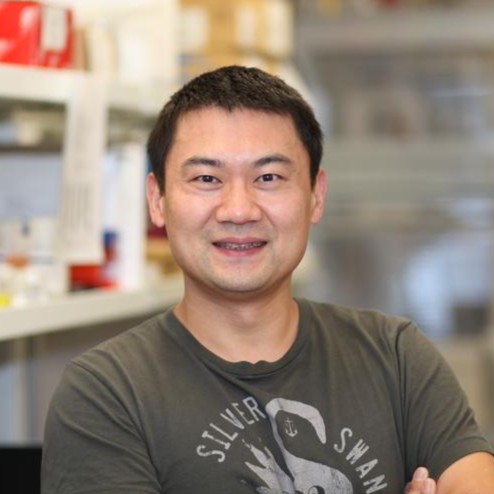
I am incredibly honored to be selected as a 2026 Helen Hay Whitney Fellow. This fellowship will support the next stage of my research and growth as an independent investigator. I am also grateful for Ting Wang’s mentorship and support. @twang5 https://t.co/ieIoIlJtZR
Turan Tufan, PhD @trn_tfn, postdoctoral researcher in Dr. Ting Wang's @twang5 lab has been awarded prestigious Helen Hay Whitney Fellowship. Congrats! https://t.co/toKSUa5IGZ
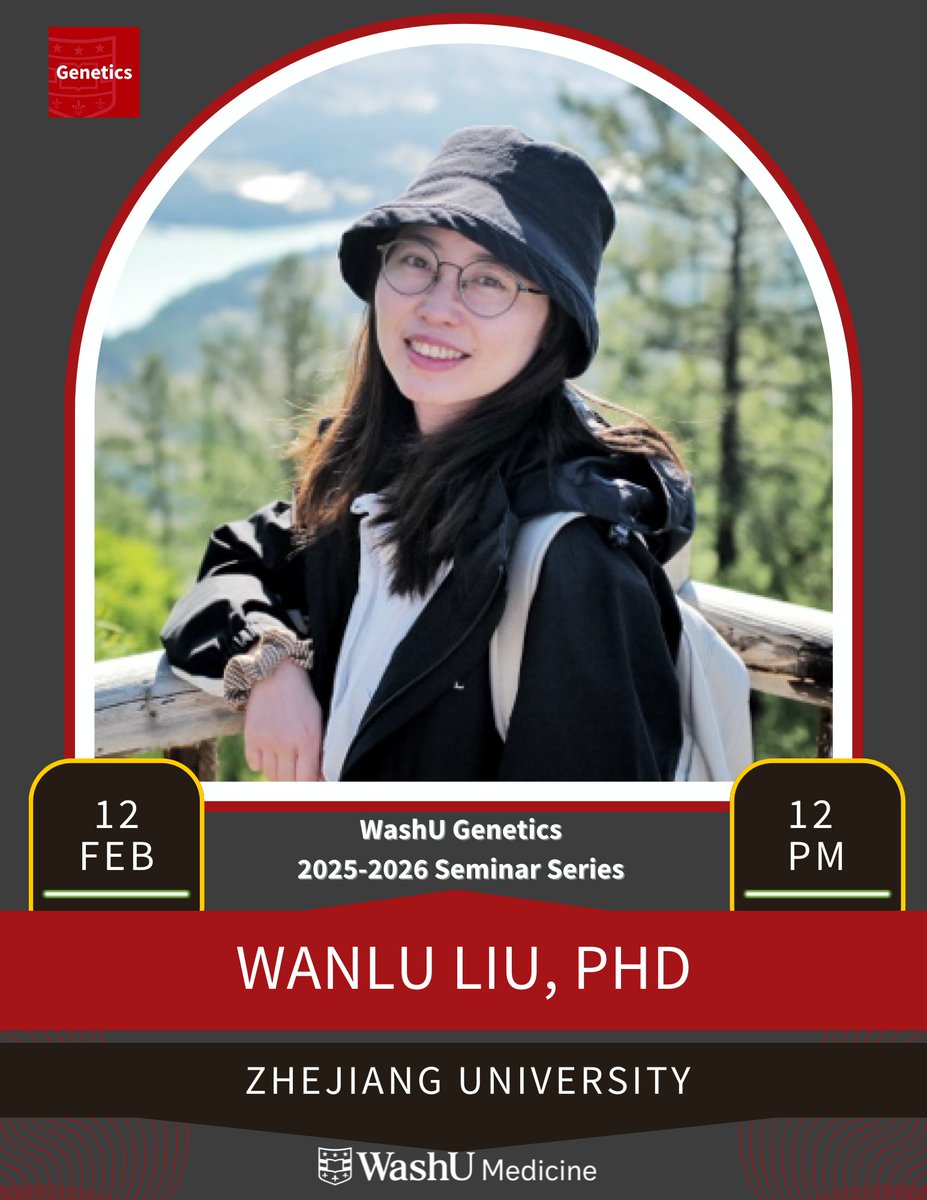
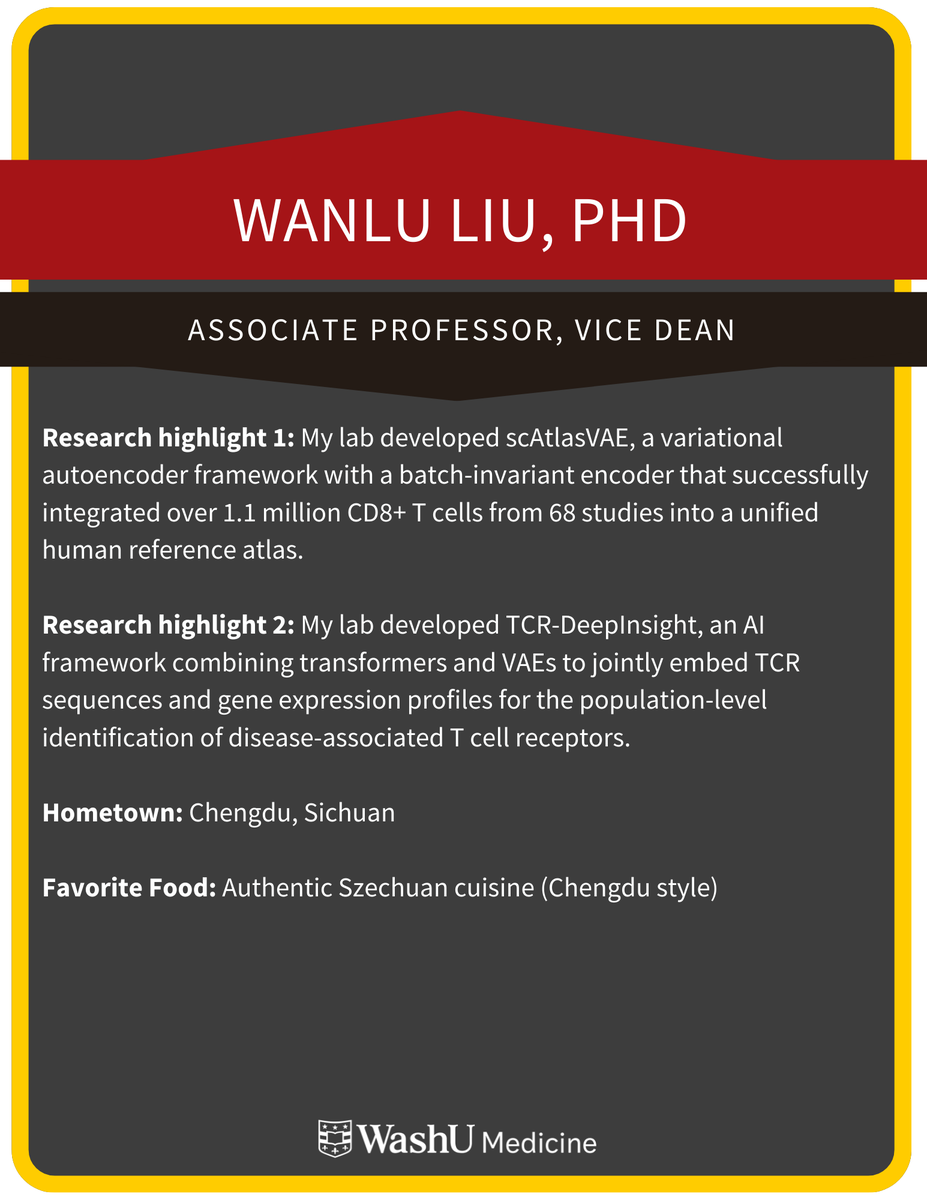
Join @WashUGenetics next Thursday Feb. 12 at Noon in Connor Auditorium when Wanlu Liu, PhD @WanluLiu presents, “Exploring Human T cells and TCRαβ repertoire at the single-cell level: Phenotypic Heterogeneity and Disease Associations”, hosted by Ting Wang, PhD @twang5!
NEW from IGVF: our NAR paper highlighting the IGVF Catalog, an open resource for exploring how genomic variation impacts function.
Use the resource, explore the data, and tell us what you think!
https://t.co/S17F95nhP9
1/🚨 Excited to share our new collaborative study from the @SMaHTnetwork benchmarking package! This work represents a major collaborative effort with outstanding colleagues at @WashUGenetics, @VAInstitute, and throughout the @SMaHTnetwork.
https://t.co/l06AAKTbUo
If you want to check if a human gene has copy-number changes or lands in a complex region, try https://t.co/zKVAm8dhOL. Recently updated with more and better assemblies.
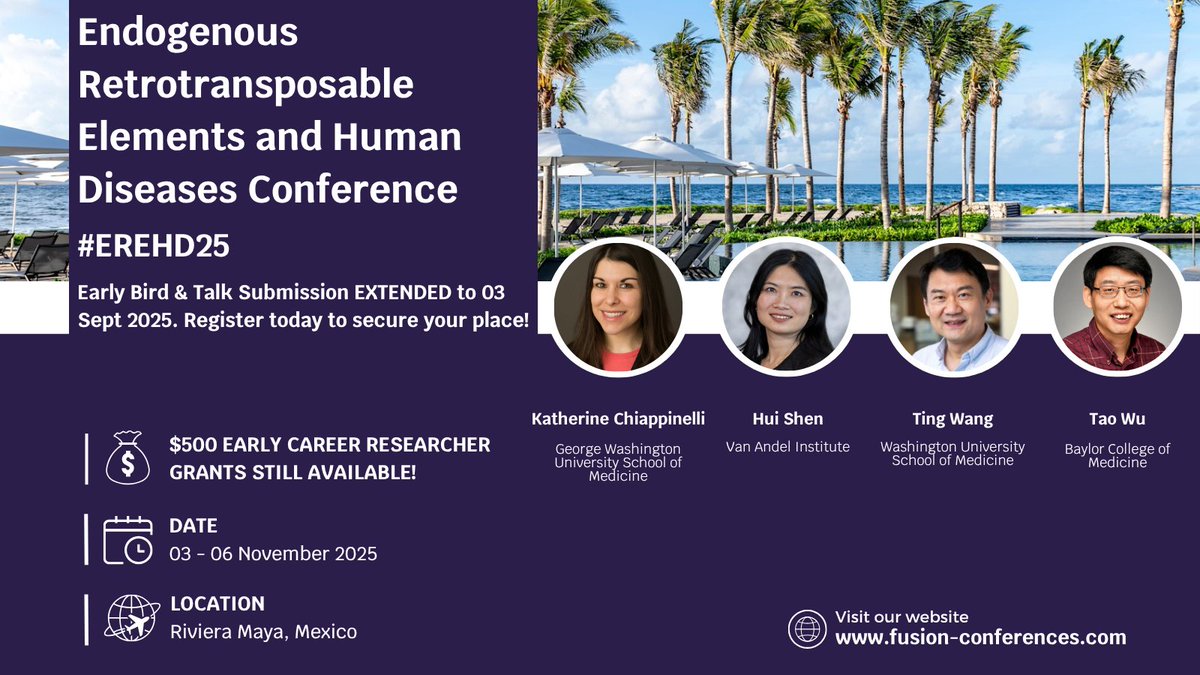
Are you currently in the ERE related field and want to find new collaborative opportunities? Join our Chairs @ChiappinelliLab, @shenhui1986, @twang5 & @paultaowu at the upcoming Endogenous Retrotransposable Elements & Human Diseases Conference this November! #EREHD25
🎙️Talk Submission extended to 03 Sept 2025
💰Final few $500 grants remaining for ECRs!
Don't Miss out 👉https://t.co/PnwptupJdw
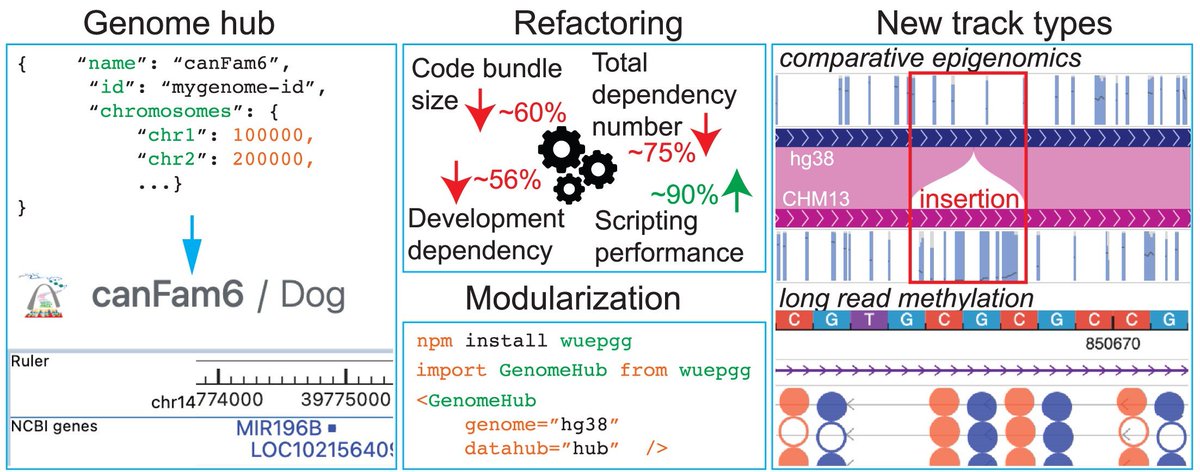
The WashU Epigenome Browser update brings faster performance, a new UI, and new tools for long-read & single-cell methylation data, plus genome assembly comparisons like hg38 vs chm13.
Uncover the hard work behind it: https://t.co/2XbAeZoITE
🧬 The SMaHT marker paper is now live in @Nature
This landmark study characterizes somatic variation across 19 tissue types from 150 nondiseased donors, laying the groundwork for future discoveries in health, aging, and disease.
Read the full paper: https://t.co/uXArDHEtHn
Congratulations to our postdoctoral researcher Wesley Saintilnord on being selected as a #JCCFellow! The JCC Fund supports groundbreaking science by the most promising postdoctoral fellows working in cancer and human disease research.
https://t.co/0ZkK3epHfD
Happy to share our 2025 update manuscript now open access at Nucleic Acids Research @NAR_Open. Any feedback is welcomed about the performance improvement, added features, and data. Thank you!
https://t.co/jNre04egEz
Release of DeepVariant and DeepSomatic v1.9
DV: Added training on HG002 T2T-Q100. Error reduction of 12% for Illumina and 30% for PacBio on this truth set. 25% faster. DeepTrio is 5x faster (20h -> 4h).
DS: New models FFPE_TUMOR_ONLY for {WGS, WES}. Much improved WGS models.
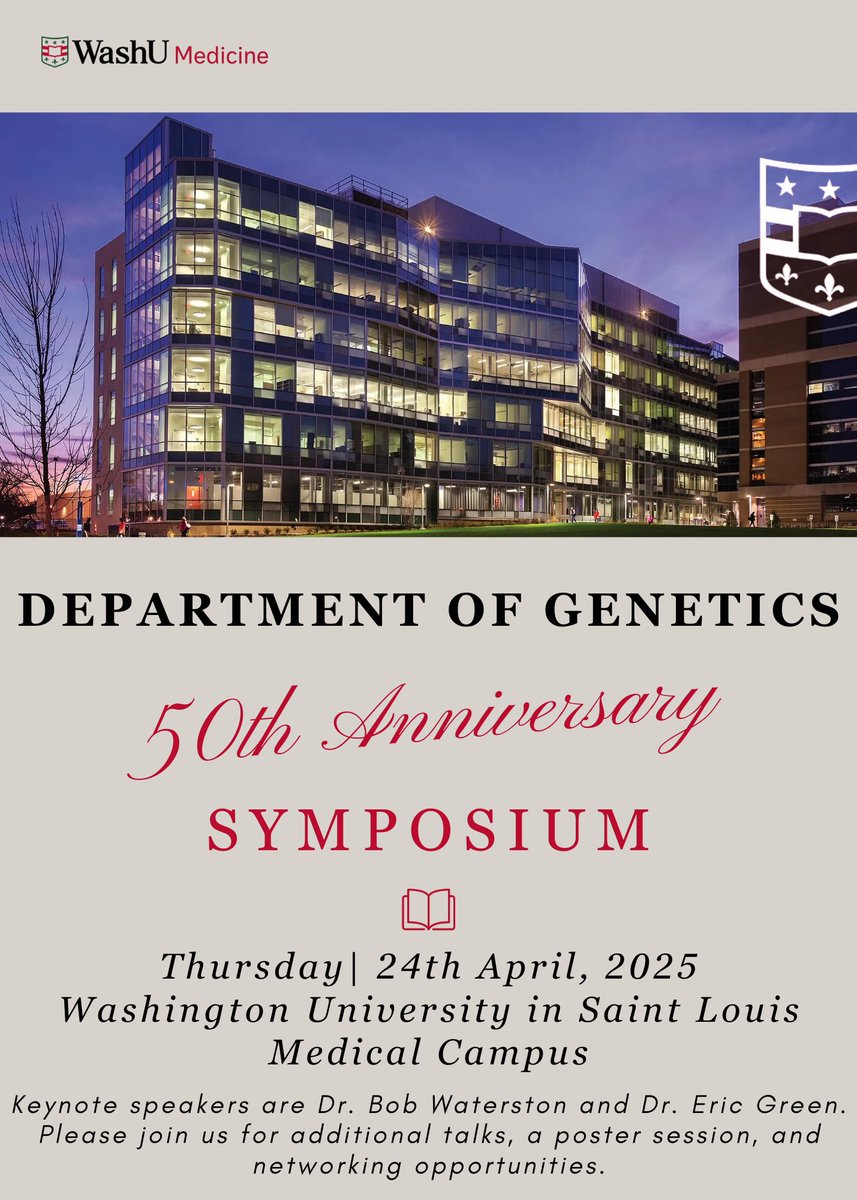
That’s a wrap! We hope you enjoyed our 50th Anniversary Celebration and Symposium as much as we did! Thank you to all the speakers, students, faculty and staff who attended the event. Here’s to more amazing years at the Department of Genetics at WashU Medicine!
The Department of Genetics is pleased to present our 50th Anniversary Symposium on April 24, 2025 with keynote speakers Dr. Bob Waterston and Dr. Eric Green @NHGRI_Director. Registration is open now! Find the full list of speakers on the event page:
https://t.co/7yvywPGmNf
The first human genome sequence was created in 2003. The sequence was sourced from a few individuals yet didn't represent all of humanity.
HPRC is building a more inclusive reference and capturing the full spectrum of human genetics.
Here's our story: https://t.co/A0qaA6uWKr
New this week in @NatureComms! 🚨
Drs. @KaraQuaid and Ting Wang (@twang5) created a comprehensive resource of high-quality genomic, epigenomic, and #transcriptomic data from #iPSC lines and three iPSC-derived cell types.
🕶️ Check it out: https://t.co/afr2fzfiye