🚨 Important Announcement: Future Science Group has been acquired by Taylor and Francis. Our Twitter account will be closing on the 29th March 2024. Follow and stay updated with the latest research insights on @tandfonline. Thank you for your support!
We’re pleased to announce that biomedical publisher Future Science Group has joined Taylor & Francis.
With the addition of 32 peer-reviewed journals and 5 digital hubs, Taylor & Francis becomes the fourth largest publisher of pharma-funded research.
https://t.co/UbNDL7Rfil
📑🌟The ARROW study reveals that #pralsetinib was effective in shrinking tumours in patients with RET fusion+ NSCLC regardless of previous treatment history.
#lungcancer#plainlanguagesummary
🔖-https://t.co/5pY1fZiqtb
Findings from a phase 1 trial showed that a single dose of an experimental drug (Lepodisiran) produced greater than 94% reductions in blood levels of lipoprotein(a), a key driver of heart disease risk. @JAMA_current
Discover more: https://t.co/o3GabDD6lL
One of the dominant theories for the causes of Alzheimer’s has been cast into doubt following unsuccessful Phase III testing involving the antibody gantenerumab, which intended to improve cognitive function in sufferers.
Alois Alzheimer’s theory that the disease was potentially caused by ‘clumps’ of amyloid beta proteins. During the trials, gantenerumab did significantly reduce these clumps, but failed to preserve cognitive abilities.
The latest tests casts further doubt on the amyloid hypothesis, with anti-amyloid drug testing slowly increasing in prominence, albeit based on limited evidence.
@NEJM@AlzResearchUK.
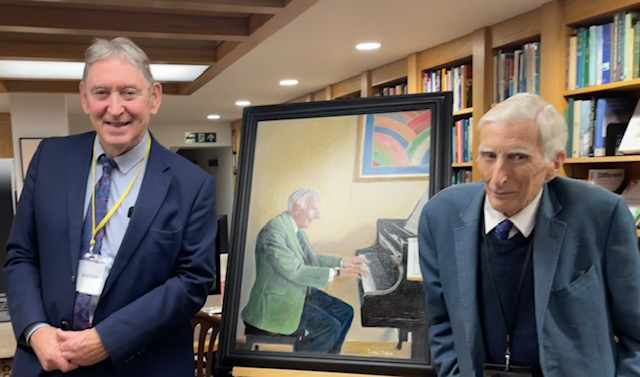
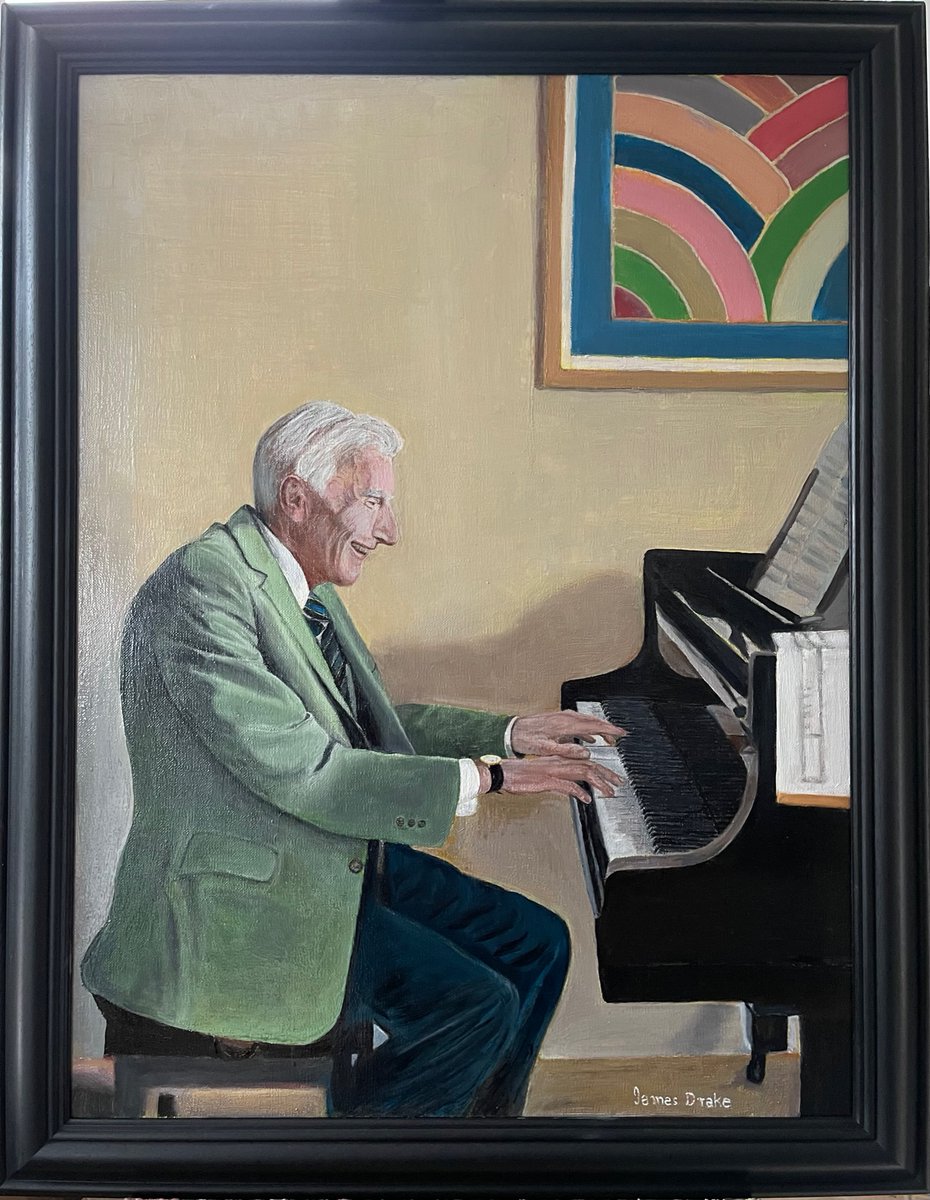
Presenting my portrait today at the Royal Society to its ex-President, the Astronomer Royal Lord Martin Rees.
Martin is one of the world’s most distinguished and unassuming scientists.
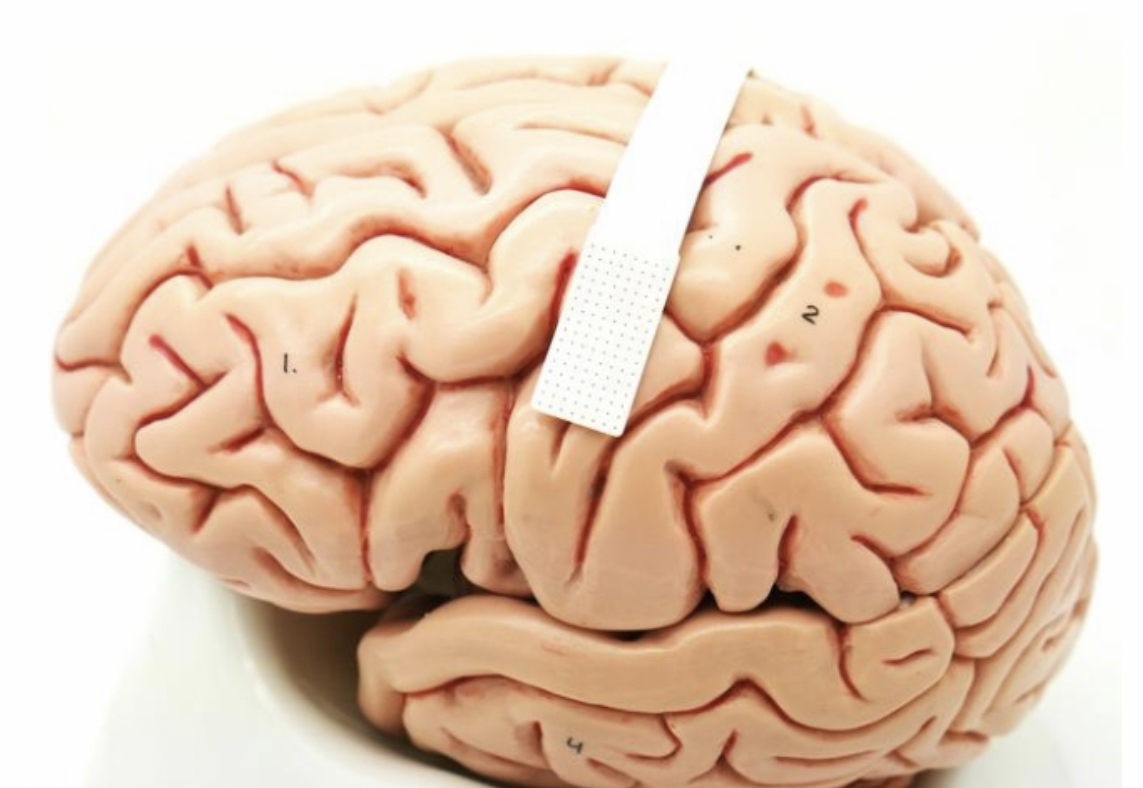
Researchers have implanted tiny sensors to record activity in the brain's speech motor cortex that signals to speech muscles, aiming to predict the sounds a person wishes to make.
One day perhaps some people unable to speak with neurological diseases might communicate through thought alone.
@NatureComms
https://t.co/sjOqK3J54k
🔔 Future Oncology (@FutureOncol_FSG) is calling all #BreastCancer experts to submit their abstract for the next Symposium on Primary Breast Cancer in Older Women (@UniofNottingham).
Find out more here >>> https://t.co/k4quopbrGX
@nottsbrcancer
Looking for some new lab décor? This infographic highlighting the developments of ten influential life science techniques over the last 40 years would look pretty good on your wall >>> https://t.co/0gM2PYw2Tf
#40YearsOfBioTechniques
Our Drake Biomarker Study, which used advanced MRI scans, showed in 2021 that 23% of 44 elite rugby players, av. age 25, had white matter abnormalities, some with diffuse vascular injury:
https://t.co/mAxZ7yFI6K
A new study has used functional MRI (fMRI) to show an increase in blood-oxygenation-level-dependent signals in the brain’s white matter - indicating increased brain activity while tasks were performed. @PNASNews https://t.co/1QXT7m2Cku
#JonasSalk born 28 October 1914
Developed the polio vaccine
“There is hope in dreams, imagination, and in the courage of those who wish to make those dreams a reality.”
“Intuition will tell the thinking mind where to look next.”
Our immune system consists of around 1.8 trillion cells, according to the journal @PNASNews:
https://t.co/pgnohYqper
According to @ScienceAlert, In an average adult man, immune cells collectively weigh about 2.6 pounds – which is the same as one pineapple, or six hamsters.
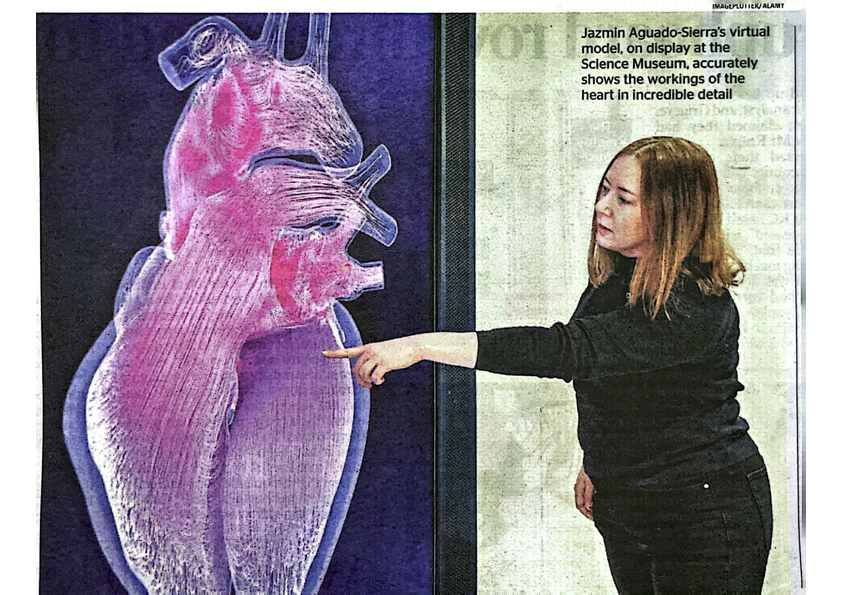
Scientist Jazmin Aguado-Sierra has created a world-first visualisation of her own heart, which is accurate down to a cellular level.
Technology of this kind could perhaps be used to forecast an individual’s health, and might allow doctors to predict the effects of a drug which are specific to each patient.
The model will go on display at the Science Museum this week.