Um cara recriou os apps da Microsoft em open-source. Word, PowerPoint e Excel. Zero assinatura corporativa!
Acabei de instalar e vou testar ao longo da semana.
Anthropic ha publicado un taller oficial para construir una empresa automatizada con Agentes IA.
Agentes trabajando entre ellos, repartiéndose tareas y ejecutando procesos.
100% gratis. Del equipo de Claude.
Lo he subtitulado al español.
Si quieres que la IA trabaje por ti, guarda esto 🔖
ESTO ES ORO PURO
Anthropic acaba de compartir uno de los mejores trucos para Claude Code.
La idea: usar Sonnet, Haiku y Opus 5.5 a la vez, cada uno en lo que mejor se le da.
Mejores resultados y muchos menos tokens, porque cada tarea la hace el modelo adecuado.
Solo tienes que iniciar Claude Code así:
claude --advisor opus --subagents haiku
La idea es esta:
→ Sonnet 5.5 dirige la sesión y escribe el código
→ Haiku 5.5 explora archivos y documentación en paralelo
→ Opus 5.5 queda como asesor para las decisiones importantes
→ Ahorras contexto de Opus en tareas que no lo necesitan
Opus solo entra cuando hace falta revisar un plan, desbloquear un error repetido o comprobar que no te estás dejando nada antes de terminar.
Sonnet construye. Haiku explora. Opus revisa.
🔖 Guárdalo, te será útil.
We'll be spending a lot more time trying to understand the outputs of language models. A few thoughts, tips & tricks:
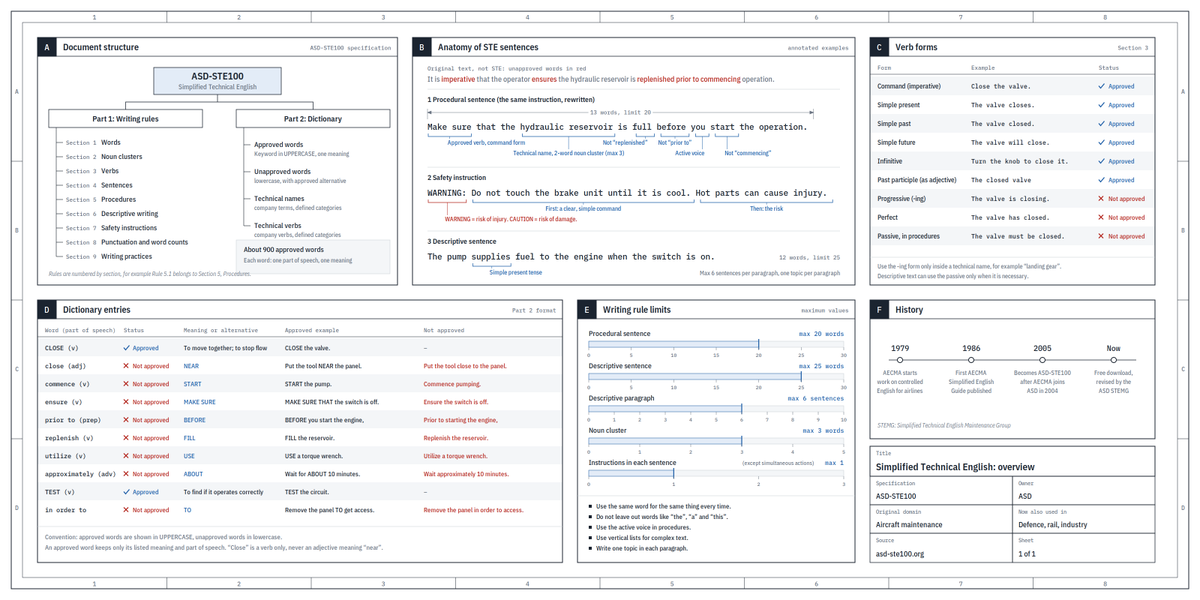
Writing. Something I've had success with: Ask your LLM to explain something in ASD-STE100, it's a controlled language specification originally developed for aerospace maintenance documentation. LLMs well-versed in this language and it comes with heavy constraints on clean writing style that I often find a lot more readable. Sometimes I've tried to soften it a bit e.g. ask for "80% of the way to ASD-STE100" because the spec is quite stringent. But even better:
Diagrams / images. Instead of writing, ask your LLM to create a diagram. These can be a lot easier to process, parse, and understand. But even better:
Web pages. Ask for output "in HTML" to get a beautiful, interactive webpage. LLMs are getting really good at frontend and can create beautiful experiences, animations, etc. But even better:
Explainer videos. The output format I am most bullish on is fully custom / bespoke explainer videos generated on any arbitrary topic. Experiment with things like "Create a 3b1b style video explainer on X. Use my ElevenLabs API key for audio narration". (you'd need an API key for the latter or you can ask your LLM to find you decent free alternatives that use your local compute). This is actually starting to work!
In summary:
- As LLMs get better, they will do more and more of the legwork autonomously, and a lot more of our work will rise up the abstractions into oversight and understanding.
- Luckily, LLMs can help here too because as intelligence and code are increasingly abundant, you can ask for large, custom, discardable software artifacts (e.g. web apps, video explainers) that would have never made sense to create before. Push the boundaries here and you'll be surprised.
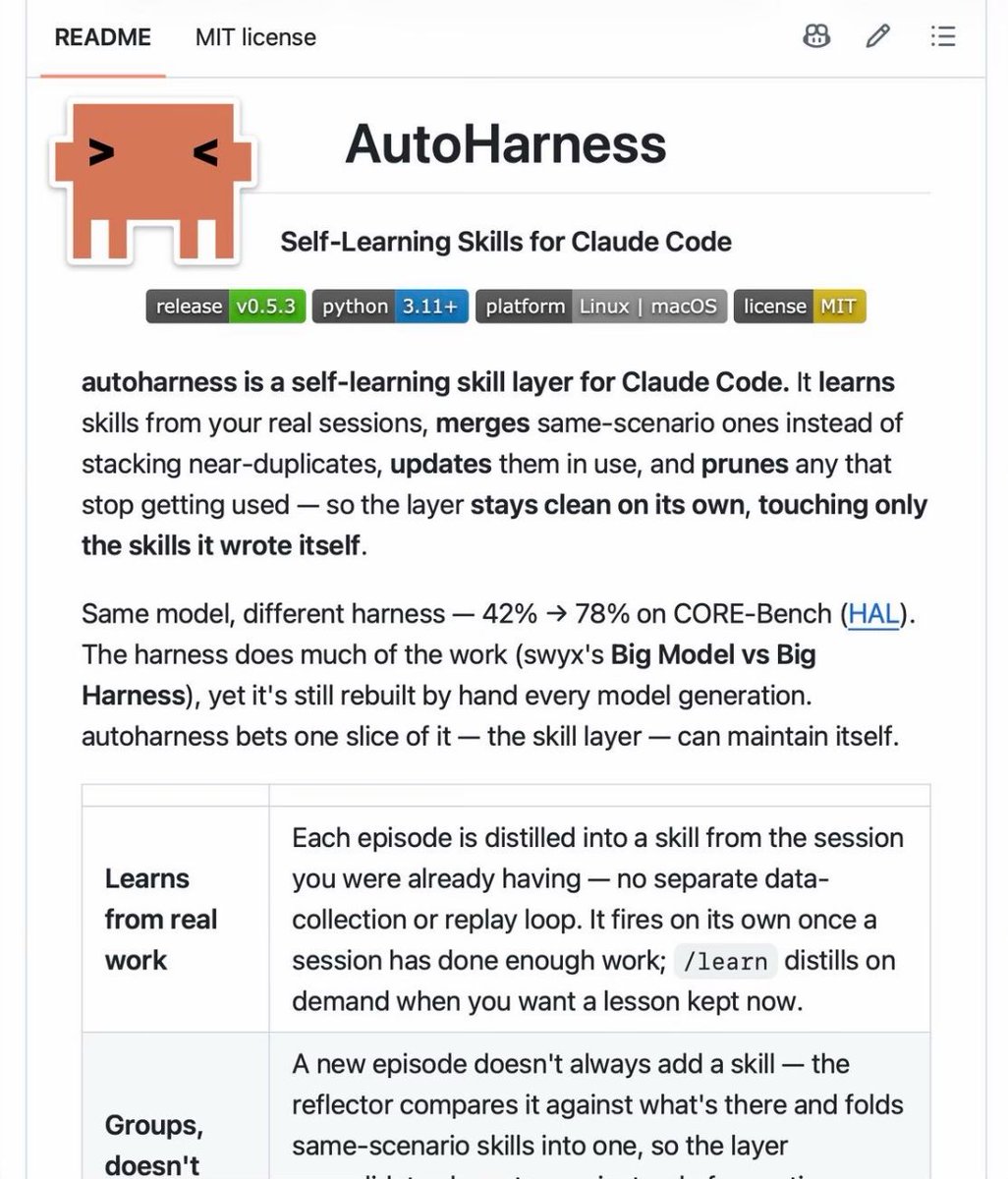
Stop writing Claude Code skills by hand. This tool writes them from your sessions.
It's called autoharness, a self-learning skill layer for Claude Code.
It watches the work you already do and turns it into skills. No separate data collection, no replay loop. It runs on its own once a session has done enough work, or you type /learn to save a lesson right away.
And it keeps the skill folder clean:
→ Merges skills that cover the same scenario instead of adding another near-copy
→ Updates skills while they're being used
→ Archives the ones that stop getting used
→ Only touches the skills it wrote. Yours are never modified
Why this matters: with the same model, a better harness took CORE-Bench from 42% to 78%. The harness does much of the work, but people still rebuild it by hand for every new model. autoharness bets the skill part can maintain itself.
Two commands to install inside Claude Code. Pure Python, no dependencies.
Link: https://t.co/e7KX9C8UBF
100% open source. MIT.
Claude Opus 5.5 can (finally) generate motion graphics
16 motion graphics in Claude Code (my 3 steps):
1. Pick one motion, like a chart that morphs.
2. Show Claude a reference and name every state.
3. Ask for HTML and SVG, then fix it round by round.
Download them all here:
https://t.co/pjMv8ExvWx
Repost ♻️ to help someone in your network.
si usás Opus 5.5 en Claude Code, podés sumar a Fable como advisor con:
/advisor fable
Opus sigue escribiendo el código. Fable lee el contexto de la sesión y aporta una segunda mirada: revisar un plan, destrabar un error recurrente o detectar algo que faltó antes de terminar.
es un patrón de executor + advisor:
un modelo lleva la tarea y consulta a otro en momentos clave, sin cederle la ejecución.
el post incluye un prompt para configurar este flujo 👇
ESTO ES JODIDAMENTE INCREÍBLE
un dev en solitario acaba de abrir el código de un reemplazo 100% GRATIS de ElevenLabs que se ejecuta completamente en tu propia máquina.
el repo de GitHub está en 19.4K estrellas.
te permite:
→ clonar una voz desde un clip de referencia limpio
→ doblar cualquier video a 646 idiomas
→ generar audiolibros, dictado, transcripción
→ elegir entre 14 motores TTS en lugar de uno
ElevenLabs soporta 32 idiomas. esto hace 646.
sin cobro por carácter. sin límites de uso. ningún audio sale nunca de tu computadora.
guarda esto para después.
os dejo el repo abajo
Claude Opus 5.5 dropped 3 days ago.
And it might be the strongest model Anthropic has shipped yet.
But most people are still prompting it like older Claude models.
I turned Anthropic's latest guidance into a complete Opus 5.5 prompting masterclass: https://t.co/tsuOeWbRMh
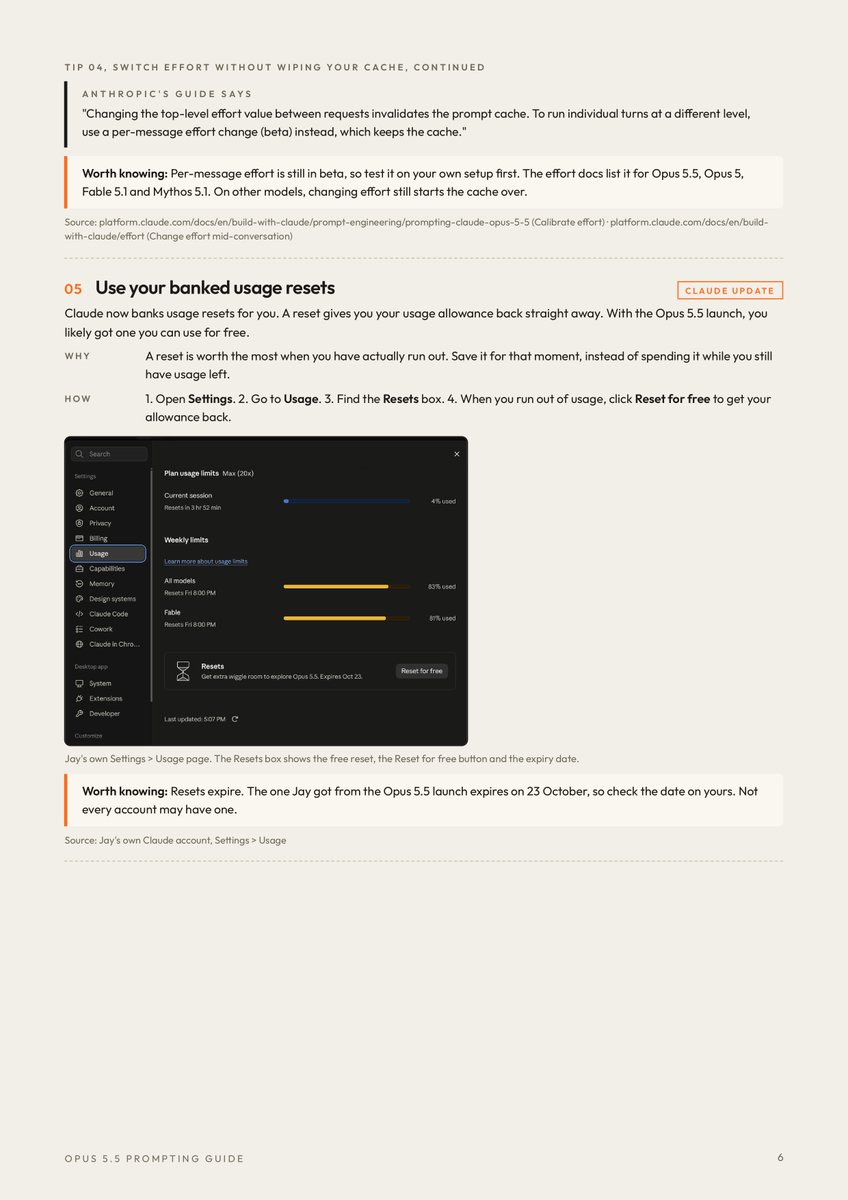
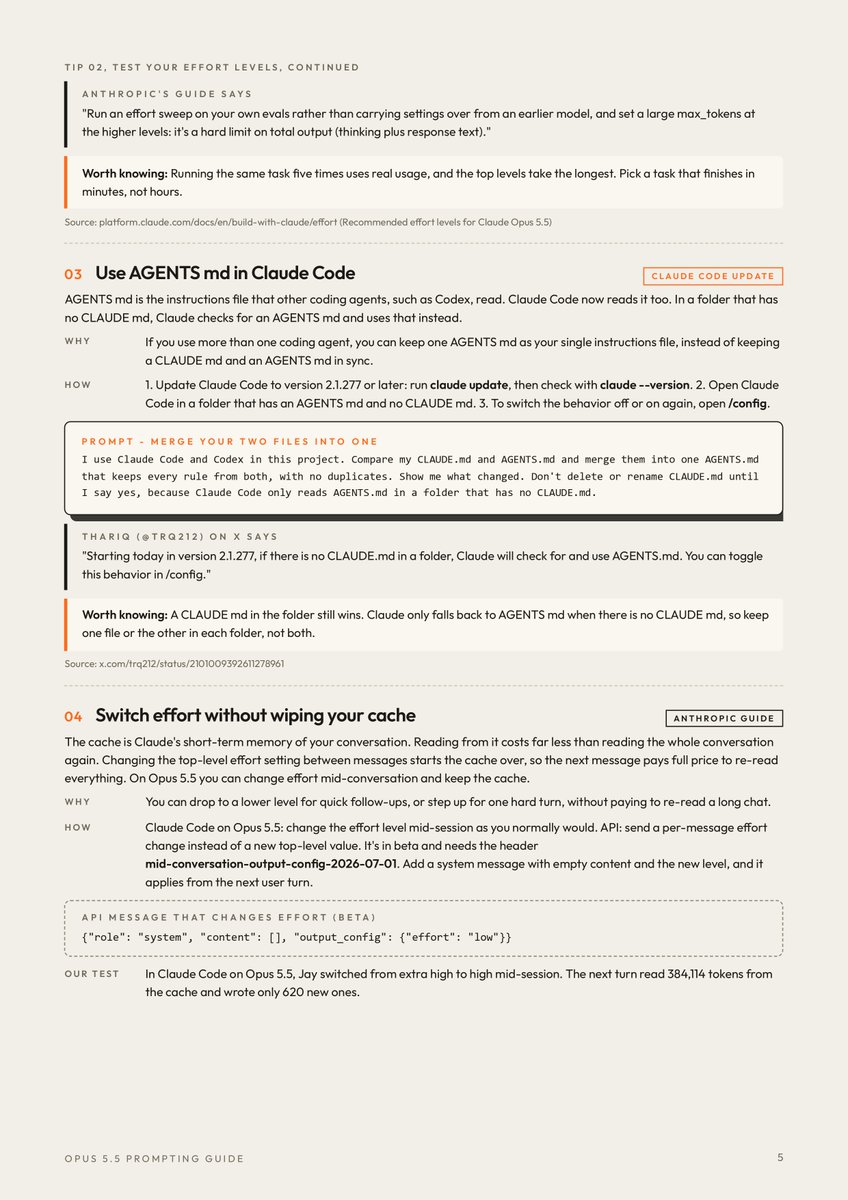
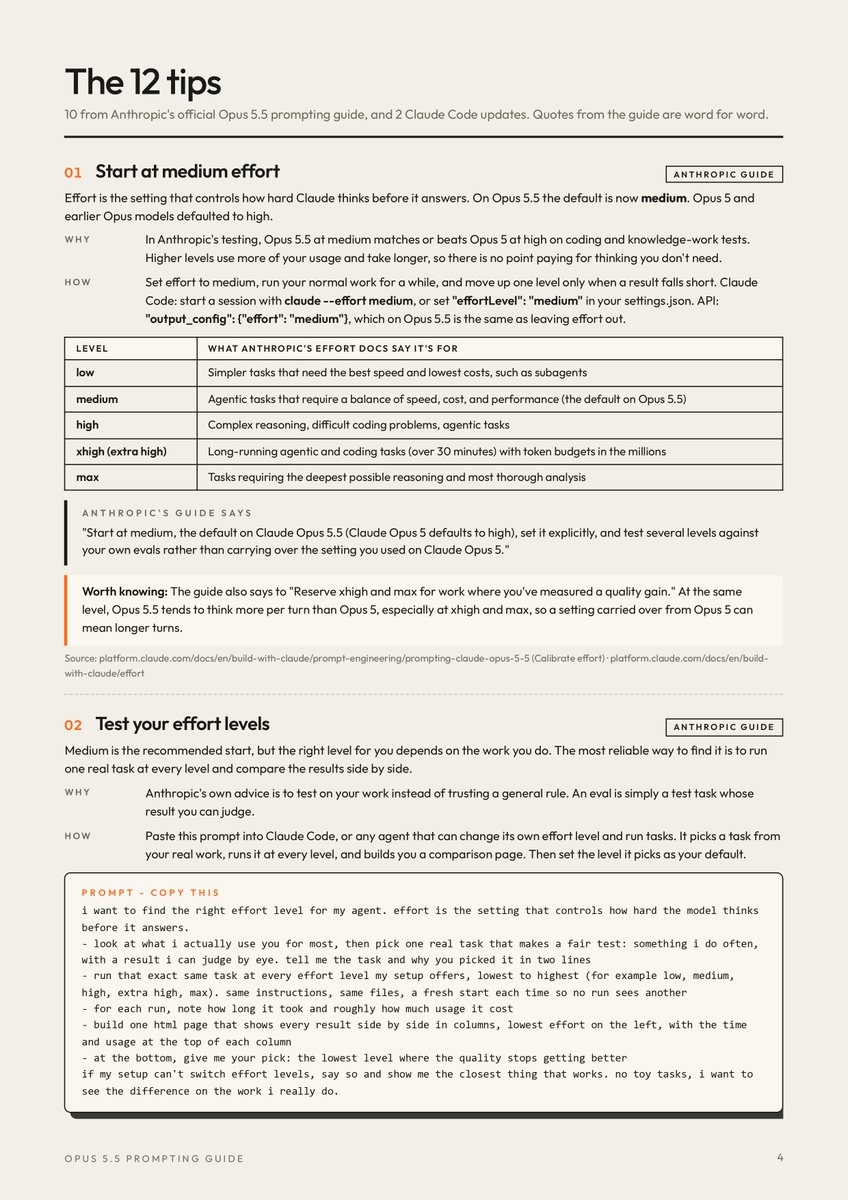
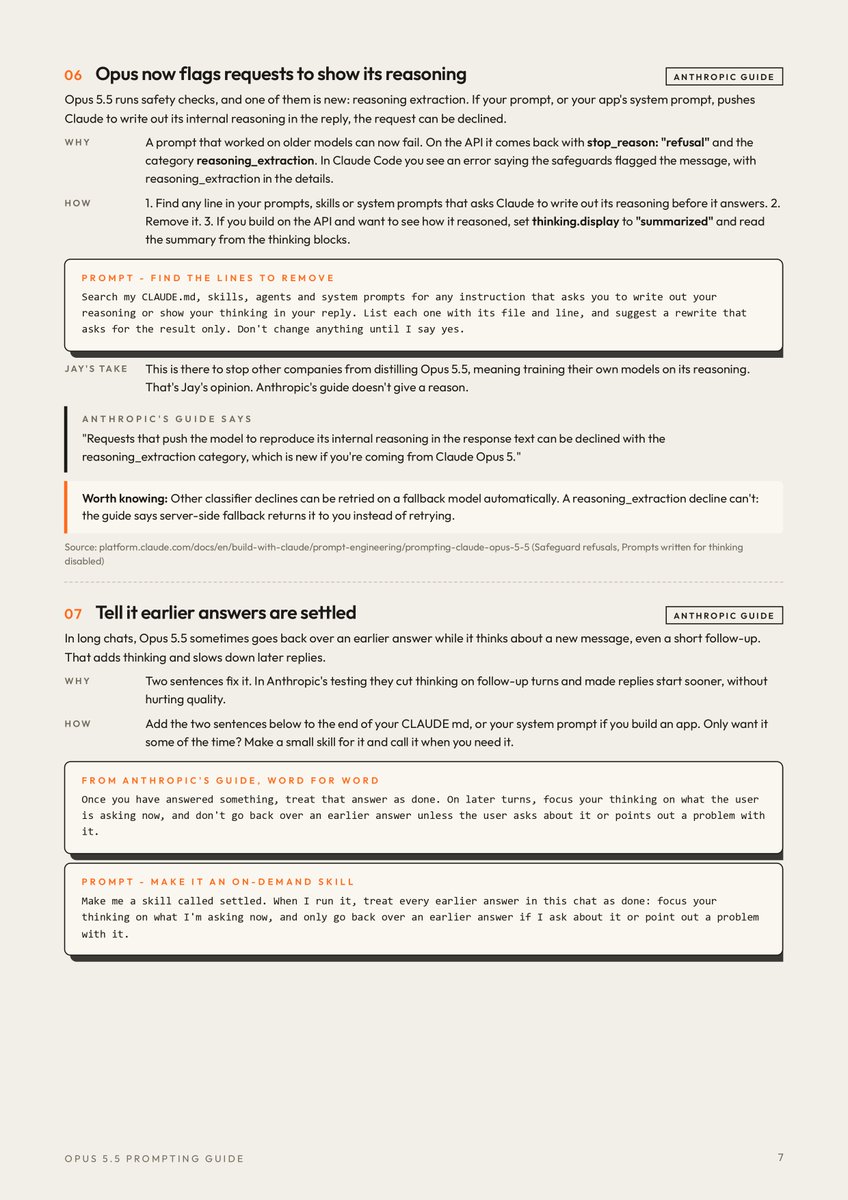
ANTHROPIC JUST DROPPED A 12-TIP MANUAL FOR PROMPTING CLAUDE OPUS 5.5
And almost everything you know about prompting Claude is now wrong.
The mistake everyone is making?
Prompting Opus 5.5 like Opus 5.
More instructions. More guardrails. More control.
Opus 5.5 needs the opposite.
→ "think step by step" - delete it, you're adding latency not quality
→ "show your reasoning" - gets declined now, it's in your prompts already
→ medium effort - matches Opus 5 at high, you're overpaying by default
→ CLAUDE.md - rewrite it for autonomy, not supervision
→ task checklist - it mistakes progress updates for finish lines
→ time budget - two words and it paces itself to finish faster
→ free reset - expiring in Settings right now and you don't know
Three things that will surprise you:
→ the effort level you're running is almost certainly wrong
→ the prompts making it stop early are ones you wrote on purpose
→ removing 40 lines from your CLAUDE.md will make it perform better
Opus 5 → More Control
Opus 5.5 → Clear Goal → Autonomy → Verification → Done
This is not a model you improve by adding more.
It's a model you unlock by taking away.
Full 12-tip manual. Every prompt copy-paste ready.
Read this before you touch another CLAUDE.md ↓
Bookmark before your next session.