Sketching your paths for your FPV drone shots and Previs now is possible with this amazing technique by @bilawalsidhu 🤯
I mix this 3 images from the world cup opening game on @floraai using seedance 2.0 reference and a detailed prompt of where to blend the shots to give the uncut feeling.
Prompt and final shot below ⤵️
🚨 The real masterminds and backstage geniuses behind the rose petals falling from the Pantheon’s oculus on Pentecost Sunday?
The Rome firefighters!
Italy at its finest 🇮🇹🔥
A point cloud reconstruction of a blooming cherry blossom, captured during a creative residency at the Bloedel Reserve in WA. Rendered in Reality Capture and compiled from Mavic 3E images.
#photogrammetry#realitycapture
@yak32 https://t.co/3kJltlOi1a
You should check out this splat I made of Civita a year ago. It is a bit more detailed and captures the rockface more clearly. A wondrous place!
It’s the first time a frog—or any amphibian—has been observed pollinating a plant, researchers reported in 2023.
Learn more during #AmphibianWeek: https://t.co/UR3gYiXuiS
Is this the first 3D Gaussian Splat of the Moon? I reconstructed our neighbor using 300+ NASA Artemis II images.
Aligned in @RealityCapture_ and processed via @lichtfeldstudio. A moving experience... View and download the 3D model for free here:
https://t.co/5EMp9AlmKQ
Today we're announcing @_panthalassa’s $140M Series B, led by Peter Thiel, with participation from John Doerr and many other incredible investors. The mission: unlock the ocean as another planetary-scale energy resource for humanity. First stop: compute.
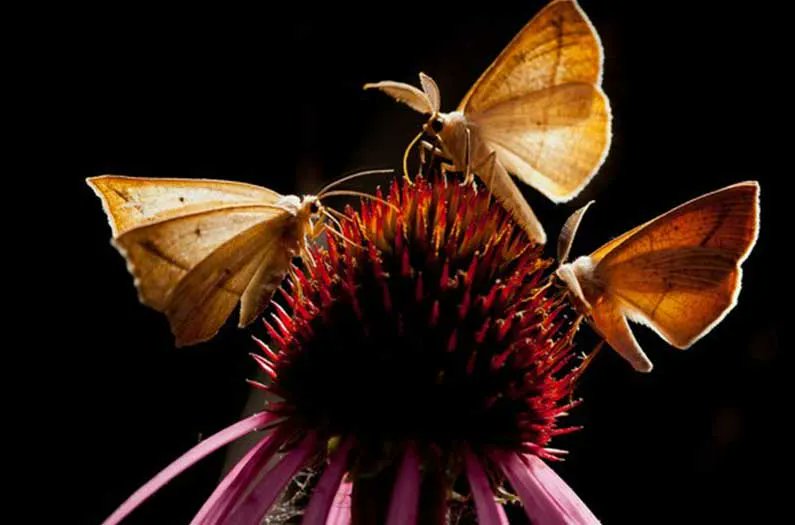
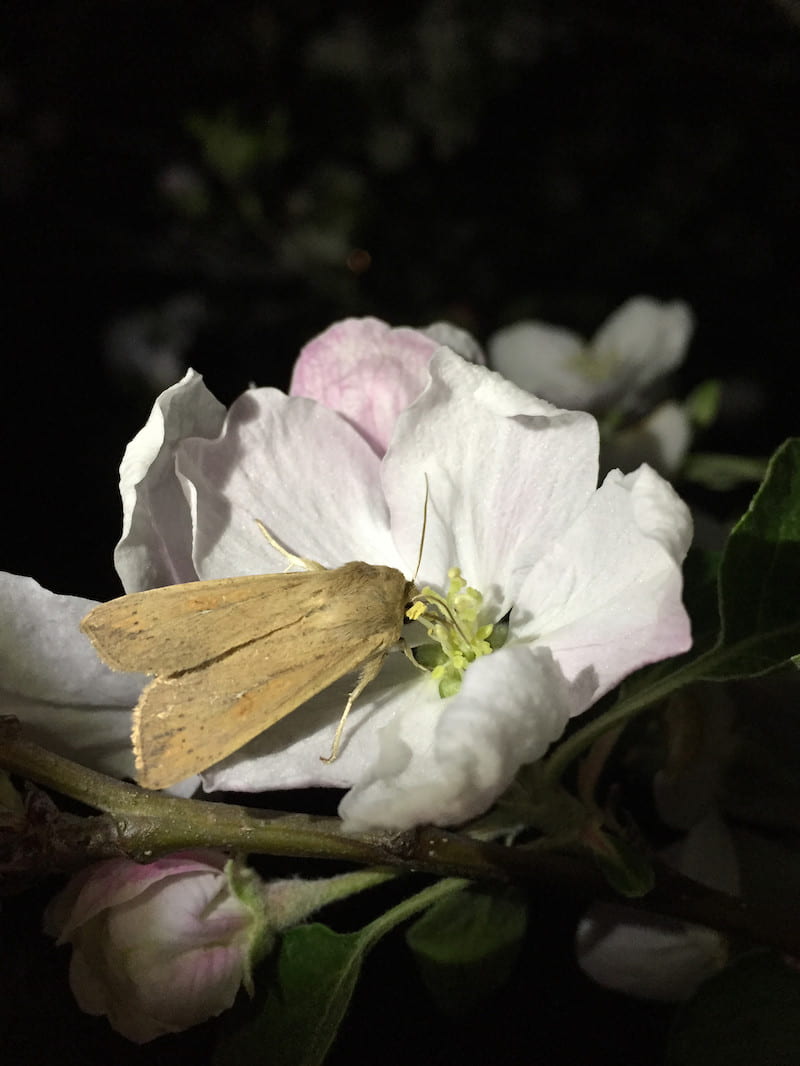
After the bees go to sleep, the night shift pollinators emerge. You may be accidentally killing them.
Nocturnal pollinators pollinate hundreds of plant species that bees never touch: night-blooming flowers that evolved specifically for them, with pale petals visible in moonlight and scents that intensify after dark.
Then we turn the lights on.
A 2017 study by ecologist Eva Knop found that meadows illuminated by artificial light at night had 62% fewer nocturnal pollinator visits than dark meadows, and as a result, produced 13% less fruit.
A separate study found moth abundance was halved at lit sites, species richness was more than 25% lower, and 70% of moths near streetlamps flew toward the light instead of the flowers.
The problem isn't just that moths die at lights. It's that they get stuck orbiting them, burning energy, never reaching the plants that need them.
Your porch light is doing this. So is your floodlight, your landscape lighting, and your neighbor's security lamp.
What actually helps:
💡 Turn off outdoor lights you don't need after dark
💡 Put lights on motion sensors
💡 Switch to warm-toned bulbs
💡 Shield fixtures so light points down, not out
We already know to plant for pollinators. Now let it go dark enough for them to do their job.
gaussian splatting has been used in way more places than people realize, including @NBAonPrime.
I put together a quick video showing many of the places and industries that splats have shipped ⬇️
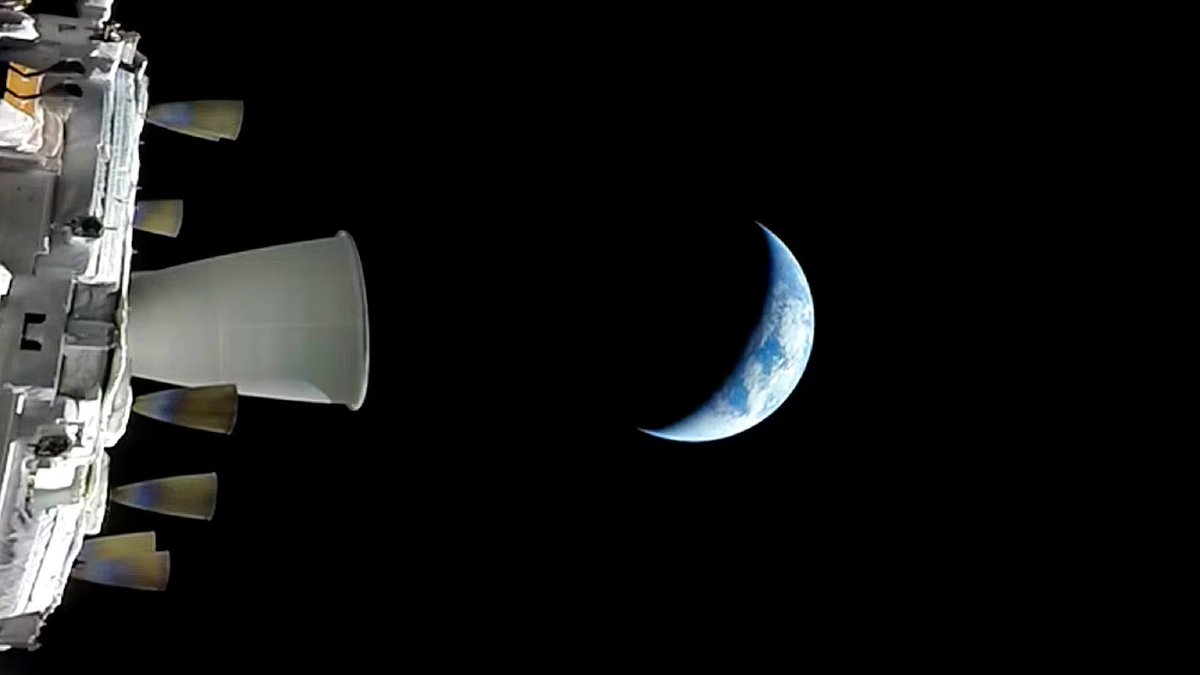
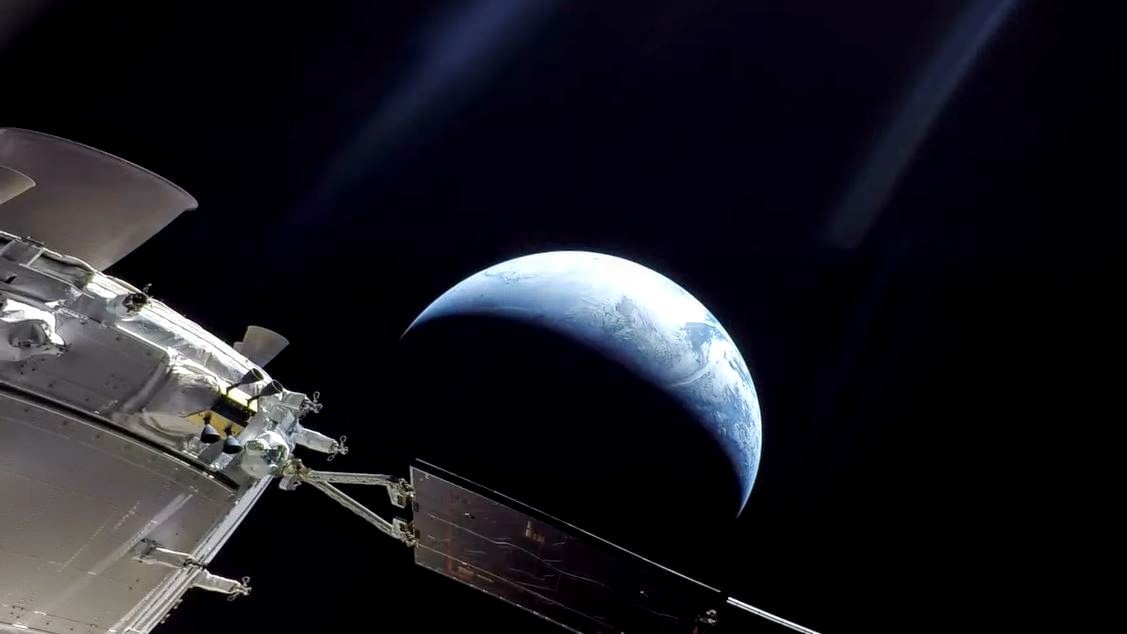
STUNNING🚨: Artemis II crew captured a stunning image of Earth this morning from 41,000 miles away.
The first time since 1972 that humans have seen a crescent Earth in full.
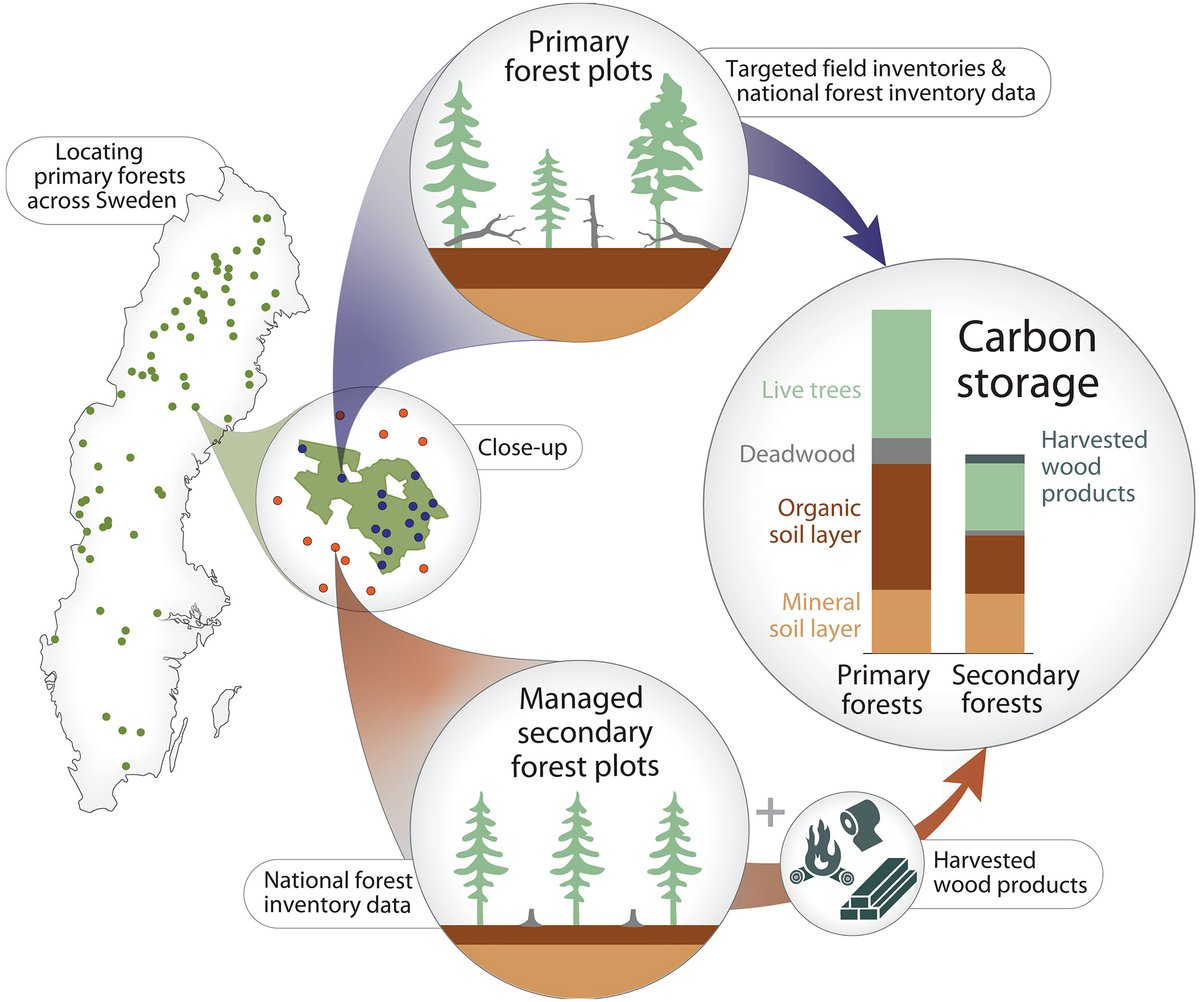
The planet’s undisturbed old-growth boreal forests may be far more important in the fight against climate change than previously realized, according to a new Science study, which finds that primary forests in Sweden store over 70% more carbon than managed secondary forests.
Learn more: https://t.co/jKr1Dgqb2D
Here is a high resolution Macroscan of a Honeybee - I managed to get sub-pixel registration accuracy with this one so you can easily discern the feather-like structure of the individual hairs.
View on SuperSPlat:
8 million splat version - https://t.co/3qlgSNi320