myfitnesspal gibi devlerin domine ettiği ve 500'den fazla rakibin olduğu bir pazarda, yeni bir kalori sayma uygulamasıyla ayda 2 milyon dolardan fazla kazanmak nasıl mümkün olabilir?
cal ai'ın sırrı sahip olduğu yapay zeka teknolojisinde değil, tamamen insan psikolojisini ve "batık maliyet yanılgısını" (sunk cost fallacy) hackleyen kusursuz kayıt (onboarding) sürecinde yatıyor.
aşağıdaki videoda da görebileceğiniz gibi süreç çok agresif ama bir o kadar da zekice kurgulanmış.
• 30 ekranlık yatırım: kullanıcı uygulamaya girer girmez karşısına bir fiyat çıkmıyor. tam 30 farklı ekrandan oluşan uzun bir anketle karşılaşıyor. kullanıcı bu sürece o kadar zaman ve emek harcıyor ki, sona geldiğinde eli boş çıkıp gitmek psikolojik olarak çok zorlaşıyor.
• net gelecek tahmini: "kilo vereceksin" gibi yuvarlak vaatler kullanmıyorlar. verdiğiniz verilere dayanarak "15 temmuz'da tam olarak 72 kiloda olacaksın" diyerek size bir araç değil, kesin bir sonuç satıyorlar.
• sürtünmesiz ilerleme: ödeme ekranına gelene kadar sizden asla e-posta veya şifre isteyip hesap açmanızı dayatmıyorlar. satın alma hevesinizi ve o duygusal yükselişi bürokratik engellerle bölmüyorlar.
• üç aşamalı ödeme duvarı: fiyatı aniden yüzünüze çarpmak yerine 3 ekrana bölüyorlar. önce aşırı pahalı ve mantıksız bir aylık plan gösterip zihninize bir çapa atıyorlar (yem etkisi / decoy effect). ardından ücretsiz deneme süresi olan yıllık planı sunuyorlar. beyniniz yıllık planı bir harcama değil, "mantıklı bir fırsat" olarak algılayıp rahatlıyor.
• buton psikolojisi: en vurucu kısım ise satın alma eylemi. butonun üzerinde "abone ol" veya "satın al" gibi korkutucu kelimeler yazmıyor. devasa harflerle "0.00$ karşılığında dene" yazıyor. cüzdanınızdan para çıkacak olsa bile beyniniz ilk etapta bedava bir şeye ulaştığını sanıyor.
çoğu geliştirici aylarca uygulamanın içindeki kodlara ve özelliklere odaklanırken, asıl parayı ürünü değil "satış hunisini" iyi tasarlayanlar kazanıyor.
devasa bir rekabetin içinde nasıl sıyrılınacağını gösteren harika bir ürün psikolojisi dersi.
I don't understand why people don't use Claude for video editing.
I edited 4 videos in 1 day. All of them with Claude as my assistant.
Here are 9 prompts that turned wasted hours into a strategy:
(Save for later.)
I studied 𝟭,𝟰𝟲𝟬 𝗼𝗻𝗯𝗼𝗮𝗿𝗱𝗶𝗻𝗴 𝗳𝗹𝗼𝘄𝘀 across 𝟵𝟴𝟲 apps & websites.
the average app has 25 onboarding screens.
and some of the longest ones are the most successful.
so it's probably not about making onboarding shorter.
then what actually makes a good onboarding flow?
@mobbin's data:
→ 22% of apps personalize during onboarding (AI apps: only 7%)
→ 22% show a paywall during onboarding
→ 6.3% do both
This 10-minute video breaks down how top apps design onboarding, from @duolingo, @Headspace , Bump by @amoamoamo, @Airbnb, and more
🔎 'mobbin onboarding' on youtube
Both offers crush it for big stores doing $30k+/day with Moonbundle.
Offer A → skyrockets conversions 🚀
Offer B → skyrockets AOV 🚀
The magic here is that “Wow” effect.
I get all this for the same price? It feels exceptional.
It’s limited. How could you NOT take it?
Which offer converts better A or B?
Offer B is in the comments 👇
Stanford dorm room to billion-dollar exit in 32 months.
Not in tech. In CPG.
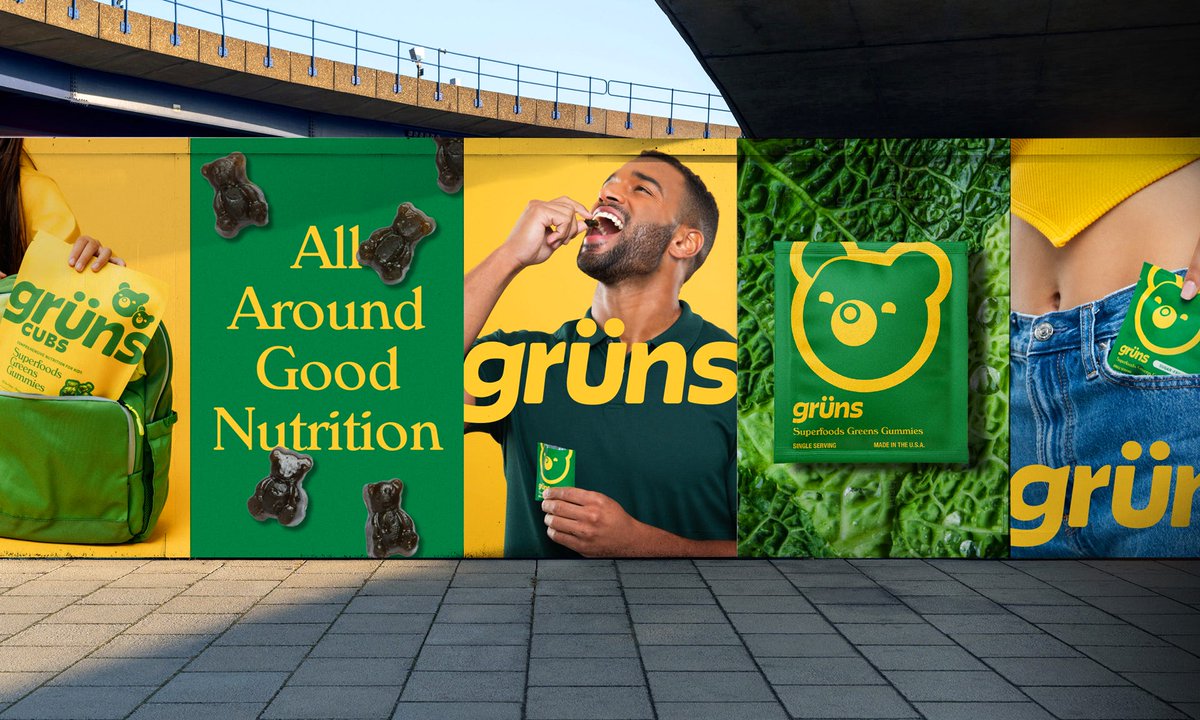
Grüns was founded in August 2023. Unilever just acquired it.
Poppi took 9 years. Liquid I.V. took 8. Dr. Squatch took 12.
The timeline:
Month 1: First sales. Pre-seed from Stanford classmates.
Month 6: $6M seed. Vanterra, SugarCap, Selva.
Month 14: Profitable.
Month 21: $100M run rate, online only. $35M Series B at $500M valuation.
Month 24: $300M run rate. 6,300 retail doors. All Targets. All Walmarts. Every Sam's Club.
Month 32: Acquired by Unilever.
The product: 8 gummy bears. 60 ingredients. $80/month. 80% of customers use it daily.
Chad Janis was a VC before this. Board observer at Chubbies, Brooklinen, Dr. Squatch. He watched the Dr. Squatch exit to Unilever from the inside.
He didn't just build a brand. He built the brand Unilever was going to acquire.
Unilever already owns Liquid I.V., Nutrafol, SmartyPants.
They're not buying a gummy supplement. They're buying 80% daily compliance and a DTC subscription engine legacy brands can't replicate.
32 months. The fastest launch-to-billion in CPG history.
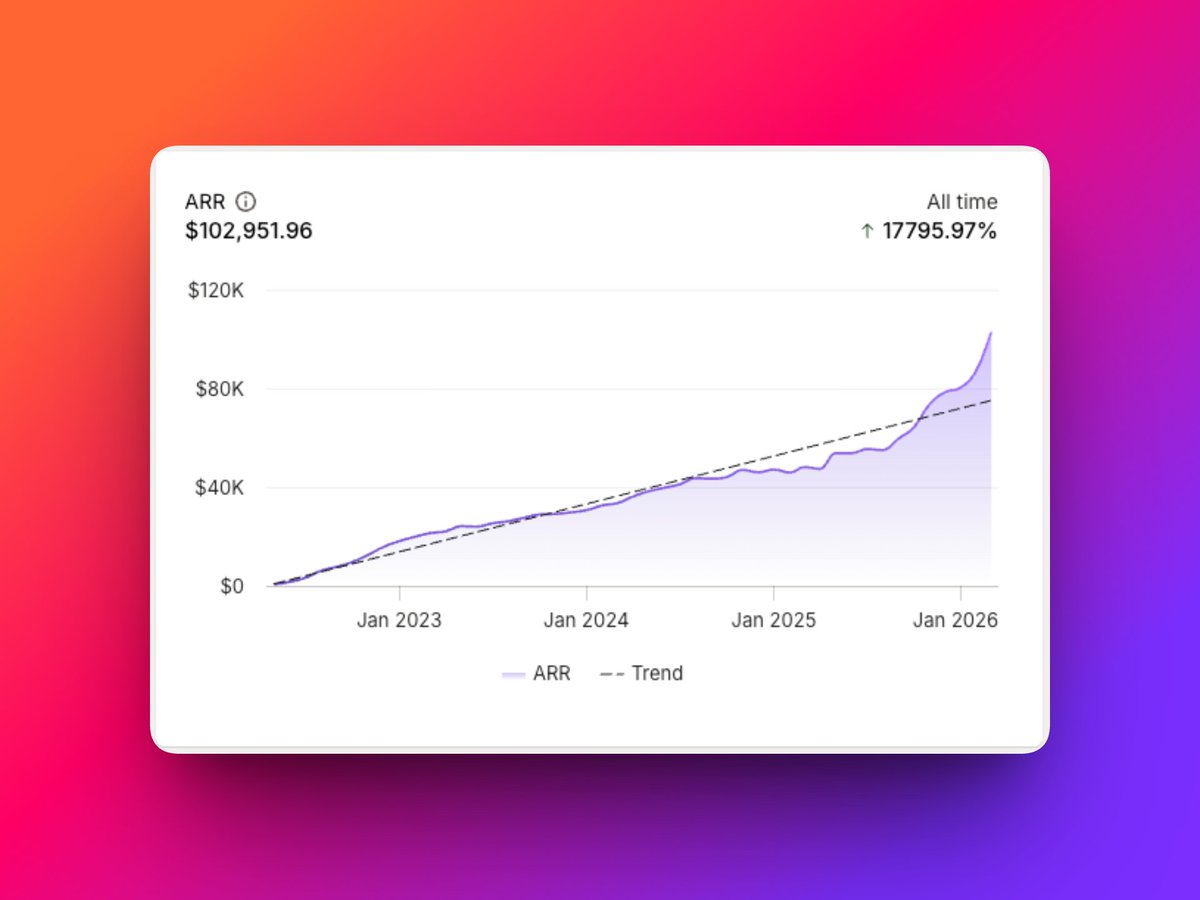
Wrapping up March with $100k ARR.
What started as side-hustle and I only worked 2-3 hours per day on it.
It didn't take 6-months,
it wasn't easy
and I almost talked to every single paying customers.
Grateful and happy to build Shopify apps that transforms 5000+ Shopify stores.
Lots of more customers moving to Shopify functions using our app and replacing their script. I've worked with over 50 Shopify Plus with different discount scenarios.
I build an app that handle almost every discount condition you have:
https://t.co/DK1tlKPN1h
Nobody wants to say it out loud but AI creatives are breaking affiliate marketing right now. A single person with Veo, Runway and ChatGPT can now produce more ads in a day than an entire agency.
The absurd ones convert best. Talking animals. Talking food. Talking body parts. The weirder the better because the brain stops scrolling to process it.
We're in a window where pattern interrupt is still cheap. When everyone figures this out the edge disappears. Right now it's free money. In 6 months it's saturated.
$90k+/month health offers are quietly being sold like this
not influencers
not ugc creators
not expensive shoots
just weirdly realistic animations inside your body
tonsil stones popping out
infections building up
pressure you can literally see
it looks gross… but you can’t scroll past it
the visual makes the problem instantly clear
no explanation needed, your brain gets it immediately
every video follows the same structure:
show the discomfort
zoom into the cause
hint at the relief
same animation style
different body issue every time
that’s how they pump out dozens of ads weekly
education first
product after
rt + comment “inside” and i’ll send the breakdown
(follow for dm)
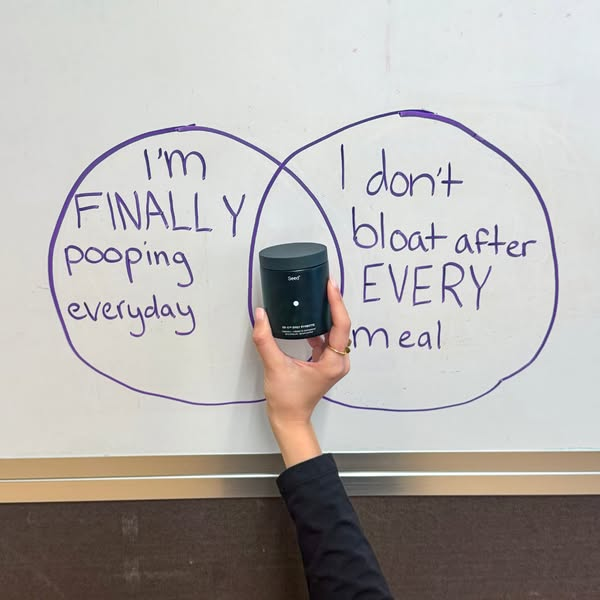
Seed has been one of the top DTC brands in the probiotic space for years.
And this ad shows exactly why. (been active since 27th Feb)
Let me break it down:
1. The format
This looks like someone drew it during a team meeting and snapped a photo.
That's the point actually because it feels REAL in a sea of overproduced supplement ads.
Cost to produce this ad is $0, but probably is outperforming their video ads they spent money on producing.
2. The copy says what no brand dares to say
"I'm FINALLY pooping everyday"
A supplement brand talking about pooping on Meta cold traffic.
This is brilliant because it's EXACTLY how real customers talk about their problems/desires.
Not some BS like "improved gut microbiome diversity" or "supports digestive wellness".
3. The Venn diagram structure
Left circle: "I'm FINALLY pooping everyday"
Right circle: "I don't bloat after EVERY meal"
Two separate benefits and one product in the middle solving both.
The Venn diagram makes the product the OVERLAP - the one thing that fixes two problems at once.
4. Framework you can steal
The whiteboard Venn diagram format works for any product that solves two related problems:
- Left circle: Problem/benefit #1 in CUSTOMER language
- Right circle: Problem/benefit #2 in CUSTOMER language
- Center: Your product
i've made thousands of ad creatives and here’s the 6 most important lessons I've learned:
1. if you can't tell two of your ads apart at thumbnail size, meta can't either. creative diversity isn't optional.
2. pretty ads don't convert just because they're pretty. ugly ads don't convert just because they're ugly. intent is the only thing that matters.
3. never launch an ad you can't explain, if someone asks you a week later why you made it and you don't have an answer, that's your whole problem right there.
4. every account needs something different. there is no playbook that works for every brand so stop looking for one.
5. follow the trends and get there early. by the time everyone's talking about a format it's already too late.
6. volume matters but volume without quality is pointless
Vibe coding tools opened the gates. Apple’s App Store ended up with 84% more new apps in the first quarter.
The Information reported in a piece.
The cost of getting from idea to acceptable first version is coming close to zero.
---
theinformation. com/articles/vibe-coding-effect-apples-app-store-saw-84-jump-new-apps-quarter